Vezi în context
 Trimite
 Distribuie
 Detalii
 Ghidul

 Descarcă
 Produse similare
 Radiografie
 Diaporama
 Statistici
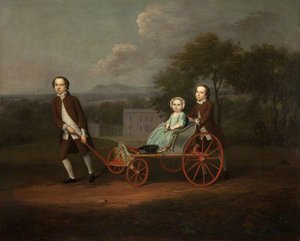
Mr Peter du Cane (1713–1803)
 Acrilic pe pânză întinsă
- Artă de perete
- Romantic Landscape Painting
 1749
1749 74.0 x 53.0 cm
 Harris Museum - Art Gallery
 Citește mai mult
Giclée / Imprimare artistică
Printuri giclée sau pe canvas de calitate muzeală, cu proces de producție rapid și opțiuni flexibile de finisare. ( Comandă pictură realizată manual Treci la imagine digitală)




P118B lei10

P118H lei10

P118W lei10

P438Z lei10

P508JH lei12

P508YH lei12

P805H lei10

P805Z lei10

P919BZ lei10

P919G lei10

P919XJ lei10

P959ZH lei10

P968JZ lei12

W106C lei8

W218G lei10

W218JH lei8

W218Y lei10

W307PJ lei10

W316G lei10

W316PJ lei8

W316Y lei10

W398PJ lei8

W4111J lei10

W500HY lei15

W500JH lei15

W692G lei12

W849H lei8

W940BG lei15

W953PJ lei8




Alegeți dintre dimensiunile noastre prestabilite, care respectă proporțiile originale ale operei de artă.

Introduceți lățimea și înălțimea de care aveți nevoie, pentru a se potrivi ramei sau peretelui dumneavoastră. O printare poate fi doar tăiată, niciodată extinsă dincolo de dimensiunea imaginii originale, astfel încât o dimensiune cu o formă diferită va pierde o parte din imagine. Vă trimitem o simulare digitală pentru aprobare înainte de a imprima orice. Imaginea afișată pe această pagină nu prezintă tăierea reală — doar simularea arată acest lucru.
Livrare în întreaga lume () în 2 săptămâni, în loc de cele 4/5 săptămâni standard. (21 Octombrie)

Livrare expres gratuită la nivel mondial

Pânză de in premium

Asigurare completă pentru transport

Garanție de rambursare a taxelor vamale

Garanția fidelității culorilor

Politica de retur în 100 de zile (doar pentru defecte)

Garanție de rambursare 100%

Reducere pentru comenzi multiple
 Opțiunea cu sticlă este disponibilă doar pentru dimensiuni de sub 110 cm

Mr Peter du Cane (1713–1803)
Giclée / Imprimare artistică
Dimensiune reproducere
-


Preț total
lei 368
Mr Peter du Cane (1713–1803): A Portrait of Quiet Dignity Amidst Georgian Elegance
Arthur William Devis’s “Mr Peter du Cane” stands as a quintessential example of the conversation piece—a genre that flourished in Britain during the mid-18th century and captured not merely likeness but also social status and psychological nuance. Painted in 1749, this portrait exemplifies Devis's meticulous craftsmanship and his ability to convey an inner life within a carefully constructed visual framework. It’s more than just a depiction of a gentleman; it’s a window into the sensibilities of Georgian England.- Subject Matter: The painting portrays Peter du Cane, a prominent landowner from Lancashire, seated on a weathered rock in a serene landscape setting. This deliberate choice of subject matter reflects the prevailing taste for pastoral scenes—a symbol of tranquility and moral virtue—during this period.
- Style & Technique: Devis’s style is characterized by realism tempered with classical influences. He employs chiaroscuro, skillfully manipulating light and shadow to sculpt the figure and create depth within the landscape. The brushstrokes are smooth and controlled, demonstrating a mastery of technique honed through years of experience.
- Composition & Symbolism: The central placement of du Cane reinforces his importance as an aristocratic patron. The rock upon which he rests symbolizes stability and resilience—qualities valued in Georgian society. Furthermore, the overcast sky contributes to the painting’s mood of contemplative seriousness, hinting at inner reflection.
A Masterpiece of Detail: Examining Devis's Artistic Approach
Devis’s dedication to capturing subtle nuances is evident throughout “Mr Peter du Cane.” Notice the meticulous rendering of the fabric textures—the rich folds of the brown coat and waistcoat—a testament to his observational skills. The artist’s palette leans heavily on earthy tones—browns, ochres, and muted greens—creating a harmonious blend that complements the landscape backdrop. The subtle use of gold trim adds a touch of aristocratic grandeur without overwhelming the overall composition. This careful attention to detail speaks volumes about Devis's artistic philosophy: to truly represent reality, one must strive for accuracy in every element.Historical Context & Societal Significance
“Mr Peter du Cane” was created during a period of considerable social and intellectual ferment—the Enlightenment—when artists sought to elevate the human spirit through idealized depictions of virtue and intellect. The conversation piece genre served as a vehicle for displaying wealth, status, and refined taste, reflecting the aspirations of the upper classes. Devis’s portrait captures this ethos perfectly, embodying the Georgian ideal of dignified composure and intellectual contemplation. It's a visual record of an era defined by reason and restraint—a quality that continues to resonate with viewers today.Emotional Impact & Legacy
Despite its understated elegance, “Mr Peter du Cane” possesses a profound emotional impact. The gaze of du Cane—direct yet gentle—suggests thoughtfulness and inner peace. This portrait transcends mere likeness; it conveys a sense of character—a quiet dignity that speaks to the enduring fascination with human psychology. Arthur William Devis’s masterpiece remains an inspiring example of artistic excellence, demonstrating how meticulous technique and astute observation can combine to create a timeless image of Georgian society.Întrebări și răspunsuri
Cum se încadrează stilul operei „Mr Peter du Cane (1713–1803)” în contextul epocii creatorului său?
În "Mr Peter du Cane (1713–1803)" de Arthur Devis, mișcarea Romantic Landscape Painting întâlnește epoca Epoca modernă timpurie.
În ce direcție cromatică tinde "Mr Peter du Cane (1713–1803)"?
"Mr Peter du Cane (1713–1803)" tinde spre o nuanță de De la ocru la sepia.
Unde și în ce scop este recomandată piesa „Mr Peter du Cane (1713–1803)”?
„Mr Peter du Cane (1713–1803)” este recomandat pentru Accent de culoare, iar spațiul ideal este o Living Room.
Biografie artist
Arthur William Devis (1762–1822): Mâna Delicată a Portretului și a Istoriei
Arthur William Devis (19 februarie 1712 – 25 iulie 1787) a fost un pictor englez al cărui tată, Anthony, a fost întemeietorul unei adevărate dinastii familiale de pictori și scriitori. Locul ocupat de Arthur Devis în istoria artei este, în general, cel de maestru al unui tip de portret cunoscut astăzi sub numele de conversation piece. După mutarea la Londra și perioada de ucenicie sub îndrumarea unui artist topograf flamand, acesta s-a orientat către portretism, câștigând o reputație considerabilă, deși acest succes nu a fost unul permanent. Neputând să se adapteze noilor curenturi artistice la modă, cererile pentru lucrările sale au scăzut, iar opera sa a căzut în uitare după moartea sa, până la renașterea interesului pentru stilul conversation piece din secolul al XX-lea. Talentul artistic al lui Devis s-a manifestat încă de la o vârstă fragedă, fiind alimentat de o moștenire familială profund înrădăcinată în tradiția artistică. Urmându-le urme fratelui său mai mare, Thomas Anthony Devis, de asemenea pictor, el s-a înscris la Școlile Academiei Regale în 1774, dedicându-se unei forme riguroase de instruire, specifică celei mai importante instituții de artă a epocii. Anii săi formativi au fost marcați de interacțiunea cu figuri influente precum Sir Joshua Reynolds, ale cărui prediciuni i-au modelat profund sensibilitatea stilistică.- Viața timpurie și formarea: Devis și-a cultivat geniul prin rigoare academică, fiind influențat de marile maeștri ai timpului său. ă
- Comenzi notabile și călătorii: Devis a obținut recunoaștere prin apartenența sa la Free Society of Artists și prin expunerea continuă a lucrărilor sale la Academia Regală, atrăgând un aplauz considerabil. Un moment de cotitură a survenit în 1783, când a fost numit desenator pe nava britanică a Companiei Britanice de Indiilor Orientale, sub comanda căpeteniei Henry Wilson. Într-un destin tragic, Devis a suferit o rană gravă în urma unei confruntări cu papuanii lângă Insulele Schouten și a îndurat ulterior un naufragiu în insulele Pelw — provocări care, deși dure, l-au încurajat să persevere în eforturile sale artistice.
Stil și Tehnică: Trăsul Delicat al Eleganței
Stilul artistic al lui Devis este definit printr-o sensibilitate excepțională la detalii și o stăpânire magistrală a tehnicii, elemente care devin remarcabile în portretele sale. El a preferat posturile grațioase — reprezentând adesea subiectele în momente de liniștită contemplare — creând imagini îmbibate cu o frumusețe discretă și profunzime psihologică. Paleta sa coloristică tindea spre tonuri mate, reflectând preferințele estetice dominante ale sfârșitului secolului al XVIII-lea, însă reușea să obțină o luminozitate uimitoare prin stratificarea atentă a glazurilor și gradații subtile de culoare. Observația meticuloasă a anatomiei de către Devis se îmbina perfect cu o înțelegere intuitivă a expresiei umane, rezultând în portrete care surprindeau nu doar asemănarea fizică, ci și esența caracterului interior.- Conversation Pieces: Devis a excelat în capturarea esenței vieții domestice prin „scene de conversație” — picturi de gen care descriu reuniuni familiale sau interioare intime — un stil extrem de prețuit în epoca sa.
- Subiecte Istorice: Dincolo de portretism, Devis a întreprins comenzi istorice ambițioase, printre care se numără reprezentarea morții lui Nelson și un portret postum dedicat amiralului Horatio Nelson.
Opere Semnative și Moștenire
Devis a creat o operă impresionantă, cuprinzând aproximativ șaizeci și cinci de picturi care au strălucit în galeriile Academiei Regale între 1779 și 1821, consolidându-și reputația de unul dintre cei mai importanți artiști ai Londrei. Printre cele mai celebrate realizări ale sale se numără:- Portretul lui Sir William Jones: Această capodoperă este păstrată în Biblioteca Britanică, exemplificând îndemânarea excepțională a lui Devis de a surprinde o compoziție demnă și o curiozitate intelectuală.
- Portretele lui Nelson: Reprezentările sale ale lui Nelson — atât în calitatea de Vice Amiral, cât și postum — rămân simboluri iconice ale eroismului naval și ale mândriei naționale.
- Alte comenzi notabile: El a acceptat lucrări pentru figuri proeminente, precum Regele George al III-lea călare, Lord Howe și Sir Roger Newdigate, demonstrându-și versatilitatea și ambiția artistică.

Arthur Devis
1712 - 1787 , Regatul Unit
Informații rapide
- Artistic Movement Or Style: Conversație
- Artists Or Movements Influenced By This Artist:
- Reynolds
- Zoffany
- Artists Who Influenced This Artist:
- Joshua Reynolds
- Johann Zoffany
- Date Of Birth: Londra, 1762
- Date Of Death: 1787
- Full Name: Arthur William Devis
- Nationality: Englez
- Notable Artworks:
- Nelson
- Simpson
- Place Of Birth: Lancashire
Articole conexe
The Elegance of Rococo Portraiture: A Journey Through Grace, Soft Light, and Pastel Dreams
Discover the exquisite world of Rococo portraiture. Explore the delicate beauty of 18th-century French art, from pastel light to graceful asymmetry, and learn how to bring this era of elegance into your home through masterfully hand-painted oil reproductions.

Arthur William Devis: A Provincial Eye on Georgian Life & Naval History
Explore the life & work of Arthur William Devis (1762-1822), a key figure in Georgian portraiture and naval history painting. Discover his intimate 'conversation pieces' and captivating depictions of colonial India. Learn more at OriginalUniqueArt.

The Rococo Aesthetic: Opulence, Rebellion & the Pursuit of Pleasure in 18th-Century Art
Explore the opulent world of Rococo art! Discover its origins, key artists like Watteau & Boucher, and lasting influence on design. Expert insights for collectors & enthusiasts.

Peisaje Romantice Iconice: 10 Capodopere Artistice pentru Decorul de Lux
Descoperă 10 capodopere romantice iconice de Caspar David Friedrich, Turner și alți maeștri. Explorează istoria artei, emoțiile din peisaje și găsește tablouri canvas perfecte pentru decorul tău pe OriginalUniqueArt.com!

Top 10 Capodopere Rococo: Arta, Istorie și Decor Excepțional | OriginalUniqueArt.ro
Descoperă top 10 capodopere Rococo de la Fragonard, Boucher și Watteau! Explorează istoria artei, tehnicile și culorile vibrante ale stilului Rococo. Reproduceri de artă excepționale pentru decorul perfect pe OriginalUniqueArt.ro.