

 Vezi în context
 Trimite
 Distribuie
 Detalii
 Ghidul

 Descarcă
 Produse similare
 Radiografie
 Diaporama
 Statistici
Bathsheba
 Baroque Realism
 258.0 x 218.0 cm
 Palatul Nou (Potsdam)
 Citește mai mult
Reproducere pictată manual în ulei
Pictură în ulei pe pânză, realizată manual de artiștii noștri la dimensiunea și ramele dorite de dumneavoastră, pe comandă. ( Comută pe versiunea Print Treci la imagine digitală)




P118B lei10

P118H lei10

P118W lei10

P438Z lei10

P508JH lei12

P508YH lei12

P805H lei10

P805Z lei10

P919BZ lei10

P919G lei10

P919XJ lei10

P959ZH lei10

P968JZ lei12

W106C lei8

W218G lei10

W218JH lei8

W218Y lei10

W307PJ lei10

W316G lei10

W316PJ lei8

W316Y lei10

W398PJ lei8

W4111J lei10

W500HY lei15

W500JH lei15

W692G lei12

W849H lei8

W940BG lei15

W953PJ lei8




Alegeți dintre dimensiunile noastre prestabilite, care respectă proporțiile originale ale operei de artă.

Introduceți lățimea și înălțimea de care aveți nevoie, pentru a se potrivi ramei sau peretelui dumneavoastră. Această lucrare este pictată manual, așa că pentru o dimensiune cu o formă diferită, artistul poate picta puțin mai mult în jurul imaginii sau poate tăia puțin din margini — dumneavoastră decideți. Vă vom trimite o simulare digitală pentru aprobare înainte de a începe pictarea. Imaginea afișată pe această pagină nu reprezintă rezultatul real — doar simularea este reprezentativă.
După plasarea comenzii, echipa OriginalUniqueArt.com va contacta clientul prin e-mail pentru instrucțiuni și îi va furniza o previzualizare a machetei
Livrare în întreaga lume () în 3-4 săptămâni, în loc de cele 5 săptămâni standard. (24 Octombrie). Fără compromisuri în ceea ce privește calitatea.

Livrare expres gratuită la nivel mondial

Pânză de in premium

Asigurare completă pentru transport

Garanție de rambursare a taxelor vamale

Garanția fidelității culorilor

Politica de retur în 100 de zile (doar pentru defecte)

Garanție de rambursare 100%

Reducere pentru comenzi multiple
 Opțiunea cu sticlă este disponibilă doar pentru dimensiuni de sub 110 cm

Bathsheba
Tip de reproducere
Dimensiune reproducere
-


Preț total
lei 1391
Artemisia Gentileschi’s “Bathsheba”: A Portrait of Resilience and Caravaggio’s Shadow
OriginalUniqueArt.com presents a breathtaking hand-painted reproduction of Artemisia Gentileschi's enigmatic "Bathsheba," a work steeped in the drama and emotional intensity that defined the artist’s extraordinary career. Dating from an unknown period, this painting offers a compelling glimpse into a pivotal biblical narrative – the story of Bathsheba, David’s loyal wife after his adulterous affair – filtered through Gentileschi's masterful lens. The scene unfolds with a palpable sense of quiet contemplation and underlying tension, immediately drawing the viewer into its complex emotional landscape.
Caravaggism at its Finest: Light, Shadow, and Human Drama
Born in Rome in 1593, Artemisia Gentileschi was a product of her father, Orazio Gentileschi’s, artistic tutelage. Heavily influenced by the revolutionary realism championed by Caravaggio, Artemisia inherited his signature style – a dramatic use of tenebrism, where stark contrasts between light and dark sculpt the forms and heighten the emotional impact. Observe how Gentileschi expertly manipulates light to focus attention on Bathsheba herself, subtly illuminating her face and gestures while casting the surrounding figures in deeper shadow. This technique isn’t merely stylistic; it serves to underscore the vulnerability and quiet strength of the central figure, a hallmark of Caravaggio's approach to portraying biblical subjects.
- Tenebrism: The dramatic use of light and dark creates a powerful sense of drama.
- Realism: Gentileschi’s commitment to realistic depiction – evident in the textures of clothing, the expressions on faces – grounds the biblical story in a tangible human experience.
- Composition: The carefully arranged figures contribute to the overall narrative tension and invite contemplation about Bathsheba's internal struggle.
Symbolism and Narrative Depth: A Complex Scene
The painting’s composition is rich with symbolic detail, reflecting the complexities of the biblical story. The presence of multiple women – standing close together, engaged in conversation – suggests a network of relationships and potential alliances. The carefully placed objects—the bowls, cups, and vases—are not merely decorative; they evoke a sense of domesticity and perhaps hint at the social rituals surrounding Bathsheba’s position. While the exact narrative context remains open to interpretation, it is widely believed that this scene depicts the aftermath of David's sin, a moment of reflection and potential judgment. The painting powerfully conveys the emotional weight of guilt, loyalty, and the consequences of transgression.
A Masterpiece of Emotional Resonance – Perfect for Your Space
This hand-painted reproduction captures not just an image but the very soul of Artemisia Gentileschi’s artistic vision. Measuring 258 x 218 cm, this artwork commands attention and adds a touch of historical gravitas to any interior space. Its dramatic composition, masterful use of light and shadow, and profound emotional depth make it a truly exceptional piece for art collectors, design enthusiasts, and anyone seeking to infuse their surroundings with the power and beauty of Baroque artistry. OriginalUniqueArt.com offers this stunning reproduction as a testament to Artemisia’s legacy – a legacy of courage, talent, and enduring artistic impact.
Întrebări și răspunsuri
„Bathsheba” este disponibil(ă) sub formă de print de fine art?
O ediție print a lucrării "Bathsheba" de Artemisia Gentileschi poate fi comandată direct pe pagina sa de Print de Fine Art: o printă de fine art pe canvas din bumbac sau pe hârtie canvas arhivistică.
În ce muzeu se află originalul "Bathsheba"?
Originalul "Bathsheba" de Artemisia Gentileschi este păstrat la Palatul Nou (Potsdam), Potsdam, Germania. O reproducere permite expunerea operei în propria locuință.
Cine a creat "Bathsheba"?
„Bathsheba” este atribuit lui Artemisia Gentileschi.
Biografie artist
A Daughter of Rome: The Life and Art of Artemisia Gentileschi
Artemisia Gentileschi’s name echoes through the halls of art history, resonating not simply as that of a painter, but as an emblem of resilience, defiance, and extraordinary artistic talent in a world determined to silence female voices. Born in Rome in 1593, she entered a milieu steeped in artistry—her father, Orazio Gentileschi, was a respected painter deeply influenced by the revolutionary realism of Caravaggio. From her earliest years, Artemisia’s gift was undeniable, nurtured within her father's workshop where she absorbed techniques of composition and the dramatic use of light and shadow that would become hallmarks of her distinctive style. This formative training wasn’t merely about mastering brushstrokes; it was an immersion into a world of artistic ambition, one typically closed to women. Recognizing his daughter’s exceptional talent, Orazio provided opportunities unavailable to most females of the era, allowing her to study from life models—a crucial step in developing anatomical accuracy and expressive power.Shadows and Strength: Artistic Development
Gentileschi's artistic development was profoundly shaped by Caravaggio’s tenebrism—the stark contrast between light and darkness that imbued his paintings with an intense emotionality. Yet, she didn’t simply mimic her father or Caravaggio; she forged her own unique voice, characterized by a raw psychological depth and a compelling focus on female subjects often depicted with unprecedented agency and strength. Even in her early works, like *Susanna and the Elders* (1610), a biblical scene depicting Susanna being spied upon by two lecherous old men, Artemisia’s interpretation diverges from traditional portrayals. Here, Susanna isn't passively vulnerable; she displays a quiet dignity and resistance, foreshadowing the powerful female figures that would dominate her later oeuvre. But it is *Judith Slaying Holofernes* (existing in multiple versions between 1614-1620) that cemented her reputation as a master of dramatic narrative and psychological realism. The painting isn’t merely a depiction of violence; it's an exploration of courage, determination, and the righteous fury of a woman defending her people. The visceral intensity, the unflinching portrayal of the act itself, shocked and captivated audiences then—and continues to do so today. Other notable works like *Judith and her Maidservant* (1625) and *Danaë* (c. 1636-1639) further demonstrate her evolving style, showcasing both vulnerability and power in her female protagonists. Her ability to render flesh with such realism, combined with a masterful use of chiaroscuro, created scenes that were both terrifying and deeply moving.A Trial by Fire: Trauma and Triumph
Artemisia’s life was irrevocably altered by a horrific event: her rape at the hands of Agostino Tassi, a fellow painter and colleague of her father. The ensuing trial (1611-1612) became a public spectacle, subjecting Artemisia to grueling questioning and societal scrutiny. While she bravely testified against Tassi, the proceedings were marred by bias and attempts to discredit her character. This trauma profoundly impacted her life and art, imbuing her work with an emotional intensity that some scholars believe is directly linked to her personal experiences. The trial itself became a symbol of the challenges faced by women seeking justice in a patriarchal society. Despite this ordeal, Artemisia refused to be defined by it. She continued to paint, moving between Rome, Florence, and Naples, establishing herself as a successful artist in her own right. In 1616, she achieved another milestone: becoming the first woman admitted to the Accademia di Arte del Disegno in Florence—a testament to her talent and perseverance. This achievement was not merely symbolic; it opened doors for future generations of female artists.Key Works
- Judith Slaying Holofernes (1614-1620): Perhaps her most famous work, showcasing dramatic realism and female empowerment.
- Susanna and the Elders (1610): An early masterpiece demonstrating her unique interpretation of a classic biblical scene.
- Judith and Her Maidservant (1625): A compelling portrayal of female solidarity and strength after a violent act.
- Danaë (c. 1636-1639): A sensual and psychologically complex depiction of the mythological figure.
Legacy of a Pioneer
Artemisia Gentileschi’s career spanned decades, marked by both artistic innovation and personal resilience. She worked for prominent patrons, including the Medici family, and established a thriving workshop, proving that women could not only excel as artists but also succeed in a traditionally male-dominated profession. For centuries, her work was often overshadowed by the circumstances of her life, viewed through the lens of scandal rather than artistic merit. However, beginning in the 20th century, there has been a significant reevaluation of her art, recognizing her as one of the most important and innovative painters of the Baroque period. Her paintings are now celebrated for their emotional depth, dramatic realism, and powerful depictions of women—not as passive objects but as active agents in their own narratives. Artemisia Gentileschi is more than just an artist; she’s a feminist icon, a trailblazer who defied societal expectations and left behind a legacy that continues to inspire generations. Her story serves as a potent reminder of the importance of recognizing and celebrating the contributions of women throughout history—and of ensuring that their voices are never silenced again. She painted not just with her hands, but with her soul.
Artemisia Gentileschi
1593 - 1656 , Italia
Informații rapide
- Artistic Movement Or Style: Barocă
- Artists Or Movements Influenced By This Artist: ['Feminism artistic']
- Artists Who Influenced This Artist:
- Caravaggio
- Orazio Gentileschi
- Date Of Birth: 8 iulie 1593
- Date Of Death: 1654
- Full Name: Artemisia Gentileschi Lomi
- Nationality: Italiană
- Notable Artworks:
- Judita ucigând Holofernes
- Suzanna și bătrânii
- Danae
- Place Of Birth: Roma, Italia
Articole conexe

Beyond the Shadows: The Powerful Legacies of Artemisia Gentileschi and Berthe Morisot
Explore the profound legacies of Artemisia Gentileschi and Berthe Morisot. Discover how these female masters redefined the Baroque and Impressionist eras through dramatic chiaroscuro and luminous light in this expert art-history guide for collectors and enthusiasts.

Barocul în Splendoare: Cele Mai Reprezentative 10 Capodopere Artistice | OriginalUniqueArt.ro
Descoperă splendoarea Barocului! Explorează cele mai importante 10 capodopere ale lui Caravaggio, Rembrandt și Rubens. Află poveștile din spatele picturilor iconice și adu eleganța clasică în casa ta cu reproduceri de artă premium pe OriginalUniqueArt.ro
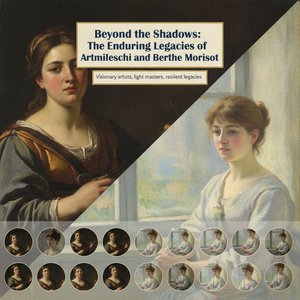
Beyond the Shadows: The Resurgence of Female Masters Artemisia Gentileschi and Berthe Morisot
Explore the profound resurgence of female masters Artemisia Gentileschi and Berthe Morisot. Discover how their revolutionary use of light, shadow, and intimacy redefined art history and continues to inspire sophisticated modern collections.
Barocul în Artă: Cele Mai Importante 10 Capodopere și Inspirație pentru Decor
Descoperă cele mai importante 10 capodopere ale picturii baroce! Caravaggio, Rembrandt, Rubens și alți maeștri. Află poveștile din spatele tehnicilor și culorilor vibrante. Reproduceri de artă de calitate muzeală pe OriginalUniqueArt.com.

Beyond the Shadows: The Powerful Legacies of Artemisia Gentileschi and Berthe Morisot
Explore the profound legacies of Artemisia Gentileschi and Berthe Morisot. Discover how these female masters redefined the Baroque and Impressionist eras through dramatic chiaroscuro and luminous light, leaving an indelible mark on art history and modern aesthetics.


