 Previzualizare
 Trimite prin felicitare
 Distribuie
 Detalii despre lucrare
 Ghid
Ghid

 Descarcă imaginea
 Produse similare
 Radiografie
 Galerie foto
 Q&A
Q&A Statistici
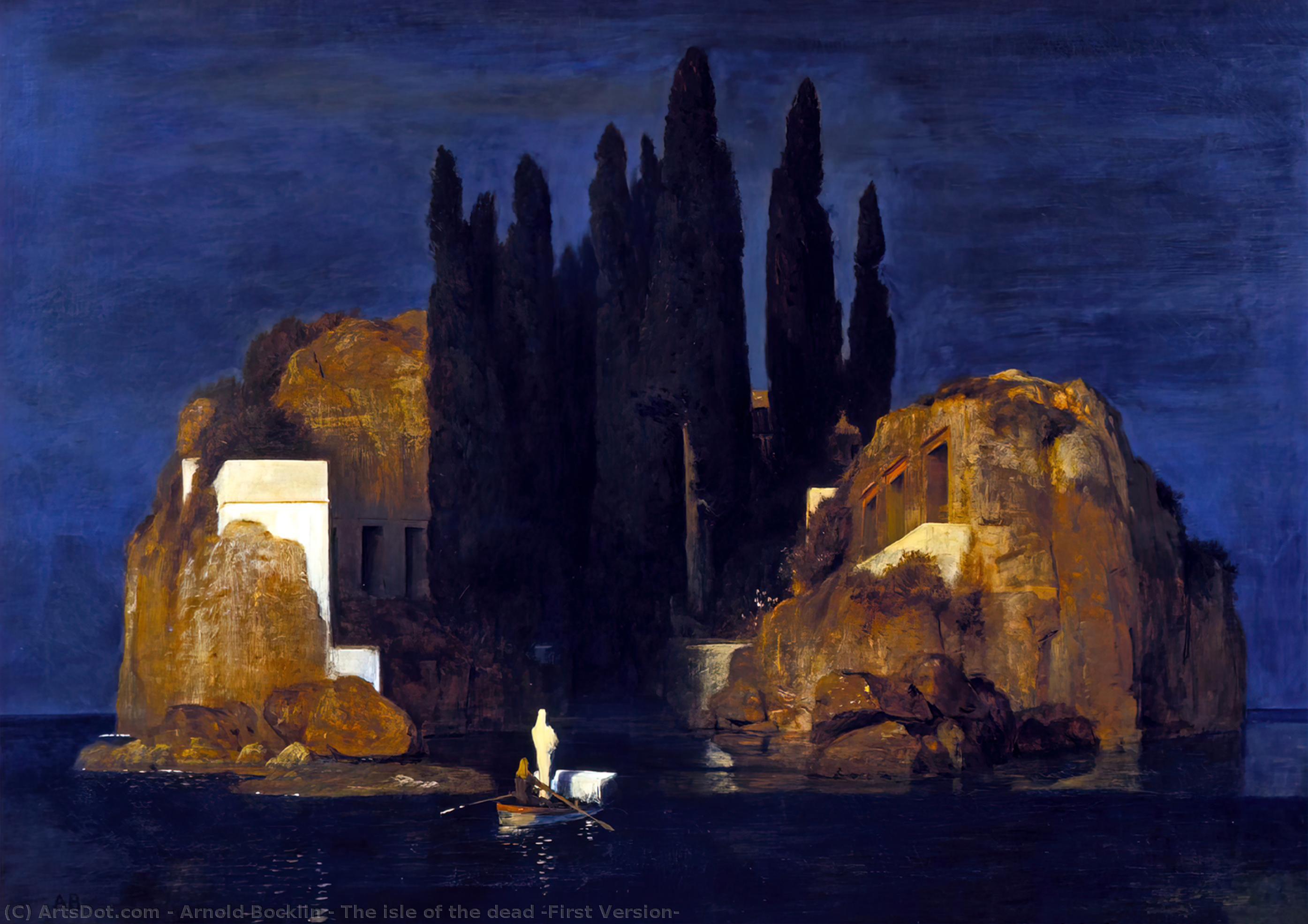
The isle of the dead (First Version)

- 111.0 x 155.0 cm


 Vezi mai mult
Giclée / Imprimare artistică
Printuri giclée sau pe canvas de calitate muzeală, cu proces de producție rapid și opțiuni flexibile de finisare. ( Comandă pictură realizată manual Comută pe Imagine Digitală)




P118B lei10

P118H lei10

P118W lei10

P438Z lei10

P508JH lei12

P508YH lei12

P805H lei10

P805Z lei10

P919BZ lei10

P919G lei10

P919XJ lei10

P959ZH lei10

P968JZ lei12

W106C lei8

W218G lei10

W218JH lei8

W218Y lei10

W307PJ lei10

W316G lei10

W316PJ lei8

W316Y lei10

W398PJ lei8

W4111J lei10

W500HY lei15

W500JH lei15

W692G lei12

W849H lei8

W940BG lei15

W953PJ lei8




Alegeți dintre dimensiunile noastre prestabilite, care respectă proporțiile originale ale operei de artă.

Introduceți lățimea și înălțimea necesare pentru a se potrivi ramei sau peretelui dumneavoastră. O printare poate fi doar tăiată, niciodată extinsă dincolo de dimensiunea imaginii originale, astfel încât o dimensiune cu o formă diferită va pierde o parte din imagine. Vă trimitem o simulare digitală pentru aprobare înainte de a imprima orice. Imaginea afișată pe această pagină nu prezintă tăierea reală — doar simularea arată acest lucru.
Livrare în întreaga lume () în 2 săptămâni, în loc de cele 4/5 săptămâni standard. (1 Noiembrie)

Livrare expres gratuită la nivel mondial

Pânză de in de înaltă calitate

Asigurare completă pentru transport

Garanție de rambursare a taxelor vamale

Garanția fidelității culorilor

Politica de retur în 100 de zile (doar pentru defecte de fabricație)

Garanție de rambursare 100%

Ofertă pentru comenzi multiple
 Opțiunea cu sticlă este disponibilă doar pentru dimensiuni de sub 110 cm

The isle of the dead (First Version)
Giclée / Imprimare artistică
Dimensiune reproducere
-


Preț total calculat
lei 379
A Journey into the Sublime: The Enigmatic World of Böcklin
In the quiet, shadowed corridors of art history, few images possess the haunting magnetism of Arnold Böcklin’s The Isle of the Dead (First Version). Completed in the early 1880s, this masterpiece serves as a profound gateway into the Symbolist movement, where the artist’s brush seeks not to mirror reality, but to evoke the intangible whispers of the soul. As one gazes upon this monumental canvas, they are immediately transported to a realm of profound stillness and spectral beauty. The scene is dominated by a desolate, rocky islet, rising sharply from dark, turbulent waters like a monument to the eternal. Towering cypress trees, those ancient sentinels of mourning, pierce the heavy atmosphere, their dark silhouettes anchoring the composition in a state of perpetual twilight. It is an immersive experience that invites the viewer to step away from the clamor of the modern world and enter a space of deep, meditative contemplation.
The emotional resonance of the work lies in its masterful use of chiaroscuro—the dramatic interplay between light and shadow. Böcklin employs a meticulous oil painting technique, utilizing smooth gradations of color to create an atmospheric gloom that feels almost tactile. The water, dark and brooding, seems to swallow the light, while the starkness of the rocks provides a sense of unyielding permanence. This technical precision allows for a palpable sense of mystery; every ripple in the water and every shadow cast by the cypress trees contributes to a narrative of solitude and transition. For the collector or interior designer, this painting offers more than mere decoration; it provides a focal point of immense gravity, capable of anchoring a room with its somber elegance and sophisticated depth.
Symbolism and the Voyage of the Soul
Beyond its striking aesthetic, the painting is a rich tapestry of mythological and folkloric references. The lone rowing boat, approaching the shore with a shrouded figure at its helm, serves as a powerful metaphor for the final journey of the deceased. Scholars often draw parallels to the classical myth of Charon, the ferryman of Hades, suggesting that this islet is a destination within the underworld itself. This interpretation imbues the work with a universal weight, touching upon the shared human experience of mortality and the mystery of what lies beyond the veil. The cypress trees, traditionally associated with cemeteries and grief, reinforce this theme of remembrance and the cyclical nature of life and death.
Böcklin himself remained famously elusive regarding his specific intentions, allowing the painting to remain an open vessel for individual interpretation. This ambiguity is precisely what gives the work its enduring power; it is a mirror for the viewer's own emotions, whether they find peace in its stillness or trepidation in its shadows. To possess a high-quality reproduction of this work is to invite a piece of the sublime into one's personal space—a constant reminder of the beauty found in the ephemeral and the profound strength found in silence. It is an ideal acquisition for those who appreciate art that challenges the intellect while deeply stirring the heart.
Întrebări și răspunsuri
Ce nivel de contrast prezintă "The isle of the dead (First Version)" de Arnold Böcklin?
Nivelul de contrast al operei "The isle of the dead (First Version)" de Arnold Böcklin este Gentle.
În ce etapă a carierei lui Arnold Böcklin se încadrează "The isle of the dead (First Version)", având în vedere data sa de execuție?
Data din 1880 plasează „The isle of the dead (First Version)” în Mature Period dezvoltării lui Arnold Böcklin.
Care sunt tehnica și data creației pentru "The isle of the dead (First Version)" de Arnold Böcklin?
Tehnica utilizată pentru "The isle of the dead (First Version)" de Arnold Böcklin este Oil On Canvas, iar lucrarea datează din 1880.
Biografie artist
Early Life and Training
Arnold Böcklin, a name synonymous with haunting beauty and profound melancholy, was born on October 16, 1827, in Basel, Switzerland—a city steeped in history and artistic tradition. His lineage traced back to an old family of Schaffhausen, connected to the silk trade through his father, Christian Frederick Böcklin. Ursula Lippe, Arnold’s mother, hailed from the same city as well. From a young age, he displayed a keen interest in art, enrolling at the Düsseldorf Academy under the tutelage of Johann Wilhelm Schirmer, a renowned landscape painter. This formative period was marked by a close friendship with Anselm Feuerbach, a fellow student whose philosophical leanings would subtly influence Böcklin’s artistic vision. The Düsseldorf School of Painting—known for its emphasis on realism and dramatic lighting—provided him with a solid foundation in technique, but it was also within this environment that he began to explore the darker corners of the human experience, foreshadowing the themes that would dominate his mature work.Artistic Career and Symbolism
Böcklin’s artistic journey took him beyond the confines of Düsseldorf, leading him through vibrant cities like Paris and Rome—each leaving an indelible mark on his style and sensibility. In Paris, he found employment at the Louvre, immersing himself in the masterpieces of the Old Masters, while Rome exposed him to the grandeur of classical antiquity and the evocative beauty of the Italian landscape. This exposure profoundly shaped his artistic approach, leading him to incorporate allegorical and mythological figures into his compositions, often set against the backdrop of classical architecture. His early works, such as *Great Park* (1857), showcased ancient mythology with a dramatic intensity, while pieces like *Nymph and Satyr* (1858) and *Sappho* (1859) demonstrated a burgeoning talent for capturing ethereal beauty and unsettling moods. Notably, his self-portrait, *Portrait of Myself, with Death Playing a Violin* (1872), stands as a poignant example of his unique style—a masterful blend of realism and symbolism that explored themes of mortality and the human condition.The Isle of the Dead and Legacy
Perhaps Böcklin’s most enduring legacy is found in his five versions of *The Isle of the Dead* (1880-1886). Inspired by the English cemetery in Florence, where his daughter was buried, these monumental works evoke a sense of profound sadness and timelessness. The imagery—a desolate island shrouded in mist, populated by spectral figures—became an instant sensation, captivating audiences and influencing generations of artists. This series cemented Böcklin’s place as a key figure in the Symbolist movement, a reaction against the materialism and superficiality of the preceding era. His work resonated with a growing interest in dreams, mysticism, and the subconscious—themes that would become central to artistic expression in the 20th century. The influence of *The Isle of the Dead* extended far beyond the art world, inspiring composers like Sergey Rachmaninoff, who drew upon its evocative imagery for his symphonic poem of the same name.Museums and Recognition
Böcklin’s profound impact on European art is reflected in the preservation of his works within prestigious museums across Switzerland and beyond. His paintings are proudly displayed at:- Öffentliche Kunstsammlung (Basel, Switzerland)
- Kunstmuseum Basel (Switzerland)
- Museum Kunsthaus Zürich (Zürich, Switzerland)
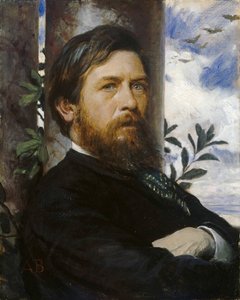
Arnold Böcklin
1827 - 1901 , Elveția
Detalii rapide
- Artistic Movement Or Style: Simbolism
- Artists Or Movements Influenced By This Artist:
- Hans Thoma
- Pre-Raphaeliti
- Artists Who Influenced This Artist:
- Schirmer
- Feuerbach
- Date Of Birth: 16 oct. 1827
- Date Of Death: 16 ian. 1901
- Full Name: Arnold Böcklin
- Nationality: Swiss
- Notable Artworks:
- Insula Morții
- Nimpă și Satir
- Sappho
- Place Of Birth: Basel, Elveția
Articole similare
Simbolismul în Artă: 10 Capodopere Esențiale pentru Decorul de Lux
Descoperă cele 10 capodopere simboliste care au revoluționat arta! Explorează poveștile lui Klimt, Munch și Redon. Reproduceri de tablouri de lux pentru un decor unic. Găsește inspirație pe OriginalUniqueArt.com!

Hieronymus Bosch: Cele Mai Fascinante Capodopere – Artă Medievală pentru Decorul Tău
Descoperă cele mai emblematice 25 de picturi ale lui Hieronymus Bosch! Explorează simbolismul fascinant, viziunile unice și tehnicile artistice din spatele capodoperelor medievale. Reproduceri de artă de calitate muzeală pentru decorul tău pe OriginalUniqueArt.com
Thomas Barker of Bath: Landscape Painting & Societal Reflection in Early 19th-Century England
Explore the life & work of Thomas Barker of Bath, a key figure in 19th-century English Romanticism. Discover his Parisian success, iconic paintings like 'The Bride of Death', and lasting artistic legacy. Learn more at OriginalUniqueArt.

Echoes of Absence: Loss & Grief in Visual Art Through the Ages
Explore the profound history of grief in art, from Renaissance masterpieces to contemporary expressions. Discover how artists have captured loss, mourning, and mortality through powerful imagery & symbolism. OriginalUniqueArt offers expert insights.
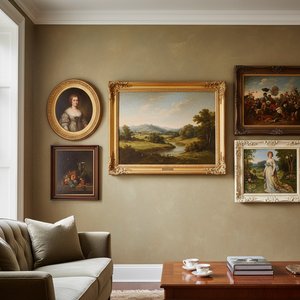
Iconic Art of the 18th & 19th Centuries: Masterpieces for Your Home | OriginalUniqueArt
Journey through 18th & 19th century art! Explore iconic masterpieces by Monet, Van Gogh & more. Discover the stories behind these timeless paintings and find museum-quality reproductions for your home at OriginalUniqueArt.com.
