

 Vezi în context
 Trimite
 Distribuie
 Detalii
 Ghidul

 Descarcă
 Produse similare
 Radiografie
 Diaporama
 Statistici
Centaur Watching Fish
 Oil On Canvas
- WallArt
- Symbolism
 1878
1878- 19th Century
 43.0 x 70.0 cm
 Kunsthaus Zürich
 Citește mai mult
Reproducere pictată manual în ulei
Pictură în ulei pe pânză, realizată manual de artiștii noștri la dimensiunea și ramele dorite de dumneavoastră, pe comandă. ( Comută pe versiunea Print Treci la imagine digitală)




P118B lei10

P118H lei10

P118W lei10

P438Z lei10

P508JH lei12

P508YH lei12

P805H lei10

P805Z lei10

P919BZ lei10

P919G lei10

P919XJ lei10

P959ZH lei10

P968JZ lei12

W106C lei8

W218G lei10

W218JH lei8

W218Y lei10

W307PJ lei10

W316G lei10

W316PJ lei8

W316Y lei10

W398PJ lei8

W4111J lei10

W500HY lei15

W500JH lei15

W692G lei12

W849H lei8

W940BG lei15

W953PJ lei8




Alegeți dintre dimensiunile noastre prestabilite, care respectă proporțiile originale ale operei de artă.

Introduceți lățimea și înălțimea de care aveți nevoie, pentru a se potrivi ramei sau peretelui dumneavoastră. Această lucrare este pictată manual, așa că pentru o dimensiune cu o formă diferită, artistul poate picta puțin mai mult în jurul imaginii sau poate tăia puțin din margini — dumneavoastră decideți. Vă vom trimite o simulare digitală pentru aprobare înainte de a începe pictarea. Imaginea afișată pe această pagină nu reprezintă rezultatul real — doar simularea este reprezentativă.
După plasarea comenzii, echipa OriginalUniqueArt.com va contacta clientul prin e-mail pentru instrucțiuni și îi va furniza o previzualizare a machetei
Livrare în întreaga lume () în 3-4 săptămâni, în loc de cele 5 săptămâni standard. (21 Octombrie). Fără compromisuri în ceea ce privește calitatea.

Livrare expres gratuită la nivel mondial

Pânză de in premium

Asigurare completă pentru transport

Garanție de rambursare a taxelor vamale

Garanția fidelității culorilor

Politica de retur în 100 de zile (doar pentru defecte)

Garanție de rambursare 100%

Reducere pentru comenzi multiple
 Opțiunea cu sticlă este disponibilă doar pentru dimensiuni de sub 110 cm

Centaur Watching Fish
Tip de reproducere
Dimensiune reproducere
-


Preț total
lei 1379
A Silent Meditation on Nature and Mortality
In the quietude of Arnold Böcklin’s 1878 masterpiece, “Centaur Watching Fish,” the viewer is invited into a realm where the boundaries between the mythological and the terrestrial dissolve. This evocative oil on canvas, currently held in the prestigious Kunsthaus Zürich, serves as a profound gateway into the Symbolist movement—a period of art history dedicated to exploring the hidden psychological depths of the human soul. Rather than presenting a mere scene from ancient legend, Böcklin crafts an immersive experience that speaks to the universal themes of solitude and the silent, rhythmic pulse of the natural world. The centaur, a creature of dual nature, reclines upon a serene shoreline, his gaze fixed upon the movement beneath the water's surface, creating a moment of suspended animation that feels both eternal and fleeting.
The composition is masterfully orchestrated to evoke a sense of Romantic reverie. Utilizing a horizontal format, Böcklin emphasizes the reclining posture of the centaur, grounding the mythological figure within a landscape of soft sands and swaying grasses. The artist deliberately eschews the rigid precision of strict realism in favor of an emotional truth. Through the use of diffused lighting and gentle shadows, he establishes an atmosphere of melancholic stillness. This technique allows the viewer to feel the weight of the silence, as if the very air around the creature is heavy with contemplation. It is a painting that does not demand attention through spectacle, but rather earns it through a subtle, haunting intimacy.
The Mastery of Texture and Atmosphere
Technically, “Centaur Watching Fish” is a triumph of texture and perspective. Böcklin employs the impasto technique with remarkable skill, applying thick, deliberate layers of paint to render the coarse fur of the centaur’s equine half. This tactile richness provides a palpable sense of physicality, making the creature feel present and breathing within the frame. To balance this heavy texture, the artist utilizes atmospheric perspective to create an illusion of infinite depth. By reducing color saturation and softening the details of the distant horizon, he simulates a hazy, dreamlike distance that reinforces the theme of isolation. This method draws a direct lineage from the Romantic masters like Caspar David Friedrich, using the landscape as a mirror for spiritual introspection.
The color palette is a sophisticated arrangement of earthy tones—ochres, deep browns, and muted beiges—which lends the work an organic, timeless quality. These warm, grounded hues are contrasted by the subtle, shimmering light reflecting off the water, drawing the eye toward the focal point of the centaur’s quiet observation. For the collector or interior designer, this piece offers a unique aesthetic versatility; its somber yet tranquil mood provides a sophisticated anchor for a room, offering a sense of historical depth and intellectual gravity that more contemporary works may lack.
Symbolism: The Intersection of Myth and Being
Beyond its visual splendor, the painting functions as a complex symbolic tapestry. The centaur itself—a hybrid of human intellect and animal instinct—serves as a powerful metaphor for the duality of existence. As he watches the fish, there is a profound sense of the relationship between humanity and the untamed elements of nature. The act of watching becomes a meditation on mortality; the stillness of the figure suggests a resignation to the cycles of life and death that govern both man and beast. There is a touch of sadness in his solitude, yet it is a beautiful, dignified melancholy that celebrates the quiet dignity of existence.
For those seeking to bring a piece of this profound emotional landscape into their personal spaces, a high-quality reproduction of this work offers more than just decoration. It provides a window into a bygone era of artistic exploration, a constant reminder of the beauty found in silence and the enduring power of myth. Whether placed in a library, a study, or a curated gallery space, “Centaur Watching Fish” continues to provoke thought, inviting all who encounter it to pause, breathe, and reflect upon the silent wonders of the world.
Întrebări și răspunsuri
Ce atmosferă transmite "Centaur Watching Fish"?
"Centaur Watching Fish" de Arnold Böcklin este descris ca având o atmosferă Romantic. Această clasificare poate ajuta la potrivirea lucrării cu un anumit decor.
Pot vedea "Centaur Watching Fish" de Arnold Böcklin pe propriul meu perete înainte de achiziție?
Poți vizualiza "Centaur Watching Fish" de Arnold Böcklin pe propriul tău perete folosind pagina Previzualizare AR a operei de artă, prin intermediul realității augmentate pe un dispozitiv compatibil.
„Centaur Watching Fish” este mai degrabă o lucrare luminoasă sau întunecată în ansamblu?
"Centaur Watching Fish" de Arnold Böcklin este înregistrat cu o balanced, având o luminanță de Soft Shadow.
Biografie artist
Early Life and Training
Arnold Böcklin, a name synonymous with haunting beauty and profound melancholy, was born on October 16, 1827, in Basel, Switzerland—a city steeped in history and artistic tradition. His lineage traced back to an old family of Schaffhausen, connected to the silk trade through his father, Christian Frederick Böcklin. Ursula Lippe, Arnold’s mother, hailed from the same city as well. From a young age, he displayed a keen interest in art, enrolling at the Düsseldorf Academy under the tutelage of Johann Wilhelm Schirmer, a renowned landscape painter. This formative period was marked by a close friendship with Anselm Feuerbach, a fellow student whose philosophical leanings would subtly influence Böcklin’s artistic vision. The Düsseldorf School of Painting—known for its emphasis on realism and dramatic lighting—provided him with a solid foundation in technique, but it was also within this environment that he began to explore the darker corners of the human experience, foreshadowing the themes that would dominate his mature work.Artistic Career and Symbolism
Böcklin’s artistic journey took him beyond the confines of Düsseldorf, leading him through vibrant cities like Paris and Rome—each leaving an indelible mark on his style and sensibility. In Paris, he found employment at the Louvre, immersing himself in the masterpieces of the Old Masters, while Rome exposed him to the grandeur of classical antiquity and the evocative beauty of the Italian landscape. This exposure profoundly shaped his artistic approach, leading him to incorporate allegorical and mythological figures into his compositions, often set against the backdrop of classical architecture. His early works, such as *Great Park* (1857), showcased ancient mythology with a dramatic intensity, while pieces like *Nymph and Satyr* (1858) and *Sappho* (1859) demonstrated a burgeoning talent for capturing ethereal beauty and unsettling moods. Notably, his self-portrait, *Portrait of Myself, with Death Playing a Violin* (1872), stands as a poignant example of his unique style—a masterful blend of realism and symbolism that explored themes of mortality and the human condition.The Isle of the Dead and Legacy
Perhaps Böcklin’s most enduring legacy is found in his five versions of *The Isle of the Dead* (1880-1886). Inspired by the English cemetery in Florence, where his daughter was buried, these monumental works evoke a sense of profound sadness and timelessness. The imagery—a desolate island shrouded in mist, populated by spectral figures—became an instant sensation, captivating audiences and influencing generations of artists. This series cemented Böcklin’s place as a key figure in the Symbolist movement, a reaction against the materialism and superficiality of the preceding era. His work resonated with a growing interest in dreams, mysticism, and the subconscious—themes that would become central to artistic expression in the 20th century. The influence of *The Isle of the Dead* extended far beyond the art world, inspiring composers like Sergey Rachmaninoff, who drew upon its evocative imagery for his symphonic poem of the same name.Museums and Recognition
Böcklin’s profound impact on European art is reflected in the preservation of his works within prestigious museums across Switzerland and beyond. His paintings are proudly displayed at:- Öffentliche Kunstsammlung (Basel, Switzerland)
- Kunstmuseum Basel (Switzerland)
- Museum Kunsthaus Zürich (Zürich, Switzerland)
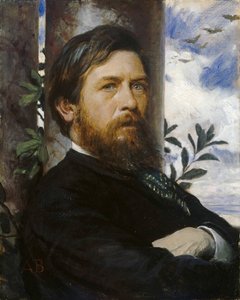
Arnold Böcklin
1827 - 1901 , Elveția
Informații rapide
- Artistic Movement Or Style: Simbolism
- Artists Or Movements Influenced By This Artist:
- Hans Thoma
- Pre-Raphaeliti
- Artists Who Influenced This Artist:
- Schirmer
- Feuerbach
- Date Of Birth: 16 oct. 1827
- Date Of Death: 16 ian. 1901
- Full Name: Arnold Böcklin
- Nationality: Swiss
- Notable Artworks:
- Insula Morții
- Nimpă și Satir
- Sappho
- Place Of Birth: Basel, Elveția
Articole conexe

Romantic Realism's Finest: 10 Masterpieces for Your Home | OriginalUniqueArt
Explore 10 defining masterpieces of Romantic Realism! Discover Courbet, Millet & Daumier's powerful paintings—capturing emotion and social realities. Find museum-quality reproductions for your home at OriginalUniqueArt.com.

The Enduring Power of Painting: A Historical & Contemporary Exploration of Form and Emotion
Explore the rich history & enduring techniques of oil painting with OriginalUniqueArt. Discover masterpieces, learn about art collecting, and find authentic handmade reproductions crafted by skilled artists.

The Enduring Legacy of Oil on Canvas: Technique, History & Aesthetic Impact
Explore the rich history & techniques of oil painting – from Renaissance masters to Impressionism. Discover pigments, layering methods, and why this timeless medium endures. Expert insights for artists & art enthusiasts.

Oil on Canvas: A Historical & Technical Exploration of a Timeless Artistic Medium
Explore the rich history & enduring techniques of oil painting on canvas. Discover the science behind its longevity, conservation practices, and contemporary relevance. Expert insights for art enthusiasts.

Moștenirea Durabilă a Picturii în Ulei: Tehnică, Istorie și Practică Contemporană
Descoperă istoria fascinantă și tehnicile esențiale ale picturii în ulei. Ghid complet pentru artiști, de la materiale până la creații contemporane. Îmbunătățește-ți abilitățile artistice!
