

 Trimite prin felicitare
 Distribuie
 Detalii despre lucrare
 Ghid
Ghid

 Descarcă imaginea
 Produse similare
 Galerie foto
 Statistici
Vénus au collier
 Bronze
- Sculpture
- Classical Modernism
 1828
1828- Modern
 176.0 x 63.0 cm
 Muzeul Fine Arts din Lyon
 Vezi mai mult
Reproducere pictată manual în ulei
Pictură în ulei pe pânză, pictată manual de artiștii noștri la dimensiunea și ramele dorite de dumneavoastră, pe comandă. ( Comută pe versiunea Print Comută pe Imagine Digitală)




































Alegeți dintre dimensiunile noastre prestabilite, care respectă proporțiile originale ale operei de artă.

Introduceți lățimea și înălțimea necesare pentru a se potrivi ramei sau peretelui dumneavoastră. Această lucrare este pictată manual, așa că, pentru o dimensiune cu o formă diferită, artistul poate picta puțin mai mult în jurul imaginii sau poate tăia puțin din margini — dumneavoastră decideți. Vă vom trimite o simulare digitală pentru aprobare înainte de a începe pictarea. Imaginea afișată pe această pagină nu reprezintă rezultatul real — doar simularea este reprezentativă.
După plasarea comenzii, echipa OriginalUniqueArt.com va contacta clientul prin e-mail pentru instrucțiuni și îi va furniza o previzualizare a machetei
Livrare în întreaga lume () în 3-4 săptămâni, în loc de cele 5 săptămâni standard. (28 Octombrie). Fără compromisuri în ceea ce privește calitatea.

Livrare expres gratuită la nivel mondial

Pânză de in de înaltă calitate

Asigurare completă pentru transport

Garanție de rambursare a taxelor vamale

Garanția fidelității culorilor

Politica de retur în 100 de zile (doar pentru defecte de fabricație)

Garanție de rambursare 100%

Ofertă pentru comenzi multiple
 Opțiunea cu sticlă este disponibilă doar pentru dimensiuni de sub 110 cm

Vénus au collier
Tehnică de reproducere
Dimensiune reproducere
-


Preț total calculat
lei 1395
The Serene Power of Maillol’s *Vénus au Collier*
Aristide Maillol's *Vénus au Collier*, sculpted between 1918 and 1928, isn’t merely a depiction of a woman; it’s an embodiment of timeless grace and a profound meditation on the relationship between form, stillness, and the subtle poetry of gesture. Emerging from the fertile ground of early 20th-century French sculpture, this work represents a pivotal moment in Maillol's artistic evolution – a deliberate retreat from the overt naturalism of his earlier years towards a refined, almost austere aesthetic that would profoundly influence generations of artists. The piece, cast around 1930, captures a woman in a state of quiet contemplation, holding a mirror to her reflection, an act imbued with both vulnerability and self-awareness. It’s a scene stripped bare of extraneous detail, focusing instead on the exquisite curve of the body, the smooth planes of the skin, and the delicate suggestion of movement within the pose. Maillol's genius lies in his ability to evoke emotion not through dramatic narrative or overt expression, but through the sheer elegance of form itself.A Sculptor’s Journey: From Painter to Master of Stone
Maillol’s artistic trajectory is a fascinating one, beginning with an initial passion for painting and a flirtation with the Symbolist movement – particularly evident in his early work alongside figures like Pierre Bonnard and Maurice Denis. However, it was through his encounter with Paul Gauguin that he began to question the limitations of representation, seeking instead a more symbolic language rooted in decorative arts and classical ideals. This shift is powerfully reflected in *Vénus au Collier*. He abandoned the vibrant colors and dynamic compositions of his earlier paintings, embracing the cool, muted tones of bronze and prioritizing the fundamental principles of sculpture: solidity, balance, and timelessness. The work demonstrates a deliberate rejection of academic conventions, favoring instead a simplified, almost geometric approach to form – a hallmark of Maillol’s mature style. The choice of bronze itself is significant; it lends an enduring quality to the piece, mirroring the artist's desire for works that transcend fleeting trends and speak across generations.Symbolism in Stillness: The Mirror and the Gesture
At first glance, *Vénus au Collier* appears remarkably serene, almost meditative. Yet, closer observation reveals a subtle complexity of gesture. The woman’s hand holding the mirror is not simply an act of vanity; it's a deliberate engagement with self-reflection – a moment of quiet introspection within a world often defined by external demands. The placement of the necklace across her shoulders adds another layer of symbolic meaning, subtly altering the figure’s posture and creating a dynamic tension between stillness and movement. Interestingly, the original necklace was later removed from the sculpture, a decision that dramatically shifted its interpretation. The removal transformed the gesture into something more abstract, emphasizing the woman's pose and the inherent beauty of her form. This act highlights Maillol’s belief that art should be about capturing essence rather than replicating surface detail.A Legacy in Bronze: Influence and Enduring Appeal
*Vénus au Collier* stands as a testament to Aristide Maillol’s profound impact on 20th-century sculpture. His work bridged the gap between Symbolism and Modernism, paving the way for artists like Henry Moore who would later explore similar themes of simplification and abstraction. The piece's enduring appeal lies in its ability to evoke a sense of quiet contemplation and timeless beauty – qualities that resonate deeply with viewers across cultures and generations. Reproductions of *Vénus au Collier* offer an accessible entry point into Maillol’s world, allowing individuals to experience the serenity and grace of this iconic sculpture within their own homes or spaces. Its elegant form and subtle symbolism make it a captivating addition to any collection, reflecting a timeless appreciation for beauty and introspection.Întrebări și răspunsuri
Ce nivel de contrast prezintă "Vénus au collier" de Aristide Maillol?
Nivelul de contrast al operei "Vénus au collier" de Aristide Maillol este Gentle.
Ce punct comun are "Vénus au collier" cu restul creației lui Aristide Maillol?
În creația lui Aristide Maillol, „Vénus au collier” se înscrie în stilul Classical Modernism, alături de temele classical forms, greek influence, feminine beauty, serenity, modern sculpture, simplification, catalan heritage, regionalism.
În ce muzeu se află originalul "Vénus au collier"?
"Vénus au collier" de Aristide Maillol este expusă la Muzeul Fine Arts din Lyon, Lyon, Franța. Mențiunea muzeului se referă la lucrarea originală, nu la reproduceri.
Biografie artist
Aristide Maillol (1861–1944) - Art UK
Aristide Joseph Bonaventure Maillol, a name synonymous with the serene power and classical beauty of early 20th-century sculpture, emerged from humble beginnings in the small fishing village of Banyuls-sur-Mer, France. Born in 1861, his artistic journey was not one of immediate recognition but rather a gradual unfolding, a deliberate refinement of vision that ultimately positioned him as a pivotal figure bridging Symbolism and the burgeoning world of modern sculpture. Initially drawn to painting, Maillol’s early studies at the École des Beaux-Arts in Paris exposed him to the prevailing academic styles, yet it was the influence of contemporaries like Pierre Puvis de Chavannes and, crucially, Paul Gauguin that truly ignited his artistic spirit. Gauguin encouraged a departure from strict realism, fostering an appreciation for decorative arts and a search for more profound, symbolic expression—a seed that would blossom in Maillol’s later work. This encouragement led him to establish a tapestry workshop in Banyuls in 1893, a period of intense technical learning and aesthetic exploration that honed his skills and laid the groundwork for his eventual mastery of form.Early Life and Artistic Beginnings
Maillol was born in Banyuls-sur-Mer, Roussillon, France—a location that would profoundly shape his artistic sensibility. From a young age, he demonstrated an innate fascination with art, particularly painting, which he pursued diligently during his formative years. His enrollment at the École des Beaux-Arts in Paris in 1885 marked a pivotal moment, immersing him in the dominant academic traditions of the time while simultaneously exposing him to groundbreaking artistic ideas championed by figures like Puvis de Chavannes and Gauguin. It was Gauguin’s insistence on moving beyond mere imitation of nature—a rejection of Rodin’s dramatic realism—that fundamentally altered Maillol’s artistic trajectory, prompting him to seek inspiration in decorative arts and a deeper engagement with symbolic representation. This quest for expressive depth fueled his initial explorations into tapestry design, where he experimented with innovative techniques and established a workshop dedicated to reviving this neglected art form.The Influence of Gauguin and Symbolism
Paul Gauguin’s unwavering belief in the transformative potential of art—his conviction that it could transcend the superficial and connect with universal truths—became an indelible influence on Maillol's artistic worldview. Gauguin’s rejection of academic conventions and his embrace of vibrant color palettes and stylized forms served as a catalyst for Maillol’s own stylistic evolution, propelling him away from traditional sculptural approaches toward a more contemplative and aesthetically driven aesthetic. This shift was particularly evident in his early paintings, which showcased a masterful blend of Impressionistic techniques with Gauguin’s distinctive expressive style—a testament to the enduring power of artistic dialogue across generations. Maillol's exploration of Symbolism wasn't merely an intellectual exercise; it represented a profound emotional response to the world around him, informing his artistic vision and shaping his subsequent sculptural endeavors.Transition to Sculpture: Rediscovering Classical Ideals
Around 1895, Maillol experienced a transformative moment—a decisive turn toward sculpture that would define his artistic legacy. Dissatisfied with the prevailing trends in modern art, particularly Rodin’s theatrical realism, he sought solace and inspiration in the timeless beauty of classical Greek and Roman sculpture. This decision wasn't driven by nostalgia for a bygone era but rather by a conviction that sculptural form could embody fundamental principles of harmony, balance, and enduring elegance—qualities absent from much contemporary art. Maillol deliberately eschewed emotionalism and dramatic gesture, focusing instead on simplifying forms and achieving monumental scale—a stylistic choice that reflected his philosophical belief in art’s capacity to communicate universal truths beyond the realm of subjective experience. He began experimenting with terracotta figures, honing his skills through meticulous observation and painstaking craftsmanship—a process that would ultimately yield masterpieces of sculptural grace and serenity.Major Achievements and Legacy
Aristide Maillol achieved lasting renown primarily for his sculptures of female nudes—figures rendered with an unparalleled sensitivity to anatomical detail and imbued with a profound sense of repose and dignity. His most celebrated works, such as *La Méditerranée* (1902-1905) and *Action enchaînée* (1905-1908), exemplify his distinctive sculptural style—characterized by monumental scale, simplified forms, and a masterful manipulation of line and contour. Maillol’s sculptures profoundly influenced subsequent generations of artists, including Henry Moore, who were inspired by his emphasis on classical ideals and his rejection of theatrical expression. He established himself as one of the foremost sculptors of his time, securing a prominent place in the history of modern art—a testament to his unwavering commitment to artistic excellence and his enduring contribution to the visual arts. His legacy continues to resonate today, reminding us of the transformative power of sculpture to capture the essence of human form and spirit—a timeless achievement that transcends stylistic boundaries and speaks directly to our deepest aesthetic sensibilities.
Aristide Maillol
1861 - 1944 , Франция
Detalii rapide
- Artistic Movement Or Style: Classical sculpture, Symbolism
- Artists Or Movements Influenced By This Artist: ['Henry Moore']
- Artists Who Influenced This Artist:
- Puvis de Chavannes
- Paul Gauguin
- Date Of Birth: 1861
- Date Of Death: 1944
- Full Name: Aristide Joseph Bonaventure Maillol
- Nationality: France
- Notable Artworks:
- La Méditerranée
- Action enchaînée
- L'Ile-de-France
- Place Of Birth (City And Country): Banyuls-sur-Mer, France
Articole similare

Top 10 Capodopere din Bronz care au Revoluționat Arta | OriginalUniqueArt.ro
Descoperiți Top 10 capodopere din bronz care au revoluționat arta! Rodin, Michelangelo și alții. Aflați istoria sculpturilor clasice și inspirație pentru decorul casei dvs. Reproduceri de artă de calitate muzeală pe OriginalUniqueArt.com

Top 10 Capodopere din Bronz care au Revoluționat Arta – Inspirație pentru Decor
Descoperă Top 10 sculpturi din bronz care au schimbat istoria artei! Explorează operele lui Rodin, Michelangelo și alți maeștri, tehnicile lor unice și inspirația pentru decorul casei tale. Replici de calitate muzeală pe OriginalUniqueArt.com.

The Enduring Legacy of Bronze Sculpture: A Collector's Guide to Form & Cultural Significance
Explore the rich history & enduring appeal of bronze sculpture with expert insights for collectors at OriginalUniqueArt. Learn about casting techniques, iconic artists, and collecting tips to build a discerning art collection.

The Enduring Legacy of Bronze: A Historical & Artistic Exploration for the Collector
Explore the rich history & enduring appeal of bronze sculpture with expert insights for collectors at OriginalUniqueArt. Learn about casting techniques, iconic artists, collecting tips & contemporary interpretations.
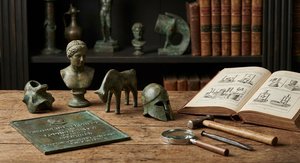
The Enduring Legacy of Bronze: History, Technique & Artistic Expression for the Collector
Explore the rich history & enduring appeal of bronze sculpture with expert insights for collectors at OriginalUniqueArt. Learn about casting techniques, iconic artists, and collecting tips.
