

 Trimite
 Distribuie
 Detalii
 Ghidul

 Descarcă
 Produse similare
 Diaporama
 Statistici
Le coureur cycliste (Young Cyclist)


 Citește mai mult
Giclée / Imprimare artistică
Printuri giclée sau pe canvas de calitate muzeală, cu proces de producție rapid și opțiuni flexibile de finisare. ( Comandă pictură realizată manual Treci la imagine digitală)




































Alegeți dintre dimensiunile noastre prestabilite, care respectă proporțiile originale ale operei de artă.

Puteți introduce propriile dimensiuni pentru a se potrivi unui anumit cadru sau spațiu. Dacă dimensiunea selectată nu corespunde proporțiilor imaginii originale, vom decupa lucrarea de artă sau vom extinde imaginea cu margini oglindite sau cu o culoare uniformă. Un mockup digital va fi trimis pentru aprobarea dumneavoastră înainte de începerea producției.
Vă rugăm să rețineți că previzualizarea de pe ecran nu reflectă decuparea sau extinderea reală. Doar mockup-ul va arăta cu exactitate compoziția finală.
Deși dimensiunile personalizate sunt disponibile, vă recomandăm să selectați o dimensiune din lista predefinită pentru a păstra proporțiile originale.
Livrare în întreaga lume () în 2 săptămâni, în loc de cele 4/5 săptămâni standard. (27 Septembrie)

Livrare expres gratuită la nivel mondial

Pânză de in premium

Asigurare completă pentru transport

Garanție de rambursare a taxelor vamale

Garanția fidelității culorilor

Politica de retur în 100 de zile (doar pentru defecte)

Garanție de rambursare 100%

Reducere pentru comenzi multiple
 Opțiunea cu sticlă este disponibilă doar pentru dimensiuni de sub 110 cm

Le coureur cycliste (Young Cyclist)
Giclée / Imprimare artistică
Dimensiune reproducere
-


Preț total
$ 80
A Moment Frozen in Bronze: The Serene Power of Maillol’s Young Cyclist
Aristide Maillol's 1907 bronze sculpture, *Le Coureur Cycliste* (Young Cyclist), isn’t merely a depiction of a sporting figure; it’s a distillation of classical ideals rendered with a uniquely modern sensibility. Commissioned by the influential art collector and diplomat Harry Graf Kessler, this work represents a pivotal moment in Maillol's artistic evolution – a deliberate departure from his established focus on female nudes and a bold exploration of the male form. The sculpture captures Gaston Colin, a Parisian jockey and bicycle racer, not as a dynamic athlete in motion, but rather as a poised, almost meditative presence, embodying a quiet strength and inherent grace.
Maillol’s approach is profoundly rooted in his philosophy: “Art does not lie in the copying of nature,” he famously stated. This principle manifests powerfully here. The figure isn't aggressively muscular or dynamically posed; instead, Maillol meticulously sculpts the musculature with a deliberate restraint, emphasizing smooth curves and subtle planes. The body is rendered with an almost unnerving calmness, suggesting a state of focused concentration rather than exertion. This careful observation of anatomy, combined with a simplification of form – a hallmark of his style – creates an image that feels both timelessly classical and strikingly contemporary.
Technique and Material: Wax Casting’s Legacy
The creation of *Le Coureur Cycliste* exemplifies Maillol's innovative approach to sculpture. The process began with a wax model, painstakingly crafted by the artist himself. This method, allowing for intricate detail and subtle adjustments, was then followed by a series of sand casts – a technique that produced five copies in total, including two versions utilizing the wax casting process and three made using sand casting. The bronze itself, chosen for its inherent durability and ability to capture fine details, contributes significantly to the sculpture’s enduring quality. The subtle variations in surface texture—the polished smoothness of the skin contrasted with the slightly rougher base—speak to the careful attention paid to both form and material.
Symbolism and Context: A Departure and a Reflection
The decision to sculpt a male figure, particularly one engaged in a traditionally masculine pursuit like cycling, was a significant departure for Maillol. It’s believed that Kessler's own fascination with the young cyclist, Gaston Colin, served as the primary inspiration. The sculpture can be interpreted as a celebration of youthful energy and physical prowess, but also as a subtle commentary on the ideals of beauty and strength within the context of early 20th-century Parisian society. Interestingly, Maillol himself expressed dissatisfaction with the final result, stating that he had “followed nature too closely,” suggesting a complex negotiation between artistic vision and faithful representation.
A Legacy of Serenity: The Sculpture’s Enduring Appeal
*Le Coureur Cycliste* remains a powerful testament to Maillol's unique artistic voice. Its quiet dignity, refined form, and masterful execution continue to resonate with viewers today. The sculpture transcends its subject matter, offering a profound meditation on the human condition – a timeless exploration of strength, grace, and the enduring allure of classical beauty. It’s a piece that invites contemplation, prompting us to consider not just the image itself, but also the artist's deliberate choices and the historical context in which it was created. Reproductions capture this essence beautifully, bringing Maillol’s serene vision into any space.
Biografie artist
Aristide Maillol (1861–1944) - Art UK
Aristide Joseph Bonaventure Maillol, a name synonymous with the serene power and classical beauty of early 20th-century sculpture, emerged from humble beginnings in the small fishing village of Banyuls-sur-Mer, France. Born in 1861, his artistic journey was not one of immediate recognition but rather a gradual unfolding, a deliberate refinement of vision that ultimately positioned him as a pivotal figure bridging Symbolism and the burgeoning world of modern sculpture. Initially drawn to painting, Maillol’s early studies at the École des Beaux-Arts in Paris exposed him to the prevailing academic styles, yet it was the influence of contemporaries like Pierre Puvis de Chavannes and, crucially, Paul Gauguin that truly ignited his artistic spirit. Gauguin encouraged a departure from strict realism, fostering an appreciation for decorative arts and a search for more profound, symbolic expression—a seed that would blossom in Maillol’s later work. This encouragement led him to establish a tapestry workshop in Banyuls in 1893, a period of intense technical learning and aesthetic exploration that honed his skills and laid the groundwork for his eventual mastery of form.Early Life and Artistic Beginnings
Maillol was born in Banyuls-sur-Mer, Roussillon, France—a location that would profoundly shape his artistic sensibility. From a young age, he demonstrated an innate fascination with art, particularly painting, which he pursued diligently during his formative years. His enrollment at the École des Beaux-Arts in Paris in 1885 marked a pivotal moment, immersing him in the dominant academic traditions of the time while simultaneously exposing him to groundbreaking artistic ideas championed by figures like Puvis de Chavannes and Gauguin. It was Gauguin’s insistence on moving beyond mere imitation of nature—a rejection of Rodin’s dramatic realism—that fundamentally altered Maillol’s artistic trajectory, prompting him to seek inspiration in decorative arts and a deeper engagement with symbolic representation. This quest for expressive depth fueled his initial explorations into tapestry design, where he experimented with innovative techniques and established a workshop dedicated to reviving this neglected art form.The Influence of Gauguin and Symbolism
Paul Gauguin’s unwavering belief in the transformative potential of art—his conviction that it could transcend the superficial and connect with universal truths—became an indelible influence on Maillol's artistic worldview. Gauguin’s rejection of academic conventions and his embrace of vibrant color palettes and stylized forms served as a catalyst for Maillol’s own stylistic evolution, propelling him away from traditional sculptural approaches toward a more contemplative and aesthetically driven aesthetic. This shift was particularly evident in his early paintings, which showcased a masterful blend of Impressionistic techniques with Gauguin’s distinctive expressive style—a testament to the enduring power of artistic dialogue across generations. Maillol's exploration of Symbolism wasn't merely an intellectual exercise; it represented a profound emotional response to the world around him, informing his artistic vision and shaping his subsequent sculptural endeavors.Transition to Sculpture: Rediscovering Classical Ideals
Around 1895, Maillol experienced a transformative moment—a decisive turn toward sculpture that would define his artistic legacy. Dissatisfied with the prevailing trends in modern art, particularly Rodin’s theatrical realism, he sought solace and inspiration in the timeless beauty of classical Greek and Roman sculpture. This decision wasn't driven by nostalgia for a bygone era but rather by a conviction that sculptural form could embody fundamental principles of harmony, balance, and enduring elegance—qualities absent from much contemporary art. Maillol deliberately eschewed emotionalism and dramatic gesture, focusing instead on simplifying forms and achieving monumental scale—a stylistic choice that reflected his philosophical belief in art’s capacity to communicate universal truths beyond the realm of subjective experience. He began experimenting with terracotta figures, honing his skills through meticulous observation and painstaking craftsmanship—a process that would ultimately yield masterpieces of sculptural grace and serenity.Major Achievements and Legacy
Aristide Maillol achieved lasting renown primarily for his sculptures of female nudes—figures rendered with an unparalleled sensitivity to anatomical detail and imbued with a profound sense of repose and dignity. His most celebrated works, such as *La Méditerranée* (1902-1905) and *Action enchaînée* (1905-1908), exemplify his distinctive sculptural style—characterized by monumental scale, simplified forms, and a masterful manipulation of line and contour. Maillol’s sculptures profoundly influenced subsequent generations of artists, including Henry Moore, who were inspired by his emphasis on classical ideals and his rejection of theatrical expression. He established himself as one of the foremost sculptors of his time, securing a prominent place in the history of modern art—a testament to his unwavering commitment to artistic excellence and his enduring contribution to the visual arts. His legacy continues to resonate today, reminding us of the transformative power of sculpture to capture the essence of human form and spirit—a timeless achievement that transcends stylistic boundaries and speaks directly to our deepest aesthetic sensibilities.
Aristide Maillol
1861 - 1944 , Франция
Informații rapide
- Artistic Movement Or Style: Classical sculpture, Symbolism
- Artists Or Movements Influenced By This Artist: ['Henry Moore']
- Artists Who Influenced This Artist:
- Puvis de Chavannes
- Paul Gauguin
- Date Of Birth: 1861
- Date Of Death: 1944
- Full Name: Aristide Joseph Bonaventure Maillol
- Nationality: France
- Notable Artworks:
- La Méditerranée
- Action enchaînée
- L'Ile-de-France
- Place Of Birth (City And Country): Banyuls-sur-Mer, France
Articole conexe

The Enduring Legacy of Bronze: A Historical & Artistic Exploration for the Collector
Explore the rich history & enduring appeal of bronze sculpture with expert insights for collectors at OriginalUniqueArt. Learn about casting techniques, iconic artists, collecting tips & contemporary interpretations.

The Enduring Legacy of Bronze: History, Technique & Artistic Expression for the Collector
Explore the rich history & enduring appeal of bronze sculpture with expert insights for collectors at OriginalUniqueArt. Learn about casting techniques, iconic artists, and collecting tips.

Top 10 Capodopere din Bronz care au Revoluționat Arta | OriginalUniqueArt.ro
Descoperiți Top 10 capodopere din bronz care au revoluționat arta! Rodin, Michelangelo și alții. Aflați istoria sculpturilor clasice și inspirație pentru decorul casei dvs. Reproduceri de artă de calitate muzeală pe OriginalUniqueArt.com

Top 10 Capodopere din Bronz care au Revoluționat Arta – Inspirație pentru Decor
Descoperă Top 10 sculpturi din bronz care au schimbat istoria artei! Explorează operele lui Rodin, Michelangelo și alți maeștri, tehnicile lor unice și inspirația pentru decorul casei tale. Replici de calitate muzeală pe OriginalUniqueArt.com.
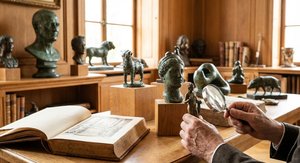
The Enduring Legacy of Bronze Sculpture: A Collector's Guide to Form & Cultural Significance
Explore the rich history & enduring appeal of bronze sculpture with expert insights for collectors at OriginalUniqueArt. Learn about casting techniques, iconic artists, and collecting tips to build a discerning art collection.
