

 Previzualizare
 Trimite prin felicitare
 Distribuie
 Detalii despre lucrare
 Ghid
Ghid

 Descarcă imaginea
 Produse similare
 Radiografie
 Galerie foto
 Statistici
Untitled
 Oil On Canvas
- WallArt
- Expressionism
 1923
1923 27.0 x 21.0 cm
 Centro de Arte Moderna Gulbenkian
 Vezi mai mult
Giclée / Imprimare artistică
Printuri giclée sau pe canvas de calitate muzeală, cu proces de producție rapid și opțiuni flexibile de finisare. ( Comandă pictură realizată manual Comută pe Imagine Digitală)




P118B lei10

P118H lei10

P118W lei10

P438Z lei10

P508JH lei12

P508YH lei12

P805H lei10

P805Z lei10

P919BZ lei10

P919G lei10

P919XJ lei10

P959ZH lei10

P968JZ lei12

W106C lei8

W218G lei10

W218JH lei8

W218Y lei10

W307PJ lei10

W316G lei10

W316PJ lei8

W316Y lei10

W398PJ lei8

W4111J lei10

W500HY lei15

W500JH lei15

W692G lei12

W849H lei8

W940BG lei15

W953PJ lei8




Alegeți dintre dimensiunile noastre prestabilite, care respectă proporțiile originale ale operei de artă.

Introduceți lățimea și înălțimea necesare pentru a se potrivi ramei sau peretelui dumneavoastră. O printare poate fi doar tăiată, niciodată extinsă dincolo de dimensiunea imaginii originale, astfel încât o dimensiune cu o formă diferită va pierde o parte din imagine. Vă trimitem o simulare digitală pentru aprobare înainte de a imprima orice. Imaginea afișată pe această pagină nu prezintă tăierea reală — doar simularea arată acest lucru.
Livrare în întreaga lume () în 2 săptămâni, în loc de cele 4/5 săptămâni standard. (27 Octombrie)

Livrare expres gratuită la nivel mondial

Pânză de in de înaltă calitate

Asigurare completă pentru transport

Garanție de rambursare a taxelor vamale

Garanția fidelității culorilor

Politica de retur în 100 de zile (doar pentru defecte de fabricație)

Garanție de rambursare 100%

Ofertă pentru comenzi multiple
 Opțiunea cu sticlă este disponibilă doar pentru dimensiuni de sub 110 cm

Untitled
Giclée / Imprimare artistică
Dimensiune reproducere
-


Preț total calculat
lei 370
A Study in Leisure and Shadow: Exploring António Teixeira Carneiro Júnior's Vision
To gaze upon this painting is to step into a moment suspended in time—a tableau of quiet contemplation amidst the rich textures of early 20th-century life. The central figure, seated with an air of studied nonchalance, commands the viewer's attention. His posture, legs crossed over the chair, suggests a man at ease, yet there is an underlying intensity captured by the artist’s hand. The cigar, held casually between his lips, acts as both a prop and a punctuation mark in this silent narrative, hinting at untold stories whispered on the smoke-filled air.
António Teixeira Carneiro Júnior, a master of Portuguese Expressionism, imbues this scene with a palpable psychological depth. His work transcends mere portraiture; it becomes an exploration of character etched against the backdrop of everyday existence. The inclusion of the second chair and the watchful cat in the lower corner adds layers to the composition, suggesting a domestic intimacy or perhaps a momentary pause during a larger social gathering.
Technique and Atmosphere: The Painterly Touch
The execution speaks to Carneiro’s mastery of capturing mood. While the subject matter is grounded in realism—the man, the chairs, the feline companion—the overall atmosphere leans toward the evocative rather than the purely documentary. One can almost feel the weight of the cigar smoke and hear the low murmur of conversation that might have preceded this stillness. The artist utilizes a palette that speaks to the muted tones of an afternoon spent in repose, allowing the focus to remain intensely on the man’s bearing and the interplay of light across his form.
For those considering bringing this piece into your own space, understanding the technique is key. Reproductions capture the rich materiality of oil paint, allowing you to replicate the subtle gradations of shadow and highlight that define Carneiro's expressive style. It offers a sophisticated anchor for any room, whether it be a masculine study or a richly decorated lounge.
Historical Echoes: Portugal in the Early 1920s
Dating to 1923, this artwork emerges from a period of significant cultural ferment in Portugal. Carneiro’s career was marked by profound personal experiences that fueled his artistic output, leading him to become a pivotal voice within Portuguese Expressionism. This painting, therefore, is not just about one man on a chair; it is a reflection of an era grappling with identity, leisure, and the weight of lived experience. The casual elegance mixed with underlying tension speaks volumes about the cultural currents flowing through Lisbon during those years.
The piece invites us to look beyond the surface glamour—the hat, the cigar—and consider the enduring human condition: the need for a moment of quiet self-possession.
Symbolism and Emotional Resonance
The symbolism here is wonderfully understated. The cat often represents independence or mystery, observing the scene from its corner perch. The man himself embodies a kind of sophisticated melancholy; he is present, yet seems lost in thought. This duality—the outward display of relaxation versus the inward depth suggested by his gaze—is what gives the painting its enduring emotional pull. It resonates with anyone who has ever needed to sit quietly and simply *be*.
Acquiring a reproduction of this work is acquiring more than just decoration; it is curating an atmosphere steeped in artistic contemplation, inviting moments of pause and reflection into your daily life.
Întrebări și răspunsuri
Când a fost creată „Untitled” și la ce curent artistic aparține?
„Untitled” a fost creat în 1923, fiind o operă a mișcării Expressionism. Data și stilul ancorează lucrarea în istoria artei.
Care sunt culorile dominante în "Untitled" de António Carneiro?
"Untitled" de António Carneiro utilizează o paletă de culori Neutrals, având culoarea Putty (#ebe0d0) ca nuanță dominantă.
Din ce curent artistic face parte "Untitled" de António Carneiro?
Mișcarea asociată cu "Untitled" de António Carneiro este Expressionism. Această clasificare plasează lucrarea printre artiști și opere de artă conexe.
Biografie artist
A Life Forged in Shadow and Light: The World of António Teixeira Carneiro Júnior
António Teixeira Carneiro Júnior, a pivotal figure in Portuguese Expressionism, was an artist whose life story is as compelling and emotionally resonant as the canvases he imbued with psychological depth. Born in Amarante, Portugal, in 1872, his early years were marked by profound loss and abandonment. The absence of his father and the untimely death of his mother led to a childhood spent within the walls of the Santa Casa da Misericórdia orphanage in Porto. This formative experience, while undoubtedly difficult, proved unexpectedly crucial; it was there that Carneiro received his initial artistic training, nurturing a nascent talent for drawing through copying religious illustrations. The institution provided not merely shelter but also a spark—an early recognition of an ability that would define his life’s path. It was this foundation that ultimately led him to the Escola Superior de Belas-Artes do Porto in 1884, where he studied under João Marques de Oliveira, beginning a formal artistic education that would soon blossom into something uniquely his own.Parisian Influences and the Birth of an Expressionist Vision
The trajectory of Carneiro’s artistry took a significant turn with his sojourn to Paris. Enrolling at the Académie Julien in 1897, he immersed himself in the artistic currents of the French capital, studying under luminaries like Jean-Paul Laurens and Jean-Joseph Benjamin-Constant. This period proved transformative, exposing him to new techniques and aesthetic philosophies that would profoundly influence his style. However, Carneiro didn’t simply absorb these influences; he synthesized them with a distinctly Portuguese sensibility, forging an artistic voice that was both modern and deeply rooted in his own cultural heritage. It was during this time that he began to move away from the prevailing naturalism of the era, gravitating towards Symbolist ideas and exploring themes of spirituality, melancholy, and introspection. He experimented with darker palettes, looser brushstrokes, and a heightened sense of emotional intensity—elements that would become hallmarks of his later work. This culminated in his groundbreaking triptych “A Vida” (Life), completed around 1900, which earned him a Silver Medal at the Exposition Universelle in Paris—a pivotal moment that signaled the beginning of widespread recognition for his unique artistic vision. The work itself is a testament to his burgeoning expressionist style, capturing not merely outward appearances but the inner emotional landscape of existence.A Master of Psychological Portraiture and Landscape
Carneiro’s oeuvre is characterized by an intense focus on psychological depth, particularly evident in his portraits. He wasn't interested in mere physical likeness; rather, he sought to capture the essence of his subjects—their inner turmoil, their hopes, their fears. His figures often possess a haunting quality, their eyes gazing out with an unsettling intensity that draws the viewer into their emotional world. This ability to convey profound psychological states extended beyond portraiture and permeated his landscapes as well. He didn’t simply depict scenes; he imbued them with mood and atmosphere, transforming natural settings into reflections of the human condition. His landscapes are often stark and dramatic, reflecting a sense of isolation and existential questioning. Throughout his career, Carneiro also engaged in illustration, producing evocative drawings for Dante's *Inferno* that showcase his mastery of line and shadow. He was a prolific artist, constantly experimenting with different techniques and styles, yet always remaining true to his core artistic principles. The influence of Symbolism is clearly visible in the use of color, light, and symbolism within his works, creating an atmosphere of mystery and introspection.Rediscovering Carneiro: Museums and Continued Appreciation
Today, António Teixeira Carneiro Júnior's works can be found in prominent collections across Portugal, including the Centro de Arte Moderna Gulbenkian in Lisbon and the Museu da Fundação Dionísio Pinheiro e Alice Cardoso Pinheiro in Águeda. These institutions provide opportunities for audiences to engage with his art firsthand, appreciating the nuances of his technique and the depth of his emotional expression. The Museu da Fundação Dionísio Pinheiro e Alice Cardoso Pinheiro, in particular, holds a significant collection of Carneiro’s work, offering valuable insights into his artistic development. His paintings continue to be exhibited internationally, ensuring that his legacy endures for future generations. His works are often characterized by a muted color palette dominated by blues, greys, and browns, reflecting the melancholic themes prevalent in his art. The Museu Nacional Soares dos Reis houses an extensive collection of his drawings and paintings, providing a comprehensive overview of his artistic journey.Legacy and Influence: A Professor and Cultural Force
Beyond his accomplishments as a painter and illustrator, António Carneiro left an enduring legacy as an educator and cultural figure. In 1918, he was appointed Chair of the drawing department at the Escola de Belas-Artes do Porto, where he profoundly influenced generations of aspiring artists. He wasn’t merely a technical instructor; he encouraged his students to explore their own artistic voices, to challenge conventions, and to embrace experimentation. His teachings fostered a spirit of innovation that helped shape the course of Portuguese art in the 20th century. Furthermore, Carneiro was deeply involved in Portugal's literary and cultural scene, contributing to influential magazines like *Atlantida* and *Renascença Portuguesa*. He actively participated in intellectual debates and played a key role in shaping the artistic discourse of his time. His multifaceted contributions—as an artist, educator, and cultural commentator—cemented his position as one of Portugal’s most important modern masters. He remains a figure whose work continues to resonate with audiences today, offering a powerful glimpse into the complexities of the human soul.
António Carneiro
1872 - 1930 , Portugalia
Detalii rapide
- Artistic Movement Or Style: Expresionism
- Artists Or Movements Influenced By This Artist: ['Expresionism Portugues']
- Artists Who Influenced This Artist:
- João Marques de Oliveira
- Jean-Paul Laurens
- Benjamin-Constant
- Date Of Birth: 1872
- Date Of Death: 1930
- Full Name: António Teixeira Carneiro Júnior
- Nationality: Portugalia
- Notable Artworks:
- A Vida
- Dionísio Pinheiro
- Untitled
- Place Of Birth: Amarante, Portugalia
Articole similare

Impressionistic Realism's Finest: 10 Masterpieces for Your Home | OriginalUniqueArt
Journey through Impressionistic Realism with 10 iconic masterpieces by Monet, Renoir & Van Gogh. Explore art history, techniques & find museum-quality reproductions for your home at OriginalUniqueArt.com. Discover all masterpieces online!
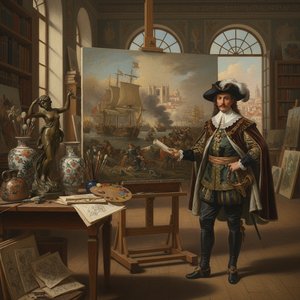
Alfredo Roque Gameiro: A Portuguese Master of Historical Painting & Artistic Eclecticism
Discover Alfredo Roque Gameiro (1864-1935), a renowned Portuguese painter celebrated for his vibrant watercolors and historical illustrations. Explore his legacy & artworks at OriginalUniqueArt.
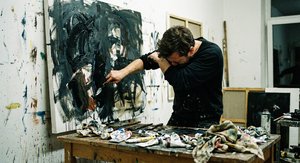
The Raw Emotion of Expressionism: A Deep Dive into its History, Characteristics & Enduring Influence
Explore the raw emotion of Expressionism with OriginalUniqueArt. Discover its history, key artists like Kirchner & Munch, and lasting influence on modern art. Expert insights for collectors & enthusiasts.
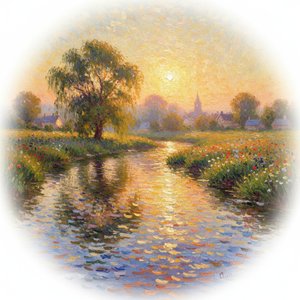
Capturing Light: A Masterclass in the Ethereal Beauty of Impressionistic Landscapes
Explore the ethereal beauty of Impressionist landscapes. Discover how masters like Monet captured fleeting light through color and texture, and learn to curate these timeless, luminous masterpieces for your home collection.

Top 10 Capodopere Impresioniste: Peisaje care au Schimbat Arta | OriginalUniqueArt.ro
Descoperă top 10 capodopere impresioniste care au revoluționat arta! Monet, Manet, Renoir și alți maeștri ai peisajului. Reproduceri de tablouri canvas de calitate muzeală pentru un decor inspirat. Explorează colecția completă pe OriginalUniqueArt.com!


