
 Previzualizare
 Trimite
 Distribuie
 Detalii despre lucrare

 Descarcă
 Produse similare
 Radiografie
 Diapozitive automate
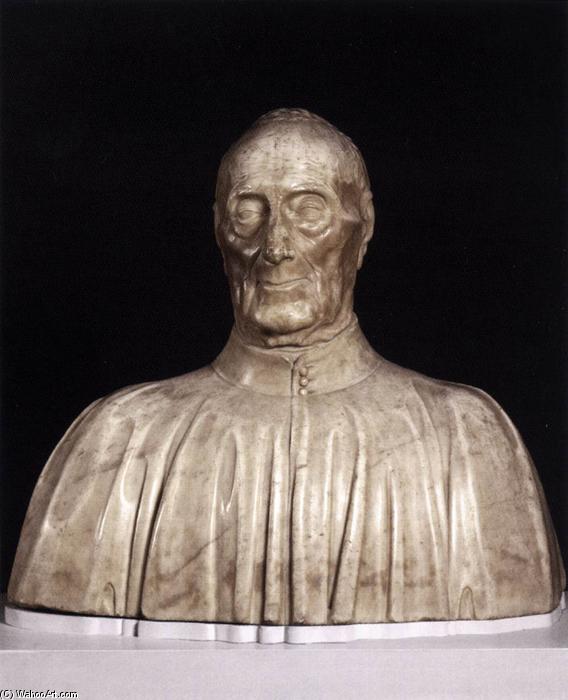
Giovanni Chellini


 Vezi mai mult
Reproducere pictată manual în ulei
Pictură în ulei pe pânză, realizată manual de artiștii noștri la dimensiunea și ramele dorite de dumneavoastră, pe comandă. ( Comandă printul Cumpără imaginea)




P118B $10

P118H $10

P118W $10

P438Z $10

P508JH $12

P508YH $12

P805H $10

P805Z $10

P919BZ $10

P919G $10

P919XJ $10

P959ZH $10

P968JZ $12

W106C $8

W218G $10

W218JH $8

W218Y $10

W307PJ $10

W316G $10

W316PJ $8

W316Y $10

W398PJ $8

W4111J $10

W500HY $15

W500JH $15

W692G $12

W849H $8

W940BG $15

W953PJ $8




Alegeți dintre dimensiunile noastre prestabilite, care respectă proporțiile originale ale operei de artă.

Puteți introduce propriile dimensiuni pentru a se potrivi unui anumit cadru sau spațiu. Dacă dimensiunea selectată nu corespunde proporțiilor imaginii originale, vom decupa opera de artă sau vom extinde pictura cu elemente suplimentare pictate manual. O simulare digitală vă va fi trimisă pentru aprobare înainte de începerea producției.
Vă rugăm să rețineți că previzualizarea de pe ecran nu reflectă decuparea sau extinderea reală. Doar macheta va arăta cu exactitate compoziția finală.
Deși sunt disponibile dimensiuni personalizate, vă recomandăm să selectați o dimensiune din lista predefinită pentru a păstra proporțiile originale.
După plasarea comenzii, echipa OriginalUniqueArt.com va contacta clientul prin e-mail pentru instrucțiuni și îi va furniza o previzualizare a machetei
Livrare în întreaga lume () în 3-4 săptămâni, în loc de cele 5 săptămâni standard. (20 August). Fără compromisuri în ceea ce privește calitatea.

Livrare expres gratuită la nivel mondial

Pânză de in de înaltă calitate

Asigurare completă pentru transport

Garanție de rambursare a taxelor vamale

Garanția fidelității culorilor

Politica de retur în 60 de zile (doar pentru defecte)

Garanție de rambursare 100%

Ofertă pentru comenzi multiple
 Opțiunea cu sticlă este disponibilă doar pentru dimensiuni de sub 110 cm

Giovanni Chellini
Tehnică de reproducere
Dimensiune reproducere
-


Preț total calculat
$ 300
Descriere operă de artă
The Silent Wisdom of Giovanni Chellini
Antonio Rossellino’s “Giovanni Chellini,” crafted in exquisitely carved marble around 1456, is more than just a portrait; it's a profound meditation on the human condition, rendered with an almost unsettling intimacy. Housed within the Victoria and Albert Museum in London, this bust transcends its material form to offer a glimpse into the soul of a man – Giovanni di Antonio Chellini da San Miniato, a physician and respected figure of Florence’s burgeoning humanist circles. The piece immediately commands attention not through overt grandeur, but through the quiet intensity of its gaze and the subtle play of light and shadow across its weathered features.
Rossellino, a pivotal figure in the Florentine Renaissance, was deeply influenced by his brother Bernardo, a master architect whose innovative designs pushed the boundaries of Gothic and early Renaissance styles. However, Antonio forged his own distinct path, demonstrating an unparalleled ability to capture not just likeness but also character – a skill that’s particularly evident in this remarkable portrait. The bust isn't merely a representation; it feels like a captured moment, a silent conversation between artist and subject. The meticulous detail—the furrowed brow suggesting thoughtful contemplation, the slightly parted lips hinting at a measured speech, the delicate lines etched around the eyes – all contribute to an overwhelming sense of realism that belies the period’s artistic conventions.
A Renaissance Portrait in the Shadow of Early Netherlandish Influence
The stylistic lineage of “Giovanni Chellini” is fascinating. While firmly rooted in the Florentine tradition, Rossellino demonstrates a clear debt to the pioneering techniques of Antonello da Messina, an Italian painter who had spent formative years in Sicily and was deeply influenced by the innovations of Early Netherlandish masters like Jan van Eyck. This influence manifests most strikingly in the bust’s incredibly detailed rendering of textures – the subtle sheen of the marble mimicking skin, the delicate folds of a draped garment (though absent here, the suggestion is present), and the meticulous depiction of individual hairs. The use of light and shadow, expertly sculpted to create depth and volume, echoes the dramatic chiaroscuro favored by artists like van Eyck, adding an almost three-dimensional quality to the portrait.
The decision to base the bust on a life mask – a technique gaining popularity during this period – speaks volumes about Rossellino’s artistic philosophy. Rather than simply sketching from observation, he sought to capture the very essence of Chellini's being, preserving not just his physical appearance but also the subtle nuances of his personality and demeanor. The slight press of the ears against the head, a deliberate detail often incorporated in life-mask studies, further emphasizes this commitment to capturing an authentic representation.
Symbolism and the Humanist Ideal
Beyond its technical brilliance, “Giovanni Chellini” is imbued with symbolic meaning reflective of the humanist ideals that defined Renaissance Florence. The bust embodies a celebration of human intellect, wisdom, and virtue – qualities highly valued during this era. The thoughtful expression suggests a man engaged in intellectual pursuits, reflecting the growing emphasis on education, philosophy, and the study of classical antiquity. The portrait’s dignified composure speaks to the humanist belief in the inherent worth and potential of humankind.
Furthermore, the bust's creation within the context of Giovanni Chellini’s profession – a physician renowned for his knowledge and care – adds another layer of significance. The image suggests a connection between intellectual pursuits and practical service to humanity, aligning with the humanist emphasis on civic virtue and social responsibility. The very act of commissioning such a portrait was an affirmation of Chellini's status and achievements within Florentine society.
A Timeless Masterpiece for Reflection and Decoration
“Giovanni Chellini” remains a powerfully evocative work, offering a rare glimpse into the soul of a Renaissance man. Reproductions capture much of the original’s impact, providing an accessible way to appreciate Rossellino's extraordinary skill and the profound insights embedded within this remarkable portrait. Whether displayed in a private study or a grand gallery, this bust invites contemplation, prompting viewers to consider the enduring questions of human existence – wisdom, mortality, and the pursuit of knowledge. Its quiet dignity and timeless beauty make it an ideal addition to any collection that values both artistic excellence and intellectual depth.
Biografie artist
The Sculptor of Florentine Humanism
Antonio Gamberelli, known to history by the evocative moniker Antonio Rossellino—a name inspired by the distinctive color of his hair—stands as a luminous figure within the pantheon of the Italian Renaissance. Born in the quiet, artistic enclave of Settignano near Florence around 1427, he emerged not merely as a craftsman, but as a sculptor capable of breathing life into cold marble and malleable terracotta. His journey was inextricably linked to the intellectual and aesthetic currents of Florence, a city then undergoing a profound transformation driven by humanist ideals. Through his hands, the rigid forms of the medieval past dissolved, replaced by a new language of anatomical precision, emotional vulnerability, and a deep reverence for the natural world.
The foundations of Rossellino’s mastery were laid under the watchful eye of his elder brother, Bernardo Rossellino. A titan of architectural innovation, Bernardo provided Antonio with an unparalleled apprenticeship, introducing him to the complexities of large-scale monumental works and the delicate art of polychrome marble inlay. This early exposure to the structural demands of architecture and the decorative richness of the Cappella dei Medici style instilled in Antonio a meticulous attention to detail. He learned that a sculpture was not merely an object to be viewed, but a presence to inhabit a space, a lesson that would later define his ability to command both grand ecclesiastical commissions and intimate devotional reliefs.
A Mastery of Form and Emotion
As his career flourished, Rossellino developed a signature style characterized by a breathtaking balance between classical grace and poignant realism. His work often sought to capture the fleeting nuances of human expression, a feat achieved through subtle gestures and a profound understanding of light and shadow. In his marble works, such as the Young Saint John the Baptist, one observes a remarkable anatomical accuracy that reflects the burgeoning scientific curiosity of the Renaissance. Yet, beneath this technical perfection lies a soulful tenderness, an ability to evoke empathy in the viewer through the soft curve of a limb or the gentle tilt of a head.
This emotional depth reached new heights in his use of terracotta, a medium that allowed for even greater fluidity and immediacy. His relief, Virgin and the Shivering Child, serves as a poignant testament to this mastery. In this work, the warmth of the clay facilitates a sense of intimacy and vulnerability, showcasing the delicate beauty of the Madonna and the raw, human reality of the infant. Such pieces demonstrate how Rossellino could navigate the spectrum of Renaissance art, moving seamlessly from the monumental narrative power required for pulpit decorations to the quiet, contemplative intensity of private devotional objects.
Legacy and Historical Significance
The significance of Antonio Rossellino extends far beyond his individual masterpieces; he was a vital participant in the collective artistic evolution of 15th-century Florence. His collaborations, most notably with Mino da Fiesole on the ambitious sculptural programs for Prato’s pulpit, highlight his role within a vibrant community of artists working toward a shared vision of beauty and truth. His contributions to the Chapel of Cardinal Portugal at San Miniato al Monte further cement his reputation as a sculptor capable of handling complex theological narratives through sophisticated relief work.
Ultimately, Rossellino’s legacy is found in the enduring resonance of his subjects. He captured the essence of the human condition during one of history's most transformative eras, bridging the gap between the divine and the earthly. His ability to infuse stone and clay with a sense of living breath ensured that his work would remain a cornerstone of Florentine art, inspiring generations of sculptors to pursue the same harmonious union of technical brilliance and profound human emotion.

Antonio Rossellino
1427 - 1479 , Italy
Detalii rapide
- Artistic Movement Or Style: Renaissance Sculpture
- Artists Or Movements Influenced By This Artist: ['Renaissance']
- Artists Who Influenced This Artist: ['Bernardo Rossellino']
- Date Of Birth: Settignano, Italy (1427)
- Date Of Death: Naples (1479)
- Full Name: Antonio Rossellino
- Nationality: Italian
- Notable Artworks:
- Young Saint John the Baptist
- Virgin and the Shivering Child
- Mary with child (Fragment)
- Place Of Birth: Settignano
Articole similare
Timeless Elegance: A Complete Guide to the Sublime Beauty and Artistry of Marble Sculpture
Discover the sublime beauty of marble art through an expert exploration of Renaissance and Neoclassical masterpieces. From the delicate textures of Carpeaux to the grandeur of Sansovino, immerse yourself in a guide to timeless elegance and sculptural perfection.
The Eternal Beauty of Marble: A Guide to Sculpting Light, Stone, and the Soul of Art History
Explore the sublime artistry of marble sculpture. From Greek antiquity to the masters of light, discover how stone captures the eternal essence of human beauty and emotion through expert craftsmanship and historical mastery.

The Enduring Allure of Marble in Art History: From Classical Sculpture to Modern Abstraction
Explore the captivating history of marble sculpture from ancient Greece to modern art. Discover renowned artists like Canova & Michelangelo, carving techniques, and investment insights at OriginalUniqueArt.

The Enduring Legacy of Formal Portraiture: Power, Identity & Artistic Exploration
Explore the rich history of formal portraiture & its enduring power to capture identity and shape perception. Discover investment-worthy artworks, expert appraisals, and custom reproduction services at OriginalUniqueArt.

Giovanni Boldini: A Study in Belle Époque Portraiture & the Cult of Personality
Explore the captivating world of Giovanni Boldini, master of Belle Époque portraiture. Discover his signature style, iconic works like 'Miss Bell,' and lasting influence on art history. Expert analysis for collectors.

