Neoclassical · 1760
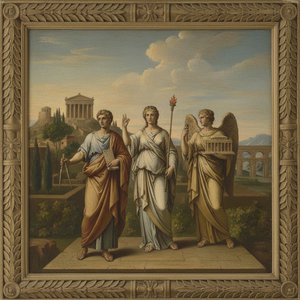
Parnassus (study) (Anton Raphael Mengs, 1760)
Anton Raphael Mengs (1728–1779) a realizat Parnassus (study). Data sa este din 1760. Face parte din mișcarea Neoclassical. Este realizată în Acrylic On Canvas. Este păstrat la Muzeul Ermitaj în Sankt Petersburg, Rusia.
- 1760
- Acrylic On Canvas
- Muzeul Ermitaj, Sankt Petersburg

 Previzualizare

 Tablou în ulei pictat manual
 Trimite prin felicitare
 Distribuie
 Fișă informativă


 Descarcă imaginea
 Produse similare
 Radiografie
 Galerie foto
 Întrebări și răspunsuri

 Statistici
Parnassus (study), pe scurt
- Titlu
- Parnassus (study)
- Artist
- Anton Raphael Mengs (1728–1779)
- Artist născut în
- Ústí nad Labem, Cehia
- Date
- 1760
- Medium
- Acrylic On Canvas
- Unde poate fi vizualizată
- Muzeul Ermitaj, Sankt Petersburg, Rusia
- Mișcare
- Neoclassical
- Subiect
- mythology, apollo, muses, parnassus, study, figures
Ce reprezintă Parnassus (study)?
A Glimpse of Enlightenment: Anton Raphael Mengs’ “Parnassus (Study)”
Anton Raphael Mengs' "Parnassus (Study)," painted in 1760, isn’t merely a depiction of a classical scene; it’s a carefully constructed meditation on knowledge, aspiration, and the burgeoning spirit of Neoclassicism. This intimate study, far removed from the grand scale of his later frescoes, offers an unparalleled intimacy with Mengs' artistic process – a rare opportunity to witness the genesis of a masterpiece. The painting captures a gathering around a statue of Apollo, the mythical patron of the arts and sciences, surrounded by figures engaged in various intellectual pursuits. It’s a tableau vivant, brimming with quiet contemplation and subtle gestures that speak volumes about the era’s fascination with reviving classical ideals.
The Neoclassical Composition: Harmony and Restraint
Mengs' style here is distinctly Neoclassical, reflecting the artistic currents of 18th-century Europe. He meticulously adheres to the principles established by artists like Raphael and Michelangelo – a commitment to clarity, balance, and idealized forms. The composition is remarkably ordered; figures are arranged with deliberate precision, creating a sense of harmonious equilibrium. Note the careful use of light and shadow, which sculpts the forms and directs the viewer’s eye across the scene. The muted palette—dominated by earthy tones of ochre, brown, and grey—further enhances the painting's sense of restraint and intellectual seriousness. The background is deliberately vague, emphasizing the figures themselves and drawing attention to their interactions.
- Apollo’s Centrality: The statue of Apollo serves as the undeniable focal point, radiating an aura of authority and wisdom.
- The Muses' Presence: Flanking Apollo are the nine Muses, each embodying a different artistic discipline – poetry, music, dance, etc. Their graceful poses and attentive gazes suggest their role as guides and inspiration for the assembled scholars.
- Diverse Figures: The gathering includes philosophers, poets, musicians, and artists, representing the breadth of intellectual pursuits valued during this period.
Symbolism Woven into Detail: Bananas and Beyond
Beyond the obvious references to classical mythology and philosophy, “Parnassus (Study)” is rich in subtle symbolism. The inclusion of two bananas – a rather unexpected detail – has sparked considerable debate among art historians. Some interpret them as representing the fruits of knowledge, while others see them as a playful nod to contemporary trends or even a commentary on the fleeting nature of beauty and pleasure. The bowl on the table, filled with fruit, reinforces this theme of abundance and nourishment for the mind. The careful placement of each object contributes to the painting’s layered meaning, inviting viewers to engage in a deeper interpretation.
A Window into Mengs' Process: Intimacy and Reflection
What truly distinguishes “Parnassus (Study)” is its intimate scale and evident preparatory nature. It’s not a finished masterpiece but rather a study, a glimpse into Mengs’ creative process. The brushstrokes are visible, revealing the artist's hand at work – a testament to his dedication and meticulous attention to detail. The painting exudes a sense of quiet reflection, suggesting that Mengs was not simply documenting a scene but grappling with fundamental questions about art, knowledge, and the role of the individual within society. It’s a poignant reminder that even in grand artistic endeavors, the most profound insights often emerge from moments of focused contemplation.
Reproductions of “Parnassus (Study)” offer a remarkable opportunity to bring this captivating artwork into your home or office. Each carefully crafted reproduction captures the painting's nuanced details and evocative atmosphere, allowing you to appreciate Mengs’ genius for generations to come.
În ce muzeu se află Parnassus (study)?
Muzeul Ermitaj
Sankt Petersburg, Rusia
Origini și Istoria Muzeului Ermitaj Povestea Muzeului Ermitaj începe în anul 1764, odată cu achiziția unei colecții de 225 de picturi de la negustorul din Berlin, Johann Ernst Gotzkowsky. Impulsionată de această achiziție, Ecaterina cea Mare a pus piatra de temelie a unei colecții care avea să definească prezența muzeului în Sankt Petersburg, Rusia. Aceste primele achiziții au format nucleul celui care avea să devină un vast depozit de artă europeană occidentală.


Imagini la înaltă rezoluție ale lui Parnassus (study)

Domeniu public: artistul a decedat în 1779.
Alte dimensiuni, cadrări și citări →Anton Raphael Mengs, Parnassus (study) (1760), Muzeul Ermitaj. Domeniu public
Întrebări despre Parnassus (study), răspunsuri
Unde pot vedea originalul "Parnassus (study)" de Anton Raphael Mengs?
"Parnassus (study)" de Anton Raphael Mengs este expusă la Muzeul Ermitaj, Sankt Petersburg, Rusia. Mențiunea muzeului se referă la lucrarea originală, nu la reproduceri.
În ce an a fost creată „Parnassus (study)”?
„Parnassus (study)” datează din 1760. Această dată plasează lucrarea în cadrul carierei lui Anton Raphael Mengs și în contextul epocii sale.
În ce tehnică este realizată lucrarea "Parnassus (study)" de Anton Raphael Mengs?
Tehnica utilizată pentru "Parnassus (study)" de Anton Raphael Mengs este Acrylic On Canvas, iar reproducerile urmăresc să reducă aspectul acestei tehnici.
Ce reprezintă "Parnassus (study)"?
Subiectele din "Parnassus (study)" sunt mythology, apollo, muses, parnassus, study, figures, composition.
"Parnassus (study)" de Anton Raphael Mengs face parte din domeniul public?
"Parnassus (study)" de Anton Raphael Mengs este în domeniul public (în domeniul public – drepturile de autor au expirat). Acest statut reglementează modul în care imaginea lucrării poate fi reprodusă.
Cine este artistul din spatele "Parnassus (study)"?
Artistul din spatele operei „Parnassus (study)” este Anton Raphael Mengs. Lucrarea este catalogată sub numele lui Anton Raphael Mengs.
Din ce stil face parte "Parnassus (study)"?
„Parnassus (study)” este o operă de Neoclassical. Acest curent indică tradiția artistică din care face parte lucrarea.
În ce perioadă a carierei lui Anton Raphael Mengs se încadrează "Parnassus (study)"?
"Parnassus (study)" reprezintă perioada Mature Period a lui Anton Raphael Mengs.
La ce vârstă a creat Anton Raphael Mengs opera „Parnassus (study)”?
Când „Parnassus (study)” a fost creat în 1760, Anton Raphael Mengs – născut în 1728 – avea 32 ani.
Despre artistul Anton Raphael Mengs

1728–1779, Cehia
Anton Raphael Mengs
A Bridge Between Worlds: The Life and Art of Anton Raphael Mengs Anton Raphael Mengs emerged during a fascinating period in European art, a time when the ornate flourishes of the Rococo were beginning to yield to a renewed appreciation for classical ideals. Born in 1728 in Ústí nad Labem, Bohemia – a region now part of the Czech Republic – his artistic journey was profoundly shaped by both his lineage and the intellectual currents of the Enlightenment. His father, Ismael Mengs, a Danish painter who found patronage at the Dresden court, recognized young Anton’s exceptional talent early on. This recognition led to a pivotal move in 1741: a relocation to Rome, where the budding artist was immersed in the study of ancient masterpieces and the works of Renaissance masters like Raphael.
Despre Anton Raphael Mengs Lucrări remarcabile ale lui Anton Raphael Mengs
Alte lucrări ale lui Anton Raphael Mengs
 Johann Joachim Winckelmann (1717–1768)1777
 Perseus and Andromeda1774
 Maria Luisa of Parma1765
 Self Portrait1774

Eseuri despre Parnassus (study)
 Mastering Antiquity: The Top 25 Greatest Artworks by Andrea MantegnaJourney through the Renaissance with our curated guide to the top 25 Andrea Mantegna masterpieces. Explore his mastery of perspective, clas…
 The Elegance of Neoclassicism: Rediscovering Order, Balance, and Timeless Beauty in Fine ArtExplore the timeless elegance of Neoclassicism. Discover how order, balance, and classical ideals shaped art history through masterful scul…
 Nicolas Poussin: Classicism, Allegory & Order in 17th-Century French PaintingExplore the life & work of Nicolas Poussin, a master of French Classicism. Discover his allegorical paintings, Roman influences, and enduri…