
 Previzualizare
 Trimite prin felicitare
 Distribuie
 Detalii despre lucrare
 Ghid
Ghid

 Descarcă imaginea
 Produse similare
 Radiografie
 Galerie foto
 Întrebări și răspunsuri
 Statistici
Walking Lion


 Vezi mai mult
Giclée / Imprimare artistică
Printuri giclée sau pe canvas de calitate muzeală, cu proces de producție rapid și opțiuni flexibile de finisare. ( Comandă pictură realizată manual Comută pe Imagine Digitală)




P118B lei10

P118H lei10

P118W lei10

P438Z lei10

P508JH lei12

P508YH lei12

P805H lei10

P805Z lei10

P919BZ lei10

P919G lei10

P919XJ lei10

P959ZH lei10

P968JZ lei12

W106C lei8

W218G lei10

W218JH lei8

W218Y lei10

W307PJ lei10

W316G lei10

W316PJ lei8

W316Y lei10

W398PJ lei8

W4111J lei10

W500HY lei15

W500JH lei15

W692G lei12

W849H lei8

W940BG lei15

W953PJ lei8




Alegeți dintre dimensiunile noastre prestabilite, care respectă proporțiile originale ale operei de artă.

Introduceți lățimea și înălțimea necesare pentru a se potrivi ramei sau peretelui dumneavoastră. O printare poate fi doar tăiată, niciodată extinsă dincolo de dimensiunea imaginii originale, astfel încât o dimensiune cu o formă diferită va pierde o parte din imagine. Vă trimitem o simulare digitală pentru aprobare înainte de a imprima orice. Imaginea afișată pe această pagină nu prezintă tăierea reală — doar simularea arată acest lucru.
Livrare în întreaga lume () în 2 săptămâni, în loc de cele 4/5 săptămâni standard. (3 Noiembrie)

Livrare expres gratuită la nivel mondial

Pânză de in de înaltă calitate

Asigurare completă pentru transport

Garanție de rambursare a taxelor vamale

Garanția fidelității culorilor

Politica de retur în 100 de zile (doar pentru defecte de fabricație)

Garanție de rambursare 100%

Ofertă pentru comenzi multiple
 Opțiunea cu sticlă este disponibilă doar pentru dimensiuni de sub 110 cm

Walking Lion
Giclée / Imprimare artistică
Dimensiune reproducere
-


Preț total calculat
lei 385
A Regal Presence: Deconstructing the Majesty of Barye’s Walking Lion
Antoine-Louis Barye's "Walking Lion," a bronze sculpture dating from the mid-19th century, isn’t merely a depiction of an animal; it’s a visceral embodiment of power, grace, and untamed wilderness. Born in Paris during a period of profound artistic transformation – the rise of Romanticism – Barye sought to move beyond the static formality of Neoclassical sculpture, instead capturing the dynamic energy and raw emotion inherent in the natural world. This particular piece, rendered with an almost palpable sense of movement, invites us into the heart of the lion’s spirit, a testament to Barye's revolutionary approach to animal representation.
The sculpture immediately commands attention through its sheer physicality. The bronze itself, meticulously cast and patinated to achieve a rich, burnished surface, speaks volumes about Barye’s mastery of lost-wax casting – a technique demanding both technical precision and artistic intuition. Notice the subtle variations in tone; the darker recesses of the musculature contrast beautifully with the highlights that accentuate the lion's powerful form. The texture is crucial: it’s not smooth or polished, but retains a tactile quality, hinting at the rough hide and formidable strength beneath. The wooden base, deliberately simple and rectangular, provides a grounding element, anchoring this embodiment of wildness within a contained space.
Capturing the Spirit of the Animalier
Barye’s work falls squarely within the burgeoning “animalier” movement – a trend that championed the study and representation of animals in sculpture. Prior to Barye, depictions of lions were often idealized or stylized, frequently serving as symbols of royalty or military might. However, Barye sought to capture the *essence* of the lion, its predatory instincts, its territoriality, and its inherent wildness. He achieved this through an intensely detailed anatomical study, meticulously rendering every muscle fiber, every ripple of fur, and every glint of light on the bronze surface. The pose itself – a deliberate stride forward, head held high – conveys a sense of confident authority and unwavering determination.
Consider the influence of Romanticism, which emphasized emotion, individualism, and the sublime power of nature. Barye’s lion embodies these ideals perfectly. It's not simply a beautiful animal; it’s a force of nature, a symbol of courage and resilience. The sculpture resonates with a primal energy, evoking a sense of awe and respect for the untamed wilderness.
Symbolism and Historical Context
The lion has long held significant symbolic weight across cultures – representing strength, nobility, justice, and vigilance. In ancient Egypt, it was associated with the sun god Ra; in Judeo-Christian tradition, it symbolizes Christ as “the Lion of Judah.” Barye’s sculpture taps into this rich tapestry of symbolism, reinforcing the lion's image as a creature of power and majesty. Furthermore, Barye’s work emerged during a period of significant social and political upheaval – the rise of nationalism, the Napoleonic Wars, and the burgeoning industrial revolution. His sculptures served as a powerful antidote to the rigid formality of classical art, offering instead a celebration of the natural world and its inherent beauty.
A Legacy in Bronze: Barye’s Enduring Influence
Antoine-Louis Barye remains one of the most celebrated sculptors of the 19th century. His pioneering work as an animalier fundamentally changed the way artists approached the representation of animals, paving the way for future generations of sculptors and artists. “Walking Lion” stands as a prime example of his genius – a captivating blend of technical skill, artistic vision, and profound understanding of the natural world. Today, reproductions of this iconic sculpture continue to inspire and delight, offering a tangible connection to a bygone era of artistic innovation and romantic fervor.
Întrebări și răspunsuri
Ce reprezintă "Walking Lion" de Antoine-Louis Barye și ce atmosferă transmite?
"Walking Lion" de Antoine-Louis Barye înfățișează bronze sculpture, lion, barye, animalier, power, grace, movement, într-o atmosferă Romantic. Subiectul și atmosfera definesc împreună opera.
Antoine-Louis Barye, creatorul operei „Walking Lion”, este cunoscut și sub alte nume?
Alte nume înregistrate pentru Antoine-Louis Barye, creatorul operei „Walking Lion”, includ Antoine Louis Barye, Antoine Barye.
Ce fel de operă este "Walking Lion"?
"Walking Lion" de Antoine-Louis Barye este clasificată ca WallArt. Această categorie descrie tipul de operă de artă din care este compusă originalul.
Biografie artist
Un Pionier al Sculpturii Animaliere: Viața și Moștenirea lui Antoine-Louis Barye
Antoine-Louis Barye, născut în Paris pe 24 septembrie 1795, a apărut ca o figură esențială în lumea sculpturii secolului al XIX-lea. Nu se limita la simpla reprezentare a animalelor; el le infuza cu o intensitate dramatică și o acuratețe anatomică nemaivăzute până atunci, lansând efectiv genul *animalier* – o concentrare dedicată pe formele animale – în domeniul artei fine. Călătoria lui Barye nu a început în atelierul unui sculptor, ci ca ucenic bijutier, urmând pașii tatălui său. Această primă pregătire i-a insuflat o atenție meticuloasă la detalii și o măiestrie tehnică care s-ar dovedi de neprețuit pe tot parcursul carierei sale. Și-a perfecționat aceste abilități sub îndrumarea sculptorilor François-Joseph Bosio și Baron Antoine-Jean Gros, asimilând principii clasice, dezvoltând în același timp o sensibilitate romantică unică. Educația sa formală la École des Beaux-Arts i-a oferit o bază solidă, dar a fost întâlnirea cu lumea vie – în special animalele găzduite în Jardin des Plantes din Paris în jurul anului 1823 – care a aprins cu adevărat viziunea sa artistică.De la Bijutier la Animalier: Dezvoltarea unui Stil Unic
Devotamentul lui Barye față de observarea animalelor a fost obsesiv. Nu se mulțumea să arunce o privire; studia, schița și analiza meticulos anatomia, mișcările și comportamentele lor. Această angajare față de realism nu era rece sau clinică, ci infuzată cu zelul emoțional caracteristic mișcării romantice. Lucrări timpurii precum “Milo din Crotone Devorat de un Leu” (1819) și “Hercules cu Mistrețul Erymanthean” (c. 1820), create în timpul studiilor sale, prevesteau talentul său emergent pentru compoziții dinamice și narațiuni dramatice. Dar a fost odată cu sculpturi precum "Tigrul care Devorează un Crocodil Gavial" (1831) – un gips monumental care a provocat senzație la Salon – și “Leul Care Zdrobește un Șarpe” (1832), turnat în bronz, că Barye și-a stabilit cu adevărat stilul distinctiv. Acestea nu erau reprezentări statice; erau momente de putere brută înghețate în timp, captând frumusețea sălbatică a luptei pentru supraviețuire în natură. El a depășit simpla imitație pentru a transmite esența vieții animale – forța, agilitatea și spiritul său neîmblânzit. Opera sa a rezonat cu o fascinație crescândă a publicului pentru exotic și sălbatic, reflectând o dorință romantică pentru experiențe dincolo de limitele societății civilizate.Opere Majore și Comisioane Monumentale
Pe parcursul carierei sale, Barye a produs o serie uimitoare de sculpturi, fiecare demonstrându-i abilitatea sa fără egal în captarea formei și mișcării animalelor. Dincolo de cele iconice “Tigrul care Devorează un Crocodil Gavial” și “Leul Care Zdrobește un Șarpe”, capodopere precum "Theseus și Minotaurul" (1843), “Roger și Angelica pe Hipogrif” (1846), “Lapitha și Centaurul” (1848) și “Iaguarul care Devorează o Iepure” (1850) au demonstrat versatilitatea și puterea sa imaginativă. Nu se limita la reprezentări ale întâlnirilor prădătorilor; a explorat, de asemenea, scene mitologice, infuzându-le cu aceeași energie dinamică și precizie anatomică care au definit studiile sale despre animale. Talentul său s-a extins dincolo de bronzurile mai mici, primind comisioane prestigioase pentru lucrări monumentale, inclusiv “Leul din Coloana lui Iulie”, un simbol puternic al rezistenței franceze, și sculpturi care împodobeau grădinile Tuileries din Paris. Aceste proiecte la scară largă au demonstrat capacitatea sa de a-și transpune viziunea artistică în artă publică, consolidându-i reputația ca unul dintre sculptorii de frunte ai Franței.Influențe, Lupte și Semnificație Durabilă
Opera lui Barye a fost o sinteză a influențelor diverse. Accentul romantic pe emoție și individualism este palpabil în tensiunea dramatică a sculpturilor sale. În același timp, s-a inspirat din arta clasică, evident în atenția sa la acuratețea anatomică și formele idealizate. Cu toate acestea, ceea ce l-a distins cu adevărat a fost abordarea sa științifică față de observație – un rezultat direct al numeroaselor ore petrecute studiind animalele în Jardin des Plantes. În ciuda faptului că a obținut laude critice, viața lui Barye nu a fost lipsită de greutăți. S-a confruntat cu dificultăți financiare pe tot parcursul carierei sale, datorate în mare parte unui simț slab al afacerilor. Falimentul din 1848 l-a forțat să își vândă modelele și matrițele, ducând la o perioadă în care copii inferioare au inundat piața, dăunând reputației sale. A găsit o anumită stabilitate ca Profesor de Desen la Muzeul de Istorie Naturală în 1854, dar numai postum a primit pe deplin geniul său. Astăzi, Antoine-Louis Barye este recunoscut drept părintele sculpturii moderne animaliere. Influența sa asupra generațiilor ulterioare de artiști este incontestabilă, iar lucrările sale sunt celebrate pentru puterea, realismul și frumusețea lor dureroasă. Moștenirea sa continuă să inspire uimire și admirație în colecționari și muzee din întreaga lume.
Antoine-Louis Barye
1796 - 1875 , Franța
Detalii rapide
- Artistic Movement Or Style: Romanticism
- Artists Or Movements Influenced By This Artist: ['Animal sculptors']
- Artists Who Influenced This Artist:
- Francois-Joseph Bosio
- Baron Antoine-Jean Gros
- Date Of Birth: 24 septembrie 1795
- Date Of Death: 25 iunie 1875
- Full Name: Antoine-Louis Barye
- Nationality: Francez
- Notable Artworks:
- Tiger Devouring a Gavial
- Lion Crushing a Serpent
- Theseus and the Minotaur
- Roger & Angelica
- Lapitha and Centaur
- Jaguar Devouring Hare
- Place Of Birth: Paris, Franța
Articole similare

The Enduring Legacy of Bronze: History, Technique & Artistic Expression for the Collector
Explore the rich history & enduring appeal of bronze sculpture with expert insights for collectors at OriginalUniqueArt. Learn about casting techniques, iconic artists, and collecting tips.

Top 10 Capodopere din Bronz care au Revoluționat Arta – Inspirație pentru Decor
Descoperă Top 10 sculpturi din bronz care au schimbat istoria artei! Explorează operele lui Rodin, Michelangelo și alți maeștri, tehnicile lor unice și inspirația pentru decorul casei tale. Replici de calitate muzeală pe OriginalUniqueArt.com.
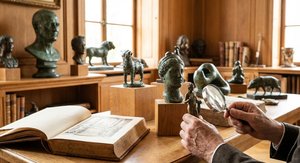
The Enduring Legacy of Bronze Sculpture: A Collector's Guide to Form & Cultural Significance
Explore the rich history & enduring appeal of bronze sculpture with expert insights for collectors at OriginalUniqueArt. Learn about casting techniques, iconic artists, and collecting tips to build a discerning art collection.

Top 10 Capodopere din Bronz care au Revoluționat Arta | OriginalUniqueArt.ro
Descoperiți Top 10 capodopere din bronz care au revoluționat arta! Rodin, Michelangelo și alții. Aflați istoria sculpturilor clasice și inspirație pentru decorul casei dvs. Reproduceri de artă de calitate muzeală pe OriginalUniqueArt.com

The Enduring Legacy of Bronze: A Historical & Artistic Exploration for the Collector
Explore the rich history & enduring appeal of bronze sculpture with expert insights for collectors at OriginalUniqueArt. Learn about casting techniques, iconic artists, collecting tips & contemporary interpretations.

