Previzualizare
 Trimite
 Distribuie
 Detalii despre lucrare

 Descarcă
 Produse similare
 Radiografie
 Diapozitive automate
The Baptism of Christ


 Vezi mai mult
Giclée / Imprimare artistică
Printuri giclée sau pe canvas de calitate muzeală, cu proces de producție rapid și opțiuni flexibile de finisare. ( Comandă pictură lucrată manual Cumpără imaginea)




P118B $10

P118H $10

P118W $10

P438Z $10

P508JH $12

P508YH $12

P805H $10

P805Z $10

P919BZ $10

P919G $10

P919XJ $10

P959ZH $10

P968JZ $12

W106C $8

W218G $10

W218JH $8

W218Y $10

W307PJ $10

W316G $10

W316PJ $8

W316Y $10

W398PJ $8

W4111J $10

W500HY $15

W500JH $15

W692G $12

W849H $8

W940BG $15

W953PJ $8




Alegeți dintre dimensiunile noastre prestabilite, care respectă proporțiile originale ale operei de artă.

Puteți introduce propriile dimensiuni pentru a se potrivi unui anumit cadru sau spațiu. Dacă dimensiunea selectată nu corespunde proporțiilor imaginii originale, vom decupa lucrarea de artă sau vom extinde imaginea cu margini oglindite sau cu o culoare uniformă. Un mockup digital va fi trimis pentru aprobarea dumneavoastră înainte de începerea producției.
Vă rugăm să rețineți că previzualizarea de pe ecran nu reflectă decuparea sau extinderea reală. Doar mockup-ul va arăta cu exactitate compoziția finală.
Deși dimensiunile personalizate sunt disponibile, vă recomandăm să selectați o dimensiune din lista predefinită pentru a păstra proporțiile originale.
Livrare în întreaga lume () în 2 săptămâni, în loc de cele 4/5 săptămâni standard. (20 August)

Livrare expres gratuită la nivel mondial

Pânză de in de înaltă calitate

Asigurare completă pentru transport

Garanție de rambursare a taxelor vamale

Garanția fidelității culorilor

Politica de retur în 60 de zile (doar pentru defecte)

Garanție de rambursare 100%

Ofertă pentru comenzi multiple
 Opțiunea cu sticlă este disponibilă doar pentru dimensiuni de sub 110 cm

The Baptism of Christ
Giclée / Imprimare artistică
Dimensiune reproducere
-


Preț total calculat
$ 80
Descriere obiect de colecție
The Baptism of Christ: A Bolognese Renaissance Revisited
Annibale Carracci’s *Baptism of Christ*, completed around 1603, stands as a pivotal moment in the burgeoning Baroque style—yet simultaneously rooted in the humanist ideals championed by Correggio and Michelangelo. Commissioned for Giacomo Canobbi’s chapel in Bologna’s Santi Gregorio e Siro, this altarpiece represents more than just a depiction of biblical scripture; it embodies Carracci's ambitious project to synthesize High Renaissance grandeur with the naturalistic tendencies emerging from Venice.
A Dialogue Between Masters: Correggio’s Influence
The upper portion of *Baptism* is undeniably indebted to Correggio’s frescoes adorning Parma Cathedral. Carracci meticulously recreated the ethereal choir of angelic musicians, supported by billowing clouds—a technique characterized by diffused light and atmospheric perspective that prioritized emotional resonance over precise realism. This deliberate homage wasn't merely stylistic; it signaled a conscious effort to elevate Bolognese art beyond its provincial limitations, aligning it with the artistic innovations sweeping across Italy.
Compositional Harmony: The Trinity Embodied
Below the celestial choir lies a more grounded scene depicting the baptism itself. Carracci skillfully employs pyramidal composition—a hallmark of Renaissance painting—to organize figures and create visual stability. Notably, the central axis aligns Jesus Christ, John the Baptist, and God the Father, symbolizing the Holy Trinity – an allusion that underscores the spiritual significance of the event. The gesture of the onlooker’s hand on the left, adorned in crimson robes, reinforces this tripartite division.
Technique and Detail: Bolognese Naturalism
Carracci's meticulous attention to detail distinguishes *Baptism* from Correggio’s more idealized style. Observe the expressive musculature of John the Baptist—a deliberate departure from Mannerist conventions—and the subtly twisted poses of several figures, reflecting a desire for naturalistic representation. Carracci skillfully blends chiaroscuro—the dramatic interplay of light and shadow—to sculpt form and imbue the scene with palpable emotion. The artist’s masterful use of color contributes to the overall atmosphere, enhancing the painting's visual impact.
Symbolism and Emotional Resonance
*Baptism* transcends mere narrative depiction; it communicates profound theological concepts. The dove—representing the Holy Spirit—illuminates the scene, symbolizing divine grace and redemption. The radiant light emanating from God’s face conveys spiritual enlightenment and evokes a sense of awe. Carracci's aim was to inspire contemplation and convey the majesty of faith – a testament to his enduring legacy as one of Italy’s greatest Baroque painters.
Biografie artist
Early Life and the Bolognese Roots
Annibale Carracci, born on November 3, 1560, in Bologna, Italy, emerged from a family deeply intertwined with artistic tradition—a lineage that profoundly shaped his life and career. His initial training likely unfolded within the nurturing environment of his familial workshop, a space where he absorbed fundamental techniques and developed an early appreciation for the visual arts. Bologna at this time was a vibrant hub of intellectual and artistic ferment, yet it possessed a certain provincial character compared to the dominant currents flowing from Rome and Venice. This sense of relative isolation fueled a desire among a group of young artists—Annibale, his brother Agostino, and cousin Ludovico—to forge their own path, one that would revitalize Italian art by drawing inspiration from the masters of the High Renaissance while simultaneously embracing a more naturalistic approach.
The Carracci family’s artistic legacy extended beyond Annibale himself. His father, Marco Carracci, was a tailor, but his mother, Lucrezia, possessed an eye for beauty and fostered her sons' interest in art from a young age. This familial encouragement, combined with the presence of skilled artisans within their workshop, provided Annibale with a solid foundation upon which to build his artistic skills. The family’s connections within the Bolognese art world—including collaborations with prominent sculptors and architects—further enriched his early exposure to diverse artistic styles and techniques.
Bologna during this period was experiencing a resurgence of interest in classical antiquity, fueled by humanist scholarship and archaeological discoveries. This revival of classical ideals profoundly influenced the artistic sensibilities of the young Carracci brothers, who sought to emulate the clarity, balance, and grandeur of ancient Roman art. However, they were also keenly aware of the limitations of the prevailing Mannerist style—characterized by elongated figures, distorted perspectives, and an emphasis on decorative effects—and recognized the need for a more grounded and emotionally resonant approach to painting.
A Synthesis of Styles and Influences
Annibale Carracci’s artistic vision wasn't born in a vacuum; it was meticulously crafted through a deep engagement with the legacies of past masters. He possessed an extraordinary ability to synthesize diverse influences, creating a style that felt both deeply rooted in tradition and strikingly original. He admired the clarity of line and compositional balance found in the works of Raphael and Andrea del Sarto, seeking to emulate their grace and harmony. Yet, he also recognized the power of color and atmospheric effects championed by Venetian painters like Titian, infusing his own work with a vibrant luminosity and emotional depth.
The influence of Correggio was particularly profound, evident in Carracci’s dynamic compositions and illusionistic techniques—especially those showcased in his frescoes. He wasn't simply copying these masters; he was absorbing their strengths and forging them into something new. This eclectic blend became the hallmark of the Bolognese School, a significant branch of Baroque art that emphasized both classical ideals and naturalistic observation. Carracci’s genius lay in his ability to reconcile seemingly disparate elements, creating a harmonious whole that resonated with both intellectual rigor and emotional power.
In 1582, this ambition materialized in the establishment of the *Accademia degli Incamminati*, initially known as the Academy of the Desiderosi. This wasn’t merely a studio; it was a crucible for artistic innovation, a space dedicated to rigorous life drawing, spirited debate, and a collective pursuit of artistic excellence. The academy's name itself—the “Progressives”—signified their intent: to move beyond the stylistic complexities of Mannerism and chart a new course toward a more grounded, emotionally resonant form of expression. The Incamminati became a model for art academies across Europe, emphasizing observation from life as the cornerstone of artistic training.
The Roman Triumph: Palazzo Farnese and Beyond
The invitation to decorate the Palazzo Farnese in Rome marked a pivotal moment in Annibale Carracci’s career. This monumental commission—a vast fresco cycle depicting scenes from mythology—provided him with an unparalleled opportunity to showcase his artistic prowess and establish his reputation on a grand scale. The *Triumph of Bacchus and Ariadne*, arguably his masterpiece, is a breathtaking display of illusionistic technique, dynamic composition, and vibrant color. The frescoes seem to dissolve the boundaries between painting and reality, drawing the viewer into a world of mythic grandeur.
Alongside the *Triumph*, Carracci also undertook *The Loves of the Gods* at Palazzo Farnese, further exploring themes of mythology and love with a blend of classical idealism and keen observation. These works weren’t merely decorative; they were statements about the power of art to elevate the human spirit and celebrate the beauty of the natural world. His success in Rome solidified his position as one of the leading artists of his time, attracting a stream of commissions and influencing generations of painters.
Carracci's work during this period was characterized by a masterful command of perspective, color theory, and anatomical accuracy—skills he honed through years of diligent study and practice. He skillfully combined elements of classical antiquity with contemporary Italian artistic traditions, creating works that were both timeless in their beauty and deeply rooted in the cultural context of his time.
Legacy and Historical Significance
Annibale Carracci’s impact on art history is immeasurable. He played a crucial role in bridging the gap between the High Renaissance and the Baroque period, moving away from the stylized complexities of Mannerism toward a more dynamic, emotionally charged aesthetic. His emphasis on naturalism—on depicting figures with anatomical accuracy and psychological depth—paved the way for artists like Caravaggio, who would further revolutionize Italian painting with their dramatic use of light and shadow.
The Accademia degli Incamminati, founded by Carracci and his associates, served as a model for art academies across Europe, promoting artistic training based on observation and classical principles. His frescoes at Palazzo Farnese remain iconic examples of Baroque illusionism and artistic grandeur, continuing to inspire awe and admiration centuries after their creation. The collective legacy of the Carracci family—Annibale, Agostino, and Ludovico—is one of profound innovation and enduring influence, establishing Bologna as a major center for artistic creativity.
Carracci’s work wasn't simply about technical skill; it was about conveying emotion, telling stories, and celebrating the human experience. He sought to create art that was both beautiful and meaningful, capable of inspiring wonder and provoking thought. His legacy endures not only in his magnificent paintings but also in the enduring principles he championed: a commitment to observation, a reverence for tradition, and an unwavering belief in the power of art to transform the world.
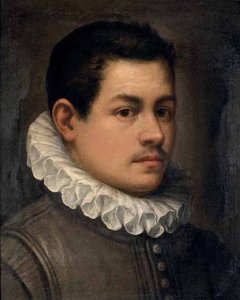
Annibale Carracci
1560 - 1609 , Italia
Detalii rapide
- Artistic Movement Or Style: Baroc Bologhez
- Artists Or Movements Influenced By This Artist:
- Caravaggio
- Mannerism
- Artists Who Influenced This Artist:
- Rafael
- Del Sarto
- Date Of Birth: 3 noiembrie 1560
- Date Of Death: 15 iulie 1609
- Full Name: Annibale Carracci
- Nationality: Italian
- Notable Artworks:
- Triumful lui Bacchus
- Dragoste divină
- Place Of Birth: Bologna, Italia
Articole similare
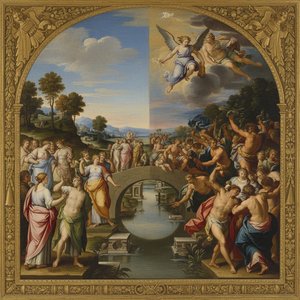
Annibale Carracci: Bridging Renaissance Ideals & Baroque Innovation
Explore the life & art of Annibale Carracci, a pivotal figure bridging Renaissance ideals with Baroque innovation. Discover his masterpieces and lasting influence on Italian painting.

Drama Barocă: Cum să Aduceți Splendoare și Emoție în Interioarele Contemporane
Descoperiți cum să integrați splendoarea stilului baroc în locuința dumneavoastră! Ghid complet cu elemente de design, culori și inspirație pentru interioare luxoase și pline de emoție.

The Visceral Stage: Exploring Dramatic Narratives & Emotional Intensity in Baroque Art
Explore the dramatic world of Baroque art! Discover iconic masters like Caravaggio & Rembrandt, their techniques, and the movement's lasting impact. Expert insights for collectors & enthusiasts at OriginalUniqueArt.

Barocul în Splendoare: Cele Mai Reprezentative 10 Capodopere Artistice | OriginalUniqueArt.ro
Descoperă splendoarea Barocului! Explorează cele mai importante 10 capodopere ale lui Caravaggio, Rembrandt și Rubens. Află poveștile din spatele picturilor iconice și adu eleganța clasică în casa ta cu reproduceri de artă premium pe OriginalUniqueArt.ro

Italian Baroque Unlocked: High-Drama Art That Hits Hard
Dive into the high-drama world of Italian Baroque art. Discover how chiaroscuro, intense emotion, and theatrical lighting redefined aesthetics. Explore the visceral power of the Counter-Reformation through a modern lens with expert insights from OriginalUniqueArt.com.