 Previzualizare
 Trimite
 Distribuie
 Detalii despre lucrare

 Descarcă
 Produse similare
 Radiografie
 Diapozitive automate
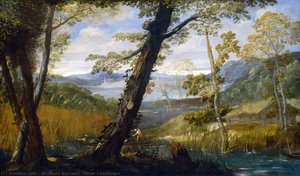
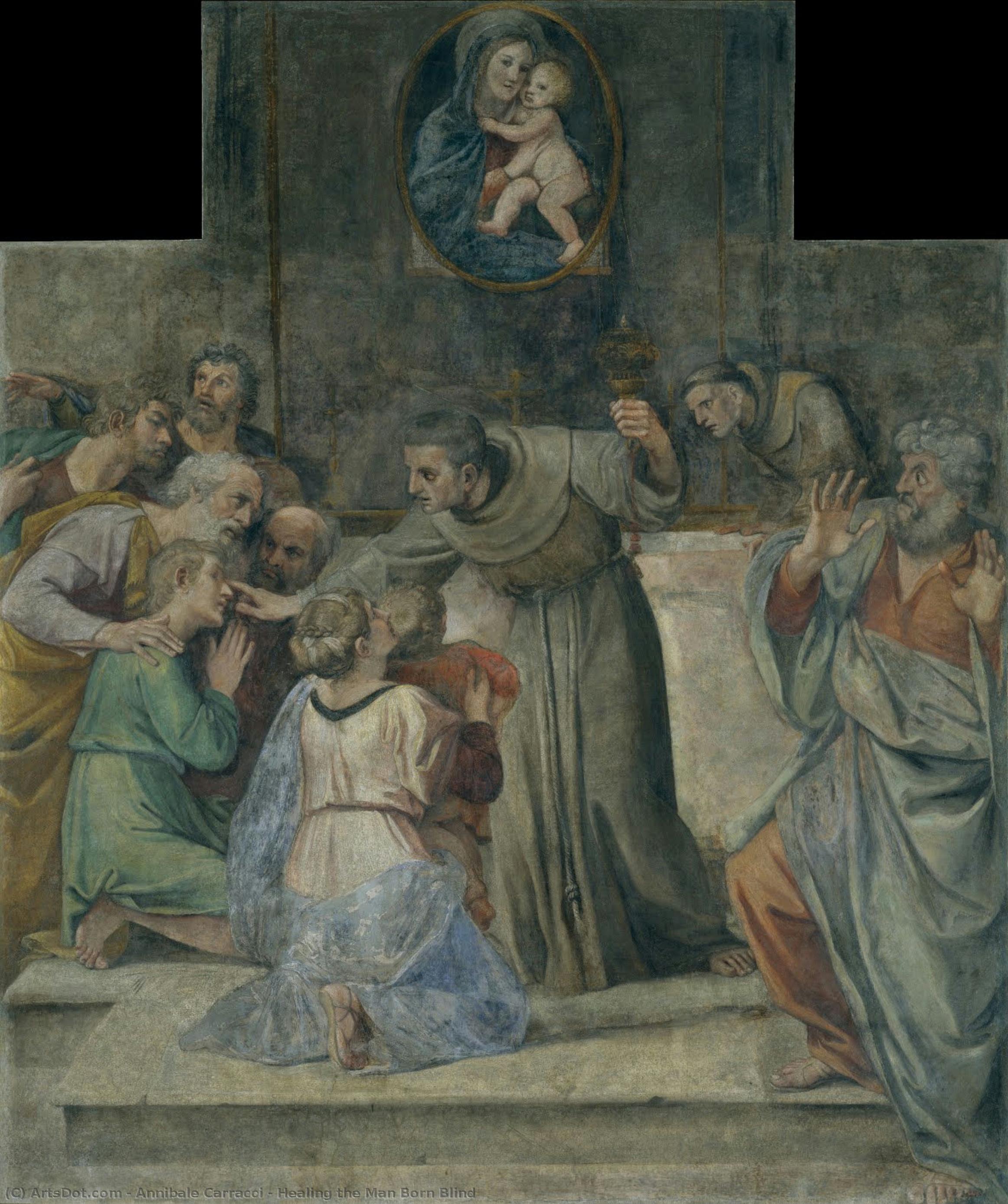
Healing the Man Born Blind
 Oil On Canvas
- WallArt
- Baroque
 1606
1606 15.0 x 36.0 cm
 Muzeul Național de Artă al Cataloniei
 Vezi mai mult
Reproducere pictată manual în ulei
Pictură în ulei pe pânză, realizată manual de artiștii noștri la dimensiunea și ramele dorite de dumneavoastră, pe comandă. ( Comandă printul Cumpără imaginea)




P118B $10

P118H $10

P118W $10

P438Z $10

P508JH $12

P508YH $12

P805H $10

P805Z $10

P919BZ $10

P919G $10

P919XJ $10

P959ZH $10

P968JZ $12

W106C $8

W218G $10

W218JH $8

W218Y $10

W307PJ $10

W316G $10

W316PJ $8

W316Y $10

W398PJ $8

W4111J $10

W500HY $15

W500JH $15

W692G $12

W849H $8

W940BG $15

W953PJ $8




Alegeți dintre dimensiunile noastre prestabilite, care respectă proporțiile originale ale operei de artă.

Puteți introduce propriile dimensiuni pentru a se potrivi unui anumit cadru sau spațiu. Dacă dimensiunea selectată nu corespunde proporțiilor imaginii originale, vom decupa opera de artă sau vom extinde pictura cu elemente suplimentare pictate manual. O simulare digitală vă va fi trimisă pentru aprobare înainte de începerea producției.
Vă rugăm să rețineți că previzualizarea de pe ecran nu reflectă decuparea sau extinderea reală. Doar macheta va arăta cu exactitate compoziția finală.
Deși sunt disponibile dimensiuni personalizate, vă recomandăm să selectați o dimensiune din lista predefinită pentru a păstra proporțiile originale.
După plasarea comenzii, echipa OriginalUniqueArt.com va contacta clientul prin e-mail pentru instrucțiuni și îi va furniza o previzualizare a machetei
Livrare în întreaga lume () în 3-4 săptămâni, în loc de cele 5 săptămâni standard. (21 August). Fără compromisuri în ceea ce privește calitatea.

Livrare expres gratuită la nivel mondial

Pânză de in de înaltă calitate

Asigurare completă pentru transport

Garanție de rambursare a taxelor vamale

Garanția fidelității culorilor

Politica de retur în 60 de zile (doar pentru defecte)

Garanție de rambursare 100%

Ofertă pentru comenzi multiple
 Opțiunea cu sticlă este disponibilă doar pentru dimensiuni de sub 110 cm

Healing the Man Born Blind
Tehnică de reproducere
Dimensiune reproducere
-


Preț total calculat
$ 300
Descriere operă de artă
Annibale Carracci's 'Healing the Man Born Blind': A Testament to Faith and Renaissance Naturalism
This exquisite hand-painted reproduction captures Annibale Carracci’s seminal work, “Healing the Man Born Blind,” a pivotal piece from 1606 that embodies the artist’s revolutionary approach to religious painting. Measuring 15 x 36 cm, this intimate scale allows for a profound engagement with the scene's emotional core – a demonstration of divine grace and healing within a meticulously rendered Renaissance setting. Carracci, born in Bologna in 1560, was a key figure in the artistic revival that swept through Italy following the High Renaissance, seeking to recapture its ideals of clarity, naturalism, and humanist values.
- Subject Matter: The painting depicts a scene from the Gospel of John, specifically the miraculous healing of a man born blind. This event is not merely a physical restoration but symbolizes spiritual enlightenment and the triumph of faith over darkness.
- Style & Technique: Carracci’s style is characterized by its clarity, precision, and masterful use of perspective. He employed a technique known as *disegno*, emphasizing careful drawing and compositional planning – a direct response to the perceived looseness of Mannerism. The painting showcases his ability to create realistic figures with detailed drapery and expressive gestures.
- Historical Context: Created in 1606, this work reflects the artistic climate of Bologna during Carracci’s time at the *Accademia degli Incamminati*. This academy was a breeding ground for new ideas, challenging the prevailing stylistic trends and advocating for a return to classical principles. The inclusion of birds adds an element of symbolism often found in Renaissance art – representing hope, spiritual ascension, or divine messengers.
Symbolism and Religious Narrative
The central figures—the priest or monk administering the healing and the blind man himself—are rendered with a remarkable degree of realism. The act of laying hands upon the man’s head is not simply a physical gesture; it represents the transference of divine power, a core tenet of Christian belief. Carracci's meticulous attention to detail – from the folds of the robe to the texture of the skin – elevates the scene beyond a mere depiction of an event and transforms it into a powerful meditation on faith and redemption. The presence of the two birds, often interpreted as symbols of hope or divine guidance, further enriches the narrative’s spiritual dimension.
- The Blind Man: Represents humanity's fallen state, obscured by sin and ignorance. His kneeling posture signifies humility and receptiveness to divine grace.
- The Healer: Symbolizes Christ himself, the source of healing and salvation. The priest’s role underscores the importance of religious authority in facilitating this miracle.
- Birds: Often associated with spiritual ascension or messengers from God, their inclusion reinforces the painting's themes of hope and divine intervention.
Emotional Impact and Artistic Legacy
"Healing the Man Born Blind" is more than just a religious depiction; it’s an exploration of human vulnerability and the transformative power of faith. Carracci’s masterful use of light and shadow, combined with his precise rendering of anatomy and emotion, creates a deeply moving experience for the viewer. This work established Carracci as one of the leading artists of the Bolognese school and profoundly influenced subsequent generations of painters. Its legacy continues to resonate today, offering a timeless reminder of humanity’s enduring quest for meaning and spiritual fulfillment.
This hand-painted reproduction offers an unparalleled opportunity to own a piece of art history – a testament to Annibale Carracci's genius and the enduring power of Renaissance artistic ideals. Perfect for adorning sacred spaces, enhancing contemplative environments, or adding a touch of classical elegance to any interior design scheme.
Biografie artist
Early Life and the Bolognese Roots
Annibale Carracci, born on November 3, 1560, in Bologna, Italy, emerged from a family deeply intertwined with artistic tradition—a lineage that profoundly shaped his life and career. His initial training likely unfolded within the nurturing environment of his familial workshop, a space where he absorbed fundamental techniques and developed an early appreciation for the visual arts. Bologna at this time was a vibrant hub of intellectual and artistic ferment, yet it possessed a certain provincial character compared to the dominant currents flowing from Rome and Venice. This sense of relative isolation fueled a desire among a group of young artists—Annibale, his brother Agostino, and cousin Ludovico—to forge their own path, one that would revitalize Italian art by drawing inspiration from the masters of the High Renaissance while simultaneously embracing a more naturalistic approach.
The Carracci family’s artistic legacy extended beyond Annibale himself. His father, Marco Carracci, was a tailor, but his mother, Lucrezia, possessed an eye for beauty and fostered her sons' interest in art from a young age. This familial encouragement, combined with the presence of skilled artisans within their workshop, provided Annibale with a solid foundation upon which to build his artistic skills. The family’s connections within the Bolognese art world—including collaborations with prominent sculptors and architects—further enriched his early exposure to diverse artistic styles and techniques.
Bologna during this period was experiencing a resurgence of interest in classical antiquity, fueled by humanist scholarship and archaeological discoveries. This revival of classical ideals profoundly influenced the artistic sensibilities of the young Carracci brothers, who sought to emulate the clarity, balance, and grandeur of ancient Roman art. However, they were also keenly aware of the limitations of the prevailing Mannerist style—characterized by elongated figures, distorted perspectives, and an emphasis on decorative effects—and recognized the need for a more grounded and emotionally resonant approach to painting.
A Synthesis of Styles and Influences
Annibale Carracci’s artistic vision wasn't born in a vacuum; it was meticulously crafted through a deep engagement with the legacies of past masters. He possessed an extraordinary ability to synthesize diverse influences, creating a style that felt both deeply rooted in tradition and strikingly original. He admired the clarity of line and compositional balance found in the works of Raphael and Andrea del Sarto, seeking to emulate their grace and harmony. Yet, he also recognized the power of color and atmospheric effects championed by Venetian painters like Titian, infusing his own work with a vibrant luminosity and emotional depth.
The influence of Correggio was particularly profound, evident in Carracci’s dynamic compositions and illusionistic techniques—especially those showcased in his frescoes. He wasn't simply copying these masters; he was absorbing their strengths and forging them into something new. This eclectic blend became the hallmark of the Bolognese School, a significant branch of Baroque art that emphasized both classical ideals and naturalistic observation. Carracci’s genius lay in his ability to reconcile seemingly disparate elements, creating a harmonious whole that resonated with both intellectual rigor and emotional power.
In 1582, this ambition materialized in the establishment of the *Accademia degli Incamminati*, initially known as the Academy of the Desiderosi. This wasn’t merely a studio; it was a crucible for artistic innovation, a space dedicated to rigorous life drawing, spirited debate, and a collective pursuit of artistic excellence. The academy's name itself—the “Progressives”—signified their intent: to move beyond the stylistic complexities of Mannerism and chart a new course toward a more grounded, emotionally resonant form of expression. The Incamminati became a model for art academies across Europe, emphasizing observation from life as the cornerstone of artistic training.
The Roman Triumph: Palazzo Farnese and Beyond
The invitation to decorate the Palazzo Farnese in Rome marked a pivotal moment in Annibale Carracci’s career. This monumental commission—a vast fresco cycle depicting scenes from mythology—provided him with an unparalleled opportunity to showcase his artistic prowess and establish his reputation on a grand scale. The *Triumph of Bacchus and Ariadne*, arguably his masterpiece, is a breathtaking display of illusionistic technique, dynamic composition, and vibrant color. The frescoes seem to dissolve the boundaries between painting and reality, drawing the viewer into a world of mythic grandeur.
Alongside the *Triumph*, Carracci also undertook *The Loves of the Gods* at Palazzo Farnese, further exploring themes of mythology and love with a blend of classical idealism and keen observation. These works weren’t merely decorative; they were statements about the power of art to elevate the human spirit and celebrate the beauty of the natural world. His success in Rome solidified his position as one of the leading artists of his time, attracting a stream of commissions and influencing generations of painters.
Carracci's work during this period was characterized by a masterful command of perspective, color theory, and anatomical accuracy—skills he honed through years of diligent study and practice. He skillfully combined elements of classical antiquity with contemporary Italian artistic traditions, creating works that were both timeless in their beauty and deeply rooted in the cultural context of his time.
Legacy and Historical Significance
Annibale Carracci’s impact on art history is immeasurable. He played a crucial role in bridging the gap between the High Renaissance and the Baroque period, moving away from the stylized complexities of Mannerism toward a more dynamic, emotionally charged aesthetic. His emphasis on naturalism—on depicting figures with anatomical accuracy and psychological depth—paved the way for artists like Caravaggio, who would further revolutionize Italian painting with their dramatic use of light and shadow.
The Accademia degli Incamminati, founded by Carracci and his associates, served as a model for art academies across Europe, promoting artistic training based on observation and classical principles. His frescoes at Palazzo Farnese remain iconic examples of Baroque illusionism and artistic grandeur, continuing to inspire awe and admiration centuries after their creation. The collective legacy of the Carracci family—Annibale, Agostino, and Ludovico—is one of profound innovation and enduring influence, establishing Bologna as a major center for artistic creativity.
Carracci’s work wasn't simply about technical skill; it was about conveying emotion, telling stories, and celebrating the human experience. He sought to create art that was both beautiful and meaningful, capable of inspiring wonder and provoking thought. His legacy endures not only in his magnificent paintings but also in the enduring principles he championed: a commitment to observation, a reverence for tradition, and an unwavering belief in the power of art to transform the world.
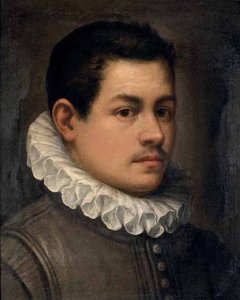
Annibale Carracci
1560 - 1609 , Italia
Detalii rapide
- Artistic Movement Or Style: Baroc Bologhez
- Artists Or Movements Influenced By This Artist:
- Caravaggio
- Mannerism
- Artists Who Influenced This Artist:
- Rafael
- Del Sarto
- Date Of Birth: 3 noiembrie 1560
- Date Of Death: 15 iulie 1609
- Full Name: Annibale Carracci
- Nationality: Italian
- Notable Artworks:
- Triumful lui Bacchus
- Dragoste divină
- Place Of Birth: Bologna, Italia
Articole similare
Annibale Carracci: Bridging Renaissance Ideals & Baroque Innovation
Explore the life & art of Annibale Carracci, a pivotal figure bridging Renaissance ideals with Baroque innovation. Discover his masterpieces and lasting influence on Italian painting.

Katsushika Hokusai: Cele Mai Iubite 25 de Opere de Artă – Inspirație pentru Decorul Casei Tale
Descoperă cele mai frumoase 25 de opere de artă semnate de Katsushika Hokusai, maestru ukiyo-e. Explorează istoria valului Kanagawa și a picturilor japoneze iconice. Reproduceri de calitate muzeală pentru decorul casei tale pe OriginalUniqueArt.com!
René Magritte: Cele Mai Iconice 25 De Opere – Artă Surrealistă Pentru Decorul Tău
Descoperă cele mai iconice 25 de opere ale lui René Magritte! Explorează misterul suprarealismului, simbolismul și tehnicile unice ale acestui maestru belgian. Găsește inspirație pentru decorul tău și reproduceri artă de calitate muzeală pe OriginalUniqueArt.com.

El Greco: Cele Mai Reprezentative 25 De Capodopere – Artă Sacră și Decorațiuni Excepționale
Descoperă cele mai frumoase 25 de picturi El Greco! Explorează capodoperele renascentiste, stilul unic al lui Doménikos Theotokópoulos și emoțiile puternice din arta sa sacră. Reproduceri de artă de calitate muzeală pe OriginalUniqueArt.com – inspiră-ți decorul!
Leonardo da Vinci: Cele Mai Iubite Capodopere – Artă, Istorie și Inspirație pentru Decor
Descoperă cele mai frumoase 25 de capodopere ale lui Leonardo da Vinci! Explorează istoria, tehnicile și semnificația picturilor iconice precum Mona Lisa sau Ultima Cină. Găsește reproduceri de artă de calitate muzeală și idei inspirate pentru decor pe OriginalUniqueArt.com.