Vezi în context
 Trimite
 Distribuie
 Detalii
 Ghidul

 Descarcă
 Produse similare
 Radiografie
 Diaporama
 Statistici
Nymph
 Oil On Canvas
- WallArt
- Romanticism
 1800
1800 157.0 x 112.0 cm
 Museo de Arte de Ponce
 Citește mai mult
Giclée / Imprimare artistică
Printuri giclée sau pe canvas de calitate muzeală, cu proces de producție rapid și opțiuni flexibile de finisare. ( Comandă pictură realizată manual Treci la imagine digitală)




P118B lei10

P118H lei10

P118W lei10

P438Z lei10

P508JH lei12

P508YH lei12

P805H lei10

P805Z lei10

P919BZ lei10

P919G lei10

P919XJ lei10

P959ZH lei10

P968JZ lei12

W106C lei8

W218G lei10

W218JH lei8

W218Y lei10

W307PJ lei10

W316G lei10

W316PJ lei8

W316Y lei10

W398PJ lei8

W4111J lei10

W500HY lei15

W500JH lei15

W692G lei12

W849H lei8

W940BG lei15

W953PJ lei8




Alegeți dintre dimensiunile noastre prestabilite, care respectă proporțiile originale ale operei de artă.

Introduceți lățimea și înălțimea de care aveți nevoie, pentru a se potrivi ramei sau peretelui dumneavoastră. O printare poate fi doar tăiată, niciodată extinsă dincolo de dimensiunea imaginii originale, astfel încât o dimensiune cu o formă diferită va pierde o parte din imagine. Vă trimitem o simulare digitală pentru aprobare înainte de a imprima orice. Imaginea afișată pe această pagină nu prezintă tăierea reală — doar simularea arată acest lucru.
Livrare în întreaga lume () în 2 săptămâni, în loc de cele 4/5 săptămâni standard. (25 Octombrie)

Livrare expres gratuită la nivel mondial

Pânză de in premium

Asigurare completă pentru transport

Garanție de rambursare a taxelor vamale

Garanția fidelității culorilor

Politica de retur în 100 de zile (doar pentru defecte)

Garanție de rambursare 100%

Reducere pentru comenzi multiple
 Opțiunea cu sticlă este disponibilă doar pentru dimensiuni de sub 110 cm

Nymph
Giclée / Imprimare artistică
Dimensiune reproducere
-


Preț total
lei 370
A Vision of Romantic Mystery: Anne-Louis Girodet’s “Nymph”
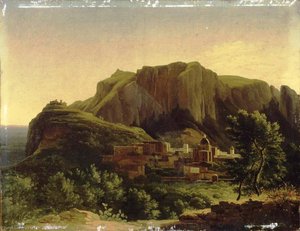
Anne-Louis Girodet de Roussy-Trioson's "Nymph," painted in 1800, isn’t merely a depiction of a beautiful woman; it’s a carefully constructed tableau brimming with the anxieties and aspirations of early Romanticism. Born into a world shaped by loss – orphaned at a young age and raised under the watchful eye of his physician guardian – Girodet's artistic journey was marked by a profound sensitivity to emotion, a trait he would later fuse with the rigorous training instilled in him by Jacques-Louis David. This painting, housed within the Louvre’s collection, stands as a pivotal bridge between the formality of Neoclassicism and the burgeoning emotionalism that defined the Romantic era, offering a glimpse into a world where nature, beauty, and melancholy intertwine.
The subject herself is presented with an arresting blend of vulnerability and power. A nude female figure, identified as a Nymph – a creature deeply rooted in Greek mythology, associated with springs, rivers, and the wildness of nature – occupies the central space of the composition. She’s positioned slightly off-center, lending a sense of quiet contemplation to her posture. Her gaze is directed downwards, almost lost in the shadowed depths of the forest, inviting the viewer into an intimate, introspective experience. The lighting, dramatically employed by Girodet, sculpts her form with stark contrasts – pools of light illuminating her skin while leaving much of the background shrouded in darkness. This masterful use of chiaroscuro not only emphasizes the figure’s physicality but also contributes to the painting's overall mood of mystery and longing.
The Language of the Forest: Technique and Composition
Girodet’s technical skill is immediately apparent in the meticulous detail with which he renders both the human form and the surrounding landscape. The oil paint technique, executed with a rich layering of glazes and scumbling, creates an astonishingly tactile surface – one that invites close inspection. The brushstrokes themselves are visible, contributing to a sense of volume and realism, yet never sacrificing the painting’s ethereal quality. Notice particularly the careful rendering of the drapery; it flows organically around the figure, suggesting both movement and restraint. The composition is carefully balanced, utilizing atmospheric perspective – the gradual fading of detail in the distance – to create an illusion of depth that pulls the viewer into the heart of the forest.
The background isn’t simply a backdrop; it's an active participant in the narrative. Dense foliage, rendered with remarkable precision, dominates the scene, creating a sense of enclosure and isolation. The trees themselves seem to lean inwards, almost as if guarding the Nymph within her secluded realm. This deliberate use of landscape reinforces the painting’s themes of nature, solitude, and perhaps even vulnerability – suggesting that she is both embraced by and threatened by the wildness surrounding her.
Symbolism and Romantic Ideals
“Nymph” resonates deeply with the core tenets of Romanticism. The nude figure itself represents a rejection of the rigid moral constraints of Neoclassicism, embracing instead an idealized vision of beauty and sensuality. The forest, often associated with the subconscious and the untamed spirit, symbolizes freedom, mystery, and the power of nature. The Nymph’s downward gaze speaks to introspection and perhaps even melancholy – a common theme in Romantic art, reflecting a heightened awareness of human emotion and the complexities of the inner world.
Furthermore, the painting can be interpreted as an exploration of the relationship between humanity and nature. The Nymph is not simply a beautiful woman; she’s a manifestation of the natural world itself – a symbol of its beauty, its power, and its inherent mystery. Girodet's work reflects a shift away from the rationalism of the Enlightenment towards a more intuitive and emotional understanding of the human experience.
A Timeless Masterpiece: Reproduction and Legacy
“Nymph” remains a captivating artwork, offering viewers a glimpse into the artistic sensibilities of early 19th-century France. Its evocative imagery, masterful technique, and profound symbolism continue to resonate today. OriginalUniqueArt offers high-quality reproductions that faithfully capture the painting’s rich textures, dramatic lighting, and emotional depth, allowing you to bring this timeless masterpiece into your home or office. Whether you are an art collector, a design enthusiast, or simply someone seeking inspiration, “Nymph” is a testament to the enduring power of Romantic art.
Întrebări și răspunsuri
„Nymph” prezintă contraste puternice între lumină și întuneric?
Contrastul lumină-umbră din "Nymph" este înregistrat ca Serene. Contrastul descrie cât de puternic diferă zonele luminoase de cele întunecate.
Ce nivel de luminozitate are "Nymph" de Anne-Louis Girodet?
Luminanța înregistrată pentru "Nymph" de Anne-Louis Girodet este Dark.
"Nymph" de Anne-Louis Girodet este o pictură, un desen sau o printă?
"Nymph" de Anne-Louis Girodet este clasificată ca WallArt. Această categorie descrie tipul de operă de artă din care este compusă originalul.
Biografie artist
A Bridge Between Worlds: The Life and Art of Anne-Louis Girodet
Anne-Louis Girodet de Roussy-Trioson, un nume poate mai puțin imediat recunoscut decât cel al profesorului său, Jacques-Louis David, totuși ocupă o poziție centrală în tranziția de la Neoclasicism la Romanticism. Născut în Montargis, Franța, în 1767, călătoria artistică a lui Girodet a fost una de ambele antrenamente academice riguroase și expresie emoțională în creștere – un echilibru delicat care a definit stilul său unic și i-a asigurat locul ca figură semnificativă în arta franceză. Viața sa timpurie a fost marcată de pierdere; decesele ambilor părinți au lăsat educația sa sub grija unui tutore, Benoît-François Trioson, medic care ulterior a devenit tatăl său adoptiv și al cărui influență a rămas constantă pe parcursul carierei lui Girodet. Această legătură familială a dus în cele din urmă la faptul că artistul a adoptat „Trioson” ca parte a numelui său, semnalând o legătură personală profundă alături de identitatea sa artistică. Inițial atras de arhitectură, Girodet s-a regăsit curând captivat de pictură, intrând în studioul lui David și imersându-se în estetica Neoclasică dominantă – o accentuare a clarității, preciziei și gravitasului moral. Această bază a fost crucială, instillând în el un domeniu de formă și compoziție care s-a păstrat chiar și pe măsură ce lucrarea sa a început să se îndepărteze de principiile clasice stricte. Triomful său la Prix de Rome cu o reprezentare a poveștii lui Iosif și a fraților săi, la vârsta tânără de 22 de ani, a semnalat un viitor promițător, iar anii săi petrecuți în Italia (1789-1793) au fost formativi, rezultând în opere apreciate precum *Hippocrate refusant les presents d'Artaxerxes* și *Endymion-dormant*.De la Rigor Neoclasic la Sensibilitate Romantică
Evoluția artistică a lui Girodet nu a fost o ruptură bruscă de trecut, ci mai degrabă o infuzie graduală a noilor sensibilități în cadrul stabilit al Neoclassicismului. Deși a păstrat claritatea și precizia caracteristice școlii lui David, lucrarea sa a îmbrățișat tot mai mult intensitatea emoțională și a explorat teme care anterior erau considerate neconvenționale. Această schimbare este evidentă în mod deosebit în piese precum *Scène de déluge* (The Deluge), o panoplie monumentală pictată care prezintă acțiune dramatică și putere emoțională brută, și *Atala au tombeau*, o reprezentare poignantă a frumuseții tragice care a rezonat profund cu fascinația romantică în creștere pentru pathos și exotism. Cu toate acestea, *Pygmalion et Galatée*, un proiect ambițios care i-a consumat opt ani din viață, este cel mai mult o dovadă a viziunii sale artistice. Acum expus în Louvre, această lucrare demonstrează nu numai atenția minuțioasă la detalii, ci și o disponibilitate de a explora teme mitologice cu un sens psihologic sporit și senzualitate. Talentul său s-a extins dincolo de subiectele mitologice și literare; a fost căutat pentru portrete, inclusiv ale membrilor familiei Bonaparte, unde a reușit să echilibreze formalitatea Neoclasică cu o încercare de a surprinde caracterul individual. *La révolte du Caire*, care reprezintă un eveniment istoric, a demonstrat în continuare capacitatea sa de a transmite acțiune dinamică și profunzime emoțională.Un Pionier al Undertoneslor Erotice și al Inspirațiilor Literare
Ce a diferențiat cu adevărat pe Girodet de mulți dintre contemporanii săi a fost disponibilitatea sa de a incorpora elemente de erotism în picturile sale – o mișcare îndrăzneață care a provocat normele artistice și a deschis calea pentru artiștii mai tineri să exploreze teme similare cu mai multă libertate. Aceasta nu a fost doar senzationalism; mai degrabă, a reflectat un interes romantic mai larg pentru pasiune, dorință și complexitățile experienței umane. Fascinația sa literară a influențat profund arta sa. El nu ilustra pur și simplu povești; el căuta să capteze esența lor emoțională, alegând adesea subiecte care permiteau o expresie dramatică și o explorare psihologică. Influența scriitorilor precum Chateaubriand este deosebit de vizibilă, așa cum se vede în portrete și scene inspirate din operele sale literare. Această orientare literară l-a diferențiat pe el de artiștii care s-au concentrat exclusiv pe subiecte istorice sau mitologice, adăugând un strat suplimentar de profunzime intelectuală creațiilor sale. *Ossian și generalii francezi* este o dovadă a acestei fuziuni de literatură și artă, combinând imagini inspirate din poezile lui Macpherson cu portrete ale eroiilor căzuți – o compoziție unică și evocatoare care a capturat spiritul vremii.Un Membru Respectat al Academiei și al Institutului
În 1806, Girodet a fost adoptat de Benoît-François Trioson, tatăl său adoptiv și tutore, care a moștenit o avere considerabilă în 1815. În semn de recunoaștere, Girodet-Trioson a primit numeroase onoruri, inclusiv Légion d'honneur, confirmând statutul său artistic și social. Lucrările sale au fost expuse la Saloanele din Paris și sunt acum găsite în muzee prestigioase precum Musée Girodet din orașul său natal Montargis și Louvre din Paris, asigurând astfel perpetuarea moștenirii sale pentru generațiile viitoare. *Girodet’s willingness to challenge conventions and explore new artistic territories makes him a compelling figure—a true pioneer who helped shape the course of French painting.*Moștenirea și Influența Durabilă
În ciuda faptului că a fost adesea eclipsat de figuri mai politice proeminente precum David, Girodet a lăsat o amprentă indelebilă asupra lumii artistice. Contribuția sa la mișcarea romantică timpurie este incontestabilă; el a ajutat la punerea în punte a ordinii raționale a Neoclassicismului și a intensității emoționale a Romanticismului. A fost un membru respectat al Academiei de Pictură și al Institutului Francez, primind onoruri precum Légion d'honneur – recunoașteri pentru meritul său artistic și statutul său social. Lucrările sale sunt încă admirate pentru măiestria lor tehnică, puterea dramatică și profunzimea psihologică. Ele sunt găsite în muzee de renume precum Musée Girodet din orașul său natal Montargis și Louvre din Paris, asigurând astfel perpetuarea moștenirii sale pentru generațiile viitoare.
Anne-Louis Girodet
1767 - 1824 , Franța
Informații rapide
- Artistic Movement Or Style: Neoclasicism & Romanticism
- Artists Or Movements Influenced By This Artist: ['Early Romanticism']
- Artists Who Influenced This Artist: ['Jacques-Louis David']
- Date Of Birth: 1767
- Date Of Death: 1824
- Full Name: Anne-Louis Girodet de Roussy-Trioson
- Nationality: Francez
- Notable Artworks:
- Scène du déluge
- Atala au tombeau
- Pygmalion Galatée
- Place Of Birth: Montargis, Franța
Articole conexe
The Revival of Antiquity: Exploring Ideals of Beauty & Power in Neoclassical Portraiture
Explore the captivating world of Neoclassical portraiture! Discover the power & ideals behind masterpieces by David, Girodet & more. Expert analysis, custom reproductions & art appraisal at OriginalUniqueArt.

Romantic Realism's Finest: 10 Masterpieces for Your Home | OriginalUniqueArt
Explore 10 defining masterpieces of Romantic Realism! Discover Courbet, Millet & Daumier's powerful paintings—capturing emotion and social realities. Find museum-quality reproductions for your home at OriginalUniqueArt.com.

Capodopere ale Secolului al XIX-lea: 10 Lucrări de Artă Esențiale pentru Decorul Tău
Descoperă 10 capodopere ale secolului al XIX-lea! Explorează romantismul lui Delacroix, impresionismul lui Monet și realismul lui Courbet. Găsește inspirație pentru decorul tău cu reproduceri de artă de calitate muzeală pe OriginalUniqueArt.com.

Anne-Louis Girodet: Bridging Neoclassicism & Romanticism with Emotional Truth
Explore the captivating world of Anne-Louis Girodet, a pivotal figure bridging Neoclassicism & Romanticism. Discover his masterpieces and unique artistic vision with OriginalUniqueArt.

The Enduring Legacy of Neoclassical Art: Order, Reason & Antiquity's Revival
Explore the enduring legacy of Neoclassical art! Discover masterpieces by David, Girodet & Garnier. Expert analysis, custom reproductions & art appraisal at OriginalUniqueArt.