

 Vezi în context
 Trimite
 Distribuie
 Detalii

 Descarcă
 Produse similare
 Radiografie
 Diaporama
 Statistici
A Funeral


 Citește mai mult
Reproducere pictată manual în ulei
Pictură în ulei pe pânză, realizată manual de artiștii noștri la dimensiunea și ramele dorite de dumneavoastră, pe comandă. ( Comută pe versiunea Print Treci la imagine digitală)




P118B $10

P118H $10

P118W $10

P438Z $10

P508JH $12

P508YH $12

P805H $10

P805Z $10

P919BZ $10

P919G $10

P919XJ $10

P959ZH $10

P968JZ $12

W106C $8

W218G $10

W218JH $8

W218Y $10

W307PJ $10

W316G $10

W316PJ $8

W316Y $10

W398PJ $8

W4111J $10

W500HY $15

W500JH $15

W692G $12

W849H $8

W940BG $15

W953PJ $8




Alegeți dintre dimensiunile noastre prestabilite, care respectă proporțiile originale ale operei de artă.

Puteți introduce propriile dimensiuni pentru a se potrivi unui anumit cadru sau spațiu. Dacă dimensiunea selectată nu corespunde proporțiilor imaginii originale, vom decupa opera de artă sau vom extinde pictura cu elemente suplimentare pictate manual. O simulare digitală vă va fi trimisă pentru aprobare înainte de începerea producției.
Vă rugăm să rețineți că previzualizarea de pe ecran nu reflectă decuparea sau extinderea reală. Doar macheta va arăta cu exactitate compoziția finală.
Deși sunt disponibile dimensiuni personalizate, vă recomandăm să selectați o dimensiune din lista predefinită pentru a păstra proporțiile originale.
După plasarea comenzii, echipa OriginalUniqueArt.com va contacta clientul prin e-mail pentru instrucțiuni și îi va furniza o previzualizare a machetei
Livrare în întreaga lume () în 3-4 săptămâni, în loc de cele 5 săptămâni standard. (16 Septembrie). Fără compromisuri în ceea ce privește calitatea.

Livrare expres gratuită la nivel mondial

Pânză de in premium

Asigurare completă pentru transport

Garanție de rambursare a taxelor vamale

Garanția fidelității culorilor

Politica de retur în 100 de zile (doar pentru defecte)

Garanție de rambursare 100%

Reducere pentru comenzi multiple
 Opțiunea cu sticlă este disponibilă doar pentru dimensiuni de sub 110 cm

A Funeral
Tip de reproducere
Dimensiune reproducere
-


Preț total
$ 300
A Funeral – An Exploration of Grief and Light
Anna Kirstine Brøndum Ancher’s “A Funeral,” painted in 1891, stands as a poignant testament to both the solemn beauty of mourning and the masterful Impressionistic technique that characterized her artistic output. Executed on a large canvas, this artwork captures a moment of profound grief within the tranquil setting of Skagen Church, offering viewers an intimate glimpse into a pivotal period of Danish art history.The Scene: Domestic Tranquility Amidst Sorrow
The painting depicts a funeral service taking place in St. Michael’s Church, Skagen. At the forefront stands a man delivering a eulogy – likely Michael Ancher himself, Anna's husband and fellow artist – his gaze directed towards the congregation. Beside him sits a woman, presumably Anna, her posture conveying quiet contemplation and sorrow. The inclusion of two chairs adds to the sense of stillness and formality, anchoring the scene within the domestic sphere despite its solemn subject matter. A simple dining table occupies the background, topped with a bowl containing flowers – a traditional symbol of remembrance and sympathy. These carefully positioned elements contribute to an atmosphere of understated dignity and emotional resonance.Impressionistic Technique: Capturing Fleeting Light
Ancher’s artistic brilliance lies in her ability to convey emotion through meticulous observation and skillful manipulation of light. Characteristic of the Skagen Painter colony, she employed loose brushstrokes and vibrant color palettes to capture the ethereal quality of sunlight filtering through stained glass windows. The dominant hues are muted yellows and blues, reflecting the diffused illumination within the church – a deliberate choice that underscores the painting’s contemplative mood. Notice how Ancher skillfully blends colors to create subtle gradations of tone, enhancing the sense of depth and realism without resorting to photographic accuracy. This technique aligns perfectly with Impressionism's core principle: prioritizing sensory experience over precise representation.Symbolism: Grief, Remembrance, and Spiritual Reflection
Beyond its visual beauty, “A Funeral” is laden with symbolic significance. The funeral service itself represents the universal human experience of loss and bereavement. However, Ancher’s masterful use of light serves as a powerful counterpoint to this sorrowful subject matter. Light symbolizes hope, faith, and spiritual illumination – suggesting that even amidst grief, there remains an enduring connection to something greater than oneself. The flowers on the dining table symbolize remembrance and compassion, reminding viewers of the importance of honoring those who have passed away. Furthermore, the church setting represents solace and comfort, reinforcing the painting’s overarching theme of finding peace in faith during times of hardship.Legacy: Ancher's Enduring Influence
“A Funeral” exemplifies Anna Ancher’s profound connection to her surroundings and her unwavering commitment to portraying human emotion with sensitivity and nuance. It solidified her reputation as one of Denmark’s foremost Impressionist painters, influencing generations of artists who followed in her footsteps. Today, reproductions of this artwork continue to inspire admiration for its understated elegance and emotional depth—a timeless masterpiece that speaks volumes about the complexities of grief and the enduring power of artistic vision.Biografie artist
A Life Bathed in the Light of Skagen
Anna Kirstine Brøndum Ancher, universally known as Anna Ancher, occupies a truly unique and cherished position within the annals of Danish art history. Born in 1859 in the remote fishing village of Skagen, perched precariously at the very tip of Denmark’s Jutland peninsula, she was inextricably linked to the landscape and community that would become the defining elements of her artistic vision. Unlike many of her fellow *Skagen Painters*, drawn to the region by the dramatic Nordic light, Anna *was* a native of Skagen – born and raised within its bracing winds, ever-shifting skies, and the rhythms of a close-knit fishing village. This profound connection imbued her work with an authenticity and intimacy rarely found in artists who merely observed from afar; she wasn’t simply depicting a place, but embodying its spirit. Her father, Erik Andersen Brøndum, was the proprietor of the renowned Brøndums Hotel – a vital hub for visiting artists seeking to capture the raw beauty of the region, providing Anna with an early and constant exposure to creative energy and the stimulating exchange of ideas that would shape her artistic development. From childhood, she was immersed in a world brimming with artistic inspiration, laying the groundwork for a life dedicated entirely to painting.Early Influences and Artistic Training
Anna’s innate talent began to blossom remarkably early, prompting her family to actively support her pursuit of formal art training. Recognizing her exceptional potential, they ensured she received an education that would nurture and refine her burgeoning skills. She initially spent three years at the Vilhelm Kyhn College of Painting in Copenhagen, diligently mastering the fundamentals of drawing and developing a distinctive style characterized by meticulous observation and a nuanced understanding of color theory. However, it was her subsequent studies in Paris, under the tutelage of Pierre Puvis de Chavannes – a renowned Symbolist painter known for his evocative murals and allegorical figures – that truly broadened her artistic horizons. This immersion in a new environment, coupled with her time spent studying alongside Marie Triepcke (later Krøyer), another talented artist, exposed her to diverse techniques and perspectives, fundamentally shaping her approach to composition and color. Crucially, it was during this period that she began to develop an appreciation for the fleeting effects of light – a fascination that would become a defining characteristic of her work. Returning to Denmark, Anna’s artistic journey continued with a deliberate focus on capturing the essence of Skagen's unique atmosphere.The Skagen Painters and a Community of Visionaries
Anna’s arrival in Skagen marked a pivotal moment not only for her personal development but also for the burgeoning art scene within the village. She quickly established herself as an integral member of the collective known as the *Skagen Painters* – a group of artists who, drawn to the region's dramatic light and distinctive atmosphere, created a vibrant artistic community. This wasn’t merely a shared location; it was a collaborative environment where ideas were freely exchanged, techniques were honed, and individual styles evolved in response to one another. The Skagen Painters—including Michael Ancher, her future husband, Carl Henrik Bloch, and Lauritz Tuxen—were united by their desire to capture the essence of Skagen’s landscape and its inhabitants with a remarkable degree of realism and sensitivity. Anna's unique contribution lay in her ability to infuse these scenes with an intimate emotional depth, often focusing on the quiet moments of daily life – fishermen returning from sea, women tending to their homes, children playing along the shore. Her paintings weren’t simply representations of reality; they were imbued with a profound sense of atmosphere and feeling.A Palette of Light and Emotion: Style and Technique
Anna Ancher's artistic style is immediately recognizable by its luminous quality and masterful manipulation of light. She possessed an extraordinary ability to capture the subtle shifts in illumination that define the Skagen landscape – the way sunlight filters through clouds, reflects off the water’s surface, and bathes interiors with a warm, inviting glow. Her technique was characterized by loose, expressive brushstrokes—a hallmark of Impressionism—that created a sense of movement and immediacy. She employed a vibrant palette, favoring rich blues, greens, and yellows to evoke the colors of the sea, sky, and surrounding countryside. However, it wasn’t merely the technical aspects of her work that distinguished her; Anna Ancher was also deeply attuned to the emotional resonance of her subjects. Her paintings are filled with a quiet melancholy—a poignant awareness of the passage of time and the fragility of human existence. This sensitivity is particularly evident in her portraits, which capture not only physical likeness but also the inner lives of her subjects. Works like *Blue Ane* (1882) and *The Girl in the Kitchen* (1883-1886) exemplify this masterful blend of technical skill and emotional depth.Legacy and Enduring Significance
Anna Ancher’s contributions to Danish art extend far beyond her individual paintings. She was a pioneering figure—one of the first women to achieve significant recognition as an artist in Denmark—and her work challenged conventional societal expectations for women during her time. Her dedication to her craft, coupled with her artistic talent, paved the way for future generations of female artists. Today, Anna Ancher’s paintings are celebrated throughout Denmark and beyond, held in prestigious collections such as the Hirschsprung Collection in Copenhagen, Helga Anchers Fond, and Skagens Museum – testaments to her enduring artistic merit. Furthermore, the Anchers' home in Skagen—known as *Anchers Hus*—has been preserved as a museum, offering visitors a rare glimpse into the lives of this remarkable couple and providing a tangible connection to their creative world. It stands as a poignant reminder of Anna Ancher’s legacy – a testament to her unwavering commitment to capturing the beauty and spirit of Skagen through the transformative power of art.
Anna Ancher
1859 - 1935 , Danemarca
Informații rapide
- Artistic Movement Or Style: Impressionism Nordic
- Artists Or Movements Influenced By This Artist: ['Skagen Painters']
- Artists Who Influenced This Artist:
- Puvis de Chavannes
- Marie Triepcke
- Date Of Birth: 18 august 1859
- Date Of Death: 15 aprilie 1935
- Full Name: Anna Kirstine Ancher
- Nationality: Daneză
- Notable Artworks:
- Blue Ane
- Fata în bucătărie
- Syende fiskerpige
- Place Of Birth: Skagen, Danemarca
Articole conexe
Cele Mai Frumoase Picturi în Tonuri de Ciupercă: Artă Clasică pentru Decorul Tău
Descoperă cele mai frumoase picturi în tonuri de ciupercă! Explorează operele clasice ale lui Van Gogh, Monet și alți maeștri. Reproduceri tablouri de calitate muzeală pentru un decor interior elegant. Inspiră-te acum pe OriginalUniqueArt.com!
Top 10 Picturi Celebre în Nuanțe de Nisip: Artă, Istorie și Decor Rafinat
Descoperă top 10 picturi celebre în nuanțe de nisip, de la Van Gogh la Monet! Explorează istoria artei, tehnicile și culorile calde ce definesc aceste capodopere. Reproduceri de artă de calitate muzeală pe OriginalUniqueArt.com.
Top 10 Capodopere Pictate în Nuanțe de Ocră Galben: Artă și Decor Inspirat
Descoperă top 10 picturi celebre dominate de nuanțe calde de ocră galben! Explorează poveștile lui Van Gogh, Monet și Rembrandt. Găsește inspirație pentru decorul tău cu reproduceri artă de calitate muzeală pe OriginalUniqueArt.com
Top 10 Capodopere Picturale Dominate de Galben Crom: Artă, Istorie și Decor
Descoperă top 10 tablouri celebre dominate de galben crom! Van Gogh, Monet și alți maeștri ai impresionismului. Istorie, tehnică și inspirație pentru decorul casei tale. Reproduceri de artă de calitate muzeală pe OriginalUniqueArt.com
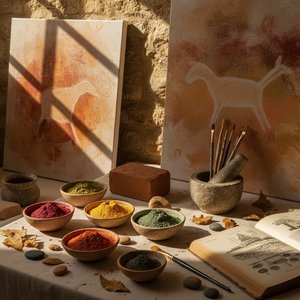
The Resonance of Earthly Tones: Exploring Nuance, History & Emotional Impact in Art
Explore the captivating world of earth tones in art! Discover historical context, emotional resonance & artistic techniques behind these timeless colors. Find inspiration for your home decor and museum-quality reproductions.


