

 Previzualizare
 Trimite
 Distribuie
 Detalii despre lucrare

 Descarcă
 Produse similare
 Radiografie
 Diapozitive automate
Elizabeth Cady Stanton

 Vezi mai mult
Reproducere pictată manual în ulei
Pictură în ulei pe pânză, realizată manual de artiștii noștri la dimensiunea și ramele dorite de dumneavoastră, pe comandă. ( Comandă printul Cumpără imaginea)




































Alegeți dintre dimensiunile noastre prestabilite, care respectă proporțiile originale ale operei de artă.

Puteți introduce propriile dimensiuni pentru a se potrivi unui anumit cadru sau spațiu. Dacă dimensiunea selectată nu corespunde proporțiilor imaginii originale, vom decupa opera de artă sau vom extinde pictura cu elemente suplimentare pictate manual. O simulare digitală vă va fi trimisă pentru aprobare înainte de începerea producției.
Vă rugăm să rețineți că previzualizarea de pe ecran nu reflectă decuparea sau extinderea reală. Doar macheta va arăta cu exactitate compoziția finală.
Deși sunt disponibile dimensiuni personalizate, vă recomandăm să selectați o dimensiune din lista predefinită pentru a păstra proporțiile originale.
După plasarea comenzii, echipa OriginalUniqueArt.com va contacta clientul prin e-mail pentru instrucțiuni și îi va furniza o previzualizare a machetei
Livrare în întreaga lume () în 3-4 săptămâni, în loc de cele 5 săptămâni standard. (20 August). Fără compromisuri în ceea ce privește calitatea.

Livrare expres gratuită la nivel mondial

Pânză de in de înaltă calitate

Asigurare completă pentru transport

Garanție de rambursare a taxelor vamale

Garanția fidelității culorilor

Politica de retur în 60 de zile (doar pentru defecte)

Garanție de rambursare 100%

Ofertă pentru comenzi multiple
 Opțiunea cu sticlă este disponibilă doar pentru dimensiuni de sub 110 cm

Elizabeth Cady Stanton
Tehnică de reproducere
Dimensiune reproducere
-


Preț total calculat
$ 300
Biografie artist
A Life Shaped by Resilience and Artistic Devotion
Anna Elizabeth Klumpke, born in San Francisco in 1856, navigated a life marked by both physical challenges and remarkable artistic achievement. From an early age, her path was defined by adversity; a fractured femur at three, followed by osteomyelitis with purulent knee arthritis at five, left her with a lifelong limp and reliant on a cane. Yet, this hardship did not diminish her spirit but rather fostered a quiet determination that would permeate both her personal life and artistic endeavors. Her upbringing within a family of exceptionally accomplished women—a neurologist sister, an astronomer, a violinist, and a pianist—cultivated an environment brimming with intellectual curiosity and ambition. This familial constellation undoubtedly played a pivotal role in shaping Klumpke’s own aspirations and providing unwavering support as she pursued her passion for painting. Extensive home tutoring focused on languages, art, and music prepared her for a life that would intertwine travel, education, and creative expression. The family's frequent journeys to Europe seeking medical treatment also provided invaluable exposure to the artistic heart of the continent.From Parisian Salons to an Enduring Legacy
Klumpke’s formal artistic training began in Paris at the prestigious Académie Julian under Tony Robert-Fleury and Jules Lefebvre, beginning in 1883. She quickly gained recognition within the established art world, exhibiting her work at the Salon des Artistes Français as early as 1884. Her initial paintings were largely genre scenes—pastoral depictions rendered with a sentimental and academic style that resonated with contemporary tastes. A brief return to America saw her teaching art in Boston, but Paris continued to beckon, drawing her back to its vibrant artistic community. It was there, however, that her life took an extraordinary turn, profoundly influencing both her personal happiness and her artistic focus. From childhood, Klumpke harbored a deep admiration for the groundbreaking animal painter Rosa Bonheur, even possessing a “Rosa” doll as a cherished keepsake. This early fascination blossomed into a lifelong connection when she strategically engineered a meeting with Bonheur in 1889 under the guise of securing a portrait commission. What began as a professional encounter quickly evolved into a close personal and romantic relationship that would last until Bonheur’s death in 1899.The Muse and the Guardian
Klumpke became not only Bonheur's confidante but also her official portraitist, creating several significant images of the renowned artist. Upon Bonheur’s passing, Klumpke inherited her estate and dedicated herself to meticulously managing the sale of her artwork in 1900—a task she undertook with unwavering diligence and respect for Bonheur’s artistic vision. Beyond this practical responsibility, she actively worked to preserve and promote Bonheur's legacy, establishing the Rosa Bonheur Prize at the Société des Artistes Français and founding the Rosa Bonheur Museum at Fontainebleau Palace. Perhaps her most enduring contribution was the publication of *Sa Vie, Son Oeuvre* (Her Life, Her Work) in 1908—a detailed biography based on intimate knowledge gleaned from years spent with Bonheur, as well as access to her letters and writings. This work remains an invaluable resource for understanding Bonheur’s artistic process, personal life, and the challenges she faced as a woman artist in a male-dominated field.A Continuing Artistic Voice and Historical Significance
Even amidst her dedication to preserving Bonheur's legacy, Klumpke continued to exhibit her own work throughout her career, including at the 1893 World’s Columbian Exposition in Chicago. While maintaining a generally academic approach, her later paintings occasionally incorporated subtle Impressionistic elements, reflecting the evolving artistic landscape of the time. In 1940, she further enriched the historical record with the publication of her autobiography, *Memoirs of an Artist*, offering personal reflections on her life and career. Klumpke spent her final years dividing her time between France, Boston, and San Francisco before settling permanently in her hometown, where she passed away in 1942 at the age of 85. Her story stands as a testament to the resilience and determination of women artists navigating a challenging era. She not only carved out a space for herself within the art world but also played a crucial role in safeguarding the legacy of one of its most important figures, Rosa Bonheur. Klumpke’s life and work offer invaluable insights into the complexities of artistic partnership, the challenges faced by female artists, and the enduring power of dedication to both personal passion and historical preservation.Notable Works
- In the Wash-house (1888): A captivating oil painting depicting women engaged in domestic labor, showcasing Klumpke’s early mastery of genre painting.
- Elizabeth Cady Stanton (1889): A compelling portrait of the renowned suffragist and women's rights advocate.
- Rosa Bonheur (1898): Perhaps her most famous work, a poignant and insightful portrait of the artist who profoundly influenced her life.
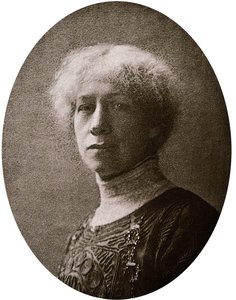
Anna Elizabeth Klumpke
1856 - 1942 , United States of America
Detalii rapide
- Artistic Movement Or Style: Genre painting, Portraiture
- Artists Who Influenced This Artist: ['Rosa Bonheur']
- Date Of Birth: October 28, 1856
- Date Of Death: February 9, 1942
- Full Name: Anna Elizabeth Klumpke
- Nationality: American
- Notable Artworks:
- In the Wash-house
- Elizabeth Cady Stanton
- Rosa Bonheur
- Place Of Birth: San Francisco, USA

