Pop Art
Mick Jagger (Andy Warhol)
Andy Warhol (1928–1987) a realizat Mick Jagger. Face parte din mișcarea Pop Art. Este realizată în Serigrafie.
- Serigrafie

 Previzualizare

 Tablou în ulei pictat manual
 Trimite prin felicitare
 Distribuie
 Ghid


 Descarcă imaginea
 Produse similare
 Radiografie
 Galerie foto
 Întrebări și răspunsuri

 Statistici
Mick Jagger: esențialul
- Titlu
- Mick Jagger
- Artist
- Andy Warhol (1928–1987)
- Artist născut în
- Pittsburgh, Statele Unite ale Americii
- Medium
- Serigrafie
- Mișcare
- Pop Art
- Perioadă
- Era modernă
Ce reprezintă Mick Jagger?
Mick Jagger: A Pop Art Icon by Andy Warhol
- Artist: Andy Warhol
- Birth Year: 1928
- Death Year: 1987
Andy Warhol, a towering figure in the Pop Art movement, immortalized Mick Jagger, the charismatic frontman of The Rolling Stones, in a series of screen prints that capture the essence of rock and roll rebellion. This artwork is more than just a portrait; it's a cultural statement reflecting the burgeoning celebrity culture of the 1970s and Warhol’s fascination with fame, image, and mass production.
Style and Technique: The Essence of Pop Art
Warhol’s style is instantly recognizable – bold, graphic, and deliberately impersonal. He employed the screen printing technique, a process borrowed from commercial printing, to create multiple impressions of Jagger's likeness. This method allowed for repetition and variation, mirroring the mass-produced imagery prevalent in advertising and consumer culture. The use of vibrant, often contrasting colors—sometimes stark black and white—further emphasizes the artwork’s Pop Art aesthetic. Warhol didn't strive for photorealistic representation; instead, he abstracted Jagger's image, reducing it to its essential elements – a recognizable face, a rebellious attitude.
Historical Context: The Rolling Stones and 1970s Culture
The creation of this portrait is deeply rooted in the cultural landscape of the 1970s. The Rolling Stones were at the peak of their fame, embodying the spirit of rock and roll rebellion and challenging societal norms. Warhol’s collaboration with Jagger began in 1963 when he designed the cover for *The Rolling Stones' Early Years* album. Their friendship deepened over time, culminating in this portfolio of ten screen prints published in 1975. The artwork reflects a period of significant social change and artistic experimentation, where traditional notions of art were being questioned and redefined.
Symbolism and Emotional Impact
The portrait of Mick Jagger is rich with symbolism. Jagger’s iconic status as a rock star represents youth, rebellion, and the power of popular culture. Warhol's use of repetition suggests the commodification of celebrity – how images are endlessly reproduced and consumed by the masses. The often-blurred or fragmented nature of Jagger’s face can be interpreted as a commentary on the elusive nature of identity in the age of mass media. Emotionally, the artwork evokes a sense of energy, excitement, and perhaps even a touch of irony. It captures the raw charisma of Mick Jagger while simultaneously questioning the very concept of celebrity.
A Lasting Legacy
Andy Warhol’s portrait of Mick Jagger remains an enduring symbol of Pop Art and a testament to the power of image in contemporary culture. Its bold aesthetic, historical significance, and emotional resonance continue to captivate audiences worldwide. Owning a reproduction of this iconic artwork is not just acquiring a piece of art; it's embracing a moment in history and celebrating the legacy of two cultural giants.
Mick Jagger în înaltă rezoluție

Protejat de drepturile de autor: imaginea este prezentată în scop de referință.
Mai multe dimensiuni, cadruri și citări →Andy Warhol, Mick Jagger.
Întrebări despre Mick Jagger
Unde pot găsi un ghid pentru "Mick Jagger"?
O pagină de Fișă informativă este disponibilă pentru "Mick Jagger" de Andy Warhol: o fișă informativă imprimabilă despre operă, concepută pentru elevi și utilizare în mediul școlar.
Unde pot descărca imaginea pentru "Mick Jagger" de Andy Warhol?
Imaginea pentru "Mick Jagger" de Andy Warhol poate fi descărcată de pe pagina dedicată lucrării, Descărcare: descărcare imagine digitală de înaltă rezoluție.
Ce stare și ce emoție se regăsesc în "Mick Jagger"?
"Mick Jagger" de Andy Warhol transmite un sentiment Dramatic, într-o atmosferă generală Impactant.
Ce loc ocupă "Mick Jagger" de Andy Warhol în istoria artei?
Clasificarea istorică a operei "Mick Jagger" de Andy Warhol este Pop Art, din perioada Era modernă.
Ce tehnică și stil caracterizează "Mick Jagger" de Andy Warhol?
"Mick Jagger" de Andy Warhol îmbină tehnica Serigrafie cu stilul Pop Art. Tehnica și mișcarea definesc modul de execuție și estetica operei.
"Mick Jagger" de Andy Warhol este o operă de artă luminoasă sau întunecată?
"Mick Jagger" are strălucitor în întregime, iar luminozitatea sa este Echilibru luminos.
„Mick Jagger” prezintă contraste puternice între lumină și întuneric?
Nivelul de contrast al operei "Mick Jagger" de Andy Warhol este Contrast maxim.
Care sunt culorile dominante în "Mick Jagger" de Andy Warhol?
„Mick Jagger” este definit de o paletă Culori neutre, dominată de culoarea Lemn de mal (#997b52).
Unde pot vedea o previzualizare a unei reproduceri a operei "Mick Jagger" de Andy Warhol?
O previzualizare a lucrării "Mick Jagger" de Andy Warhol este disponibilă pe pagina de Previzualizare în spațiu a acesteia.
Despre artistul Andy Warhol

1928–1987, Statele Unite ale Americii
Andy Warhol
Viața timpurie a lui Andy Warhol Pentru a înțelege mecanismul imaginii moderne, trebuie să privim înapoi, la asprimea industrială a orașului Pittsburgh, Pennsylvania. Andy Warhol s-a născut sub numele de Andrew Warhola Jr., pe 6 august 1928, într-un mediu de clasa muncitoare, lipsit de orice pretenție de înaltă cultură. Fiind cel mai tânăr dintre cei trei fii ai lui Andrej Warhola și Julia Zavacky Warhola, rădăcinile sale s-au ancorat într-o realitate americană autentică, neșlefuită. Această ascendență, marcată de originile părinților săi imigranți din regiunea europeană care astăzi este Slovacia, i-a oferit fundamentul pentru acea tensiune profundă dintre experiența imigranților și explozia consumismului pe care urma să o documenteze ulterior.
Alte lucrări ale lui Andy Warhol
 Cutii de supă Campbell1962
 Diptic Marilyn1962
 Mașină prăbușită de 19 ori, Privată1963
 Marilyn, leo castelli gallery, new york1964
Eseuri despre Mick Jagger
 Andy Warhol: Cele Mai Iconice 25 De Opere – Artă Pop Pentru Decorul TăuDescoperă cele mai iconice 25 de opere ale lui Andy Warhol! Explorează istoria fascinantă a artei pop, serigrafiile vibrante și portretele …
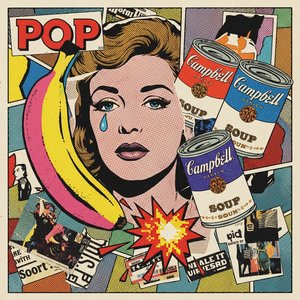 Challenging Conventions: Pop Art's Origins, Evolution & Enduring LegacyExplore the fascinating history of Pop Art, from its rebellious origins to its enduring influence on contemporary artists. Discover key fig…
 Pop Art Unmasked: The Bold Tech Behind Warhol’s Screenprints and Lichtenstein’s DotsGo behind the scenes of Pop Art's visual revolution. Discover the industrial secrets of Warhol’s silk screens and Lichtenstein’s iconic Ben…