Comandă pictură realizată manual
 Vezi mai mult







































 Pentru opere de artă sau reproduceri care depășesc 105 cm (aproximativ 41 de inch) pe oricare dintre laturi, cadrul va fi livrat demontat, sub formă de kit. Această metodă asigură o livrare sigură și previne deteriorarea în timpul transportului.


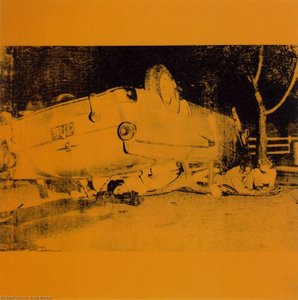
Mick Jagger: A Pop Art Icon by Andy Warhol
- Artist: Andy Warhol
- Birth Year: 1928
- Death Year: 1987
Andy Warhol, a towering figure in the Pop Art movement, immortalized Mick Jagger, the charismatic frontman of The Rolling Stones, in a series of screen prints that capture the essence of rock and roll rebellion. This artwork is more than just a portrait; it's a cultural statement reflecting the burgeoning celebrity culture of the 1970s and Warhol’s fascination with fame, image, and mass production.
Style and Technique: The Essence of Pop Art
Warhol’s style is instantly recognizable – bold, graphic, and deliberately impersonal. He employed the screen printing technique, a process borrowed from commercial printing, to create multiple impressions of Jagger's likeness. This method allowed for repetition and variation, mirroring the mass-produced imagery prevalent in advertising and consumer culture. The use of vibrant, often contrasting colors—sometimes stark black and white—further emphasizes the artwork’s Pop Art aesthetic. Warhol didn't strive for photorealistic representation; instead, he abstracted Jagger's image, reducing it to its essential elements – a recognizable face, a rebellious attitude.
Historical Context: The Rolling Stones and 1970s Culture
The creation of this portrait is deeply rooted in the cultural landscape of the 1970s. The Rolling Stones were at the peak of their fame, embodying the spirit of rock and roll rebellion and challenging societal norms. Warhol’s collaboration with Jagger began in 1963 when he designed the cover for *The Rolling Stones' Early Years* album. Their friendship deepened over time, culminating in this portfolio of ten screen prints published in 1975. The artwork reflects a period of significant social change and artistic experimentation, where traditional notions of art were being questioned and redefined.
Symbolism and Emotional Impact
The portrait of Mick Jagger is rich with symbolism. Jagger’s iconic status as a rock star represents youth, rebellion, and the power of popular culture. Warhol's use of repetition suggests the commodification of celebrity – how images are endlessly reproduced and consumed by the masses. The often-blurred or fragmented nature of Jagger’s face can be interpreted as a commentary on the elusive nature of identity in the age of mass media. Emotionally, the artwork evokes a sense of energy, excitement, and perhaps even a touch of irony. It captures the raw charisma of Mick Jagger while simultaneously questioning the very concept of celebrity.
A Lasting Legacy
Andy Warhol’s portrait of Mick Jagger remains an enduring symbol of Pop Art and a testament to the power of image in contemporary culture. Its bold aesthetic, historical significance, and emotional resonance continue to captivate audiences worldwide. Owning a reproduction of this iconic artwork is not just acquiring a piece of art; it's embracing a moment in history and celebrating the legacy of two cultural giants.
Întrebări și răspunsuri
Mick Jagger este pictat manual sau este o printare?
Pictată manual: un pictor profesionist recreează Mick Jagger în ulei pe pânză de in.
Ce dimensiune ar trebui să aleg pentru Mick Jagger?
Dimensiunile variază de la 38.1 x 26.3 cm (lei956) la 242.7 x 167.6 cm (lei7267); tabelul de pe această pagină prezintă principalele variante de dimensiuni și prețurile acestora.
Cât durează livrarea?
Livrarea durează între 4 și 5 săptămâni, cu transport expres gratuit în întreaga lume; pe această pagină este disponibilă o opțiune de producție urgentă. Îl puteți returna în termen de 100 de zile pentru o rambursare integrală, fără nicio condiție.
Ce tehnică a folosit Andy Warhol pentru Mick Jagger?
Serigrafie
Mai multe detalii despre această pictură
 Previzualizare

 Trimite prin felicitare
 Distribuie
 Detalii despre lucrare
 Ghid


 Descarcă imaginea
 Produse similare
 Radiografie
 Galerie foto
 Întrebări și răspunsuri

 Statistici