Comută pe versiunea Print
 Vezi mai mult







































 Pentru opere de artă sau reproduceri care depășesc 105 cm (aproximativ 41 de inch) pe oricare dintre laturi, cadrul va fi livrat demontat, sub formă de kit. Această metodă asigură o livrare sigură și previne deteriorarea în timpul transportului.


Magazine and History: A Symphony of Reproduction
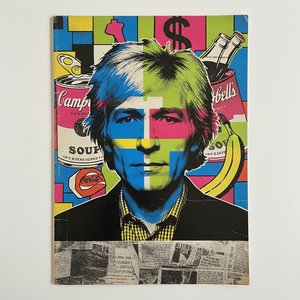
Andy Warhol’s monumental collage, “Magazine and History,” stands as a testament to the pervasive influence of Pop Art on the artistic landscape of the 1980s. Measuring approximately four meters in height, this ambitious work isn't merely an image; it’s an experience—a deliberate confrontation with the visual language of mass production and celebrity culture. Completed in 1983 and housed within the Hubert Burda Media collection, the piece immediately grabs attention with its sheer scale and densely populated composition.- Subject Matter: The artwork centers on a sprawling assemblage of reproductions from *Bunte*, a prominent West German magazine known for its flamboyant coverage of celebrities, political figures, and cultural trends during the 1960s and 70s. Warhol’s selection captures a pivotal moment in German history—a period marked by social upheaval and burgeoning optimism regarding artistic expression.
- Style: Warhol's signature Pop Art style is unmistakable. Rejecting traditional notions of beauty and elevating commonplace imagery to the level of art, he employs techniques reminiscent of Andy Warhol’s screen printing method, prioritizing repetition and mirroring the aesthetic principles of industrial production.
Historical Context: Embracing Mass Culture
“Magazine and History” reflects Warhol's fascination with American popular culture—specifically the dissemination of images through mass media. By appropriating magazine covers, Warhol engages in a dialogue with the cultural anxieties and aspirations of his time. The recurring *Bunte* logo serves as a visual anchor, grounding the artwork within its specific socio-political context. Furthermore, the faces of influential figures – politicians and celebrities alike – symbolize the artist’s exploration of identity and representation within a rapidly changing society.Symbolism: Layers of Image and Meaning
The collage's seemingly chaotic arrangement is deliberately constructed to convey deeper symbolic resonances. Warhol’s use of repetition underscores the concept of seriality—a hallmark of Pop Art—highlighting the impact of mass production on artistic creativity. The overlapping images create a sense of visual ambiguity, inviting viewers to contemplate multiple perspectives and interpretations. Ultimately, “Magazine and History” functions as an emblem of Warhol's belief that art could derive inspiration from everyday life and commercial endeavors.Emotional Impact: A Snapshot of Zeitgeist
More than just a visually striking artwork, "Magazine and History" evokes the spirit of its era—a time characterized by both excitement and uncertainty. The bold colors and sharp contrasts contribute to an energetic visual experience that captures the dynamism of the 1960s and 70s. Warhol’s masterful manipulation of image reproduction compels contemplation on themes of authenticity, appropriation, and the role of media in shaping cultural consciousness. It remains a powerful reminder of Warhol's enduring legacy as one of the most influential artists of the twentieth century.Întrebări și răspunsuri
Unde pot vizualiza "Magazine and History" de Andy Warhol sub formă de diaporama?
Diaporama pentru "Magazine and History" poate fi vizualizată pe pagina Galerie foto a operei de artă.
Sub ce alte nume este cunoscut/ă Andy Warhol?
Andy Warhol este cunoscut și sub numele de Andrew Warhola Jr..
Cât de armonios interacționează culorile din "Magazine and History"?
Armonia cromatică a operei "Magazine and History" este descrisă ca fiind Paletă de culori discordante.
 Previzualizare
 Trimite prin felicitare
 Distribuie
 Detalii despre lucrare
 Ghid
Ghid

 Descarcă imaginea
 Produse similare
 Radiografie
 Galerie foto
 Q&A
Q&A Statistici