Fauvism · 1912
Cliffs (André Derain, 1912)
André Derain (1880–1954) a realizat Cliffs. Data sa este din 1912. Face parte din mișcarea Fauvism.
- 1912

 Previzualizare

 Tablou în ulei pictat manual
 Trimite prin felicitare
 Distribuie
 Ghid


 Descarcă imaginea
 Produse similare
 Radiografie
 Galerie foto
 Întrebări și răspunsuri

 Statistici
Cliffs: esențialul
- Titlu
- Cliffs
- Artist
- André Derain (1880–1954)
- Artist născut în
- Chatou, Franța
- Date
- 1912
- Mișcare
- Fauvism
- Subiect
- landscape, cliffs, mountains, village, waterfall, fauvism
Ce reprezintă Cliffs?
A Vision of Verdant Majesty: André Derain's "Cliffs"
André Derain’s “Cliffs,” painted in 1912 and residing within the esteemed State Hermitage Museum, is more than just a landscape; it's a vibrant testament to the revolutionary spirit of Fauvism. This artwork captures a breathtaking vista of mountains, cliffs, and cascading waterfalls, transporting viewers to a realm where nature’s power and tranquility intertwine. The scene unfolds with a charming village nestled in the valley below, framed by majestic peaks blanketed in lush greenery – an idyllic paradise rendered through Derain's distinctive lens. Two quaint houses near the bottom left corner add a touch of human presence to this otherwise wild expanse. The overall impression is one of dynamic energy and harmonious balance, showcasing nature’s grandeur alongside the quiet resilience of human settlement.Fauvism in Full Bloom: Style & Technique
"Cliffs" exemplifies the core tenets of Fauvism, a groundbreaking art movement that emerged in the early 20th century. Characterized by its bold use of color and expressive brushstrokes, Fauvism sought to liberate painting from representational constraints, prioritizing emotional impact over strict realism. Derain, alongside contemporaries like Henri Matisse, was a pivotal figure in this movement. The technique employed here is immediately striking: colors are applied directly to the canvas with loose, gestural strokes, creating a textured surface that vibrates with energy. Notice how the blues of the sky aren't blended seamlessly but rather layered and juxtaposed, contributing to a sense of atmospheric depth. The simplification of forms – cliffs rendered as sweeping planes of color rather than meticulously detailed rock faces – further emphasizes the painting’s emotional intensity. The lack of precise detail encourages viewers to engage with the artwork on a visceral level, responding to its raw energy and vibrant hues.Historical Context & Artistic Influences
Painted in 1912, "Cliffs" reflects a period of significant artistic experimentation. Following the Impressionists' focus on capturing fleeting moments of light, Fauvism pushed boundaries even further, embracing subjectivity and emotional expression. Derain’s work during this time was also influenced by his exploration of London, where he captured the city with a radical perspective distinct from previous depictions. The movement itself arose as a reaction against the academic traditions that dominated the art world at the time, seeking to forge a new path for artistic innovation and personal expression. Derain’s willingness to break free from conventional representation positioned him at the forefront of this transformative era.Symbolism & Emotional Resonance
Beyond its aesthetic appeal, "Cliffs" carries symbolic weight. The imposing cliffs themselves can be interpreted as symbols of strength, permanence, and the enduring power of nature. The small village nestled below suggests human resilience and adaptability in the face of such grandeur. The cascading waterfall represents a constant cycle of renewal and transformation. Ultimately, Derain’s "Cliffs" evokes a profound sense of tranquility and awe. It invites viewers to contemplate the beauty and majesty of the natural world while simultaneously celebrating the power of artistic expression to convey complex emotions and ideas. The painting's vibrant colors and dynamic composition create an uplifting and inspiring experience, making it a timeless masterpiece that continues to resonate with audiences today.Cliffs în înaltă rezoluție

Domeniu public: artistul a decedat în 1954.
Mai multe dimensiuni, cadruri și citări →André Derain, Cliffs (1912). Domeniu public
Un expert digital verifică culorile în raport cu pictura originală și retușează fișierul, respectând fidelitatea brushwork-ului artistului.
Cumpără imaginea la rezoluție înaltăÎntrebări despre Cliffs
În ce an a fost creată „Cliffs”?
Opera "Cliffs" de André Derain a fost creată în 1912.
Ce subiecte sunt reprezentate în "Cliffs" de André Derain?
Subiectele din "Cliffs" sunt landscape, cliffs, mountains, village, waterfall, fauvism, hermitage.
"Cliffs" de André Derain face parte din domeniul public?
"Cliffs" de André Derain este în domeniul public (în domeniul public – drepturile de autor au expirat). Acest statut reglementează modul în care imaginea lucrării poate fi reprodusă.
Cine este artistul din spatele "Cliffs"?
Artistul din spatele operei „Cliffs” este André Derain. Lucrarea este catalogată sub numele lui André Derain.
Din ce curent artistic face parte "Cliffs" de André Derain?
„Cliffs” este o operă de Fauvism. Acest curent indică tradiția artistică din care face parte lucrarea.
În ce etapă a evoluției lui André Derain se încadrează „Cliffs”?
„Cliffs” aparține perioadei Early Fauvist Period din cariera lui André Derain. Această clasificare corelează opera cu evoluția artistului.
Ce vârstă avea André Derain când a fost creat "Cliffs"?
André Derain avea 32 ani când a creat "Cliffs" în 1912. Vârsta este calculată pe baza anului nașterii artistului, 1880.
Este "Cliffs" de André Derain în domeniul public și care este motivul?
"Cliffs" de André Derain este în domeniul public – drepturile de autor au expirat. Durata protecției drepturilor de autor se calculează de la data decesului artistului, survenit în anul 1954.
Unde se încadrează "Cliffs" în întreaga creație a lui André Derain?
În creația lui André Derain, „Cliffs” se înscrie în stilul Fauvism, alături de temele represents a key work in derain's fauvist phase., celebrates nature’s beauty, tranquility, and vibrancy..
Despre artistul André Derain
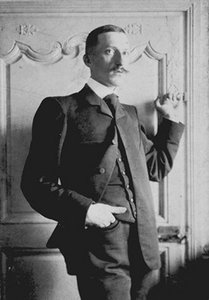
1880–1954, Franța
André Derain
Tinerețe, Familie și Formare În anul 1880, André Derain a păşit pe lume în Chatou, un orășel pitoresc situat în regiunea Yvelines, din Franța. Primii săi ani au fost modelați de peisajele liniștite din Île-de-France, unde o curiozitate naturală pentru mediul înconjurător a început să prindă rădăcini. Până în 1895, acesta începuse deja să studieze pe cont propriu, căutând să înțeleagă lumea vizuală prin propriile sale ochi, mai degrabă decât prin instruirea formală. Această perioadă de explorare autodidactă i-a permis să își dezvolte un mod personal de a vedea, înainte ca rigoarea unei academii să îi poată impune propria voință.
Despre André Derain Lucrări remarcabile ale lui André Derain
Alte lucrări ale lui André Derain
 bathers1907
 London Bridge1906
 Charing Cross from sw1906
 Landscape at L'Estaque1906

Eseuri despre Cliffs
 André Derain: Fauvism's Bold Visionary & the Evolution of Modern ColorExplore the revolutionary art of André Derain, co-founder of Fauvism. Discover his bold use of color, evolution from radical expressionism …
 The Architecture of Awe: Examining the Sublime Power of Cliffs in Romantic Landscape ArtExplore the profound power of cliffs in Romantic art through expert analysis of the sublime. Discover the masters of landscape today.
 Fauvism vs German Expressionism: Distinguishing Color and EmotionMaster the differences between Fauvism and German Expressionism through expert analysis. Learn to decode the emotion behind the color today.