Fauvism
Cassis (André Derain)
André Derain (1880–1954) a realizat Cassis. Face parte din mișcarea Fauvism. Este realizată în Oil On Canvas.
- Oil On Canvas

 Previzualizare

 Tablou în ulei pictat manual
 Trimite prin felicitare
 Distribuie
 Ghid


 Descarcă imaginea
 Produse similare
 Radiografie
 Galerie foto
 Întrebări și răspunsuri

 Statistici
Cassis: esențialul
- Titlu
- Cassis
- Artist
- André Derain (1880–1954)
- Artist născut în
- Chatou, Franța
- Medium
- Oil On Canvas
- Mișcare
- Fauvism
- Perioadă
- Modern
- Subiect
- village, trees, church, house, people, buildings
Ce reprezintă Cassis?
Identification of the Landscape at Cassis
The artwork titled Cassis, also known as Landscape at Cassis, is an oil on canvas painting. This work was executed by the French artist André Derain in 1907. The subject matter focuses on a landscape setting located in Cassis, France.
The painting depicts a village scene characterized by various structures and natural elements. A church occupies a central position within the town. Surrounding this central building are numerous trees. The composition includes a house with a red roof and a building resembling a barn. Several people are positioned throughout the scene, appearing to move through or observe the village environment.
Visual Composition and Subject Matter
The composition centers on a hillside landscape where a house with a red roof sits among various trees. This structure is positioned on an incline, surrounded by dense vegetation. Several people are scattered throughout the scene, appearing as small figures engaged in activities or observing the view. The arrangement of the terrain and the placement of the buildings create a sense of a settled village environment.
The natural elements are rendered as a dense web of stylized forms. These shapes are distributed across a smooth surface, creating a patterned effect within the landscape. The trees and the surrounding greenery form a complex network of lines and colors that define the topography of the hillside. The presence of the church and the barn adds structural variety to the village setting, contrasting with the organic shapes of the foliage.
Artistic Style and Technique
The work exemplifies the essence of Fauvism through its use of vivid colors and energetic brushstrokes. The application of paint involves thick black outlines that define the various structures and natural elements within the scene. These heavy contours create a sharp separation between the buildings, the trees, and the sky. The color palette relies on stark contrasts to establish form and depth. This approach moves away from naturalistic shading in favor of direct, unmixed hues.
The composition occupies a position halfway between Fauvism and Cubism. While the color application remains bold and non-representational, there is an emerging interest in structure and form. The artist uses a dense web of stylized natural elements across the surface. These elements are rendered with a controlled, almost geometric quality that suggests a transition toward more structured compositions. The brushwork remains visible and rhythmic, contributing to the overall sense of movement within the landscape.
Related Works by André Derain
The artist's exploration of the French coastline includes The Cypresses at Cassis and Landscape near Cassis (Paysage aux environs de Cassis). These works focus on the specific light and topography of the region. In the latter, the composition features a house with a red roof situated on a hillside, surrounded by trees and figures. The palette in these studies often utilizes the intense colors associated with the Fauvist movement, employing bold and non-naturalistic hues to define the landscape.
During a period of travel to the United Kingdom, Derain produced a series of thirty paintings focused on the urban environment of London. These works move away from the quietude of the French countryside to capture the structural weight of the city and the movement of the Thames. His later output also includes Harlequin and Pierrot, a work from 1924 that reflects a shift in his stylistic direction following his earlier experimental years.
- The Cypresses at Cassis
- Landscape near Cassis (Paysage aux environs de Cassis)
- Harlequin and Pierrot
Where to See This Artwork Today
The oil on canvas painting is currently held within the collection of the New Orleans Museum of Art. This institution maintains the work as part of its permanent holdings. Visitors seeking to observe the piece in person can find it within this specific museum setting.
The provenance and ownership of the work involve the Hermann und Margrit Rupf-Stiftung, Kunstmuseum Bern. This association links the painting to the collection at the Kunstmuseum Bern. Additionally, the artist's broader body of work is represented in the Musee d'art moderne Andre Malraux, which houses other pieces by the same hand.
Cassis în înaltă rezoluție

Domeniu public: artistul a decedat în 1954.
Mai multe dimensiuni, cadruri și citări →André Derain, Cassis. Domeniu public
Un expert digital verifică culorile în raport cu pictura originală și retușează fișierul, respectând fidelitatea brushwork-ului artistului.
Cumpără imaginea la rezoluție înaltăÎntrebări despre Cassis
Cât de luminoasă este, în ansamblu, lucrarea "Cassis"?
În general, "Cassis" este înregistrată ca având o shadow. Luminozitatea percepută descrie cât de deschisă sau întunecată pare lucrarea.
"Cassis" de André Derain este o operă de artă luminoasă sau întunecată?
"Cassis" de André Derain este înregistrat cu o shadow, având o luminanță de Soft Shadow.
Din ce epocă datează "Cassis"?
"Cassis" de André Derain datează din perioada Modern. Această epocă oferă contextul istoric al lucrării.
Ce utilizare și ce spațiu sunt recomandate pentru "Cassis" de André Derain?
„Cassis” este recomandat pentru Focal, iar spațiul ideal de expunere este o Living Room.
Pot vedea o previzualizare a "Cassis" de André Derain înainte de a comanda?
O previzualizare a lucrării "Cassis" de André Derain este disponibilă pe pagina de Previzualizare în spațiu a acesteia.
Cum se încadrează "Cassis" în rândul temelor recurente ale lui André Derain?
"Cassis" înfățișează village, trees, church, house, people, buildings, red roof, în timp ce temele recurente ale lui André Derain sunt influenced by matisse, influenced by cézanne, fauvist movement essence, key fauvist work. Compararea celor două relevă modul în care această lucrare se raportează la subiectele obișnuite ale artistului.
Care este culoarea dominantă în "Cassis" de André Derain?
Aquamarine (#96e1e8) este culoarea dominantă a operei "Cassis" de André Derain.
Ce atmosferă conferă "Cassis" de André Derain unui interior?
"Cassis" de André Derain emană o atmosferă Bold și este recomandată pentru o Living Room. Întreaga dispoziție este ceea ce lucrarea aduce în spațiul din jurul său.
Cum se îmbină contrastul și armonia în "Cassis"?
Compoziția cromatică a operei "Cassis" de André Derain îmbină un Statement contrast cu o Discordant Palette armonie.
Despre artistul André Derain
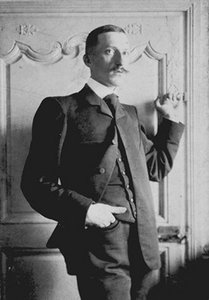
1880–1954, Franța
André Derain
Tinerețe, Familie și Formare În anul 1880, André Derain a păşit pe lume în Chatou, un orășel pitoresc situat în regiunea Yvelines, din Franța. Primii săi ani au fost modelați de peisajele liniștite din Île-de-France, unde o curiozitate naturală pentru mediul înconjurător a început să prindă rădăcini. Până în 1895, acesta începuse deja să studieze pe cont propriu, căutând să înțeleagă lumea vizuală prin propriile sale ochi, mai degrabă decât prin instruirea formală. Această perioadă de explorare autodidactă i-a permis să își dezvolte un mod personal de a vedea, înainte ca rigoarea unei academii să îi poată impune propria voință.
Despre André Derain Lucrări remarcabile ale lui André Derain
Alte lucrări ale lui André Derain
 bathers1907
 London Bridge1906
 Charing Cross from sw1906
 Landscape at L'Estaque1906
Eseuri despre Cassis
 French artworks of the 1870sFrench Impressionist masterpieces by Claude Monet, Pierre-Auguste Renoir, and Édouard Manet define the 1870s. View the full collection on O…
 Early Netherlandish Painting vs. Italian Renaissance: A Comparative StudyMaster the differences between Netherlandish detail and Renaissance perspective. Explore this expert comparative study now.
 Fauvism and Cubism: Distinguishing Color Revolution from Spatial AnalysisMaster the core differences between Fauvism and Cubism through expert analysis. Discover how color and space redefined modern art today.