 Trimite prin felicitare
 Distribuie
 Detalii despre lucrare
 Ghid
Ghid

 Descarcă imaginea
 Produse similare
 Galerie foto
 Întrebări și răspunsuri
 Statistici
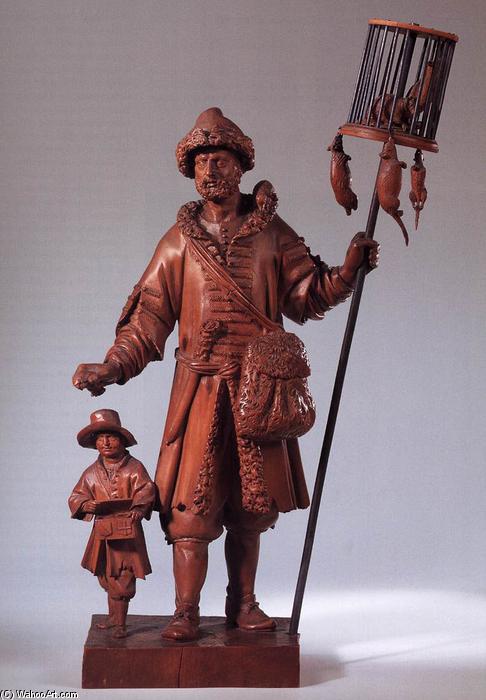
Ratcatcher


 Vezi mai mult
Obțineți un fișier gata de imprimare care depășește cu mult calitatea previzualizării web. Fiecare imagine digitală pe care o vindem provine dintr-un master de înaltă rezoluție din baza noastră de date — având, de regulă, o lățime între 5.000 și 15.000 de pixeli — astfel încât să puteți printa în format mare, să decupați strâns sau să reproduceți detalii fine cu încredere.
Niciun fișier nu părăsește studioul nostru fără să fie tratat. Un expert digital verifică nuanțele de culoare în raport cu pictura originală și le corectează acolo unde este necesar, apoi îmbunătățește claritatea și detaliile folosind instrumente profesionale de retușare — rămânând întotdeauna fidel gestului pictural și stilului artistului. Rezultatul este o imagine care seamănă cu tabloul propriu-zis, nu cu o scanare filtrată.
Aprobați înainte de finalizare: expertul nostru vă va trimite imaginea prin e-mail în termen de 72 de ore pentru revizuire. Nu sunteți mulțumit? Solicitați îmbunătățiri sau corecturi, ori cereți o restituire a plății dacă calitatea nu este pe măsura așteptărilor.
Aceasta este calitatea pe care se bazează editorii, studiourile de design, galeriile și tipăriturile.
Imagine Digitală
Descărcați un fișier la rezoluție înaltă pentru afișare personală, imprimare și proiecte creative. ( Comută pe versiunea Print Comandă pictură realizată manual)
Inclus în fiecare comandă de imagini digitale
Livrare digitală de expertiză, garantată
Când alegeți OriginalUniqueArt.com, nu primiți doar o simplă imagine – primiți o operă de artă digitală îmbunătățită profesional, creată cu precizie și susținută de o garanție de satisfacție. Iată tot ceea ce primești odată cu comanda ta, în mod automat:

Livrare rapidă prin e-mail
Fișierul imaginii digitale la rezoluție înaltă vă va fi trimis prin e-mail în termen de 72 de ore de la finalizarea comenzii – gata pentru utilizare imediată.

Fișier digital optimizat prin IA
Opera ta de artă este optimizată profesional prin intermediul unor instrumente AI avansate și al editării manuale, asigurând un nivel maxim de detalii, claritate și acuratețe a culorilor.

Retransmitere gratuită pe viață
Ai șters sau ai pierdut din greșeală fișierul? Nu îți face griji – ți-l vom retrimite oricând, gratuit.

Fără taxe de import – Întotdeauna
Bucură-te instant de noua ta operă de artă, fără taxe vamale, taxe de import sau costuri de livrare – descărcările digitale sunt întotdeauna fără taxe.

Garanția acurateții culorilor
Asigurăm o reflectare cât mai fidelă a culorilor originale în imaginea ta digitală, prin utilizarea unor instrumente profesionale și a proceselor de gestionare a culorii.

Garanție de satisfacție de 100 de zile
Dacă nu sunteți mulțumit de imaginea digitală achiziționată, o vom revizui sau vă vom returna 100% în termen de 100 de zile – fără nicio întrebare.

Garanție de returnare 100% a banilor
Nu ești mulțumit? Primești rambursarea integrală în termen de 100 de zile de la primirea fișierului digital – fără nicio întrebare.

Reduceri pentru comenzi în volum
Cumpără 3 imagini, economisește 10% - Cumpără 5, economisește 15% - Cumpără 10+, economisește 20%. Ideal pentru proiecte creative, galerii și agenții.
Ambrosius van Swol: The Silent Sculptor of Utrecht – A Baroque Masterpiece Revisited
Ambrosius van Swol (c. 1640 – 1680) remains a figure shrouded in relative obscurity compared to his contemporaries—artists who graced the canvases of Rembrandt and Vermeer—yet his contribution to Dutch Baroque sculpture deserves recognition as a testament to artistic innovation within a period defined by grandeur and dramatic expression. Born in Utrecht, Netherlands, Van Swol’s life details are scarce, leaving much to speculation about his formative years and early artistic inclinations. However, surviving documentation confirms he established himself as a sculptor and frame maker around 1643, marking the beginning of a prolific career that spanned nearly four decades.
Early Career & Patronage: Van Swol’s initial commissions primarily focused on crafting ornate frames for paintings—a crucial element in the visual culture of Utrecht during his time. These frames weren't merely decorative; they were meticulously designed to enhance the luminosity and color palette of artworks, reflecting a sophisticated understanding of optics and artistic aesthetics. Evidence suggests he worked under the patronage of influential families like the Van Loon clan, whose opulent estates served as hubs for artistic activity. Notable Sculptures: While his frame work undoubtedly provided a steady income, Van Swol’s true artistry shone through in his sculptures—particularly “The Rat-Catcher,” currently housed at Museum Van Loon. This remarkable piece exemplifies the Baroque style's penchant for dramatic realism and emotional intensity. Executed around 1660, it depicts a rat catcher engaged in capturing a rodent with considerable skill and determination.
Style & Technique: Ambrosius van Swol’s artistic approach aligns closely with Albert Vinckenbrinck, a prominent Utrecht sculptor who championed naturalism and expressive dynamism. Like Vinckenbrinck, Van Swol prioritized conveying emotion through form—capturing the physicality of movement and gesture to imbue his sculptures with palpable vitality. His works are characterized by smooth surfaces, polished marble or alabaster, and subtle drapery folds that contribute to an overall sense of elegance and sophistication. The Rat-Catcher’s meticulous anatomical detail—particularly the musculature of the rat catcher’s arms—demonstrates Van Swol’s mastery of sculptural technique and his commitment to portraying human figures with unparalleled accuracy.
Historical Context & Symbolism: The Baroque era in Utrecht was marked by a fervent belief in divine providence and an obsession with conveying spiritual fervor. Artists like Van Swol sought to capture these sentiments through visual narratives—often depicting biblical scenes or mythological allegories—that aimed to inspire contemplation and instill moral virtue. “The Rat-Catcher,” therefore, transcends mere representation; it embodies the Baroque preoccupation with portraying human experience in its most visceral form. The depiction of a rat catcher symbolizes vigilance against evil forces and represents the triumph of righteousness over darkness – themes central to the artistic sensibilities of the time.
Emotional Impact & Legacy: Despite his considerable talent, Ambrosius van Swol’s artistic legacy endured relative obscurity for centuries—primarily due to the limited surviving documentation of his life and oeuvre. However, recent scholarship has begun to illuminate his significance as a sculptor who skillfully blended technical virtuosity with humanist ideals. Museums like Museum Van Loon continue to champion Van Swol's work, ensuring that this understated masterpiece retains its power to captivate audiences and inspire admiration for Dutch Baroque artistry.
Întrebări și răspunsuri
Ce reprezintă "Ratcatcher" și ce atmosferă transmite?
"Ratcatcher" de Ambrosius Van Swol înfățișează baroque sculpture, rat catcher figure, dutch art history, human anatomy detail, renaissance influence, sculptural technique, xvii century art, într-o atmosferă Elegant. Subiectul și atmosfera definesc împreună opera.
Care este culoarea dominantă în "Ratcatcher"?
Espresso (#3f1e20) este culoarea dominantă a operei "Ratcatcher" de Ambrosius Van Swol.
Unde pot vedea o previzualizare a unei reproduceri a operei "Ratcatcher" de Ambrosius Van Swol?
Pagina de Previzualizare în spațiu pentru „Ratcatcher” vă permite să vizualizați opera de artă înainte de a comanda.
Biografie artist
The Silent Sculptor of Utrecht
In the golden twilight of the Dutch seventeenth century, amidst the bustling workshops of Utrecht, lived a master whose hands shaped both the boundaries of art and the figures within them. Ambrosius van Swol (c. 1640 – 1680) remains a figure shrouded in a certain poetic obscurity, a name whispered alongside the giants of his era like Rembrandt and Vermeer, yet possessing a distinct, tactile legacy. While history often favors the sweeping narratives of painters, Van Swol carved a niche for himself through a dual mastery of the frame and the form. His early documented career, beginning around 1643, reveals an artist deeply embedded in the visual fabric of his city, serving as both a meticulous frame maker and a sculptor of profound anatomical insight.
To understand Van Swol is to understand the importance of the threshold. In his early years, he was renowned for crafting ornate frames that were far more than mere borders; they were essential extensions of the masterpieces they held. These gilded and carved enclosures were designed with a sophisticated grasp of optics, intended to enhance the luminosity and color palettes of the era's great paintings. Through this work, Van Swol developed an intimate relationship with light and shadow, a sensitivity that would later breathe life into his three-dimensional creations.
A Mastery of Form and Drama
As his career matured, Van Swol’s true sculptural voice emerged, characterized by the dramatic realism and emotional intensity synonymous with the Baroque style. His most celebrated achievement, “The Rat-Catcher,” stands as a testament to this period of creative flowering. Executed around 1660, this remarkable piece transcends simple depiction to offer a visceral glimpse into the grit and determination of everyday life. The sculpture captures a moment of focused tension, where the musculature of the figure—particularly the straining arms of the catcher—is rendered with an unparalleled accuracy that speaks to his deep study of human anatomy.
This work was not born in isolation but was part of a rich dialogue with the broader Dutch artistic landscape. Van Swol’s sculptural vision aligned closely with the naturalism and expressive dynamism championed by Albert Vinckenbrinck, another prominent Utrecht sculptor. There is a palpable sense of movement and life in his figures, an attempt to freeze a singular, breathless moment of action within the permanence of stone or bronze. His ability to convey complex human emotions through physical form allowed him to bridge the gap between the decorative and the profound.
Legacy and Historical Significance
Though his life was relatively short, ending in 1680, the impact of Van Swol’s craftsmanship left an indelible mark on the Utrecht school. His work often drew inspiration from the evocative imagery found in the etchings of Rembrandt, particularly the themes of common laborers and the dramatic interplay of light. By translating the graphic energy of printmaking into the physical weight of sculpture, he contributed to a unique synthesis of mediums that defined the Dutch Golden Age.
Today, the remnants of his brilliance can still be found in prestigious collections, such as Museum Van Loon, where his work continues to invite contemplation. His legacy is defined by several key contributions:
- The Art of the Frame: Elevating the decorative border into a vital component of the viewing experience through an advanced understanding of light and aesthetics.
- Baroque Realism: Bringing a heightened sense of anatomical truth and emotional urgency to small-scale sculpture.
- Cultural Integration: Connecting the sculptural traditions of Utrecht with the broader, world-renowned influences of the Dutch masters.
Ambrosius van Swol may be remembered as a "silent" sculptor, yet his work speaks with a resounding clarity, reminding us that the true essence of art often lies in the meticulous details and the profound strength found in the most humble of subjects.

Ambrosius Van Swol
1640 - 1680 , Netherlands
Detalii rapide
- Full Name: Ambrosius van Swol
- Nationality: Dutch
- Date Of Birth: 1640
- Date Of Death: 1680
- Place Of Birth: Utrecht, Netherlands
- Notable Artworks: ['The Rat-Catcher']
- Artistic Movement Or Style: Baroque
- Artists Who Influenced This Artist: ['Albert Vinckenbrinck']
- Artists Or Movements Influenced By This Artist: ['Vincent Van Gogh']