
 Previzualizare
 Trimite prin felicitare
 Distribuie
 Detalii despre lucrare
 Ghid
Ghid

 Descarcă imaginea
 Produse similare
 Radiografie
 Galerie foto
 Q&A
Q&A Statistici
Monaco, Monte-Carlo

 Vezi mai mult
Giclée / Imprimare artistică
Printuri giclée sau pe canvas de calitate muzeală, cu proces de producție rapid și opțiuni flexibile de finisare. ( Comandă pictură realizată manual Comută pe Imagine Digitală)




P118B lei10

P118H lei10

P118W lei10

P438Z lei10

P508JH lei12

P508YH lei12

P805H lei10

P805Z lei10

P919BZ lei10

P919G lei10

P919XJ lei10

P959ZH lei10

P968JZ lei12

W106C lei8

W218G lei10

W218JH lei8

W218Y lei10

W307PJ lei10

W316G lei10

W316PJ lei8

W316Y lei10

W398PJ lei8

W4111J lei10

W500HY lei15

W500JH lei15

W692G lei12

W849H lei8

W940BG lei15

W953PJ lei8




Alegeți dintre dimensiunile noastre prestabilite, care respectă proporțiile originale ale operei de artă.

Introduceți lățimea și înălțimea necesare pentru a se potrivi ramei sau peretelui dumneavoastră. O printare poate fi doar tăiată, niciodată extinsă dincolo de dimensiunea imaginii originale, astfel încât o dimensiune cu o formă diferită va pierde o parte din imagine. Vă trimitem o simulare digitală pentru aprobare înainte de a imprima orice. Imaginea afișată pe această pagină nu prezintă tăierea reală — doar simularea arată acest lucru.
Livrare în întreaga lume () în 2 săptămâni, în loc de cele 4/5 săptămâni standard. (1 Noiembrie)

Livrare expres gratuită la nivel mondial

Pânză de in de înaltă calitate

Asigurare completă pentru transport

Garanție de rambursare a taxelor vamale

Garanția fidelității culorilor

Politica de retur în 100 de zile (doar pentru defecte de fabricație)

Garanție de rambursare 100%

Ofertă pentru comenzi multiple
 Opțiunea cu sticlă este disponibilă doar pentru dimensiuni de sub 110 cm

Monaco, Monte-Carlo
Giclée / Imprimare artistică
Dimensiune reproducere
-


Preț total calculat
lei 379
Monaco Monte Carlo: An Ode to Elegance and Ornamentation
The artwork, “Monaco Monte Carlo,” created in 1897 by Alphonse Maria Mucha, stands as a quintessential emblem of Art Nouveau—a movement that sought to liberate art from academic constraints and embrace the beauty of organic forms inspired by nature. More than just a promotional poster for Monaco’s opulent casino district, it's a meticulously crafted visual poem celebrating luxury, leisure, and the idealized feminine spirit. Mucha’s signature style is immediately recognizable: flowing curvilinear lines dominate the composition, intertwining seamlessly with stylized floral arrangements that burst forth from the central figure’s drapery—a deliberate echo of the natural world and its fecundity.- Style & Influences: Mucha's Art Nouveau aesthetic draws heavily from influences like Pierre-Auguste Renoir and Gustave Moreau, artists who similarly explored themes of mythology and symbolism through decorative painting. However, Mucha distinguishes himself with a singular vision—one that prioritizes graceful movement and sensual beauty above all else.
- Composition & Technique: The poster employs a vertical orientation, maximizing visual impact while maintaining compositional balance. Lithography was the printing technique chosen, ensuring exceptional clarity and tonal gradation – crucial for capturing the shimmering gold leaf accents strategically applied to highlight key floral elements and contribute to the overall ethereal luminescence of the scene.
- Symbolism & Narrative: At its core lies an allegorical representation of femininity—a reclining woman adorned in flowing robes embodies elegance, serenity, and aristocratic grace. Surrounding her are stylized flowers—primarily lilies and roses—representing purity, devotion, and prosperity – motifs commonly found throughout Art Nouveau art.
- Historical Context: Monaco’s burgeoning reputation as a glamorous destination for European aristocracy fueled Mucha's artistic ambition. The poster reflects the broader cultural fascination with exotic locales and idealized beauty during the Belle Époque, capturing the spirit of an era defined by optimism and artistic experimentation.
- Floral Arrangement: The lilies and roses dominate the floral arrangement, meticulously rendered in shades of ivory and blush pink. Their petals are depicted with astonishing realism—a testament to Mucha’s meticulous observation of botanical specimens.
- Line Quality: Mucha achieves this mesmerizing effect through careful consideration of line quality—employing subtle variations in thickness and curvature to create depth and texture without resorting to traditional perspective techniques.
- Atmospheric Perspective: Mucha skillfully employs atmospheric perspective—reducing color saturation and tonal gradation in distant floral elements—to create a convincing illusion of depth.
- Sensual Appeal: Mucha's meticulous attention to detail—particularly in the depiction of drapery folds and floral textures—appeals to the senses—creating a visually stimulating experience that lingers long after viewing.
Întrebări și răspunsuri
Culorile din "Monaco, Monte-Carlo" de Alphonse Mucha sunt vii sau discrete?
"Monaco, Monte-Carlo" de Alphonse Mucha prezintă o saturație de Balanced Soft și o intensitate de Balanced.
Este "Monaco, Monte-Carlo" o operă celebră de Art Nouveau?
„Monaco, Monte-Carlo” este înregistrat ca fiind Recognized printre lucrările de tip Art Nouveau din catalog.
Sub ce alte nume sau pseudonime este cunoscut Alphonse Mucha?
Alte nume înregistrate pentru Alphonse Mucha, creatorul operei „Monaco, Monte-Carlo”, includ Alfons Mucha.
Biografie artist
Early Life and Artistic Beginnings
Alphonse Maria Mucha, un nume care a devenit sinonim cu eleganța și exuberanța Art Nouveau, s-a născut într-o mică localitate din Moravia, la 15 iulie 1860 – Ivancice, o regiune aflată astăzi în Republica Cehă. De mic, Alphonse a manifestat un talent vizual evident, o pasiune pentru desen care l-a preocupat de la o vârstă fragedă. Educația sa timpurie nu a fost una convențională; în loc să urmeze un traseu academic strict, tânărul Mucha a găsit inspirație în scenele teatrale locale, unde a lucrat ca decorist, dezvoltând o apreciere pentru culori vibrante și forme organice. Apoi, s-a mutat la Viena, unde a continuat studiile sale artistice într-un mediu mai dinamic, absorbind influențele diverse ale scenei artistice vieneză. Este important de menționat că, chiar și în acele prime etape, Mucha a fost atras de frumusețe și de simbolismul artistic, o tendință care va caracteriza întregul său operă ulterioară.Parisul și Nașterea Stilului Mucha
În 1887, Alphonse s-a mutat în Paris, un oraș vibrant și plin de oportunități pentru artiștii ambițioși. Acolo a studiat la Academia Julian și Académie Colarossi, dar mai ales a găsit o modalitate de a-și pune în valoare talentul – crearea de afișe publicitare. O ocazie crucială i s-a prezentat în 1894, când a fost contactat pentru a proiecta un afiș pentru piesa *Gismonda* a lui Victorien Sardou, cu Sarah Bernhardt în rolul principal. Acest afiș, o operă de artă care a revoluționat percepția asupra publicității, a marcat debutul său fulminant și l-a propulsat imediat pe scena artistică pariziană. Bernhardt, impresionată de măiestria lui Mucha, i-a oferit un contract de șase ani, consolidând astfel poziția sa ca unul dintre cei mai căutați designeri ai vremii.Stilul Art Nouveau și Lucrări Remarcabile
Alphonse Mucha a dezvoltat un stil unic, caracterizat de linii fluide, forme organice și o atmosferă plină de mișcare. Opera sa este dominată de culori pastelate delicate, de siluete feminine grațioase și de o atenție deosebită acordată detaliilor florale. Mucha a fost influențat de artiști precum Pierre-Auguste Renoir și Gustave Moreau, dar a reușit să creeze un stil distinctiv, care a devenit rapid sinonim cu Art Nouveau. Printre cele mai remarcabile lucrări ale sale se numără *The Slavonic Uprising*, o compoziție complexă care îmbină elemente tradiționale cehe cu influențe moderne, *Salon des Cent* – un afiș spectaculos pentru Saloanele Universale din 1900, picturi inspirate de operele lui Gustave Moreau precum *The Daughters of Tespio* și *La Ribambelle des Gobelins*, și ilustrații bazate pe *Young Farmers Breaking Flax* de Sir Hubert von Herkomer.Colaborarea cu Sarah Bernhardt și Proiecte Majore
Parteneriatul său cu actrița Sarah Bernhardt a fost fundamental pentru succesul său. Afișele sale pentru piese precum *Gismonda*, *Hamlet* și *Samson et Dalila* au devenit instantanee, atrăgând atenția publicului și consolidându-i reputația de designer de afișe de top. În 1900, Mucha a fost invitat să participe la Expoziția Universală din Paris, unde a decorat Pavilionul Bosnia și Herțegovina și a colaborat la Pavilionul Austriei, contribuind semnificativ la imaginea artistică a evenimentului. Un proiect de o importanță istorică majoră a fost realizarea *The Slav Epic* (1912-1930), o serie monumentală de picturi care ilustrează epicul slavic, finanțată de Charles Richard Crane, un colecționar american pasionat de arta cehă. După independența Cehoslovaciei, Mucha a fost angajat pentru a proiecta timbre poștale, bancnote și documente guvernamentale, contribuind la definirea identității naționale a noii țări.Moștenire și Impact
Alphonse Mucha a lăsat în urmă o moștenire artistică impresionantă, care continuă să fascineze și să inspire generații de artiști și designeri. Stilul său unic, caracterizat de eleganță, exuberanță și simbolism, a influențat puternic dezvoltarea Art Nouveau și Secessionismului. El a fost un artist versatil, capabil să creeze opere diverse – afișe, picturi, ilustrații, modele pentru bijuterii și textile – care au devenit iconice în cultura europeană de la începutul secolului XX. Alphonse Mucha nu a fost doar un artist talentat, ci și un simbol al renașterii culturale cehe, un ambasador al artei sale și o figură emblematică a epocii sale.
Alphonse Mucha
1860 - 1939 , Cehia
Detalii rapide
- Artistic Movement Or Style: Art Nouveau
- Artists Or Movements Influenced By This Artist: ['Rossetti']
- Artists Who Influenced This Artist:
- Renoir
- Moreau
- Date Of Birth: 15 iulie 1860
- Date Of Death: 14 iulie 1939
- Full Name: Alphonse Maria Mucha
- Nationality: Ceh
- Notable Artworks:
- Slav Epic
- Salon des Cent
- Gismonda
- Place Of Birth: Brno, Cehia
Articole similare
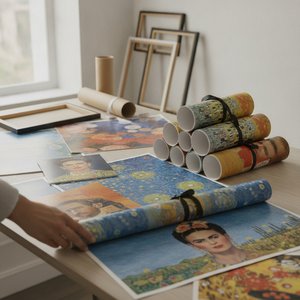
OriginalUniqueArt.com F.A.Q.: Premium Art Poster Prints – Vivid Colors & Versatile Sizing
Discover OriginalUniqueArt.com's premium art poster prints. Featuring 12-color archival pigments for vivid color fidelity and versatile sizing for bespoke decor. Expertly crafted museum-quality reproductions designed for discerning collectors and professional decorators.