

 Previzualizare
 Trimite prin felicitare
 Distribuie
 Detalii despre lucrare
 Ghid
Ghid

 Descarcă imaginea
 Produse similare
 Radiografie
 Galerie foto
 Q&A
Q&A Statistici
The Crucifixion
 Oil On Canvas
- WallArt
- Baroque Painting
 1638
1638- Early Modern
 173.0 x 265.0 cm
 Muzeul Hermitaj
 Vezi mai mult
Reproducere pictată manual în ulei
Pictură în ulei pe pânză, pictată manual de artiștii noștri la dimensiunea și ramele dorite de dumneavoastră, pe comandă. ( Comută pe versiunea Print Comută pe Imagine Digitală)




P118B lei10

P118H lei10

P118W lei10

P438Z lei10

P508JH lei12

P508YH lei12

P805H lei10

P805Z lei10

P919BZ lei10

P919G lei10

P919XJ lei10

P959ZH lei10

P968JZ lei12

W106C lei8

W218G lei10

W218JH lei8

W218Y lei10

W307PJ lei10

W316G lei10

W316PJ lei8

W316Y lei10

W398PJ lei8

W4111J lei10

W500HY lei15

W500JH lei15

W692G lei12

W849H lei8

W940BG lei15

W953PJ lei8




Alegeți dintre dimensiunile noastre prestabilite, care respectă proporțiile originale ale operei de artă.

Introduceți lățimea și înălțimea necesare pentru a se potrivi ramei sau peretelui dumneavoastră. Această lucrare este pictată manual, așa că, pentru o dimensiune cu o formă diferită, artistul poate picta puțin mai mult în jurul imaginii sau poate tăia puțin din margini — dumneavoastră decideți. Vă vom trimite o simulare digitală pentru aprobare înainte de a începe pictarea. Imaginea afișată pe această pagină nu reprezintă rezultatul real — doar simularea este reprezentativă.
După plasarea comenzii, echipa OriginalUniqueArt.com va contacta clientul prin e-mail pentru instrucțiuni și îi va furniza o previzualizare a machetei
Livrare în întreaga lume () în 3-4 săptămâni, în loc de cele 5 săptămâni standard. (28 Octombrie). Fără compromisuri în ceea ce privește calitatea.

Livrare expres gratuită la nivel mondial

Pânză de in de înaltă calitate

Asigurare completă pentru transport

Garanție de rambursare a taxelor vamale

Garanția fidelității culorilor

Politica de retur în 100 de zile (doar pentru defecte de fabricație)

Garanție de rambursare 100%

Ofertă pentru comenzi multiple
 Opțiunea cu sticlă este disponibilă doar pentru dimensiuni de sub 110 cm

The Crucifixion
Tehnică de reproducere
Dimensiune reproducere
-


Preț total calculat
lei 1395
The Composition and Visual Elements
The painting presents a vertical arrangement centered on the figure of Jesus Christ upon a cross. The composition utilizes strong diagonal lines formed by his outstretched arms, which extend across the canvas. A light source positioned above illuminates the musculature of the torso and the pale flesh tones of the body, creating a sharp contrast against the surrounding dark background. This use of chiaroscuro leaves much of the periphery in deep shadow, where only two figures are faintly visible in the lower right corner. The cross itself introduces a rigid, geometric shape that anchors the organic form of the human figure. A white loincloth provides a singular point of brightness against the muted palette of browns, blacks, and grays. Visible brushstrokes appear on the skin and hair, adding a tactile quality to the oil on canvas.
Subject Matter and Symbolic Detail
The subject is the crucifixion of Christ, a central event in Christian theology. The physical vulnerability of the figure is emphasized through the depiction of nudity and the tension in the limbs. Above the head of the figure, the inscription INRI is present, identifying the religious context of the scene. The cross functions as a symbol of sacrifice and redemption. The background lacks deep perspective, with the space behind the central figure fading into an indistinct darkness that suggests an infinite void. This lack of environmental detail directs all attention to the physical suffering and the anatomical precision of the subject.
Historical Context and Artistic Technique
Created in 1638, this work belongs to the Baroque style. The technique relies on the interplay of light and shadow to define form and create emotional weight. Alonso Cano, a polymath from Granada, Spain, applied his understanding of anatomy—likely informed by his training in sculpture—to the rendering of the human body. The painting's execution reflects the influence of the Spanish Golden Age, specifically the lineage connecting him to Francisco Pacheco. The work is currently held in the Hermitage Museum in Saint Petersburg, Russia. The artist utilized oil on canvas to achieve a sense of weight and presence through controlled lighting and precise anatomical detail.
Întrebări și răspunsuri
Cum se îmbină contrastul și armonia în "The Crucifixion"?
În "The Crucifixion", un Bold contrast se împletește cu o Strong Color Unity armonie.
„The Crucifixion” prezintă contraste puternice între lumină și întuneric?
Contrastul lumină-umbră din "The Crucifixion" este înregistrat ca Bold. Contrastul descrie cât de puternic diferă zonele luminoase de cele întunecate.
În ce an a fost creat "The Crucifixion" de Alonso Cano?
„The Crucifixion” datează din 1638. Această dată plasează lucrarea în cadrul carierei lui Alonso Cano și în contextul epocii sale.
Articole similare

Baroque Classicism: The Grandeur of Order and Drama in 17th-Century Art History
Explore the profound elegance of Baroque Classicism. Discover how 17th-century masters synthesized dramatic emotion with classical order through the lens of the Counter-Reformation and the works of legends like Carlo Maratta and Andrea Sacchi.

The Visceral Stage: Exploring Dramatic Narratives & Emotional Intensity in Baroque Art
Explore the dramatic world of Baroque art! Discover iconic masters like Caravaggio & Rembrandt, their techniques, and the movement's lasting impact. Expert insights for collectors & enthusiasts at OriginalUniqueArt.

Divine Drama: Exploring the Most Visually Striking and Emotionally Intense Crucifixion Artworks in History
Dive into the raw emotion and dramatic lighting of history's most iconic crucifixion paintings. From Baroque tenebrism to modern surrealism, explore masterpieces that define visual intensity. Expertly curated for lovers of profound art and high-impact design.

The Dramatic Flourish: Exploring the Baroque Movement's Enduring Legacy in Art History
Explore the dramatic world of Baroque art! Discover iconic artists like Caravaggio & Rubens, defining techniques, and its lasting impact on art history. Expert insights for collectors & enthusiasts at OriginalUniqueArt.
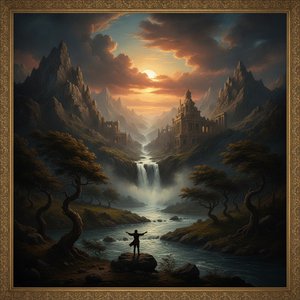
Epic Drama & Dark Vibes: The Ultimate Collector's Guide to Baroque Landscapes
Master the art of drama with our ultimate guide to Baroque landscapes. Discover the power of chiaroscuro, explore legendary masters, and learn how to curate epic, dark-vibe masterpieces for your collection with expert insights from OriginalUniqueArt.
