

 Vezi în context
 Trimite
 Distribuie
 Detalii
 Ghidul

 Descarcă
 Produse similare
 Radiografie
 Diaporama
 Statistici
Flora Macdonald


 Citește mai mult
Giclée / Imprimare artistică
Printuri giclée sau pe canvas de calitate muzeală, cu proces de producție rapid și opțiuni flexibile de finisare. ( Comandă pictură realizată manual Treci la imagine digitală)




P118B lei10

P118H lei10

P118W lei10

P438Z lei10

P508JH lei12

P508YH lei12

P805H lei10

P805Z lei10

P919BZ lei10

P919G lei10

P919XJ lei10

P959ZH lei10

P968JZ lei12

W106C lei8

W218G lei10

W218JH lei8

W218Y lei10

W307PJ lei10

W316G lei10

W316PJ lei8

W316Y lei10

W398PJ lei8

W4111J lei10

W500HY lei15

W500JH lei15

W692G lei12

W849H lei8

W940BG lei15

W953PJ lei8




Alegeți dintre dimensiunile noastre prestabilite, care respectă proporțiile originale ale operei de artă.

Introduceți lățimea și înălțimea de care aveți nevoie, pentru a se potrivi ramei sau peretelui dumneavoastră. O printare poate fi doar tăiată, niciodată extinsă dincolo de dimensiunea imaginii originale, astfel încât o dimensiune cu o formă diferită va pierde o parte din imagine. Vă trimitem o simulare digitală pentru aprobare înainte de a imprima orice. Imaginea afișată pe această pagină nu prezintă tăierea reală — doar simularea arată acest lucru.
Livrare în întreaga lume () în 2 săptămâni, în loc de cele 4/5 săptămâni standard. (20 Octombrie)

Livrare expres gratuită la nivel mondial

Pânză de in premium

Asigurare completă pentru transport

Garanție de rambursare a taxelor vamale

Garanția fidelității culorilor

Politica de retur în 100 de zile (doar pentru defecte)

Garanție de rambursare 100%

Reducere pentru comenzi multiple
 Opțiunea cu sticlă este disponibilă doar pentru dimensiuni de sub 110 cm

Flora Macdonald
Giclée / Imprimare artistică
Dimensiune reproducere
-


Preț total
lei 367
Flora Macdonald: A Portrait of Courage and Resilience
Allan Ramsay’s “Flora Macdonald,” painted in 1749, is more than just a likeness; it's a potent distillation of Scottish history, embodying the spirit of rebellion and the quiet heroism of an ordinary woman thrust into extraordinary circumstances. Housed within the Ashmolean Museum’s collection in Oxford, this oil on canvas portrait captures a pivotal moment – the clandestine assistance offered to Charles Edward Stuart after the devastating Battle of Culloden, a scene that has resonated through generations.
Ramsay, a master of capturing both aristocratic elegance and subtle emotion, skillfully portrays Flora as a young woman of striking composure. Her fair skin and dark hair are rendered with meticulous detail, styled in an updo indicative of the late 18th century’s fashion trends. The neutral expression on her face—a slight parting of her lips suggesting either a recent utterance or a thoughtful pause—allows the viewer to project their own interpretations onto her demeanor. The carefully chosen attire – a blue dress with a high collar and puffy sleeves, complemented by a vibrant red plaid shawl draped over her shoulder – speaks volumes about her social standing and adds a touch of warmth to the otherwise formal composition.
A Dramatic Narrative in Paint
The painting’s power lies not just in its technical brilliance but also in the narrative it conveys. The red plaid, instantly recognizable as associated with Clan MacDonald, immediately anchors Flora within her Highland heritage and subtly hints at the turbulent events surrounding her. Crucially, she holds a small bouquet of white and pink blooms – flowers often symbolizing purity, remembrance, and even sacrifice – suggesting both her role in protecting the Prince and the poignant cost of his ambition. The placement of her hand resting on what appears to be a chair or bench subtly conveys a sense of weary strength, hinting at the burdens she carried.
The dark background, punctuated by subtle hints of foliage, serves to isolate Flora as the central figure, amplifying her importance within the scene. Ramsay’s use of light is particularly noteworthy; it's soft and diffused, casting gentle shadows that add depth and dimension to the portrait, creating a sense of intimacy and drawing the viewer into Flora’s world.
Historical Context: A Heroine Forged in Rebellion
Flora Macdonald’s story is inextricably linked to the Jacobite rising of 1745. Following Culloden, she risked her life to help Charles Edward Stuart, the exiled heir to the throne, evade capture by government forces. Her bravery and resourcefulness – transporting the Prince disguised as a maidservant across the Highlands – became legendary, cementing her place in Scottish folklore. The painting captures this pivotal moment of defiance against overwhelming odds, transforming a simple Highland woman into a symbol of resistance.
It’s important to note that the portrait's attribution has been debated over time; initially believed to be Flora Macdonald, it is now widely considered to be a generic representation of a lady. However, its enduring popularity and association with the iconic story of her bravery ensure its continued significance within the art historical canon.
Symbolism and Emotional Resonance
Beyond the factual details of the Jacobite uprising, “Flora Macdonald” resonates deeply due to its exploration of themes such as courage, loyalty, and sacrifice. Flora’s quiet dignity and resolute expression speak volumes about her inner strength and unwavering commitment to a cause greater than herself. The painting invites contemplation on the complexities of historical events and the often-unrecognized heroism found in ordinary individuals. It's a powerful reminder that even in times of great upheaval, acts of kindness and bravery can leave an indelible mark on history – and on our collective imagination.
Întrebări și răspunsuri
Ce nivel de saturație și intensitate prezintă "Flora Macdonald" de Allan Ramsay?
Culorile din "Flora Macdonald" de Allan Ramsay prezintă o saturație de Muted cu o intensitate de Monochromatic.
Cum este descrisă paleta de culori din "Flora Macdonald" de Allan Ramsay?
"Flora Macdonald" de Allan Ramsay utilizează o paletă de culori Earthy. Această paletă sintetizează caracterul cromatic general al operei.
Pot viziona "Flora Macdonald" sub formă de diaporama cu ecran întreg?
"Flora Macdonald" de Allan Ramsay poate fi vizualizată sub formă de diaporama pe pagina dedicată operei, Diapozitive.
Biografie artist
Allan Ramsay: Un Maestru al Portretului Scoțian și al Eleganței Epocii Georgiene
Născut la Edinburgh, în Scoția, pe 13 octombrie 1713, Allan Ramsay a fost un pictor de portrete scoțian remarcabil, ale cărui lucrări au capturat eleganța și rafinamentul epocii sale. Călătoria sa artistică a început la vârsta de douăzeci de ani, când s-a deplasat la Londra pentru studii sub îndrumarea pictorului suedez Hans Hysing, urmate de instruire la Academia St. Martin's Lane. Această pregătire fundamentală i-a oferit o bază solidă în tehnică și compoziție.
Influențe Italene și Dezvoltarea Stilului Artistic
Dezvoltarea artistică a lui Ramsay a luat o turnură semnificativă odată cu călătoriile sale la Roma și Napoli, unde a petrecut trei ani (1736-1738) lucrând sub îndrumarea maeștrilor Francesco Solimena și Imperiali (Francesco Fernandi). Acești maeștri italieni i-au influențat profund stilul, cultivând o înțelegere mai profundă a principiilor clasice și îmbunătățindu-i abilitățile de a surprinde asemănarea și caracterul. A absorbit estetica dominantă Rococo, dezvoltând totodată o apreciere pentru idealurile neoclasice.
O Carieră Înfloritoare și Lucrări Remarcabile
Întors în Marea Britanie în 1738, Ramsay a stabilit rapid o carieră de succes ca portretist. Abilitatea sa de a-și portretiza subiecții cu acuratețe și grație i-a adus curând o clientelă distinsă. Printre cele mai remarcabile lucrări ale sale se numără:
- Regina Charlotte (1744-1818) cu cei doi fii ai săi mai mari (Colecția Regală, Londra): O reprezentare regală care evidențiază prezența maternă a Reginei.
- Mary Degg, Lady Robert Manners (Galeria Națională Scoțiană, Edinburgh): Un portret elegant ce demonstrează măiestria lui Ramsay în capturarea frumuseții aristocratice.
- Capul lui Duncan Forbes de Culloden: Această lucrare timpurie i-a atras atenția Ducelui de Argyll și a fost ulterior prezentată pe bancnotele Royal Bank of Scotland.
Numirea Regală și Apogeul Realizărilor
Un moment crucial în cariera lui Ramsay a sosit în 1761, odată cu numirea sa ca Pictor Principal Ordinat al Regelui George III. Această poziție prestigioasă i-a consolidat statutul printre elitele artistice și i-a asigurat un flux constant de comenzi din partea familiei regale și a înaltei societăți. A devenit *portretistul* epocii georgiene.
Viața Ulterioară și Moștenirea
În viața sa ulterioară, Ramsay s-a îndreptat către preocupări literare, reflectând interesele sale intelectuale largi. Cu toate acestea, tragedii personale – o dislocare accidentală a brațului drept și decesul celei de-a doua soții în 1782 – i-au afectat sănătatea și productivitatea. A murit în 1784.
În ciuda acestor provocări, Ramsay a lăsat o moștenire durabilă ca unul dintre cei mai celebrați pictori de portrete din Scoția. După cum remarca Samuel Johnson, “Îl iubesc pe Ramsay. Nu veți găsi un om în conversația căruia să existe mai multe instrucțiuni, mai multe informații și mai multă eleganță decât în cea a lui Ramsay.” Lucrările sale continuă să fie admirate pentru abilitățile lor tehnice, estetica rafinată și portretele perspicace ale societății din secolul al XVIII-lea.
Semnificație Istorică
Contribuția lui Allan Ramsay depășește talentul său artistic. El a jucat un rol crucial în modelarea culturii vizuale a Scoției într-o perioadă de schimbări sociale și politice semnificative. Portretele sale oferă perspective valoroase asupra vieții, modei și valorilor nobilimii și a gentry-ului scoțian. Lucrările sale pot fi găsite în locații precum Ayr Town Hall și Galeria Națională Scoțiană de Portrete.
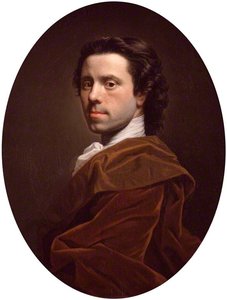
Allan Ramsay
1713 - 1784 , Regatul Unit
Informații rapide
- Data Decesului: 1784
- Data Nașterii: 13 octombrie 1713
- Influențe Artistice:
- Hans Hysing
- Francesco Solimena
- Imperiali (Fernandi)
- Locul Nașterii: Edinburgh, Regatul Unit
- Naționalitate: Scoțiană
- Nume Complet: Allan Ramsay
- Opere Notabile:
- Regina Charlotte cu fiii
- Mary Degg, Lady Manners
- Capul lui Duncan Forbes
- Stil Artistic: Rococo, Neoclasic
Articole conexe
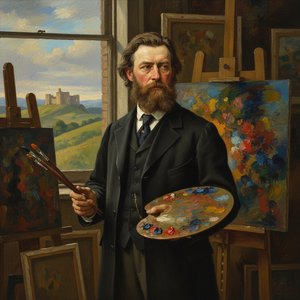
George Paul Chalmers: Rediscovering the Angus Rembrandt & Scottish Colourist Roots
Explore the captivating world of George Paul Chalmers (1833-1878), a pivotal Scottish painter. Discover his landscapes, portraits & connection to the Aesthetic Movement and Colourists. Learn about this 'Angus Rembrandt's' legacy with OriginalUniqueArt.
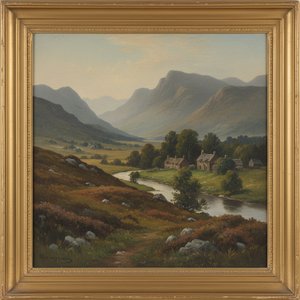
Sir John Watson Gordon: A Study in Scottish Landscape Painting & Tonal Impressionism
Explore the captivating portraits of Sir John Watson Gordon, a leading Scottish master. Discover his evolution from neoclassical style to atmospheric Tonalism and influence on 19th-century British art. Learn about his iconic sitters & legacy.

James Giles: Capturing Scottish Life Through the Lens of British Realism
Explore the life & work of James Giles (1801-1870), a master of Scottish landscape painting and favored artist of Queen Victoria. Discover his atmospheric realism & royal commissions.
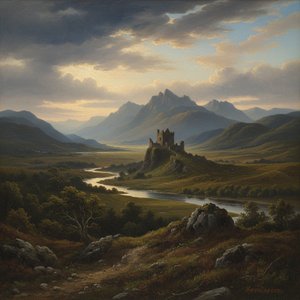
Alexander Nasmyth: Picturing Scotland's Romantic Landscape – Innovation & Identity
Explore the life & art of Alexander Nasmyth, a pivotal figure in Scottish Romantic landscape painting. Discover his iconic works, including portraits of Robert Burns, and learn about his lasting influence on national identity. Fine art reproductions available.

Allen Ramsay: Portraiture, Patronage & Shaping Georgian Identity
Explore the life & work of Allen Ramsay, pivotal portraitist to George III. Discover his Rococo style, influence on Georgian society, and lasting legacy in British art history. Learn about his key works & patronage.


