

 Previzualizare
 Trimite
 Distribuie
 Detalii despre lucrare

 Descarcă
 Produse similare
 Radiografie
 Diapozitive automate
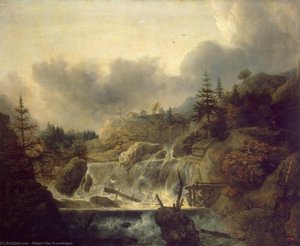
Scandinavian Landscape
 Oil On Canvas
- WallArt
- Baroque
 1647
1647- Early Modern
 11.0 x 135.0 cm
 Muzeul Hermitaj
 Vezi mai mult
Reproducere pictată manual în ulei
Pictură în ulei pe pânză, realizată manual de artiștii noștri la dimensiunea și ramele dorite de dumneavoastră, pe comandă. ( Comandă printul Cumpără imaginea)




P118B $10

P118H $10

P118W $10

P438Z $10

P508JH $12

P508YH $12

P805H $10

P805Z $10

P919BZ $10

P919G $10

P919XJ $10

P959ZH $10

P968JZ $12

W106C $8

W218G $10

W218JH $8

W218Y $10

W307PJ $10

W316G $10

W316PJ $8

W316Y $10

W398PJ $8

W4111J $10

W500HY $15

W500JH $15

W692G $12

W849H $8

W940BG $15

W953PJ $8




Alegeți dintre dimensiunile noastre prestabilite, care respectă proporțiile originale ale operei de artă.

Puteți introduce propriile dimensiuni pentru a se potrivi unui anumit cadru sau spațiu. Dacă dimensiunea selectată nu corespunde proporțiilor imaginii originale, vom decupa opera de artă sau vom extinde pictura cu elemente suplimentare pictate manual. O simulare digitală vă va fi trimisă pentru aprobare înainte de începerea producției.
Vă rugăm să rețineți că previzualizarea de pe ecran nu reflectă decuparea sau extinderea reală. Doar macheta va arăta cu exactitate compoziția finală.
Deși sunt disponibile dimensiuni personalizate, vă recomandăm să selectați o dimensiune din lista predefinită pentru a păstra proporțiile originale.
După plasarea comenzii, echipa OriginalUniqueArt.com va contacta clientul prin e-mail pentru instrucțiuni și îi va furniza o previzualizare a machetei
Livrare în întreaga lume () în 3-4 săptămâni, în loc de cele 5 săptămâni standard. (27 August). Fără compromisuri în ceea ce privește calitatea.

Livrare expres gratuită la nivel mondial

Pânză de in de înaltă calitate

Asigurare completă pentru transport

Garanție de rambursare a taxelor vamale

Garanția fidelității culorilor

Politica de retur în 60 de zile (doar pentru defecte)

Garanție de rambursare 100%

Ofertă pentru comenzi multiple
 Opțiunea cu sticlă este disponibilă doar pentru dimensiuni de sub 110 cm

Scandinavian Landscape
Tehnică de reproducere
Dimensiune reproducere
-


Preț total calculat
$ 300
Descriere operă de artă
A Vision of Nordic Serenity
To gaze upon this depiction of a Scandinavian landscape is to be instantly transported to a realm untouched by the clamor of modern life. The scene unfolds with breathtaking natural grandeur, dominated in the foreground by the powerful, yet graceful, cascade of a waterfall. A river carves its path through a verdant valley, flanked by dense, sheltering trees that seem to whisper ancient secrets. Above the flowing water, several birds take flight, their presence adding a delicate punctuation mark to the vast, sweeping composition. Near the heart of this aqueous passage rests a small boat, an intimate detail suggesting moments of quiet human communion with nature—perhaps a journey of fishing or simple passage.
Mastery in Dutch Golden Age Landscape Painting
This work dates from 1647, placing it squarely within the vibrant period of the Dutch Golden Age. The artist, allaert van everdingen, was a painter whose skill allowed him to capture not merely what he saw, but the very atmosphere surrounding the subject. Everdingen’s technique is remarkable for its ability to render both the monumental scale of nature and the delicate flutter of life within it. His handling of light across the water and through the foliage speaks to a profound understanding of atmospheric perspective, giving the entire scene an almost palpable depth. It showcases the evolution of landscape painting from mere topographical record to a vehicle for deep emotional resonance.
Symbolism of Water and Wilderness
In art history, water has always been a potent symbol—representing life itself, change, and the passage of time. Here, the confluence of the rushing waterfall and the steady flow of the river suggests a dynamic balance between raw power and enduring tranquility. The surrounding wilderness speaks to humanity's yearning for escape; it is an idealized vision of nature’s sublime beauty. The boat acts as a subtle memento mori, reminding the viewer that even in such overwhelming natural splendor, human life continues its gentle journey along the currents.
Bringing Tranquility Home
For the collector or designer seeking to infuse a space with profound calm, this reproduction offers an unparalleled opportunity. The rich, deep tones and the masterful composition of the Scandinavian Landscape evoke an immediate sense of peace. Imagine this piece gracing a drawing-room or a study—it becomes more than mere decoration; it becomes a focal point for contemplation. Owning a hand-painted rendition allows one to connect directly with the technical brilliance and emotional depth that allaert van everdingen captured centuries ago, transforming your interior into a sanctuary echoing the quiet majesty of the Nordic wilds.
Biografie artist
The Master of the Northern Wild: The Life of Allaert van Everdingen
In the golden era of Dutch painting, where many masters sought to capture the serene, low-lying horizons of their homeland, Allaert van Everding and Everdingen carved a path toward something far more rugged and untamed. Born in Alkmaar around 1621, the son of a government clerk, Allaert was part of a family deeply rooted in the artistic traditions of the Netherlands. Alongside his brothers Jan and Caesar, he was shaped by the rigorous training of the Dutch Golden Age, beginning his journey under the tutelage of Roelandt Savery in Utrecht. This early exposure to Savery’s brilliant, almost fantastical style provided a foundation, yet Everdingen would eventually move far beyond the colorful legacies of the Brueghel school to find a voice that was uniquely atmospheric and profoundly dramatic.
The trajectory of his life changed irrevocably through a stroke of maritime fortune. In 1644, while traveling toward the Baltic Sea, a violent storm forced his ship to seek shelter in Norway. This unplanned detour, as recounted by the biographer Arnold Houbraken, would become the defining catalyst for his artistic evolution. Immersed in the breathtaking scenery of the Scandinavian coast, Everdingen found himself captivated by landscapes that were entirely alien to the Dutch eye: jagged mountains, rushing waterfalls, and dense, mysterious forests. He meticulously documented these excursions through sketches and drawings, capturing the raw energy of the Norwegian and Swedish terrain. When he eventually settled in Haarlem and later Amsterdam, these memories were transformed onto canvas, bringing a sense of the exotic and the sublime to the much more temperate Netherlands.
A Revolution of Light and Shadow
What distinguishes Everdingen from his contemporaries is not merely the subject matter he chose, but the revolutionary way in which he rendered it. While many landscape painters of the mid-17th century focused on clear, panoramic vistas, Everdingen embraced a system of powerful shading and rich, colored tones that acted as a precursor to the dramatic chiaroscuro later perfected by Rembrandt. His work moved away from the bright, even lighting of his predecessors toward a more emotive, atmospheric perspective. In his hands, a forest was not just a collection of trees, but a sanctuary of deep shadows and filtered light; a river was not merely water, but a churning force of nature reflected in the gloom of a rocky gorge.
His technical mastery extended into the realm of printmaking, where he utilized etching and mezzotint to explore the nuances of texture and depth. This versatility allowed him to translate the ruggedness of his Scandinavian inspirations into works that felt both tactile and ethereal. His ability to manipulate light created a sense of movement within the stillness of the landscape, making the viewer feel the dampness of the mist and the roar of the falls. This mastery of tone and texture ensured that his work resonated with a sense of drama that was rare among the more pastoral Dutch masters of his time.
Legacy and Historical Significance
The historical significance of Allaert van Everdingen lies in his role as a bridge between the classical landscape traditions and the burgeoning Romantic movement. By introducing the motifs of the wild, northern wilderness into the Dutch canon, he expanded the emotional vocabulary of landscape painting. His influence can be traced through the works of later masters, most notably Jacob van Ruisdael, who adopted many of the rugged, atmospheric elements that Everdingen had pioneered. The artist’s ability to find beauty in the formidable and the untamed helped shift the focus of landscape art from mere topographical documentation to a profound exploration of nature's power.
Though he passed away in Amsterdam in 1675, his impact remained etched in the annals of art history. His life serves as a testament to how unexpected journeys can reshape an artistic vision, turning a maritime mishap into a lifelong mission to capture the sublime. Today, we remember him not just as a painter of scenery, but as a pioneer who brought the soul of the Scandinavian wilderness to the heart of the Dutch Golden Age.
allaert van everdingen
1621 - 1675
Detalii rapide
- Artistic Movement Or Style: Dutch Golden Age Landscape Painting
- Artists Or Movements Influenced By This Artist: ['Rembrandt']
- Artists Who Influenced This Artist:
- Roelandt Savery
- Jan van Goyen
- Date Of Birth: June 18, 1621
- Date Of Death: November 8, 1675
- Full Name: Allaert van Everdingen
- Nationality: Dutch
- Notable Artworks:
- De geschutgieterij Julita Bruk van de familie Trip
- Scandinavian Rocky River Landscape
- Paysage Scandinave près de Mölndal
- Place Of Birth: Alkmaar, Netherlands
Articole similare

Golden Light & Dutch Skies: The Timeless Magic of Dutch Golden Age Landscapes
Discover the breathtaking beauty of Dutch Golden Age landscapes. Explore the mastery of light, chiaroscuro, and 17th-century realism through an expert art history lens, celebrating the enduring legacy of the Dutch Masters for discerning collectors and art lovers.

Golden Light & Dutch Skies: Bringing the Magic of Dutch Golden Age Landscapes into Your Home
Transform your home with the breathtaking light of Dutch Golden Age landscapes. Discover how hand-painted oil reproductions of masterworks like Ruisdael and Vermeer bring timeless elegance, atmosphere, and soulful texture to modern interiors. Elevate your space with museum-quality art.

Epoca de Aur Olandeză: 10 Capodopere Care Au Definit Arta și Decorațiunea Interioară
Descoperiți Epoca de Aur Olandeză prin 10 capodopere Rembrandt, Vermeer și alți pictori olandezi. Aflați poveștile din spatele acestor tablouri baroce iconice și inspirați-vă pentru decorațiuni interioare unice. Explorează colecția completă pe OriginalUniqueArt.com!
Charles Leickert: Capturing the Dutch Golden Age Light – A Comprehensive Study of Technique, Context, and Legacy
Explore the captivating winter landscapes of Charles Leickert, a master of Dutch Golden Age light & atmosphere. Discover his techniques, symbolism, and lasting legacy – a comprehensive study for art enthusiasts and collectors.
Nicolaes Berchem: Dutch Golden Age Pastoralism & the Evolution of Landscape Painting
Explore the captivating world of Nicolaes Berchem, a leading Dutch Golden Age painter. Discover his idyllic landscapes, masterful technique & lasting influence on art history. Learn more at OriginalUniqueArt.

