Dimensiune text

() ·

O pictură creată pentru tine, lucrată manual

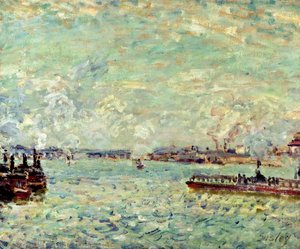
Route to Versailles

Reproducere pictată manual în ulei

Pictură în ulei pe pânză, pictată manual de artiștii noștri la dimensiunea și ramele dorite de dumneavoastră, pe comandă. ( Comută pe versiunea Print Comută pe Imagine Digitală)

Descriere obiect de colecție

Biografie artist

Descoperă pictura impresionistă „Misty Morning în Veneux” de Alfred Sisley – o imagine încântătoare a naturii

de la ·

Capitolul 1

Ce dimensiune ar trebui să aibă?

Glisați pentru a schimba dimensiunea; imaginea din stânga prezintă cadrul la lățimea sa reală. Proporțiile originale sunt păstrate.

Standard
personalizat
CM
INCH

Alegeți dintre dimensiunile noastre prestabilite, care respectă proporțiile originale ale operei de artă.

lățime
înălțime

Introduceți lățimea și înălțimea necesare pentru a se potrivi ramei sau peretelui dumneavoastră. Această lucrare este pictată manual, așa că, pentru o dimensiune cu o formă diferită, artistul poate picta puțin mai mult în jurul imaginii sau poate tăia puțin din margini — dumneavoastră decideți. Vă vom trimite o simulare digitală pentru aprobare înainte de a începe pictarea. Imaginea afișată pe această pagină nu reprezintă rezultatul real — doar simularea este reprezentativă.

Capitolul 2

Cum ar trebui să ajungă?

Alege marginile tabloului pe pânză întinsă

Alege cadrul tău

Corner sample of the WhiteWrap canvas edge finish, stretched on lemn masiv bars
Alb lei1
Corner sample of the BlurSideWrap canvas edge finish, stretched on lemn masiv bars
Margini difuze lei1
Corner sample of the ExtendedWrap canvas edge finish, stretched on lemn masiv bars
Extins lei1
Corner sample of the P118B picture frame: polistiren turnat, 5 cm wide and 3 cm thick
P118B lei10
Corner sample of the P118H picture frame: polistiren turnat, 5 cm wide and 3 cm thick
P118H lei10
Corner sample of the P118W picture frame: polistiren turnat, 5 cm wide and 3 cm thick
P118W lei10
Corner sample of the P438Z picture frame: polistiren turnat, 5.5 cm wide and 3.5 cm thick
P438Z lei10
Corner sample of the P508JH picture frame: polistiren turnat, 7 cm wide and 3.5 cm thick
P508JH lei12
Corner sample of the P508YH picture frame: polistiren turnat, 7 cm wide and 3.5 cm thick
P508YH lei12
Corner sample of the P805H picture frame: polistiren turnat, 5 cm wide and 3.5 cm thick
P805H lei10
Corner sample of the P805Z picture frame: polistiren turnat, 5 cm wide and 3.5 cm thick
P805Z lei10
Corner sample of the P919BZ picture frame: polistiren turnat, 7 cm wide and 3.5 cm thick
P919BZ lei10
Corner sample of the P919G picture frame: polistiren turnat, 7 cm wide and 3.5 cm thick
P919G lei10
Corner sample of the P919XJ picture frame: polistiren turnat, 7 cm wide and 3.5 cm thick
P919XJ lei10
Corner sample of the P959ZH picture frame: polistiren turnat, 5 cm wide and 3 cm thick
P959ZH lei10
Corner sample of the P968JZ picture frame: polistiren turnat, 6 cm wide and 4 cm thick
P968JZ lei12
Corner sample of the W106C picture frame: lemn masiv, 5 cm wide and 3 cm thick
W106C lei8
Corner sample of the W218G picture frame: lemn masiv, 5 cm wide and 3 cm thick
W218G lei10
Corner sample of the W218JH picture frame: lemn masiv, 5 cm wide and 3 cm thick
W218JH lei8
Corner sample of the W218Y picture frame: lemn masiv, 5 cm wide and 3 cm thick
W218Y lei10
Corner sample of the W307PJ picture frame: lemn masiv, 6 cm wide and 3 cm thick
W307PJ lei10
Corner sample of the W316G picture frame: lemn masiv, 6 cm wide and 3 cm thick
W316G lei10
Corner sample of the W316PJ picture frame: lemn masiv, 6 cm wide and 3 cm thick
W316PJ lei8
Corner sample of the W316Y picture frame: lemn masiv, 6 cm wide and 3 cm thick
W316Y lei10
Corner sample of the W398PJ picture frame: lemn masiv, 5 cm wide and 3 cm thick
W398PJ lei8
Corner sample of the W4111J picture frame: lemn masiv, 6.5 cm wide and 3.5 cm thick
W4111J lei10
Corner sample of the W500HY picture frame: lemn masiv, 7 cm wide and 5 cm thick
W500HY lei15
Corner sample of the W500JH picture frame: lemn masiv, 7 cm wide and 5 cm thick
W500JH lei15
Corner sample of the W692G picture frame: lemn masiv, 8 cm wide and 4 cm thick
W692G lei12
Corner sample of the W849H picture frame: lemn masiv, 5 cm wide and 3 cm thick
W849H lei8
Corner sample of the W940BG picture frame: lemn masiv, 7.5 cm wide and 4.5 cm thick
W940BG lei15
Corner sample of the W953PJ picture frame: lemn masiv, 6 cm wide and 3.5 cm thick
W953PJ lei8
Corner sample of the H24-GOLD picture frame: lemn sculptat cu gesso, 10 cm wide and 6 cm thick
H24-GOLD lei30
Corner sample of the H24-SILVER picture frame: lemn sculptat cu gesso, 10 cm wide and 6 cm thick
H24-SILVER lei30
Corner sample of the H36-GOLD picture frame: lemn sculptat cu gesso, 15 cm wide and 6.5 cm thick
H36-GOLD lei45
Corner sample of the H36-SILVER picture frame: lemn sculptat cu gesso, 15 cm wide and 6.5 cm thick
H36-SILVER lei45

Ramă: . Dimensiuni cu ramă: .

Capitolul 3

Cine îl pictează și ar trebui să se schimbe ceva?

Exemple de elemente care pot fi modificate: Înlocuirea feței cu fotografia clientului; Adăugarea unui animal de companie (de ex., înlocuirea unei pisici cu un câine); Includerea unui mesaj ascuns în fundal; Modificarea peisajului sau a elementelor din fundal.
După plasarea comenzii, echipa OriginalUniqueArt.com va contacta clientul prin e-mail pentru instrucțiuni și va furniza o previzualizare (mockup)

Livrare în întreaga lume () în 3-4 săptămâni, în loc de cele 5 săptămâni standard. (7 Noiembrie). Fără compromisuri în ceea ce privește calitatea.

Capitolul 4

Ultimele retușuri

O plăcuță de identificare, ca la muzeu?

Detalii plăcuță din bronz gravat

This elegant plaque features the artist's name and the title of the artwork, finely engraved for a timeless presentation.

It is made from bronze with a refined, elegant finish. The text is precisely laser-engraved for a sharp and permanent result. Measuring 9x2 cm, the plaque is compact yet easy to read. It's built to be durable and scratch-resistant, offering a professional, museum-quality look. Mounting is simple thanks to the included adhesive backing.

Detalii plăcuță din acril transparent

The plaque includes essential engraved details such as the artist's name, the title of the artwork, the date it was created, the type of media used-like oil on canvas or watercolor-a brief description of the piece, and a QR code that links to the complete artwork information.

It is crafted from clear acrylic, offering a sleek, modern appearance. The text is UV-engraved in black to ensure strong visual contrast. With a size of 10x15 cm, it ensures optimal readability. It comes equipped with two metal hooks for secure wall mounting. The plaque is designed to be weather-resistant, making it suitable for various environments, and it includes interactive features that work seamlessly with smartphone scanning.

Detalii placă din acril negru

This elegant plaque includes engraved information such as the artist's name, the title of the artwork, the date it was created, the type of media used (like oil on canvas or watercolor), a short description of the artwork, and a QR code for quick access to more information.

The plaque itself is made from refined black acrylic with a premium finish. The text is laser-engraved in white for high contrast and readability. Its size is 10x15 cm, designed to be easy to read. It comes with two metal hooks for professional mounting. The design is sleek and fits any interior style. It is also weather-resistant and durable, with built-in digital integration for mobile compatibility.

Un lac protector?

Când aveți nevoie de el?

Capitolul 5

Tabloul tău, exact așa cum l-ai comandat

Route to Versailles

Tehnică de reproducere

Dimensiune reproducere

-

Selecție de artiști de elită

Mai multe detalii, rafinament și timp suplimentar de execuție

-

Ramă pentru reproducere artistică

-

-

Pentru opere de artă sau reproduceri care depășesc 105 cm (aproximativ 41 de inch) pe oricare dintre laturi, cadrul va fi livrat demontat, sub formă de kit. Această metodă asigură o livrare sigură și previne deteriorarea în timpul transportului.

Este necesară asamblarea profesională – acest produs nu este de tip DIY (de făcut singur).
Kitul trebuie asamblat, iar pânza întinsă, de către un legător de cadre experimentat, utilizând adeziv pentru lemn (neinclus în colet), o cheie pentru întinderea pânzei și cleme pentru a menține barele la unghi drept în timp ce adezivul se usucă. Asamblarea incorectă sau tensiunea neuniformă a pânzei pot deteriora permanent opera de artă și nu sunt acoperite de garanția noastră.

  • Toate barele din lemn masiv sunt incluse, tăiate cu precizie la dimensiunea necesară.

  • Asamblat cu șuruburile incluse, plus adeziv pentru lemn pentru îmbinările de colț, care nu este furnizat și trebuie achiziționat de către tâmplarul dumneavoastră.

  • Sunt necesare unelte profesionale care nu sunt incluse: o șipte de întindere a pânzei (tensionator) și cleme pentru a menține barele la unghi drept în timp ce adezivul se usucă.

Important:
Îmbinările de colț necesită adeziv pentru lemn, barele trebuie fixate cu clești de strângere până când adezivul este complet uscat, iar întinderea pânzei pe cadrul asamblat necesită un clește pentru întins pânza. Niciunul dintre aceste elemente nu este inclus în kit. Vă rugăm să consultați un încadrator profesionist cu experiență înainte de a comanda această dimensiune.

Etichetă de prezentare

-

-

Lac de protecție

Lac lucios (intensifică nuanțele și oferă protecție împotriva luminii și a umidității)

-

Personalizează opera mea de artă

Exemple de elemente ce pot fi personalizate: Înlocuirea feței cu fotografia clientului; Adăugarea unui animal de companie (de exemplu, înlocuirea unei pisici cu un câine); Includerea unui mesaj ascuns în fundal; Modificarea peisajului sau a elementelor din fundal.

-

Livrare rapidă

Livrare la nivel mondial () în 3-4 săptămâni, în loc de cele 5 săptămâni standard. (7 Noiembrie). Fără compromisuri când vine vorba de calitate.

-

Livrare rapidă

Livrare la nivel mondial () în 5 săptămâni. (14 Noiembrie).

Inclus

Preț total calculat

lei 1430

Preț total lei 1430

Opțiunea cu sticlă este disponibilă doar pentru dimensiuni de sub 110 cm

Inclus în fiecare comandă

  • Livrare expres gratuită la nivel mondial
  • Pânză de in de înaltă calitate
  • Asigurare completă pentru transport
  • Garanție de rambursare a taxelor vamale
  • Garanția fidelității culorilor
  • Politica de retur în 100 de zile (doar pentru defecte de fabricație)
  • Garanție de rambursare 100%
  • Ofertă pentru comenzi multiple

A Moment Captured in Light: Exploring Alfred Sisley’s Route to Versailles

Alfred Sisley's "Route to Versailles," painted in 1875, isn’t merely a depiction of a Parisian street; it’s an embodiment of Impressionism at its most serene and subtly profound. Hanging proudly within the Musée d’Orsay’s halls—a testament to France’s artistic heritage—the canvas invites viewers into a fleeting glimpse of everyday life imbued with an extraordinary sensitivity to atmosphere and color. Sisley, alongside Monet and Renoir, spearheaded the movement that revolutionized painting in the late 19th century, prioritizing observation over meticulous detail and striving to convey not just what was seen but how it *felt*.

Composition and Technique: Embracing Impressionistic Brilliance

The painting’s visual impact stems directly from Sisley's masterful technique. He eschewed academic conventions favoring loose brushstrokes—a hallmark of Impressionism—that capture the ephemeral qualities of light and shadow. Notice how he blends shades of pale blues and greens to recreate the hazy Parisian sky, punctuated by dappled sunlight filtering through the branches of trees lining the road. These strokes aren’t intended to create a photographic representation; rather, they aim to evoke the sensation of warmth and movement—the very essence of a summer afternoon stroll. Sisley meticulously layered thin glazes of pigment onto the canvas, allowing colors to mingle and shimmer subtly, creating an illusion of depth and luminosity that surpasses traditional methods.

Historical Context: The Belle Époque and Artistic Rebellion

“Route to Versailles” emerged during the Belle Époque—a period of unprecedented optimism and cultural flourishing in France following the Franco-Prussian War. However, beneath the veneer of grandeur lay a burgeoning artistic rebellion against established academic standards. Artists like Sisley rejected the rigid rules governing composition and subject matter, choosing instead to depict scenes from ordinary life with honesty and spontaneity. The painting’s subject—a simple journey to Versailles—was deliberately chosen to challenge the prevailing fascination with historical narratives and mythological themes. It represents a conscious effort to celebrate the beauty of the present moment and to capture its fleeting impressions on the artist's eye.

Symbolism Beyond Surface Beauty: Reflections of Tranquility

While visually captivating, “Route to Versailles” possesses deeper symbolic resonance. The horse—a prominent figure in the composition—can be interpreted as representing nobility and grandeur, subtly juxtaposed against the unassuming street scene. More importantly, however, the painting speaks to a broader theme of contemplation and escape from urban pressures. Sisley’s careful rendering of light and color conveys a sense of peace and tranquility—inviting viewers to pause and appreciate the simple pleasures of nature amidst the bustle of Parisian life. It's a reminder that beauty can be found in unexpected places, captured with remarkable precision and emotional depth.

A Legacy Enduring Inspiration: Sisley’s Influence on Contemporary Art

Alfred Sisley’s influence extends far beyond his own lifetime. His pioneering approach to painting paved the way for subsequent generations of artists—including Monet and Cézanne—who embraced Impressionism's principles. Today, reproductions of “Route to Versailles” continue to inspire interior designers seeking to create spaces that evoke a sense of calm and sophistication. Its luminous palette and masterful brushwork serve as a powerful reminder of the transformative potential of art – capturing not just what is seen but how it feels. Explore more about Alfred Sisley’s artistic journey and discover stunning reproductions at https://OriginalUniqueArt.com/art/list/?Filter=8DNV9L-Alfred-Sisley-Route-to-Versailles .

Întrebări și răspunsuri

Unde pot vedea o previzualizare a unei reproduceri a operei "Route to Versailles" de Alfred Sisley?

Pagina de Previzualizare în spațiu pentru „Route to Versailles” vă permite să vizualizați opera de artă înainte de a comanda.

În ce cameră este recomandată lucrarea "Route to Versailles" de Alfred Sisley?

Spațiul recomandat pentru "Route to Versailles" de Alfred Sisley este o Living Room. Sugestia poate fi, desigur, adaptată interiorului dumneavoastră.

Cum poate fi integrată "Route to Versailles" de Alfred Sisley în decorul casei?

Cele două recomandări pentru "Route to Versailles" de Alfred Sisley sunt utilizarea în (Accent) și spațiul (Living Room).

Mai multe detalii despre această pictură

Previzualizare Previzualizare AR Comută pe versiunea Print Comută pe Imagine Digitală Trimite prin felicitare
Detalii despre lucrare Ghid Adaugă la favorite Descarcă imaginea Produse similare Radiografie Galerie foto Întrebări și răspunsuri Statistici

În cifre

  • 1875anul în care a fost pictată
  • 29rame din care puteți alege
  • dimensiuni standard, în propriile proporții
  • 5săptămâni pentru pictare și livrare
Alfred Sisley

Alfred Sisley

1839 - 1899, Franța

Informații rapide despre Alfred Sisley

  • Artistic Movement Or Style: Impressionism
  • Artists Or Movements Influenced By This Artist: ['Barbizon']
  • Artists Who Influenced This Artist:
    • Gleyre
    • Monet
    • Renoir
  • Date Of Birth: 1839-10-30
  • Date Of Death: 1899-01-29
  • Full Name: Alfred Sisley
  • Nationality: British-Franțez
  • Notable Artworks:
    • Râul Loing
    • Moară de apă
    • Pajiștile din apropierea pădurii
  • Place Of Birth: Paris, Franța

Biografie artist

A Life Immersed in Light and Landscape

Alfred Sisley, a name often whispered alongside those of Monet, Renoir, and Pissarro, occupies a unique and profoundly beautiful space within the Impressionist movement. Born in Paris on October 30, 1839, to British parents—William Sisley, a silk merchant, and Felicia Sell, a music enthusiast—he carried a dual heritage that subtly informed his artistic vision. Though he would spend nearly his entire life in France, Sisley retained British citizenship, a fact that brought him personal disappointment later in life when applying for French naturalization was refused. His early years were comfortably bourgeois, affording him the opportunity to pursue studies initially intended for a commercial career in London at the age of eighteen. However, the allure of art proved too strong, and he returned to Paris in 1861, embarking on formal training under Swiss artist Marc-Charles-Gabriel Gleyre at the École des Beaux-Arts. It was here, amidst the burgeoning artistic ferment of the era, that Sisley forged crucial friendships with Monet, Renoir, and Bazille—relationships that would profoundly shape his artistic trajectory. These companions shared a rebellious spirit, rejecting the rigid conventions of academic painting in favor of capturing the fleeting effects of light and atmosphere directly from nature.

The Quiet Master of Impressionism

Sisley’s dedication to *plein air* painting—working outdoors, directly observing the natural world—was unwavering. Unlike some of his contemporaries who experimented with diverse genres, Sisley remained steadfastly committed to landscape throughout his career. This focused devotion allowed him to refine a distinctive style characterized by tranquility, delicate color palettes, and a subtle rendering of light. His canvases are often awash in pale shades of green, pink, purple, dusty blue, and cream, creating an atmosphere of serene contemplation. While the early works remain largely lost to time, his mature paintings reveal a meticulous observation of nature combined with a poetic sensibility. He wasn’t interested in grand narratives or dramatic gestures; instead, he found beauty in the everyday—in the gentle flow of rivers, the dappled light filtering through trees, and the quiet charm of rural life. His early struggles for recognition were compounded by his father's financial difficulties following the Franco-Prussian War in 1870, forcing Sisley to rely solely on the sale of his art for sustenance—a precarious existence that shadowed much of his career. He was a true Impressionist, but one who often labored in relative obscurity during his lifetime.

Rivers, Canals, and the Essence of Place

Recurring themes permeate Sisley’s oeuvre, most notably his fascination with water. River landscapes became a signature subject, exemplified by his series of paintings created during a trip to England in 1874 along the Thames near Molesey. These works, capturing the tranquil beauty of the river and its surroundings, are considered among his finest achievements—a “perfect moment of Impressionism,” as art historian Kenneth Clark described them. He also developed a deep connection with Moret-sur-Loing, where he lived for many years, immortalizing its canals, bridges, and surrounding countryside in numerous canvases. Paintings like "Watermill near Moret," "Barges on the Loing Canal, Spring", and “Fields around the Forest” showcase his ability to imbue ordinary scenes with a sense of poetic grace. He didn’t merely depict these places; he captured their *essence*, conveying not just what they looked like but how they felt—the gentle breeze, the warmth of the sun, the quiet murmur of the water. This sensitivity to atmosphere and mood is perhaps Sisley's most enduring legacy.

Influences and a Lasting Legacy

Sisley’s artistic influences were multifaceted. Gleyre’s academic training provided a foundation in technique, while the camaraderie with Monet, Renoir, and Bazille fostered a shared commitment to Impressionist principles. He absorbed their emphasis on capturing fleeting moments of light and atmosphere but developed his own unique voice—one characterized by restraint and subtlety. Though he often labored in relative obscurity during his lifetime, Sisley’s work is now celebrated for its beauty, sensitivity, and unwavering dedication to portraying nature. His influence can be seen in the works of later landscape painters who sought to capture the ephemeral qualities of light and atmosphere with similar nuance. He was a true pioneer, pushing the boundaries of Impressionism while maintaining an intimate connection with the natural world.

Historical Significance

Sisley’s historical significance extends beyond his technical skill and aesthetic sensibility. His unwavering commitment to *plein air* painting, even in the face of financial hardship and critical indifference, paved the way for future generations of artists who sought to break free from academic conventions and embrace a more direct engagement with nature. His paintings offer a glimpse into a rapidly changing world—a world on the cusp of modernity—and remind us of the enduring power of art to capture the beauty and tranquility that can be found even in the most humble of landscapes. He was, and remains, a master of light, atmosphere, and the quiet poetry of the natural world.
  • Major Themes: Landscapes, riverscapes, canals, rural life, atmospheric effects.
  • Key Characteristics: Delicate color palettes, subtle rendering of light, tranquil mood, *plein air* painting.
  • Influences: Marc-Charles-Gabriel Gleyre, Claude Monet, Pierre-Auguste Renoir, Frédéric Bazille, Barbizon school painters.

Informații rapide

  • Movement: Impressionism
  • Artistic style: Capturing light & atmosphere
  • Medium: Oil on canvas
  • Subject or theme: Street scene & landscape
  • Artist: Alfred Sisley