
 Previzualizare
 Trimite prin felicitare
 Distribuie
 Detalii despre lucrare
 Ghid
Ghid

 Descarcă imaginea
 Produse similare
 Radiografie
 Galerie foto
 Statistici
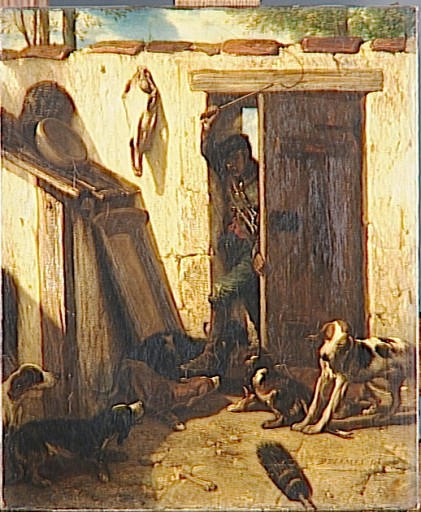
Chenil. Valet de chiens


 Vezi mai mult
Reproducere pictată manual în ulei
Pictură în ulei pe pânză, pictată manual de artiștii noștri la dimensiunea și ramele dorite de dumneavoastră, pe comandă. ( Comută pe versiunea Print Comută pe Imagine Digitală)




P118B lei10

P118H lei10

P118W lei10

P438Z lei10

P508JH lei12

P508YH lei12

P805H lei10

P805Z lei10

P919BZ lei10

P919G lei10

P919XJ lei10

P959ZH lei10

P968JZ lei12

W106C lei8

W218G lei10

W218JH lei8

W218Y lei10

W307PJ lei10

W316G lei10

W316PJ lei8

W316Y lei10

W398PJ lei8

W4111J lei10

W500HY lei15

W500JH lei15

W692G lei12

W849H lei8

W940BG lei15

W953PJ lei8




Alegeți dintre dimensiunile noastre prestabilite, care respectă proporțiile originale ale operei de artă.

Introduceți lățimea și înălțimea necesare pentru a se potrivi ramei sau peretelui dumneavoastră. Această lucrare este pictată manual, așa că, pentru o dimensiune cu o formă diferită, artistul poate picta puțin mai mult în jurul imaginii sau poate tăia puțin din margini — dumneavoastră decideți. Vă vom trimite o simulare digitală pentru aprobare înainte de a începe pictarea. Imaginea afișată pe această pagină nu reprezintă rezultatul real — doar simularea este reprezentativă.
După plasarea comenzii, echipa OriginalUniqueArt.com va contacta clientul prin e-mail pentru instrucțiuni și îi va furniza o previzualizare a machetei
Livrare în întreaga lume () în 3-4 săptămâni, în loc de cele 5 săptămâni standard. (28 Octombrie). Fără compromisuri în ceea ce privește calitatea.

Livrare expres gratuită la nivel mondial

Pânză de in de înaltă calitate

Asigurare completă pentru transport

Garanție de rambursare a taxelor vamale

Garanția fidelității culorilor

Politica de retur în 100 de zile (doar pentru defecte de fabricație)

Garanție de rambursare 100%

Ofertă pentru comenzi multiple
 Opțiunea cu sticlă este disponibilă doar pentru dimensiuni de sub 110 cm

Chenil. Valet de chiens
Tehnică de reproducere
Dimensiune reproducere
-


Preț total calculat
lei 1395
A Moment of Rural Harmony: Decamps’ “Chenil”
Alexandre Gabriel Decamps' "Chenil. Valet de chiens" (1850s) offers a captivating glimpse into the quiet rhythms of 19th-century rural France, rendered with a remarkable sensitivity to light, texture, and the unspoken bonds between man and animal. This evocative painting isn’t merely a depiction of a dog handler tending his charges; it's a carefully constructed tableau brimming with symbolic resonance and a palpable sense of timelessness. Decamps, a pivotal figure in the burgeoning field of Orientalism, used this work to explore themes of labor, companionship, and the profound connection between humanity and the natural world – elements that resonated deeply within his artistic vision.
Decamps’ style is immediately recognizable as a masterful blend of Realism and Romanticism. He eschewed the rigid academic conventions of his time, favoring instead a looser, more painterly approach. Notice how he captures the roughness of the weathered stone structure – short, broken lines suggest its age and solidity while simultaneously conveying a sense of organic growth. The composition itself is deliberately asymmetrical, drawing the eye through the scene with a subtle yet effective balance. A simple bucket and hanging cloth on one side create visual interest, preventing the image from feeling static or overly formal. Decamps’ use of color is equally deliberate; the dominant earthy tones – browns, tans, greys, and muted greens – evoke a sense of groundedness and connection to the land.
The Language of Texture and Light
Decamps' technical skill shines through in his masterful manipulation of texture. The rough surface of the stone walls is rendered with an almost tactile quality, inviting the viewer to reach out and feel its weathered grain. Similarly, the fur of the dogs – a mix of whites, greys, and subtle blues – appears incredibly realistic, each strand seemingly imbued with individual character. This attention to detail extends to the way he captures the diffused light filtering through the doorway, creating soft shadows that add depth and dimension to the scene. The lighting isn’t dramatic or theatrical; instead, it feels natural and honest, suggesting an overcast day or indirect sunlight – a subtle yet powerful choice that reinforces the painting's overall mood of quiet contemplation.
Symbolism in Everyday Life
"Chenil" is more than just a portrait of a dog handler; it’s a meditation on the dignity of labor and the enduring power of companionship. The “chenil,” or dog handler, represents a figure deeply connected to the land and his animals – a symbol of rural resilience and self-sufficiency. The dogs themselves are not merely accessories to the scene; they are integral participants in this quiet drama, their attentive gazes suggesting a deep bond with their master. Decamps subtly imbues the painting with a sense of understated emotion—a feeling of mutual respect, loyalty, and shared experience that transcends words.
A Window into 19th-Century France
To understand “Chenil,” it’s crucial to consider Decamps' place within the broader context of 19th-century French art. He was a pioneer in depicting everyday life, particularly scenes from rural and working-class communities – a departure from the prevailing focus on grand historical narratives or idealized portraits. His work reflects a growing interest in documenting the realities of ordinary people, capturing their struggles, joys, and connections to nature. Decamps’ exploration of Orientalism, though evident in his broader oeuvre, is subtly present here, informing his approach to portraying foreign landscapes and customs with an observant eye and a nuanced understanding of cultural differences. This painting stands as a testament to Decamps' ability to transform the mundane into something profoundly beautiful and meaningful.
Întrebări și răspunsuri
Ce nivel de saturație și intensitate prezintă "Chenil. Valet de chiens" de Alexandre Gabriel Decamps?
Culorile din "Chenil. Valet de chiens" de Alexandre Gabriel Decamps prezintă o saturație de Balanced Soft cu o intensitate de Vivid.
Sub ce alte nume este cunoscut/ă Alexandre Gabriel Decamps?
Alte nume înregistrate pentru Alexandre Gabriel Decamps, creatorul operei „Chenil. Valet de chiens”, includ Alexandre-Gabriel Joseph Daget Decamps.
Unde pot cumpăra o reproducere pictată manual a operei "Chenil. Valet de chiens" de Alexandre Gabriel Decamps?
Reproducțiile pictate manual ale operei "Chenil. Valet de chiens" de Alexandre Gabriel Decamps pot fi achiziționate pe acest site web: o reproducere pictată manual în ulei pe pânză de in, prin comandă direct de pe pagina Reproducere pictată în ulei.
Biografie artist
Alexandre Gabriel Decamps (1803-1860): A Pioneer of Orientalist Visions
Alexandre Gabriel Decamps, a name resonating with the vibrant hues of exotic landscapes and the dramatic flair of Romanticism, emerged as a pivotal figure in 19th-century French painting. Born in Paris on March 3, 1803, his artistic journey was one of bold innovation, challenging academic conventions and forging a path toward what would become known as Orientalism. While contemporaries like Delacroix and Ingres also held prominent positions within the French art world, Decamps distinguished himself through an intensely personal style—a blend of meticulous observation, dramatic composition, and a captivating narrative quality that drew viewers into worlds both familiar and utterly foreign. His early recognition as a talented artist foreshadowed a career marked by critical acclaim, culminating in the grand or council medal at the Paris Exhibition of 1855, a testament to his exceptional skill and unique vision. Beyond the canvas, Decamps was a man deeply connected to nature, finding solace and inspiration in the countryside surrounding Paris, where he indulged his passion for animals and field sports—a fondness that would subtly permeate much of his artistic output.- Early Life and Artistic Training:
- Travels to the East: Shaping His Vision:
- Style and Technique: Romantic Drama Meets Observation:
- Notable Works: Landscapes, Biblical Scenes and Genre Art:
- Legacy and Influence: The Father of Orientalism
Early Life and Artistic Training
Decamps’s formative years were steeped in Parisian intellectual life. He received a comprehensive education, mastering Latin and Greek—languages crucial for understanding the humanist tradition that underpinned much of European art at the time. This scholarly grounding would prove invaluable as he honed his artistic skills under the tutelage of Jean-Baptiste Camille Bouchardy, a respected teacher known for fostering realism and capturing the essence of human emotion. Decamps’s early works demonstrated an aptitude for portraiture and genre scenes—domestic interiors populated with figures imbued with psychological depth—reflecting the prevailing stylistic trends of the École de Barbizon, where artists sought inspiration in rural landscapes and celebrated the beauty of everyday life.Travels to the East: Shaping His Vision
A pivotal moment in Decamps’s artistic development arrived when he embarked on expeditions to Egypt and Syria during the 1830s. These journeys profoundly impacted his sensibilities, exposing him to cultures vastly different from those of France—a contrast that fueled his desire to depict these lands with unprecedented accuracy and sensitivity. Unlike many artists of his era who relied on idealized representations or fantastical embellishments, Decamps meticulously documented the sights and sounds of the Middle East, capturing the textures of desert sands, the bustling marketplaces of Damascus, and the serene beauty of monastic churches. This commitment to realism wasn’t merely a matter of technical proficiency; it stemmed from a genuine fascination with Eastern traditions and beliefs—a fascination that would permeate his artistic output for decades to come.Style and Technique: Romantic Drama Meets Observation
Decamps's artistic style was characterized by a masterful blend of Romantic drama and meticulous observation. He employed bold brushstrokes, creating textured surfaces that conveyed the palpable atmosphere of his subjects—whether biblical narratives or landscapes bathed in golden sunlight. His compositions were dynamic and theatrical, capturing movement and emotion with dramatic flair—a hallmark of the École de Barbizon’s influence. However, Decamps distinguished himself from his peers by grounding his artistic vision in detailed realism—a technique honed through countless hours spent studying nature and painstakingly recreating its nuances on canvas. This approach resulted in paintings that possessed both grandeur and intimacy, inviting viewers to immerse themselves in worlds rendered with breathtaking precision.Notable Works: Landscapes, Biblical Scenes and Genre Art
Decamps produced a prolific oeuvre encompassing landscapes, biblical scenes, and genre art—each reflecting his distinctive artistic sensibilities. Among his most celebrated works are “Joseph Sold by His Brethren,” depicting a poignant depiction of biblical storytelling with remarkable attention to detail; “The Defeat of the Cimbri,” capturing the chaos and brutality of battle with dynamic energy; and “Incendie d’un village italien,” portraying a dramatic confrontation between figures against a backdrop of fiery hues. Furthermore, Decamps excelled in genre paintings—scenes from everyday life—such as “La Cour de ferme” and “L’École Turque”—where he captured the spirit of his subjects with humor and psychological insight. His depictions of animals—particularly dogs—were equally noteworthy, reflecting his lifelong passion for these creatures and conveying their inherent dignity and beauty.Legacy and Influence: The Father of Orientalism
Alexandre Gabriel Decamps is rightfully considered the founding father of Orientalism in French painting. Prior to him, depictions of the East were often filtered through a lens of fantasy and exoticism—a stylistic convention that perpetuated stereotypes and obscured the complexities of Eastern cultures. Decamps challenged this tradition by presenting an unvarnished glimpse of life in North Africa and the Middle East—one rooted in direct observation and genuine curiosity. His groundbreaking approach inspired artists and writers alike, fostering a wave of Orientalist works that dominated much of 19th-century art. Maxime du Camp famously dubbed him “Christopher Columbus of the Orient,” recognizing his pioneering role in opening up this new artistic territory. Decamps’s legacy continues to endure through his captivating paintings—masterpieces like “The Albanian Dancer” and “A Bedouin and a Camel Resting in a Desert”—which are celebrated for their artistic merit and historical significance, ensuring that his vision inspires generations of artists to come. His works can be found in prestigious institutions such as the Musée du Louvre in Paris.
Alexandre Gabriel Decamps
1803 - 1860 , Franța
Detalii rapide
- Artistic Movement Or Style: Școala franceză
- Artists Or Movements Influenced By This Artist: ['Școala franceză']
- Artists Who Influenced This Artist:
- Delacroix
- Ingres
- Date Of Birth: Paris, Franța (1803)
- Date Of Death: Fontainebleau, Franța (1860)
- Full Name: Alexandre Gabriel Decamps
- Nationality: Francez
- Notable Artworks:
- CHIENS BRIFAUTS
- LA COUR DE FERME
- L'École Turque
- PAYSAGE TURC
- Place Of Birth: Paris
Articole similare

Romantic Realism's Finest: 10 Masterpieces for Your Home | OriginalUniqueArt
Explore 10 defining masterpieces of Romantic Realism! Discover Courbet, Millet & Daumier's powerful paintings—capturing emotion and social realities. Find museum-quality reproductions for your home at OriginalUniqueArt.com.
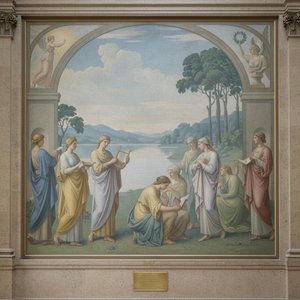
Pierre Puvis de Chavannes: Symbolism, Mural Painting, and the Pursuit of Ideal Beauty
Explore the life & work of Pierre Puvis de Chavannes, a pivotal Symbolist painter renowned for his monumental murals. Discover his aesthetic principles, key artworks like 'Hope,' and lasting influence on modern art. A deep dive into 19th-century French painting.
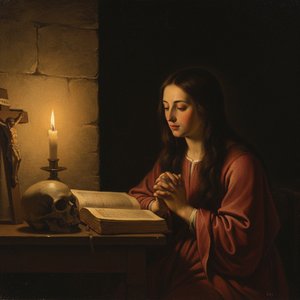
Georges de La Tour: Luminosity, Spirituality & Realism in Baroque Painting
Discover the captivating world of Georges de La Tour, a Baroque master renowned for his dramatic chiaroscuro & spiritual realism. Explore key works, influences, and his remarkable rediscovery. Learn more at OriginalUniqueArt.

Cu privire la noi
Descoperă povestea noastră! Aduceți arta de talie mondială în viața dumneavoastră prin selecție expertă, creații personalizate și previzualizări gratuite. Aprobate de persoane fizice și companii din 2000.

Goya: Cele Mai Iconice Capodopere – Artă Spaniolă pentru Decor Rafinat | OriginalUniqueArt.ro
Descoperă cele mai frumoase 25 de picturi ale lui Francisco Goya! Explorează capodoperele romantice, portretele impresionante și gravurile puternice. Reproduceri artă spaniolă de calitate muzeală pentru un decor rafinat. Explorează colecția completă online pe OriginalUniqueArt.com


