 Previzualizare
 Trimite prin felicitare
 Distribuie
 Detalii despre lucrare
 Ghid
Ghid

 Descarcă imaginea
 Produse similare
 Radiografie
 Galerie foto
 Q&A
Q&A Statistici
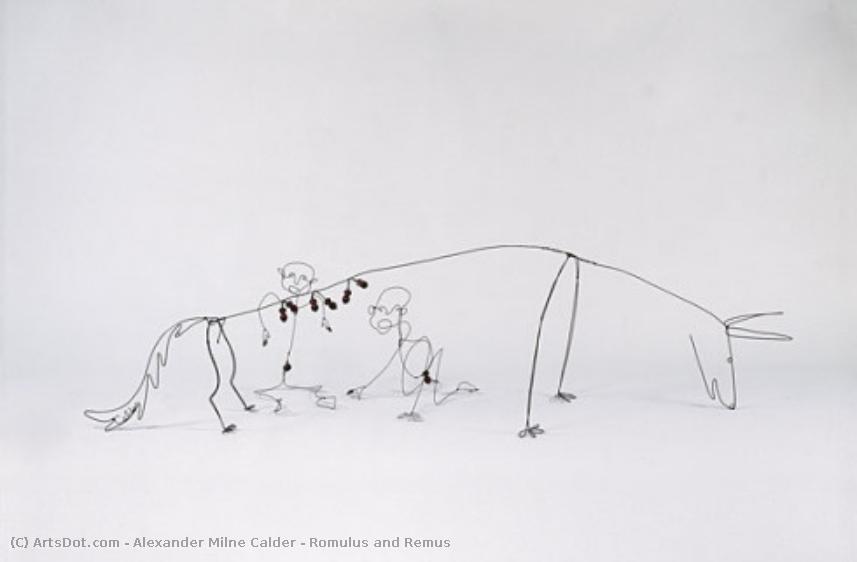
Romulus and Remus


 Vezi mai mult
Obțineți un fișier gata de imprimare care depășește cu mult calitatea previzualizării web. Fiecare imagine digitală pe care o vindem provine dintr-un master de înaltă rezoluție din baza noastră de date — având, de regulă, o lățime între 5.000 și 15.000 de pixeli — astfel încât să puteți printa în format mare, să decupați strâns sau să reproduceți detalii fine cu încredere.
Niciun fișier nu părăsește studioul nostru fără să fie tratat. Un expert digital verifică nuanțele de culoare în raport cu pictura originală și le corectează acolo unde este necesar, apoi îmbunătățește claritatea și detaliile folosind instrumente profesionale de retușare — rămânând întotdeauna fidel gestului pictural și stilului artistului. Rezultatul este o imagine care seamănă cu tabloul propriu-zis, nu cu o scanare filtrată.
Aprobați înainte de finalizare: expertul nostru vă va trimite imaginea prin e-mail în termen de 72 de ore pentru revizuire. Nu sunteți mulțumit? Solicitați îmbunătățiri sau corecturi, ori cereți o restituire a plății dacă calitatea nu este pe măsura așteptărilor.
Aceasta este calitatea pe care se bazează editorii, studiourile de design, galeriile și tipăriturile.
Imagine Digitală
Descărcați un fișier la rezoluție înaltă pentru afișare personală, imprimare și proiecte creative. ( Comută pe versiunea Print Comandă pictură realizată manual)
Inclus în fiecare comandă de imagini digitale
Livrare digitală de expertiză, garantată
Când alegeți OriginalUniqueArt.com, nu primiți doar o simplă imagine – primiți o operă de artă digitală îmbunătățită profesional, creată cu precizie și susținută de o garanție de satisfacție. Iată tot ceea ce primești odată cu comanda ta, în mod automat:

Livrare rapidă prin e-mail
Fișierul imaginii digitale la rezoluție înaltă vă va fi trimis prin e-mail în termen de 72 de ore de la finalizarea comenzii – gata pentru utilizare imediată.

Fișier digital optimizat prin IA
Opera ta de artă este optimizată profesional prin intermediul unor instrumente AI avansate și al editării manuale, asigurând un nivel maxim de detalii, claritate și acuratețe a culorilor.

Retransmitere gratuită pe viață
Ai șters sau ai pierdut din greșeală fișierul? Nu îți face griji – ți-l vom retrimite oricând, gratuit.

Fără taxe de import – Întotdeauna
Bucură-te instant de noua ta operă de artă, fără taxe vamale, taxe de import sau costuri de livrare – descărcările digitale sunt întotdeauna fără taxe.

Garanția acurateții culorilor
Asigurăm o reflectare cât mai fidelă a culorilor originale în imaginea ta digitală, prin utilizarea unor instrumente profesionale și a proceselor de gestionare a culorii.

Garanție de satisfacție de 100 de zile
Dacă nu sunteți mulțumit de imaginea digitală achiziționată, o vom revizui sau vă vom returna 100% în termen de 100 de zile – fără nicio întrebare.

Garanție de returnare 100% a banilor
Nu ești mulțumit? Primești rambursarea integrală în termen de 100 de zile de la primirea fișierului digital – fără nicio întrebare.

Reduceri pentru comenzi în volum
Cumpără 3 imagini, economisește 10% - Cumpără 5, economisește 15% - Cumpără 10+, economisește 20%. Ideal pentru proiecte creative, galerii și agenții.
A Moment Frozen in Steel: Exploring Calder’s “Romulus and Remus”
Alexander Milne Calder's "Romulus and Remus," crafted in 1928, isn’t merely a sculpture; it’s a distilled essence of myth rendered in delicate wire. This piece, a testament to the artist’s pioneering approach to three-dimensional form, transcends its subject matter – the legendary founders of Rome – to become a profound meditation on beginnings, brotherhood, and the very act of creation itself. Calder, deeply influenced by Constructivism and early Modernism, sought to liberate sculpture from the constraints of traditional materials, embracing the inherent qualities of industrial wire as both medium and metaphor.
The sculpture’s stark simplicity is its most arresting feature. Two figures, rendered with astonishing grace despite their skeletal construction, stand beneath a subtly arching structure that evokes a horizon line or perhaps a stylized landscape. The color palette – a resolute black and white punctuated by subtle grays – amplifies the work's austerity, forcing the viewer to focus entirely on form and movement. The lines themselves are paramount; thin, almost impossibly delicate wires define every contour, creating an illusion of both fragility and strength. This deliberate reductionist approach mirrors Calder’s broader philosophy: to strip away the superfluous and reveal the fundamental elements of a subject.
The Poetics of Chance and Kinetic Form
Calder's work in this period – particularly his “Cirque Calder” series – exemplifies his fascination with chance and spontaneity. He didn’t meticulously plan every curve or angle; instead, he allowed the wire to guide him, embracing the unpredictable nature of the material. This process is vividly captured in "Romulus and Remus," where the figures appear to be caught mid-action, poised on the precipice of a narrative yet undefined. The slight wobble inherent in the sculpture’s construction – a subtle consequence of its wire composition – hints at a kinetic energy, suggesting that even stillness can hold a dynamic potential.
The technique itself is deceptively complex. Calder skillfully bent and assembled hundreds of individual wires, creating a surprisingly robust structure despite its delicate appearance. The varying thicknesses of the wire contribute to the sculpture’s textural richness, offering subtle shifts in sheen as light catches the metal. This careful manipulation of material speaks to Calder's mastery of his chosen medium – a testament to his ability to transform industrial components into objects of profound beauty and intellectual resonance.
Myth, Brotherhood, and the Dawn of Rome
The subject matter—the story of Romulus and Remus—is deeply rooted in Roman mythology. The legend of the twins suckled by a she-wolf is an enduring symbol of resilience, survival, and the founding of civilization. Calder’s sculpture doesn't simply depict this narrative; it captures its essence – the primal struggle for existence, the bond between brothers, and the birth of a new order. The wire itself can be interpreted as representing the threads that connect us to our past, shaping our present and influencing our future.
Created in 1928, “Romulus and Remus” stands as a pivotal work in Calder’s oeuvre, marking a significant shift towards abstraction while retaining a powerful connection to his artistic roots. It's a sculpture that invites contemplation, prompting viewers to consider the interplay of form, material, and narrative – a timeless meditation on the foundations of human experience.
Întrebări și răspunsuri
"Romulus and Remus" de Alexandru Milne Calder este păstrat în țara de origine a artistului?
Nu – opera de artă este păstrată în străinătate. Țara natală a Alexandru Milne Calder este Regatul Unit, iar muzeul care păstrează originalul operei „Romulus and Remus” se află în Statele Unite ale Americii.
Cine este autorul și din ce an este "Romulus and Remus"?
Lucrarea „Romulus and Remus” este creată de Alexandru Milne Calder și datează din 1928.
Unde pot găsi statistici despre "Romulus and Remus" de Alexandru Milne Calder?
Pagina Statistici pentru "Romulus and Remus" de Alexandru Milne Calder prezintă statistici privind vizitele publice: numărul de vizite lunare ale acestei opere, o comparație cu cele mai vizionate lucrări ale artistului și proveniența vizitatorilor.
Biografie artist
Introduction to Alexander Milne Calder
Alexander Milne Calder (MILL-nee) was a Scottish American sculptor born in Aberdeen, Scotland, on August 23, 1846. He is best known for his architectural sculpture of Philadelphia City Hall and both his son, Alexander Stirling Calder, and grandson, Alexander ‘Sandy’ Calder, became significant sculptors in the 20th century. His artistic journey began with a formative influence from his father, John Rhind, a sculptor who instilled in him an early appreciation for stone carving during his childhood years. Calder attended the Royal Academy in Edinburgh where he honed his skills and studied alongside fellow artists, shaping his understanding of classical sculpture traditions. He subsequently moved to London and collaborated on monumental projects like the Albert Memorial, demonstrating his versatility and ambition as a craftsman.- Early Life and Education: Calder’s upbringing in Aberdeen exposed him to the craft of stone carving from a young age, profoundly impacting his artistic sensibilities.
- Royal Academy Training: His studies at the Royal Academy provided foundational knowledge in sculpture techniques and broadened his artistic horizons.
- London Collaborations: Calder’s involvement with the Albert Memorial showcased his ability to execute large-scale architectural sculptures, cementing his reputation as a skilled artist.
Career Highlights
Calder's professional life unfolded in stages marked by pivotal commissions and collaborations. He secured a prominent role on the construction of Philadelphia City Hall, undertaking an ambitious project that demanded meticulous attention to detail and involved crafting over 250 pieces—primarily marble and bronze—spanning two decades. This monumental endeavor solidified his position as one of Scotland’s foremost sculptors. Furthermore, he was entrusted with creating William Penn, a colossal statue honoring Pennsylvania's founder atop City Hall’s tower, showcasing his mastery of sculptural form and symbolism. Calder’s artistic vision extended beyond architectural projects; he produced striking sculptures like *Indian Figure*, reflecting his engagement with indigenous cultures and artistic experimentation.- Philadelphia City Hall Commission: Calder’s dedication to this project resulted in a masterpiece of architectural sculpture, demonstrating his commitment to ambitious artistic endeavors.
- William Penn Statue: The creation of William Penn exemplifies Calder's ability to convey historical significance through monumental sculptural representations.
- *Indian Figure*: This sculpture embodies Calder’s exploration of cultural influences and innovative artistic techniques.
Notable Sculptures
Calder’s oeuvre encompasses a diverse range of artworks characterized by both static and kinetic forms. Among his most celebrated creations are the illuminated portals of Philadelphia City Hall, adorned with colored lights—a testament to Calder's meticulous craftsmanship and artistic flair. He also produced *Spirale*, a towering sculpture commissioned for UNESCO headquarters in Paris, reflecting his engagement with contemporary art trends and architectural innovation. His final masterpiece, *Flamingo*, stands proudly at Chicago’s Federal Center Plaza, symbolizing Calder’s enduring legacy as one of America's most influential sculptors.- Philadelphia City Hall Portals: Calder’s incorporation of colored lights into these portals exemplifies his artistic attention to detail and visual impact.
- *Spirale*: This monumental sculpture commissioned for UNESCO headquarters demonstrates Calder’s ability to create impactful artworks that resonate with global audiences.
- *Flamingo*: Calder's final sculpture at Chicago’s Federal Center Plaza represents his enduring contribution to American art history.
Legacy and Influence
Alexander Milne Calder’s impact on the artistic landscape extends beyond his own creations. His son, Alexander Stirling Calder, and grandson, Alexander ‘Sandy’ Calder, followed in his footsteps as sculptors, perpetuating a lineage of artistic excellence. Calder's pioneering approach to sculpture—particularly his exploration of kinetic art and chance—inspired generations of artists and continues to influence contemporary sculptural practices. He remains revered for his unwavering dedication to artistic innovation and his profound contribution to the visual arts. “Theories may be all very well for the artist himself, but they shouldn't be broadcast to other people.”
Alexandru Milne Calder
1898 - 1976 , Regatul Unit
Detalii rapide
- Artistic Movement Or Style: Architectural sculpture
- Artists Who Influenced This Artist: ['John Rhind']
- Date Of Birth: August 23, 1846
- Date Of Death: June 14, 1923
- Full Name: Alexander Milne Calder
- Nationality: Scottish-American
- Notable Artworks:
- Philadelphia City Hall
- William Penn statue
- Place Of Birth: Aberdeen, United Kingdom