Text size

() ·

A painting made for you, by hand

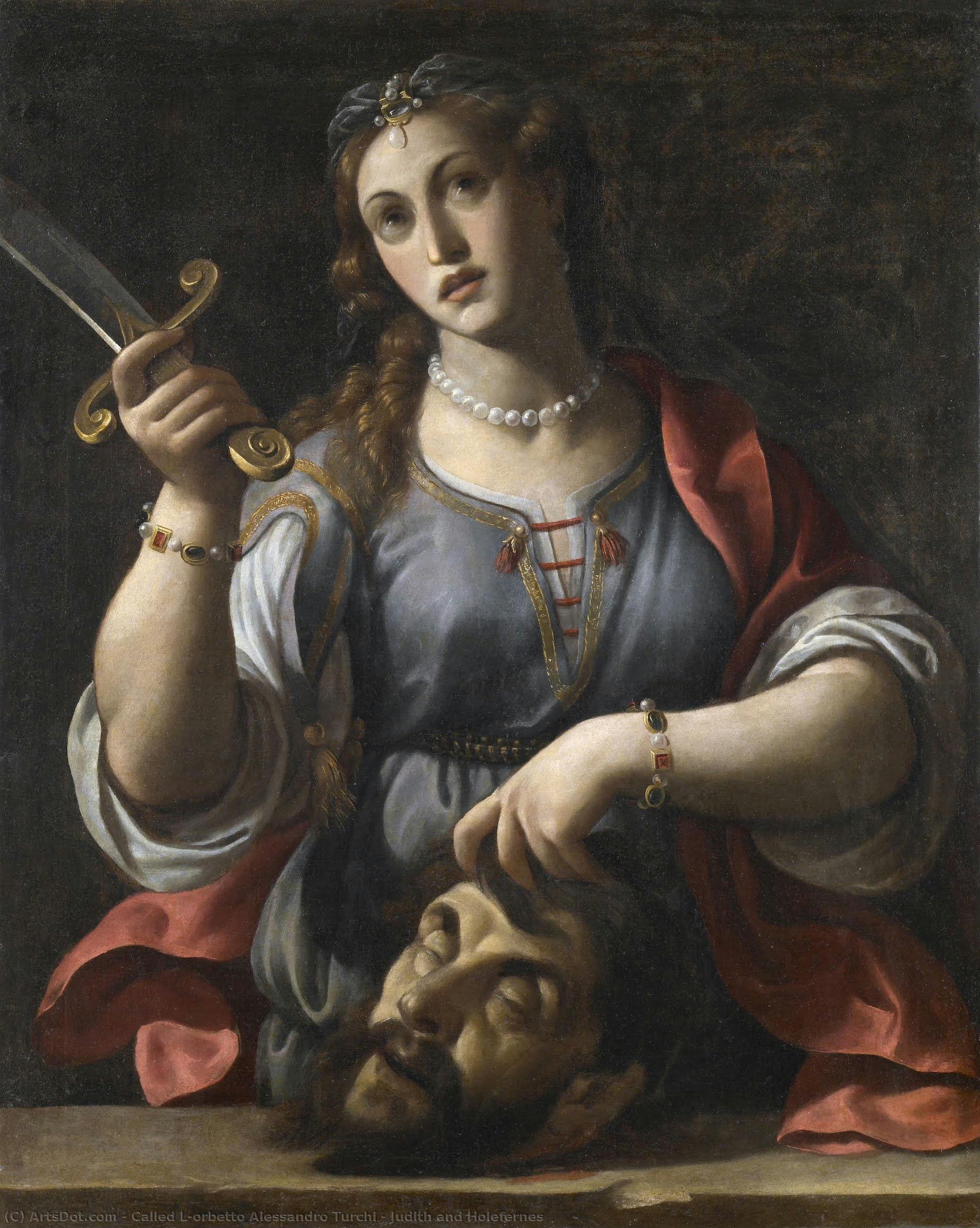
Judith and Holefernes

Reproducere pictată manual în ulei

Pictură în ulei pe pânză, pictată manual de artiștii noștri la dimensiunea și ramele dorite de dumneavoastră, pe comandă. ( Comută pe versiunea Print Comută pe Imagine Digitală)

Descriere obiect de colecție

Explore 'Judith and Holofernes' by L'Orbetto Turchi – a dramatic Baroque oil painting featuring intense chiaroscuro & realistic detail. Discover this captivating work by Italian master.

Biografie artist

Alessandro Turchi (L'Orbetto): Maestru baroc veronez cu o expresie unică, amestecând dramatismul cu grație lirică. Descoperă opere remarcabile din Verona și Roma!

from ·

Chapter 1

How large should it be?

Slide to change the size; the picture on the left shows the frame at its real width. The proportions of the original are kept.

Standard
personalizat
CM
INCH

Alegeți dintre dimensiunile noastre prestabilite, care respectă proporțiile originale ale operei de artă.

lățime
înălțime

Introduceți lățimea și înălțimea necesare pentru a se potrivi ramei sau peretelui dumneavoastră. Această lucrare este pictată manual, așa că, pentru o dimensiune cu o formă diferită, artistul poate picta puțin mai mult în jurul imaginii sau poate tăia puțin din margini — dumneavoastră decideți. Vă vom trimite o simulare digitală pentru aprobare înainte de a începe pictarea. Imaginea afișată pe această pagină nu reprezintă rezultatul real — doar simularea este reprezentativă.

Chapter 2

How should it arrive?

Choose the edges of the stretched canvas

Choose your frame

Corner sample of the WhiteWrap canvas edge finish, stretched on lemn masiv bars
White lei1
Corner sample of the BlurSideWrap canvas edge finish, stretched on lemn masiv bars
Blurside lei1
Corner sample of the ExtendedWrap canvas edge finish, stretched on lemn masiv bars
Extended lei1
Corner sample of the P118B picture frame: polistiren turnat, 5 cm wide and 3 cm thick
P118B lei10
Corner sample of the P118H picture frame: polistiren turnat, 5 cm wide and 3 cm thick
P118H lei10
Corner sample of the P118W picture frame: polistiren turnat, 5 cm wide and 3 cm thick
P118W lei10
Corner sample of the P438Z picture frame: polistiren turnat, 5.5 cm wide and 3.5 cm thick
P438Z lei10
Corner sample of the P508JH picture frame: polistiren turnat, 7 cm wide and 3.5 cm thick
P508JH lei12
Corner sample of the P508YH picture frame: polistiren turnat, 7 cm wide and 3.5 cm thick
P508YH lei12
Corner sample of the P805H picture frame: polistiren turnat, 5 cm wide and 3.5 cm thick
P805H lei10
Corner sample of the P805Z picture frame: polistiren turnat, 5 cm wide and 3.5 cm thick
P805Z lei10
Corner sample of the P919BZ picture frame: polistiren turnat, 7 cm wide and 3.5 cm thick
P919BZ lei10
Corner sample of the P919G picture frame: polistiren turnat, 7 cm wide and 3.5 cm thick
P919G lei10
Corner sample of the P919XJ picture frame: polistiren turnat, 7 cm wide and 3.5 cm thick
P919XJ lei10
Corner sample of the P959ZH picture frame: polistiren turnat, 5 cm wide and 3 cm thick
P959ZH lei10
Corner sample of the P968JZ picture frame: polistiren turnat, 6 cm wide and 4 cm thick
P968JZ lei12
Corner sample of the W106C picture frame: lemn masiv, 5 cm wide and 3 cm thick
W106C lei8
Corner sample of the W218G picture frame: lemn masiv, 5 cm wide and 3 cm thick
W218G lei10
Corner sample of the W218JH picture frame: lemn masiv, 5 cm wide and 3 cm thick
W218JH lei8
Corner sample of the W218Y picture frame: lemn masiv, 5 cm wide and 3 cm thick
W218Y lei10
Corner sample of the W307PJ picture frame: lemn masiv, 6 cm wide and 3 cm thick
W307PJ lei10
Corner sample of the W316G picture frame: lemn masiv, 6 cm wide and 3 cm thick
W316G lei10
Corner sample of the W316PJ picture frame: lemn masiv, 6 cm wide and 3 cm thick
W316PJ lei8
Corner sample of the W316Y picture frame: lemn masiv, 6 cm wide and 3 cm thick
W316Y lei10
Corner sample of the W398PJ picture frame: lemn masiv, 5 cm wide and 3 cm thick
W398PJ lei8
Corner sample of the W4111J picture frame: lemn masiv, 6.5 cm wide and 3.5 cm thick
W4111J lei10
Corner sample of the W500HY picture frame: lemn masiv, 7 cm wide and 5 cm thick
W500HY lei15
Corner sample of the W500JH picture frame: lemn masiv, 7 cm wide and 5 cm thick
W500JH lei15
Corner sample of the W692G picture frame: lemn masiv, 8 cm wide and 4 cm thick
W692G lei12
Corner sample of the W849H picture frame: lemn masiv, 5 cm wide and 3 cm thick
W849H lei8
Corner sample of the W940BG picture frame: lemn masiv, 7.5 cm wide and 4.5 cm thick
W940BG lei15
Corner sample of the W953PJ picture frame: lemn masiv, 6 cm wide and 3.5 cm thick
W953PJ lei8
Corner sample of the H24-GOLD picture frame: lemn sculptat cu gesso, 10 cm wide and 6 cm thick
H24-GOLD lei30
Corner sample of the H24-SILVER picture frame: lemn sculptat cu gesso, 10 cm wide and 6 cm thick
H24-SILVER lei30
Corner sample of the H36-GOLD picture frame: lemn sculptat cu gesso, 15 cm wide and 6.5 cm thick
H36-GOLD lei45
Corner sample of the H36-SILVER picture frame: lemn sculptat cu gesso, 15 cm wide and 6.5 cm thick
H36-SILVER lei45

Moulding: . Overall size with the frame: .

Chapter 3

Who paints it, and should anything change?

Examples of what can be changed: Replace face with customer photo; Add pet (e.g., replace cat with dog); Include hidden message in background; Change background landscape or elements.
After order, OriginalUniqueArt.com team will email client for instructions and provide a mockup preview

Livrare în întreaga lume () în 3-4 săptămâni, în loc de cele 5 săptămâni standard. (1 Noiembrie). Fără compromisuri în ceea ce privește calitatea.

Chapter 4

The finishing touches

A nameplate, as in a museum?

Detalii plăcuță din bronz gravat

This elegant plaque features the artist's name and the title of the artwork, finely engraved for a timeless presentation.

It is made from bronze with a refined, elegant finish. The text is precisely laser-engraved for a sharp and permanent result. Measuring 9x2 cm, the plaque is compact yet easy to read. It's built to be durable and scratch-resistant, offering a professional, museum-quality look. Mounting is simple thanks to the included adhesive backing.

Detalii plăcuță din acril transparent

The plaque includes essential engraved details such as the artist's name, the title of the artwork, the date it was created, the type of media used-like oil on canvas or watercolor-a brief description of the piece, and a QR code that links to the complete artwork information.

It is crafted from clear acrylic, offering a sleek, modern appearance. The text is UV-engraved in black to ensure strong visual contrast. With a size of 10x15 cm, it ensures optimal readability. It comes equipped with two metal hooks for secure wall mounting. The plaque is designed to be weather-resistant, making it suitable for various environments, and it includes interactive features that work seamlessly with smartphone scanning.

Detalii placă din acril negru

This elegant plaque includes engraved information such as the artist's name, the title of the artwork, the date it was created, the type of media used (like oil on canvas or watercolor), a short description of the artwork, and a QR code for quick access to more information.

The plaque itself is made from refined black acrylic with a premium finish. The text is laser-engraved in white for high contrast and readability. Its size is 10x15 cm, designed to be easy to read. It comes with two metal hooks for professional mounting. The design is sleek and fits any interior style. It is also weather-resistant and durable, with built-in digital integration for mobile compatibility.

A protective varnish?

When do you need it?

Chapter 5

Your painting, as you ordered it

Judith and Holefernes

Tehnică de reproducere

Dimensiune reproducere

-

Selecție de artiști de elită

Mai multe detalii, rafinament și timp suplimentar de execuție

-

Ramă pentru reproducere artistică

-

-

Pentru opere de artă sau reproduceri care depășesc 105 cm (aproximativ 41 de inch) pe oricare dintre laturi, cadrul va fi livrat demontat, sub formă de kit. Această metodă asigură o livrare sigură și previne deteriorarea în timpul transportului.

Este necesară asamblarea profesională – acest produs nu este de tip DIY (de făcut singur).
Kitul trebuie asamblat, iar pânza întinsă, de către un legător de cadre experimentat, utilizând adeziv pentru lemn (neinclus în colet), o cheie pentru întinderea pânzei și cleme pentru a menține barele la unghi drept în timp ce adezivul se usucă. Asamblarea incorectă sau tensiunea neuniformă a pânzei pot deteriora permanent opera de artă și nu sunt acoperite de garanția noastră.

  • Toate barele din lemn masiv sunt incluse, tăiate cu precizie la dimensiunea necesară.

  • Asamblat cu șuruburile incluse, plus adeziv pentru lemn pentru îmbinările de colț, care nu este furnizat și trebuie achiziționat de către tâmplarul dumneavoastră.

  • Sunt necesare unelte profesionale care nu sunt incluse: o șipte de întindere a pânzei (tensionator) și cleme pentru a menține barele la unghi drept în timp ce adezivul se usucă.

Important:
Îmbinările de colț necesită adeziv pentru lemn, barele trebuie fixate cu clești de strângere până când adezivul este complet uscat, iar întinderea pânzei pe cadrul asamblat necesită un clește pentru întins pânza. Niciunul dintre aceste elemente nu este inclus în kit. Vă rugăm să consultați un încadrator profesionist cu experiență înainte de a comanda această dimensiune.

Etichetă de prezentare

-

-

Lac de protecție

Lac lucios (intensifică nuanțele și oferă protecție împotriva luminii și a umidității)

-

Personalizează opera mea de artă

Exemple de elemente ce pot fi personalizate: Înlocuirea feței cu fotografia clientului; Adăugarea unui animal de companie (de exemplu, înlocuirea unei pisici cu un câine); Includerea unui mesaj ascuns în fundal; Modificarea peisajului sau a elementelor din fundal.

-

Livrare rapidă

Livrare la nivel mondial () în 3-4 săptămâni, în loc de cele 5 săptămâni standard. (1 Noiembrie). Fără compromisuri când vine vorba de calitate.

-

Livrare rapidă

Livrare la nivel mondial () în 5 săptămâni. (8 Noiembrie).

Inclus

Preț total calculat

lei 1423

Preț total lei 1423

Opțiunea cu sticlă este disponibilă doar pentru dimensiuni de sub 110 cm

Included with every order

  • Livrare expres gratuită la nivel mondial
  • Pânză de in de înaltă calitate
  • Asigurare completă pentru transport
  • Garanție de rambursare a taxelor vamale
  • Garanția fidelității culorilor
  • Politica de retur în 100 de zile (doar pentru defecte de fabricație)
  • Garanție de rambursare 100%
  • Ofertă pentru comenzi multiple

A Masterpiece of Baroque Tension

In the shadowy corridors of art history, few moments capture the visceral intersection of violence and virtue as poignantly as Alessandro Turchi’s Judith and Holofernes. Painted around 1605, this monumental oil on canvas serves as a breathtaking window into the Roman Baroque era, a period defined by its theatricality and profound psychological depth. The scene depicts the climactic biblical moment where Judith, a Jewish heroine of unparalleled courage, executes the Assyrian king Holofernes to save her people from oppression. Turchi does not merely record a historical or religious event; he invites the viewer into a space of intense emotional confrontation, where the air feels heavy with the scent of iron and the weight of divine retribution.

The composition is masterfully anchored by Judith herself, whose presence dominates the foreground with an almost chilling composure. Clad in opulent fabrics—a pristine white blouse accented by crimson trim and draped in a flowing blue garment—she stands as a beacon of light against an indistinct, dark background. This use of chiaroscuro, the dramatic interplay between light and shadow, is a hallmark of Turchi’s style, drawing the eye irresistibly toward the central drama. As she holds aloft the severed head of her enemy, her expression remains remarkably steady, blending a sense of solemn duty with an unwavering resolve that transcends simple vengeance.

Technique and the Language of Light

To gaze upon this work is to witness the technical prowess of a Veronese master. Turchi employs a sophisticated layered oil painting technique, building up textures that make the tactile world of the painting feel palpable. One can almost feel the smoothness of the pearls adorning Judith’s neck and the heavy, luxurious folds of her drapery. The artist’s brushstrokes are deliberate and precise, used to render the gruesome reality of Holofernes’s demise with a realism that is both unsettling and beautiful. This balance between the grotesque and the graceful is what elevates the piece from a mere narrative illustration to a high-art triumph.

The lighting in the piece acts as a silent narrator, originating from above to cast dramatic shadows that define the contours of the figures and create a profound sense of volume. This light does more than illuminate; it sanctifies the act of resistance, casting Judith in a heroic glow while leaving the fallen king in the encroaching darkness of death. For collectors and interior designers, such a piece offers more than just visual interest; it provides a focal point of immense character, capable of anchoring a room with its sophisticated palette and commanding presence.

Symbolism and Lasting Emotional Resonance

Beyond the immediate shock of the decapitation, Judith and Holofernes is a rich tapestry of symbolic meaning. The severed head serves as a potent emblem of mortality and the inevitable defeat of tyranny, while Judith herself embodies the triumph of faith and justice over brute force. The jewelry and fine clothing she wears are not merely decorative; they represent the dignity of her cause and the grandeur of the moment, suggesting that even in the midst of carnage, there is a divine order being restored.

For those seeking to surround themselves with art that provokes thought and stirs the soul, Turchi’s vision offers an unparalleled experience. A high-quality reproduction of this work allows the drama of the Baroque to inhabit modern spaces, bringing a sense of history, gravity, and timeless elegance to any collection. It is a piece that demands attention, inviting continuous re-examination of its themes of courage, sacrifice, and the enduring struggle between light and shadow.

Întrebări și răspunsuri

Drepturile de autor asupra operei "Judith and Holefernes" de Alessandro Turchi permit reproducerea acesteia?

Originalul „Judith and Holefernes” se află la Fondazione Brescia Musei, iar opera este în domeniul public – drepturile de autor au expirat.

Cât de intense sunt culorile în "Judith and Holefernes" de Alessandro Turchi?

Intensitatea culorilor din "Judith and Holefernes" este Monochromatic. Această intensitate descrie cât de puternice par a fi culorile.

Ce nivel de contrast prezintă "Judith and Holefernes" de Alessandro Turchi?

"Judith and Holefernes" de Alessandro Turchi prezintă un contrast Balanced între zonele luminoase și cele întunecate.

More about this painting

Previzualizare Previzualizare AR Comută pe versiunea Print Comută pe Imagine Digitală Trimite prin felicitare
Detalii despre lucrare Ghid Adaugă la favorite Descarcă imaginea Produse similare Radiografie Galerie foto Q&A Statistici

In numbers

  • 29frames to choose from
  • standard sizes, in its own proportions
  • 5weeks to paint and deliver it
Alessandro Turchi

Alessandro Turchi

1578 - 1649, Italia

Quick facts about Alessandro Turchi

  • Artistic Movement Or Style: Baroque timpuriu
  • Artists Or Movements Influenced By This Artist: ['Caravaggism']
  • Artists Who Influenced This Artist:
    • Riccio
    • Cagliari
  • Date Of Birth: 1578
  • Date Of Death: 1649
  • Full Name: Alessandro Turchi
  • Nationality: Italian
  • Notable Artworks:
    • Asumptia
    • Cristo
    • Manna
  • Place Of Birth: Verona, Italia

Biografie artist

A Veronese Master in the Roman Baroque: The Life and Art of Alessandro Turchi

Alessandro Turchi, affectionately known as “L’Orbetto” – the little urchin – was a pivotal figure bridging the late Mannerist traditions of Verona with the burgeoning drama of the early Roman Baroque. Born in 1578 into a Verona touched by artistic fervor, Turchi's journey reflects a fascinating interplay between regional styles and the magnetic pull of Rome’s artistic innovations. His initial training under Felice Riccio (il Brusasorci), a prominent Veronese painter, laid a solid foundation in technique and composition. This apprenticeship instilled within him a meticulous approach to form and a sensitivity to color that would characterize his early works. By 1603, Turchi had established himself as an independent artist, quickly gaining recognition for his emerging talent. A significant early commission – the organ shutters for the Accademia Filarmonica of Verona (1606-1609) – demonstrated not only his technical skill but also his versatility in handling large-scale decorative projects. This period solidified his position within the Veronese art scene, preparing him for a broader artistic horizon.

From Verona to Rome: A Blossoming Career

The death of Felice Riccio in 1605 proved a turning point. Turchi, alongside Pasquale Ottino, stepped forward to complete several canvases left unfinished by their master, an act that further honed his skills and cemented his reputation within the artistic community. This collaborative effort wasn’t merely about finishing existing works; it was a crucial period of learning and refinement, allowing Turchi to absorb Riccio's stylistic nuances while simultaneously developing his own unique voice. His ambition soon led him beyond Verona. By 1616, he had ventured to Rome, the epicenter of artistic innovation, where he quickly became immersed in the vibrant atmosphere of papal patronage and artistic competition. His involvement in the fresco decoration of the Sala Reggia at the Quirinal Palace – depicting the Gathering of Manna – marked his arrival on the Roman stage. This commission brought him into contact with leading artists of the day and exposed him to the dramatic intensity that defined the emerging Baroque style. A particularly notable achievement during this period was *Christ, Magdalen, and Angels*, commissioned by Cardinal Scipione Borghese, a powerful patron known for his discerning taste and support of artistic talent.

A Synthesis of Styles: Caravaggism and Grace

Turchi’s artistic style is remarkably distinctive – a compelling blend of softness and dramatic intensity. While deeply influenced by the works of Carlo Cagliari and, crucially, his early mentor Felice Riccio, he didn't simply imitate their styles. Instead, he forged a unique path that set him apart from his contemporaries. The influence of Caravaggio is undeniable; Turchi masterfully employed *chiaroscuro* – the dramatic use of light and shadow – to create a sense of theatricality and emotional depth in his paintings. However, unlike some of Caravaggio’s more starkly realistic depictions, Turchi tempered this intensity with a lyrical grace and a refined sensitivity to color. His figures possess a sculptural quality, yet they are imbued with a gentle humanity that softens the dramatic impact. This ability to balance these seemingly opposing forces – drama and delicacy – is what defines his artistic signature. He frequently employed black marble as a background in his historical scenes, creating a striking contrast that further enhanced the emotional power of his compositions. His works often featured allegorical themes, exploring concepts like Faith, Hope, and Charity with an elegant and sophisticated approach.

Major Works and Recognition

Throughout his career, Alessandro Turchi produced a diverse body of work encompassing religious altarpieces, historical paintings, and decorative panels. Some of his most celebrated achievements include the *Assumption* altarpiece for the church of San Luca in Verona (1610), a monumental composition demonstrating his mastery of scale and color; the *Flight into Egypt*, a tender depiction of the Holy Family that showcased his ability to convey emotion through subtle gestures and expressions; and *Judgment of Paris*, a complex allegorical scene reflecting the influence of Raphael’s engraving. He also created numerous smaller, intimate works – often on black marble – depicting historical events and mythological subjects, catering to the tastes of discerning collectors in both Italy and France. In 1637, he was elected “principe” – director – of the Accademia di San Luca, a prestigious institution that served as a hub for artistic innovation and debate in Rome. This recognition underscored his standing within the Roman art world and solidified his role as a leading figure in the development of Baroque painting.

Legacy and Influence

Alessandro Turchi’s legacy extends beyond his individual masterpieces. He was a dedicated teacher, nurturing the talents of numerous young artists who went on to establish successful careers themselves. His students included Giovanni Ceschini and Giovanni Battista Rossi (il Gobbino), both of whom benefited from his guidance and expertise. Turchi's work continues to be studied and admired for its unique synthesis of Caravaggesque drama, Mannerist elegance, and a profound sense of humanity. He remains a pivotal figure in the transition between late Renaissance and early Baroque art, embodying the spirit of innovation and artistic excellence that defined this transformative period in Italian history. His paintings serve as a testament to his skill, vision, and enduring contribution to the world of art.

Informații rapide

  • Movement: Baroque
  • Medium: Pen, ink and chalk on paper
  • Dimensions: 22.9 x 32.1 cm.
  • Location: Nasjonalmuseet
  • Subject or theme: Death; Judgment; Revenge
  • Artistic style: Classical oil painting

Test de cunoștințe despre artă

Fiecare întrebare are un singur răspuns corect.

Întrebare 1:
What artistic movement is Alessandro Turchi’s Judith and Holofernes primarily associated with?
Întrebare 2:
The painting utilizes a technique known as chiaroscuro. What is chiaroscuro?
Întrebare 3:
What symbolic significance does the severed head represent in Judith and Holofernes?
Întrebare 4:
The artist’s style is characterized by layering oil paint to build up texture. Why is this technique important?
Întrebare 5:
Where was Alessandro Turchi’s Judith and Holofernes created?





































