Previzualizare
 Trimite prin felicitare
 Distribuie
 Detalii despre lucrare
 Ghid
Ghid

 Descarcă imaginea
 Produse similare
 Radiografie
 Galerie foto
 Întrebări și răspunsuri
 Statistici
 Top 100
Cristos între doctori

- 65.0 x 80.0 cm


 Vezi mai mult
Giclée / Imprimare artistică
Printuri giclée sau pe canvas de calitate muzeală, cu proces de producție rapid și opțiuni flexibile de finisare. ( Comandă pictură realizată manual Comută pe Imagine Digitală)




P118B lei10

P118H lei10

P118W lei10

P438Z lei10

P508JH lei12

P508YH lei12

P805H lei10

P805Z lei10

P919BZ lei10

P919G lei10

P919XJ lei10

P959ZH lei10

P968JZ lei12

W106C lei8

W218G lei10

W218JH lei8

W218Y lei10

W307PJ lei10

W316G lei10

W316PJ lei8

W316Y lei10

W398PJ lei8

W4111J lei10

W500HY lei15

W500JH lei15

W692G lei12

W849H lei8

W940BG lei15

W953PJ lei8




Alegeți dintre dimensiunile noastre prestabilite, care respectă proporțiile originale ale operei de artă.

Introduceți lățimea și înălțimea necesare pentru a se potrivi ramei sau peretelui dumneavoastră. O printare poate fi doar tăiată, niciodată extinsă dincolo de dimensiunea imaginii originale, astfel încât o dimensiune cu o formă diferită va pierde o parte din imagine. Vă trimitem o simulare digitală pentru aprobare înainte de a imprima orice. Imaginea afișată pe această pagină nu prezintă tăierea reală — doar simularea arată acest lucru.
Livrare în întreaga lume () în 2 săptămâni, în loc de cele 4/5 săptămâni standard. (4 Noiembrie)

Livrare expres gratuită la nivel mondial

Pânză de in de înaltă calitate

Asigurare completă pentru transport

Garanție de rambursare a taxelor vamale

Garanția fidelității culorilor

Politica de retur în 100 de zile (doar pentru defecte de fabricație)

Garanție de rambursare 100%

Ofertă pentru comenzi multiple
 Opțiunea cu sticlă este disponibilă doar pentru dimensiuni de sub 110 cm

Cristos între doctori
Giclée / Imprimare artistică
Dimensiune reproducere
-


Preț total calculat
lei 385
Un Dialog Renașcentist: „Cristos Printre Doctori” de Durer - O Explorare a Credinței, Cunoașterii și Înțelepciunii Junilor
Albrecht Dürer’s “Christ Among the Doctors” (1506) nu este doar o pictură; este o fereastră către un moment intim din istoria artei renascentiste. Această operă, realizată în ulei pe lemn, ne oferă o perspectivă rară asupra unei scene intelectuale vibrante: Iisus, la vârsta de doisprezece ani, angajat într-o dezbatere științifică cu savanți distinși în Templul din Ierusalim – un fragment biblic relatat în Evanghelia lui Luca. Mai mult decât o simplă ilustrare a unui pasaj scriptural, este o meditație profundă asupra credinței, cunoașterii și rolului înțelepciunii în formarea tânărului spirit.
- Tehnica Maestră și Stilul Renascentist de Nord: Durer a folosit o tehnică meticuloasă, caracteristică stilului renascentist de nord, demonstrând o abilitate remarcabilă în pictura cu ulei. Compoziția este strâns focalizată, atrăgându-ne direct în centrul acestui schimb intelectual. Observați cu atenție detaliile delicate ale expresiilor faciale, plierea complexă a draperiilor și reprezentarea realistă a mâinilor – toate acestea sunt mărturii ale măiestriei lui Durer. Spre deosebire de accentul renascentist italian asupra frumuseții ideale, această lucrare pune un accent puternic pe realismul crud și palpabil, reflectând sensibilitățile artistice specifice Europei de Nord.
- Context Istoric și Inovație Artistică: Creată în timpul primei vizite a lui Durer în Italia, pictura reflectă influența maeștrilor italieni precum Leonardo da Vinci, menținând în același timp stilul său distinctiv german. Gruparea compactă de figuri și concentrarea intensivă pe caracterizarea individuală au fost inovatoare pentru vremea sa. Faptul fascinant este că Durer a finalizat această lucrare în doar cinci zile, concomitent cu lucrul la o altă comandă importantă – un altar dedicat Maicii Domnului – demonstrând talentul său prodigios și eficiența. Această operă marchează un moment crucial în cariera sa, legând tradițiile gotice medievale de idealurile renascentiste emergente.
Simbolism Profund și Sensuri Ascunse
„Cristos Printre Doctori” este o operă bogată în simbolism. Iisus tânăr, strălucind cu o autoritate divină interioară, este un far al cunoașterii divine în mijlocul savanților experimentați. Expresiile lor atente sugerează atât curiozitate, cât și respect reciproc. Carțile deschise simbolizează căutarea învățăturii și înțelegerea scripturilor, iar gesturile savanților indică o dezbatere animată despre adevăruri fundamentale. Este important de menționat că Durer a fost un maestru al detaliilor, aducând în viață fiecare element al scenei cu o precizie remarcabilă, creând o atmosferă de realism și credibilitate.
- Simboluri Cheie: În plus față de simbolurile evidente, Durer a inclus elemente subtile care invită la interpretare. Lumina puternică, provenind dintr-o sursă necunoscută, creează umbre dramatice și accentuează expresiile personajelor, sugerând o atmosferă solemnă și contemplativă. Fiecare detaliu, de la hainele elaborate până la expresiile faciale, contribuie la mesajul general al picturii – o celebrare a cunoașterii, credinței și rolului înțelepciunii în dezvoltarea spirituală.
O Lucrare Unică - Reproducere de Calitate Superioară
OriginalUniqueArt.com oferă reproduceri meticulos realizate ale „Cristos Printre Doctori”, capturând esența artistică a acestei opere remarcabile. Folosim doar materiale de înaltă calitate și tehnici de imprimare avansate pentru a asigura o reproducere fidelă a culorilor, detaliilor și texturilor originale. Fiecare reproducere este realizată de artiști calificați, care înțeleg profund semnificația artistică a acestei picturi iconice. Investiți într-o reproducere OriginalUniqueArt.com „Cristos Printre Doctori” și aduceți o bucățică din istoria artei renascentiste în casa dumneavoastră – o operă de artă care va inspira și va îmbogăți spațiul dumneavoastră.
Vizitați pagina noastră web pentru a vedea o detaliere mai amănunțită a picturii și pentru a comanda reproducerea dumneavoastră.
Întrebări și răspunsuri
Care este artistul și care este stilul din spatele operei "Cristos între doctori"?
Albrecht Dürer a creat "Cristos între doctori", parte a mișcării Northern Renaissance.
Cât de cunoscută este opera „Cristos între doctori” în cadrul mișcării Northern Renaissance?
„Cristos între doctori” este înregistrat ca fiind Recunoscut printre lucrările de tip Northern Renaissance din catalog.
Unde se încadrează "Cristos între doctori" în întreaga creație a lui Albrecht Dürer?
"Cristos între doctori" face parte din perioada Northern Renaissance a lui Albrecht Dürer, ale cărei teme recurente includ italian renaissance influence, religious dialogue, knowledge, german artistic tradition, youthful wisdom, learning, dürer’s intellectual peak.
Biografie artist
A Life Forged in Nuremberg: The Early Years and Apprenticeship
Albrecht Dürer, a name synonymous with the German Renaissance, emerged from the bustling artisan city of Nuremberg in 1471. His father, Albrecht Dürer the Elder, was a successful goldsmith who had immigrated from Hungary, bringing with him a lineage steeped in craftsmanship. It was within this environment—the scent of metal and the meticulous precision of handiwork—that young Albrecht’s artistic inclinations first took root. Though his father envisioned a similar path for him, apprenticing him initially in the family trade, it soon became undeniable that Albrecht possessed an exceptional gift for drawing. At thirteen, he transitioned to the workshop of Michael Wolgemut, Nuremberg's leading artist at the time. This was no mere technical training; it was immersion into a world of illuminated manuscripts, painted panels, and—crucially—the burgeoning art of woodcut illustration. The sheer volume of work produced by Wolgemut’s workshop, including the extensive illustrations for the *Nuremberg Chronicle*, provided Dürer with an unparalleled foundation in design, composition, and the mechanics of image-making. A remarkable silverpoint self-portrait from 1484, created when he was barely a teenager, stands as astonishing evidence of his precocious talent—a testament to a burgeoning artistic identity already taking shape. The early years were marked by intense study and observation, absorbing the techniques and traditions of his master while simultaneously developing his own unique style.The Italian Influence and Artistic Maturation
Dürer’s ambition extended far beyond the confines of Nuremberg. Driven by an insatiable curiosity and a desire to master the art of painting, he embarked on his first journey to Italy in 1494. This was not simply a sightseeing trip; it was a pilgrimage to the heart of the Renaissance. He encountered the works of masters like Raphael, Giovanni Bellini, and Leonardo da Vinci—artists who were redefining the possibilities of form, perspective, and human expression. The impact of this exposure was profound. Dürer absorbed the classical motifs, harmonious compositions, and subtle sfumato techniques that characterized Italian art, yet he never abandoned his Northern European sensibility for meticulous detail and symbolic depth. He meticulously studied the works of Botticelli, Donatello, and Masaccio, noting their innovative use of perspective and their focus on human anatomy. The vibrant colors and dynamic movement of Venetian painting particularly captivated him, influencing his later palette and compositional choices. A second sojourn to Italy between 1505 and 1507 further solidified these influences, allowing him to study ancient Roman ruins and refine his understanding of anatomy and proportion. This synthesis of Northern precision and Italian grace became the hallmark of Dürer’s unique artistic style—a testament to his ability to synthesize diverse traditions into a cohesive and powerfully expressive vision.Mastering the Mediums: Painting, Engraving, and Woodcut
Dürer was a master of multiple mediums, each offering him distinct avenues for creative expression. His paintings, though fewer in number than his prints, demonstrate a remarkable command of oil paint and an ability to capture both physical likeness and psychological depth. Works like the *Feast of the Rose Garlands* (1507) reveal a vibrant palette influenced by Venetian colorism, while *Adoration of the Magi* showcases his growing mastery of composition and narrative storytelling. However, it was in the realm of printmaking—particularly engraving and woodcut—that Dürer truly revolutionized artistic practice. He elevated these techniques from mere reproductive methods to independent art forms, capable of conveying complex narratives and profound emotions. The *Apocalypse* series (1498), a collection of fourteen woodcuts illustrating the Book of Revelation, showcased his mastery of this medium despite its inherent limitations—he skillfully employed hatching and cross-hatching to create nuanced tonal effects. Later engravings like *Melencolia I* (1514) and *Saint Jerome in His Study* (1514) are testaments to his unparalleled skill—intricate compositions filled with symbolic meaning and executed with breathtaking precision. He didn’t just depict reality; he imbued it with layers of intellectual and spiritual significance, transforming the printed image into a powerful vehicle for artistic expression.A Theorist and Innovator: The Legacy of Albrecht Dürer
Dürer was not merely an artist; he was a scholar, a theorist, and an innovator who sought to understand the underlying principles governing artistic creation. He believed in the mathematical foundations of art and dedicated himself to establishing a scientific approach to representation. His treatises on geometry, proportion, and human anatomy—most notably *Four Books of Human Proportion* (1528)—were groundbreaking for their time, demonstrating his commitment to rigorous observation and rational analysis. These writings were not simply academic exercises; they were intended to elevate the status of artists from mere craftsmen to intellectual practitioners. Dürer’s meticulous studies of human anatomy, informed by both artistic observation and scientific inquiry, revolutionized the depiction of the human form in Northern art. He developed a sophisticated system for measuring proportions based on mathematical ratios, which he applied to his paintings and prints. His theoretical work influenced generations of artists and scholars, shaping the development of Renaissance art and contributing to the rise of visual culture. Dürer’s legacy extends far beyond his individual artworks. He bridged the gap between Northern European traditions and Italian Renaissance ideals, introducing classical motifs into Northern art while maintaining its distinctive character. His theoretical contributions helped establish a new framework for artistic practice, inspiring artists with his technical skill, innovative spirit, and profound vision. He remains, to this day, one of the most important figures in the history of Western art.Influences and Enduring Impact
- Michael Wolgemut: Dürer’s initial mentor, providing foundational skills in drawing, painting, and woodcut techniques.
- Leonardo da Vinci: Inspired Dürer's exploration of anatomy, perspective, and sfumato—the subtle blending of tones.
- Raphael: Influenced Dürer’s compositional harmony and idealized forms.
- Giovanni Bellini: Contributed to Dürer's understanding of color and Venetian painting traditions.
Dürer’s influence reverberates through centuries of art history. His meticulous realism, his innovative use of printmaking, and his theoretical writings continue to inspire artists and scholars alike. He demonstrated that art could be both technically masterful and intellectually rigorous—a legacy that continues to shape the artistic landscape today. His work stands as a testament to the power of observation, the pursuit of knowledge, and the enduring human desire to create beauty and meaning.
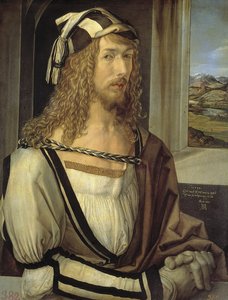
Albrecht Dürer
1471 - 1528 , Germania
Detalii rapide
- Artistic Movement Or Style: Renașterea Germană
- Artists Or Movements Influenced By This Artist: ['Renașterea Nordică']
- Artists Who Influenced This Artist:
- Leonardo da Vinci
- Raphael
- Giovanni Bellini
- Date Of Birth: 21 mai 1471
- Date Of Death: 6 aprilie 1528
- Full Name: Albrecht Dürer
- Nationality: German
- Notable Artworks:
- Apocalipsa
- Melencolia I
- Sf. Ioan în studiul său
- Place Of Birth: Nuremberg, Italia
Articole similare

Top 25 de Capodopere din Alte Pinakothek: Artă Clasică pentru Decorul Tău
Descoperă top 25 de capodopere din Alte Pinakothek, München! Rembrandt, Dürer și Rafael prind viață în articolele noastre. Istoria artei, tehnici unice & inspirație pentru decorul tău. Explorează colecția completă pe OriginalUniqueArt.com!

British Museum: Cele Mai Iubite 25 De Capodopere – Artă, Istorie și Inspirație pentru Decor
Descoperă cele mai frumoase 25 de capodopere din British Museum! Rembrandt, Van Gogh și alte legende ale artei prind viață. Reproduceri de tablouri de calitate muzeală & inspirație decor pe OriginalUniqueArt.com.

Albrecht Dürer: A Renaissance Master's Legacy of Innovation and Self-Portraiture
Explore the life & art of Albrecht Dürer, a pivotal German Renaissance master. Discover his groundbreaking printmaking techniques, iconic self-portraits, and lasting influence on Western art history. A deep dive into innovation & symbolism.
Albrecht Dürer: Cele Mai Remarcabile 25 de Capodopere – Artă, Istorie și Decor Excepțional
Descoperă cele mai frumoase 25 de picturi și gravuri Albrecht Dürer! Explorează capodopere renascentiste, simbolismul profund și tehnicile artistice unice. Reproduceri de artă de calitate muzeală pentru decor interior excepțional pe OriginalUniqueArt.com.
Renașterea Nordică: 10 Capodopere Esențiale pentru Decorul Tău Artistic
Descoperă 10 capodopere ale Renașterii nordice! Explorează picturi iconice de Jan van Eyck, Dürer și Bosch. Află poveștile maeștrilor și simbolismul vibrant al artei renascentiste. Reproduceri de artă premium pe OriginalUniqueArt.com.