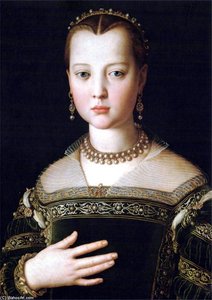
Vezi în context
 Trimite
 Distribuie
 Detalii
 Ghidul

 Descarcă
 Produse similare
 Radiografie
 Diaporama
 Statistici
Resurrection


 Citește mai mult
Reproducere pictată manual în ulei
Pictură în ulei pe pânză, realizată manual de artiștii noștri la dimensiunea și ramele dorite de dumneavoastră, pe comandă. ( Comută pe versiunea Print Treci la imagine digitală)




P118B lei10

P118H lei10

P118W lei10

P438Z lei10

P508JH lei12

P508YH lei12

P805H lei10

P805Z lei10

P919BZ lei10

P919G lei10

P919XJ lei10

P959ZH lei10

P968JZ lei12

W106C lei8

W218G lei10

W218JH lei8

W218Y lei10

W307PJ lei10

W316G lei10

W316PJ lei8

W316Y lei10

W398PJ lei8

W4111J lei10

W500HY lei15

W500JH lei15

W692G lei12

W849H lei8

W940BG lei15

W953PJ lei8




Alegeți dintre dimensiunile noastre prestabilite, care respectă proporțiile originale ale operei de artă.

Introduceți lățimea și înălțimea de care aveți nevoie, pentru a se potrivi ramei sau peretelui dumneavoastră. Această lucrare este pictată manual, așa că pentru o dimensiune cu o formă diferită, artistul poate picta puțin mai mult în jurul imaginii sau poate tăia puțin din margini — dumneavoastră decideți. Vă vom trimite o simulare digitală pentru aprobare înainte de a începe pictarea. Imaginea afișată pe această pagină nu reprezintă rezultatul real — doar simularea este reprezentativă.
După plasarea comenzii, echipa OriginalUniqueArt.com va contacta clientul prin e-mail pentru instrucțiuni și îi va furniza o previzualizare a machetei
Livrare în întreaga lume () în 3-4 săptămâni, în loc de cele 5 săptămâni standard. (23 Octombrie). Fără compromisuri în ceea ce privește calitatea.

Livrare expres gratuită la nivel mondial

Pânză de in premium

Asigurare completă pentru transport

Garanție de rambursare a taxelor vamale

Garanția fidelității culorilor

Politica de retur în 100 de zile (doar pentru defecte)

Garanție de rambursare 100%

Reducere pentru comenzi multiple
 Opțiunea cu sticlă este disponibilă doar pentru dimensiuni de sub 110 cm

Resurrection
Tip de reproducere
Dimensiune reproducere
-


Preț total
lei 1388
Agnolo Bronzino’s Resurrection: A Study in Mannerist Elegance
The Florentine Renaissance witnessed an explosion of artistic innovation, yet amidst the grandeur and dynamism of figures like Michelangelo and Leonardo da Vinci resided a quieter, more contemplative aesthetic – Mannerism. Agnolo Bronzino embodies this sensibility perfectly, producing works that prioritize refined detail and psychological subtlety over exuberant emotion. His masterpiece, “Resurrection,” completed in 1552, stands as a testament to the artist’s mastery of technique and his profound understanding of humanist ideals.- Subject Matter & Composition: The painting depicts a pivotal biblical scene – the Resurrection of Christ – capturing the moment when Jesus ascends from the tomb, surrounded by grieving mourners who express astonishment and reverence. Bronzino eschews dramatic narrative flourishes typical of earlier Renaissance art; instead, he presents a carefully orchestrated tableau designed to convey spiritual contemplation rather than visceral emotion.
- Style & Technique: Bronzino’s Mannerist style distinguishes itself from its predecessors through elongated figures, stylized poses, and an unsettling sense of artificiality. He employs meticulous anatomical precision—a hallmark of Leonardo da Vinci’s influence—but applies it with a deliberate coolness that prioritizes idealized beauty over naturalism. The artist utilizes sfumato – the subtle blending of colors to create soft transitions – particularly evident in the drapery folds, enhancing the painting's ethereal quality.
Historical Context: Florence Under Medici Patronage
Florence during Bronzino’s lifetime was ruled by Cosimo I de’ Medici, a shrewd diplomat and ambitious ruler who fostered an environment of artistic excellence. The Medicis actively commissioned artists to decorate palaces and churches, elevating Florence to the cultural capital of Europe. This patronage fueled creativity and encouraged experimentation, resulting in a diverse range of artistic styles—from Raphael's harmonious idealism to Michelangelo's monumental grandeur. Bronzino’s “Resurrection” reflects this prevailing spirit of refined taste and intellectual curiosity.- Symbolism: The painting is laden with symbolic significance. The central figure embodies divine grace and triumph over death, while the mourners represent humanity grappling with faith and sorrow. Bronzino’s masterful use of color—primarily earthy tones accented by luminous highlights—contributes to the overall mood of solemn reverence. Notably, the positioning of Christ's body emphasizes his ascension, symbolizing spiritual rebirth and eternal life.
Emotional Impact & Artistic Legacy
Despite its lack of overt emotional expression, “Resurrection” possesses a remarkable ability to evoke contemplation and wonder. Bronzino’s meticulous attention to detail—the subtle nuances of facial expressions, the drapery folds rendered with breathtaking realism—draws viewers into the scene, inviting them to consider profound questions about faith and mortality. The painting's enduring influence can be seen in subsequent Mannerist artists who sought to emulate Bronzino’s stylistic innovations. “Resurrection” remains a cornerstone of Renaissance art history, demonstrating that beauty and intellectual depth could coexist—a testament to Bronzino’s unparalleled artistic vision.Întrebări și răspunsuri
Cum se întâlnesc mișcarea și epoca în "Resurrection" de Agnolo Bronzino?
"Resurrection" de Agnolo Bronzino este încadrat în mișcarea Mannerist Style, din epoca Renașterea a creatorului său.
Cine a creat "Resurrection" și în ce an?
Autorul operei „Resurrection” este Agnolo Bronzino, iar lucrarea datează din 1552.
Este "Resurrection" o operă celebră de Mannerist Style?
"Resurrection" de Agnolo Bronzino este clasificată ca fiind Recognized și aparține mișcării Mannerist Style.
Biografie artist
Agnolo Bronzino: The Sculptor of Silence
Agnolo di Cosimo, known to history as Bronzino, emerged from the vibrant artistic landscape of Renaissance Florence in 1503, a period already brimming with genius. Born the son of a butcher—a humble origin for an artist destined to become one of the most sought-after portraitists of his era and a defining figure of Mannerism—his path diverged sharply from familial trade, guided instead by an innate talent that would see him achieve unparalleled renown. His early training began with Raffaellino del Garbo, but it was under the tutelage of Jacopo da Pontormo that Bronzino’s artistic sensibilities truly took shape. While absorbing Pontormo's innovative style—characterized by expressive distortions and a palpable sense of movement—he ultimately forged his own distinct voice—one characterized by a cool composure and refined detail markedly different from Pontormo’s often emotionally charged works. This early period was also profoundly influenced by studies with Andrea del Sarto, exposing him to the legacies of Michelangelo and Leonardo da Vinci—foundational influences that would subtly permeate his mature style. The young Bronzino swiftly demonstrated an aptitude for capturing not just physical likeness but a certain psychological depth, even in his earliest commissions.The Pontormo Connection: Shaping Mannerist Vision
Jacopo da Pontormo’s influence on Bronzino was paramount. Recognizing Pontormo's pioneering approach to portraying emotion and dynamism—a radical departure from the prevailing stylistic conventions of the High Renaissance—Bronzino embraced Pontormo’s expressive distortions as a cornerstone of his own artistic vision. This wasn’t merely imitation; it was an absorption of Pontormo’s spirit, transforming it into something uniquely Bronzino’s own. As Vasari famously noted, Pontormo instilled in Bronzino “a love for the grotesque and for the art of representing emotion.” The resulting style—often described as “early Mannerism”—was marked by elongated figures, swirling draperies, and a deliberate avoidance of naturalistic perspective. This stylistic choice reflected a broader intellectual preoccupation with exploring psychological states and conveying complex ideas through visual imagery—a hallmark of Mannerist thought. Bronzino’s collaboration with Pontormo on interior decorations for two Florentine churches solidified this formative relationship, establishing Pontormo as an indispensable mentor in shaping Bronzino's artistic trajectory.The Medici Patronage: A Royal Commission
Bronzino ascended to prominence thanks to the unwavering patronage of Cosimo I de’ Medici, Duke of Tuscany—a relationship that would define his career and solidify his position as Florence’s foremost artist for decades. Recognizing Bronzino’s exceptional talent and stylistic innovation, Cosimo commissioned him to decorate the Villa Imperiale in Pesaro—a project that showcased Bronzino's versatility as a fresco painter and cemented his reputation as a master craftsman. More importantly, Cosimo appointed Bronzino as the official court painter for his reign, securing him access to the wealthiest and most influential clientele in Europe. This role afforded Bronzino unparalleled opportunities to produce portraits of royalty—images that served not only as representations of power but also as symbols of dynastic ambition. The resulting portraits—characterized by their serene dignity and meticulous detail—became iconic examples of Mannerist portraiture, reflecting Cosimo’s desire for an aesthetic that conveyed both grandeur and restraint.Venus, Cupid & Time: Allegory Elevated
Perhaps Bronzino's most celebrated masterpiece is *Venus, Cupid, Folly and Time* (c. 1544–45), now housed in London’s National Gallery. This monumental allegory—a cornerstone of Mannerist art—represents a profound engagement with humanist philosophy and explores themes of love, desire, illusion, and mortality. Unlike the idealized depictions favored by Raphael or Michelangelo, Bronzino eschewed emotional expression in favor of intellectual contemplation. The figures are rendered with astonishing precision—the smooth skin of Venus, the delicate drapery of Cupid, the mischievous grin of Folly, and the solemn gaze of Time—all meticulously sculpted to convey an aura of timeless beauty and profound psychological complexity. The painting’s compositional arrangement—a deliberate distortion of perspective—further underscores its Mannerist aesthetic—challenging conventional notions of spatial representation and prioritizing symbolic meaning over visual realism. It exemplifies Bronzino's commitment to elevating art beyond mere imitation, transforming it into a vehicle for conveying philosophical ideas and exploring the human condition.A Legacy of Refinement: Influence Beyond Florence
Bronzino’s influence extended far beyond the confines of Florence—reaching across Europe and shaping the visual language of aristocratic portraiture for generations to come. His cool composure, refined technique, and stylistic innovations became hallmarks of Mannerist art—a movement that sought to transcend the limitations of naturalism and embrace intellectual abstraction. Artists throughout Italy and Germany admired Bronzino’s mastery—incorporating his elongated figures and stylized poses into their own compositions. He established a precedent for portraying emotion not through dramatic gesture but through subtle nuances of expression—a stylistic choice that would resonate with subsequent generations of painters. Though his style was often criticized as artificial or lacking in warmth, Bronzino's enduring legacy rests on his unwavering commitment to artistic excellence and his profound contribution to the development of Mannerist art—a testament to his singular genius as a sculptor of silence and a champion of refined elegance.- Born: November 17, 1503
- Died: November 23, 1572
- Key Movement: Mannerism
- Notable Works: *Venus, Cupid & Time*, Portraits of Cosimo I de’ Medici and Eleonora di Toledo

Agnolo Bronzino
1503 - 1572 , Italia
Informații rapide
- Artistic Movement Or Style: Mannerism
- Artists Who Influenced This Artist:
- Pontormo
- Michelangelo
- Leonardo da Vinci
- Date Of Birth: 17 Noiembrie 1503
- Date Of Death: 23 Noiembrie 1572
- Full Name: Agnolo di Cosimo
- Nationality: Italian
- Notable Artworks:
- Venus, Cupid și Timpul
- Portrete Cosimo I și Eleonora Toledo
- Place Of Birth: Florența, Italia
Articole conexe
Beyond Perfection: The Dramatic Elegance and Intellectual Tension of Renaissance Mannerism
Explore the captivating world of Renaissance Mannerism. Discover how artists moved beyond High Renaissance harmony into a realm of elegant distortion, psychological tension, and dramatic beauty that bridged the gap to the Baroque era.

Northern Mannerism: The Dramatic Evolution of European Art through Elegant Distortion and Tension
Explore the dramatic evolution of Northern Mannerism. Discover how 16th-century artists moved from Renaissance harmony to elegant distortion, tension, and complex symbolism in European art history.

Mannerism: Bridging Renaissance Harmony & Baroque Drama – A Study of Style & Affectation
Explore the fascinating world of Mannerism! Discover its key characteristics, pioneering artists like Pontormo & Bronzino, and its pivotal role in bridging Renaissance harmony to Baroque drama. A comprehensive guide for art enthusiasts.

The Enduring Legacy of Formal Portraiture: Power, Identity & Artistic Exploration
Explore the rich history of formal portraiture & its enduring power to capture identity and shape perception. Discover investment-worthy artworks, expert appraisals, and custom reproduction services at OriginalUniqueArt.
Agnolo Bronzino: Mastering Courtly Portraiture & the Enigmatic Gaze of Renaissance Florence
Explore the captivating world of Agnolo Bronzino, Renaissance master portraitist. Discover his elegant style, symbolic depth & lasting influence on art history. Expert insights for collectors.