
 Previzualizare
 Trimite
 Distribuie
 Detalii despre lucrare

 Descarcă
 Produse similare
 Radiografie
 Diapozitive automate
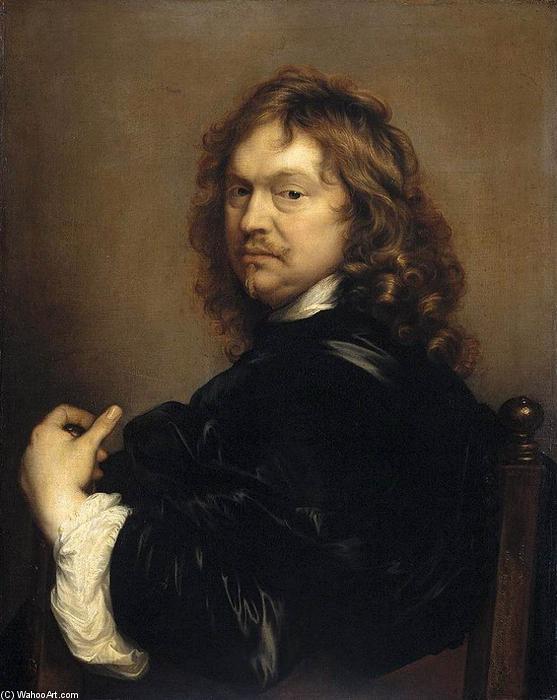
Self-Portrait


 Vezi mai mult
Giclée / Imprimare artistică
Printuri giclée sau pe canvas de calitate muzeală, cu proces de producție rapid și opțiuni flexibile de finisare. ( Comandă pictură realizată manual Comută la imagine)




P118B $10

P118H $10

P118W $10

P438Z $10

P508JH $12

P508YH $12

P805H $10

P805Z $10

P919BZ $10

P919G $10

P919XJ $10

P959ZH $10

P968JZ $12

W106C $8

W218G $10

W218JH $8

W218Y $10

W307PJ $10

W316G $10

W316PJ $8

W316Y $10

W398PJ $8

W4111J $10

W500HY $15

W500JH $15

W692G $12

W849H $8

W940BG $15

W953PJ $8




Alegeți dintre dimensiunile noastre prestabilite, care respectă proporțiile originale ale operei de artă.

Puteți introduce propriile dimensiuni pentru a se potrivi unui anumit cadru sau spațiu. Dacă dimensiunea selectată nu corespunde proporțiilor imaginii originale, vom decupa lucrarea de artă sau vom extinde imaginea cu margini oglindite sau cu o culoare uniformă. Un mockup digital va fi trimis pentru aprobarea dumneavoastră înainte de începerea producției.
Vă rugăm să rețineți că previzualizarea de pe ecran nu reflectă decuparea sau extinderea reală. Doar mockup-ul va arăta cu exactitate compoziția finală.
Deși dimensiunile personalizate sunt disponibile, vă recomandăm să selectați o dimensiune din lista predefinită pentru a păstra proporțiile originale.
Livrare în întreaga lume () în 2 săptămâni, în loc de cele 4/5 săptămâni standard. (11 August)

Livrare expres gratuită la nivel mondial

Pânză de in de înaltă calitate

Asigurare completă pentru transport

Garanție de rambursare a taxelor vamale

Garanția fidelității culorilor

Politica de retur în 60 de zile (doar pentru defecte)

Garanție de rambursare 100%

Ofertă pentru comenzi multiple
 Opțiunea cu sticlă este disponibilă doar pentru dimensiuni de sub 110 cm

Self-Portrait
Giclée / Imprimare artistică
Dimensiune reproducere
-


Preț total calculat
$ 80
Descriere obiect de colecție
A Window into the Seventeenth Century: Adriaen Hanneman’s Self-Portrait
Adriaen Hanneman's 1656 self-portrait offers a remarkably intimate glimpse into the world of a Dutch Golden Age artist, revealing not just his likeness but also the social and intellectual currents of his time. This painting transcends a simple depiction of an individual; it’s a carefully constructed statement about identity, status, and the burgeoning artistic conventions of the era. The work immediately draws the eye with its restrained elegance – a deliberate choice that speaks volumes about Hanneman's considered approach to portraiture.
- The Figure: Seated in a comfortable chair, likely of considerable quality given the detail, the subject presents himself as a man of means and standing. His posture is upright, suggesting confidence and self-awareness. The dark coat, adorned with a crisp white collar – a hallmark of 17th-century Dutch attire – immediately establishes his social position.
- The Face: Hanneman’s face is the focal point, rendered with meticulous realism. The subtle lines etched around his eyes and mouth hint at experience and perhaps contemplation. His mustache and beard are carefully executed, adding to the authenticity of the portrait and reflecting prevailing male beauty standards. Crucially, his expression isn't overtly cheerful or dramatic; it’s a quiet seriousness, suggesting an intellectual bent – a man accustomed to thought and observation.
- Background & Composition: The stark simplicity of the background—a plain wall—is a masterstroke. It serves to isolate the subject entirely, amplifying his importance within the frame and directing all attention towards his personality and bearing. This technique was common in portraiture during this period, prioritizing the individual over elaborate settings.
A Masterclass in Dutch Portrait Technique
Hanneman’s skill lies not just in capturing likeness but also in employing a sophisticated understanding of light, shadow, and texture. The painting is executed with a realistic style, demonstrating a deep knowledge of anatomy and the effects of light on form. Notice how he uses subtle gradations of tone to create a sense of volume and depth – particularly evident in the rendering of the clothing and the folds of his hair. This masterful use of chiaroscuro (the contrast between light and dark) lends the portrait a three-dimensional quality, making it feel remarkably lifelike.
- Brushwork: The brushstrokes are generally smooth and controlled, reflecting Hanneman’s training under Jan Antonisz. van Ravesteyn the Younger. Van Ravesteyn instilled in him a precise, sculptural approach to rendering form – a legacy that is clearly visible in the carefully modeled features of the face and the detailed fabric of the coat.
- Color Palette: The muted tones—primarily blacks, whites, and browns—are typical of Dutch portraiture during this period. These restrained colors allowed Hanneman to focus on capturing subtle nuances of expression and texture rather than relying on vibrant hues.
Historical Context & Artistic Influences
Created in 1656, this self-portrait is firmly rooted within the Dutch Golden Age – a period of unprecedented artistic flourishing fueled by wealth, trade, and intellectual curiosity. Hanneman’s work reflects the influence of his contemporary, Anthony van Dyck, whose elegant and dynamic portraits were immensely popular throughout Europe. Hanneman's early years in England further shaped his style, exposing him to new trends and broadening his artistic horizons. His time with Constantijn Huygens, a prominent poet and composer, also suggests an engagement with the intellectual life of the court.
Interestingly, Hanneman’s background as a Catholic in a predominantly Protestant Netherlands subtly informed his career trajectory, potentially influencing his subject matter and patronage networks.Symbolism & Emotional Resonance
Beyond its technical brilliance, the self-portrait carries a subtle symbolic weight. The serious expression on Hanneman's face suggests an introspective nature – perhaps reflecting his role as an artist grappling with questions of identity and representation. The formality of his attire speaks to his social standing, while the quiet dignity of his pose conveys a sense of self-assuredness. Ultimately, this painting is not merely a likeness; it’s a carefully constructed portrait of a man, a time, and an artistic sensibility – inviting us to contemplate the complexities of human experience within the context of 17th-century Dutch society.
Biografie artist
Early Life and Artistic Foundations
Adriaen Hanneman emerged onto the vibrant Dutch Golden Age art scene around 1603, born into a prosperous Catholic family nestled in the historic city of The Hague. This privileged background subtly shaped his artistic trajectory, influencing not only the subjects he chose to portray but also the networks of patronage that would sustain his career. From a remarkably young age, Adriaen demonstrated an innate aptitude for artistry – a keen eye for detail and a natural inclination towards capturing the essence of human form. His formal training commenced in 1619 under the tutelage of Jan Antonisz. van Ravesteyn the Younger, a highly respected Hague portraitist renowned for his precise and sculptural approach to rendering figures. Van Ravesteyn’s influence proved foundational, instilling in Adriaen not merely technical skill but also an understanding of the established conventions of Dutch portraiture – the careful balance between likeness, social standing, and the subtle nuances of character. The crispness and clarity evident in Van Ravesteyn's style provided Adriaen with a solid bedrock upon which he would later build his own distinctive artistic voice, a voice that would eventually be profoundly shaped by encounters with other influential artists. This early period wasn’t simply about mastering brushstrokes; it was an immersion into the world of art, absorbing the traditions and expectations of a burgeoning artistic community.The English Interlude: Embracing the Van Dyck Influence
A pivotal moment in Adriaen's artistic development arrived in 1626 when he embarked on a transformative journey to England. This relocation proved to be far more than a simple geographical shift; it marked his entry into a dynamic and evolving artistic landscape, one profoundly shaped by the presence of Anthony van Dyck, the celebrated court painter to Charles I. Van Dyck’s arrival in London in 1632 ignited a spark within Adriaen, exposing him to a style characterized by its elegant compositions, dynamic brushwork, and a rich, opulent palette – elements that would become inextricably linked with his own artistic sensibilities. It is believed that Adriaen may have even had the opportunity to work directly within Van Dyck’s studio during this period, an invaluable apprenticeship that undoubtedly honed his skills and broadened his understanding of portraiture. Beyond Van Dyck's direct influence, Adriaen also encountered other prominent artists residing in London, including Cornelis Janssens van Ceulen and Daniel Mytens, further enriching his artistic horizons and exposing him to diverse approaches to painting. Crucially, he secured the patronage of Constantijn Huygens, a powerful figure at the English court – a shrewd politician and poet who actively championed Adriaen’s career, facilitating introductions to influential circles and securing commissions that propelled him into the heart of aristocratic society. This extended sojourn in England wasn't merely an imitation of Van Dyck; it was a period of intense artistic experimentation and growth, during which Adriaen began to synthesize the lessons learned from various masters into his own unique style – a style characterized by its refined elegance and subtle psychological depth.Return to The Hague and Artistic Maturity
Around 1638, Adriaen Hanneman returned to his native The Hague, marking a significant turning point in both his personal and professional life. This homecoming was accompanied by a deliberate consolidation of his ties to the local art community – most notably through his marriage to Maria van Ravesteyn, the daughter of his former teacher, Jan Antonisz. van Ravesteyn the Younger. This union not only established a lineage of artistic expertise within his family but also reinforced his position as a respected member of The Hague’s artistic elite. In 1645, Adriaen was formally appointed as a deacon of the Guild of St. Luke – a prestigious honor that underscored his integration into the established artistic hierarchy of The Hague and affirmed his standing among his peers. Furthermore, he actively participated in the Confrerie Pictura – an influential artists’ society dedicated to fostering collaboration, innovation, and the advancement of artistic standards within the Dutch Republic. This commitment to collective artistry demonstrated Adriaen's dedication to pushing the boundaries of painting while simultaneously upholding the traditions of the guild system. Back on Dutch soil, he continued to specialize in portraiture, skillfully blending the lessons gleaned from Van Dyck with a growing sense of distinctly Dutch artistic identity – a synthesis that resulted in works characterized by both Flemish elegance and a nuanced understanding of local sensibilities. He catered to the burgeoning demand for portraits among the wealthy nobility, as well as members of the exiled English court who sought refuge in The Hague following the tumultuous events of the English Civil War, showcasing his versatility and ability to adapt to changing artistic tastes.Legacy and Lasting Impact
Adriaen Hanneman’s later years were marked by a poignant blend of professional success and personal hardship. As with many artists of his era, he faced significant financial difficulties during the “Rampjaar” (Disaster Year) of 1672 – a period of widespread war and economic instability that gripped the Dutch Republic. Despite these challenges, Adriaen’s artistic legacy endured, leaving behind a collection of remarkable portraits that continue to captivate viewers today. Notable among his works are striking depictions of John Evelyn, Charles II, William III as Prince, and Henry, Duke of Gloucester – each portrait imbued with a sense of regal authority and psychological depth. His posthumous portrait of Maria I Stuart stands as a testament to his ability to capture the essence of a subject even from memory or description. Adriaen Hanneman’s influence extended beyond his own creations, impacting other painters such as Govert Flinck, demonstrating his significant contribution to Dutch portraiture during the Golden Age. He is remembered not only for his technical skill and artistic vision but also for his role in shaping the aesthetic ideals of a nation – a painter who masterfully documented his era while simultaneously contributing to its enduring cultural legacy. His ability to synthesize Flemish elegance with Dutch realism cemented his place as a key figure in 17th-century art, a painter whose work continues to resonate with audiences centuries later.
Adriaen Hanneman
1603 - 1671 , Olanda
Detalii rapide
- Artistic Movement Or Style: Baroc, Retrăire
- Artists Or Movements Influenced By This Artist: ['Flinck']
- Artists Who Influenced This Artist:
- Van Ravesteyn
- Van Dyck
- Date Of Birth: c. 1603
- Date Of Death: 1671
- Full Name: Adriaen Hanneman
- Nationality: Olandez
- Notable Artworks:
- John Evelyn
- Charles II
- William III
- Place Of Birth: The Hague, Olanda
Articole similare

Epoca de Aur Olandeză: 10 Capodopere Care Au Definit Arta și Decorațiunea Interioară
Descoperiți Epoca de Aur Olandeză prin 10 capodopere Rembrandt, Vermeer și alți pictori olandezi. Aflați poveștile din spatele acestor tablouri baroce iconice și inspirați-vă pentru decorațiuni interioare unice. Explorează colecția completă pe OriginalUniqueArt.com!

Golden Age Reflections: Dutch Baroque Painting & Cultural Innovation
Explore the Dutch Golden Age of painting! Discover key artists like Vermeer & ter Borch, their innovative techniques, and the rich cultural context behind these Baroque masterpieces. Learn about collecting & appreciating this iconic art period.

Ferdinand Bol (1616-1680): A Dutch Master of Portraiture & Dramatic Light
Explore the captivating world of Ferdinand Bol (1616-1680), a master Dutch portraitist deeply influenced by Rembrandt. Discover his life, style, and enduring legacy with OriginalUniqueArt.

Rembrandt van Rijn: A Life Illuminated – Innovation, Emotion, and the Dutch Golden Age
Explore the life & art of Rembrandt van Rijn, a Dutch Golden Age master. Discover his innovative techniques, iconic paintings like 'The Night Watch', and enduring legacy. Expert insights for collectors & enthusiasts.
Gerard van Honthorst: Illuminating the Dutch Golden Age with Caravaggism & Courtly Grace
Explore the captivating world of Gerard van Honthorst, a Dutch Golden Age master renowned for his dramatic chiaroscuro & courtly portraits. Discover his life, art, and lasting influence on Baroque painting.

