 Vezi mai mult


 Pentru opere de artă sau reproduceri care depășesc 105 cm (aproximativ 41 de inch) pe oricare dintre laturi, cadrul va fi livrat demontat, sub formă de kit. Această metodă asigură o livrare sigură și previne deteriorarea în timpul transportului.


Mai multe detalii despre această pictură
Dimensiune text

() ·
O pictură creată pentru tine, lucrată manual
Reproducere pictată manual în ulei
Pictură în ulei pe pânză, pictată manual de artiștii noștri la dimensiunea și ramele dorite de dumneavoastră, pe comandă. ( Comută pe versiunea Print Comută pe Imagine Digitală)
Descriere obiect de colecție
Explore Adriaen de Gryef’s ‘Retour de Chasse,’ a stunning Baroque hunting scene rich in detail & symbolism. Discover this dynamic Flemish oil painting's masterful technique & captivating composition.
Biografie artist
Discover Adriaen de Gryef (1670-1715), a Flemish landscape painter known for his dynamic hunting scenes, still lifes & detailed depictions of 17th-century life in Belgium.
de la ·
Capitolul 1
Ce dimensiune ar trebui să aibă?
Glisați pentru a schimba dimensiunea; imaginea din stânga prezintă cadrul la lățimea sa reală. Proporțiile originale sunt păstrate.
Standard
personalizat
CM
INCH
Alegeți dintre dimensiunile noastre prestabilite, care respectă proporțiile originale ale operei de artă.
Se încarcă dimensiunile...

lățime
înălțime
Introduceți lățimea și înălțimea necesare pentru a se potrivi ramei sau peretelui dumneavoastră. Această lucrare este pictată manual, așa că, pentru o dimensiune cu o formă diferită, artistul poate picta puțin mai mult în jurul imaginii sau poate tăia puțin din margini — dumneavoastră decideți. Vă vom trimite o simulare digitală pentru aprobare înainte de a începe pictarea. Imaginea afișată pe această pagină nu reprezintă rezultatul real — doar simularea este reprezentativă.
Capitolul 2
Cum ar trebui să ajungă?
Alege marginile tabloului pe pânză întinsă
Alege cadrul tău

Alb lei1

Margini difuze lei1

Extins lei1

P118B lei10

P118H lei10

P118W lei10

P438Z lei10

P508JH lei12

P508YH lei12

P805H lei10

P805Z lei10

P919BZ lei10

P919G lei10

P919XJ lei10

P959ZH lei10

P968JZ lei12

W106C lei8

W218G lei10

W218JH lei8

W218Y lei10

W307PJ lei10

W316G lei10

W316PJ lei8

W316Y lei10

W398PJ lei8

W4111J lei10

W500HY lei15

W500JH lei15

W692G lei12

W849H lei8

W940BG lei15

W953PJ lei8

H24-GOLD lei30

H24-SILVER lei30

H36-GOLD lei45

H36-SILVER lei45
Înramat
Ramă: . Dimensiuni cu ramă: .
Capitolul 3
Cine îl pictează și ar trebui să se schimbe ceva?
Exemple de elemente care pot fi modificate: Înlocuirea feței cu fotografia clientului; Adăugarea unui animal de companie (de ex., înlocuirea unei pisici cu un câine); Includerea unui mesaj ascuns în fundal; Modificarea peisajului sau a elementelor din fundal.
După plasarea comenzii, echipa OriginalUniqueArt.com va contacta clientul prin e-mail pentru instrucțiuni și va furniza o previzualizare (mockup)
După plasarea comenzii, echipa OriginalUniqueArt.com va contacta clientul prin e-mail pentru instrucțiuni și va furniza o previzualizare (mockup)
Livrare în întreaga lume () în 3-4 săptămâni, în loc de cele 5 săptămâni standard. (8 Noiembrie). Fără compromisuri în ceea ce privește calitatea.
Capitolul 4
Ultimele retușuri
O plăcuță de identificare, ca la muzeu?
Detalii plăcuță din bronz gravat
This elegant plaque features the artist's name and the title of the artwork, finely engraved for a timeless presentation.
It is made from bronze with a refined, elegant finish. The text is precisely laser-engraved for a sharp and permanent result. Measuring 9x2 cm, the plaque is compact yet easy to read. It's built to be durable and scratch-resistant, offering a professional, museum-quality look. Mounting is simple thanks to the included adhesive backing.
Detalii plăcuță din acril transparent
The plaque includes essential engraved details such as the artist's name, the title of the artwork, the date it was created, the type of media used-like oil on canvas or watercolor-a brief description of the piece, and a QR code that links to the complete artwork information.
It is crafted from clear acrylic, offering a sleek, modern appearance. The text is UV-engraved in black to ensure strong visual contrast. With a size of 10x15 cm, it ensures optimal readability. It comes equipped with two metal hooks for secure wall mounting. The plaque is designed to be weather-resistant, making it suitable for various environments, and it includes interactive features that work seamlessly with smartphone scanning.
Detalii placă din acril negru
This elegant plaque includes engraved information such as the artist's name, the title of the artwork, the date it was created, the type of media used (like oil on canvas or watercolor), a short description of the artwork, and a QR code for quick access to more information.
The plaque itself is made from refined black acrylic with a premium finish. The text is laser-engraved in white for high contrast and readability. Its size is 10x15 cm, designed to be easy to read. It comes with two metal hooks for professional mounting. The design is sleek and fits any interior style. It is also weather-resistant and durable, with built-in digital integration for mobile compatibility.
Un lac protector?
Când aveți nevoie de el?
Capitolul 5
Tabloul tău, exact așa cum l-ai comandat
Retour de chasse
Tehnică de reproducere
Dimensiune reproducere
-
Selecție de artiști de elită
Mai multe detalii, rafinament și timp suplimentar de execuție
-
Ramă pentru reproducere artistică
-
-
Pentru opere de artă sau reproduceri care depășesc 105 cm (aproximativ 41 de inch) pe oricare dintre laturi, cadrul va fi livrat demontat, sub formă de kit. Această metodă asigură o livrare sigură și previne deteriorarea în timpul transportului.
Este necesară asamblarea profesională – acest produs nu este de tip DIY (de făcut singur).
Kitul trebuie asamblat, iar pânza întinsă, de către un legător de cadre experimentat, utilizând adeziv pentru lemn (neinclus în colet), o cheie pentru întinderea pânzei și cleme pentru a menține barele la unghi drept în timp ce adezivul se usucă. Asamblarea incorectă sau tensiunea neuniformă a pânzei pot deteriora permanent opera de artă și nu sunt acoperite de garanția noastră.
Toate barele din lemn masiv sunt incluse, tăiate cu precizie la dimensiunea necesară.
Asamblat cu șuruburile incluse, plus adeziv pentru lemn pentru îmbinările de colț, care nu este furnizat și trebuie achiziționat de către tâmplarul dumneavoastră.
Sunt necesare unelte profesionale care nu sunt incluse: o șipte de întindere a pânzei (tensionator) și cleme pentru a menține barele la unghi drept în timp ce adezivul se usucă.
Important:
Îmbinările de colț necesită adeziv pentru lemn, barele trebuie fixate cu clești de strângere până când adezivul este complet uscat, iar întinderea pânzei pe cadrul asamblat necesită un clește pentru întins pânza. Niciunul dintre aceste elemente nu este inclus în kit. Vă rugăm să consultați un încadrator profesionist cu experiență înainte de a comanda această dimensiune.
Etichetă de prezentare
-
-
Lac de protecție
Lac lucios (intensifică nuanțele și oferă protecție împotriva luminii și a umidității)
-
Personalizează opera mea de artă
Exemple de elemente ce pot fi personalizate: Înlocuirea feței cu fotografia clientului; Adăugarea unui animal de companie (de exemplu, înlocuirea unei pisici cu un câine); Includerea unui mesaj ascuns în fundal; Modificarea peisajului sau a elementelor din fundal.
-
Livrare rapidă
Livrare la nivel mondial () în 3-4 săptămâni, în loc de cele 5 săptămâni standard. (8 Noiembrie). Fără compromisuri când vine vorba de calitate.
-
Livrare rapidă
Livrare la nivel mondial () în 5 săptămâni. (15 Noiembrie).
Inclus
Preț total calculat
lei 1431
Opțiunea cu sticlă este disponibilă doar pentru dimensiuni de sub 110 cm
Inclus în fiecare comandă
- Livrare expres gratuită la nivel mondial
- Pânză de in de înaltă calitate
- Asigurare completă pentru transport
- Garanție de rambursare a taxelor vamale
- Garanția fidelității culorilor
- Politica de retur în 100 de zile (doar pentru defecte de fabricație)
- Garanție de rambursare 100%
- Ofertă pentru comenzi multiple
 Previzualizare
 Trimite prin felicitare
 Distribuie
 Detalii despre lucrare
 Ghid
Ghid

 Descarcă imaginea
 Produse similare
 Radiografie
 Galerie foto
 Întrebări și răspunsuri
 Statistici
În cifre
- 29rame din care puteți alege
- dimensiuni standard, în propriile proporții
- 5săptămâni pentru pictare și livrare
Despre original


Adriaen De Gryef
1670 - 1715, Belgium
Informații rapide despre Adriaen De Gryef
- Artistic Movement Or Style: Baroque
- Artists Or Movements Influenced By This Artist: ['None specified']
- Artists Who Influenced This Artist: ['Jacques de Claeuw']
- Date Of Birth: 1670
- Date Of Death: 1715
- Full Name: Adriaen de Gryef
- Nationality: Flemish
- Notable Artworks:
- GIBIER PRES D'UN ARBRE
- CHASSE A L'OURS
- Still Life In A Garden
- Place Of Birth: Antwerp, Belgium
Biografie artist
Adriaen de Gryef: A Flemish Master of the Seventeenth Century
Adriaen de Gryef (1657 – 1722), a name perhaps less familiar than some of his contemporaries, nevertheless stands as a significant figure in the rich tapestry of Flemish art during the Baroque period. Born in Leiden and later establishing himself in Antwerp and Brussels, De Gryef’s legacy rests primarily on his dynamic and meticulously rendered hunting scenes, captivating still lifes, and detailed depictions of everyday life within 17th-century Belgium. His work offers a rare glimpse into a world of aristocratic pursuits, rural landscapes, and the burgeoning appreciation for naturalism that characterized the era.
Early Life and Artistic Training
Little is definitively known about De Gryef’s early life, though it's established he was the son of Jacques de Claeuw, a painter who himself had connections to the renowned court painter Jacob van Sandt. This familial link undoubtedly provided an initial foundation for his artistic development. While precise details regarding his formal training remain elusive, it is believed that De Gryef honed his skills within the Guild of St. Luke in Ghent and later achieved membership in the Antwerp guild in 1700. These affiliations were crucial, providing him with a structured environment for learning, exhibiting, and establishing professional connections – vital steps for any aspiring artist seeking recognition.
A World of Hunting and Leisure
De Gryef’s most celebrated works depict scenes of the hunt. These are not simply depictions of sport; they are carefully constructed narratives brimming with symbolism and social commentary. His compositions frequently showcase aristocratic hunters pursuing game through diverse landscapes – from dense forests to open fields, often incorporating elements of religious allegory or moral instruction. The dramatic use of light and shadow, a hallmark of Baroque painting, is particularly evident in these scenes, creating a sense of immediacy and dynamism. Consider “Chasse à l’Ours” (The Bear Hunt), where the figures are rendered with remarkable detail, capturing both the physical exertion of the hunt and the inherent danger of nature. The animals themselves—deer, boar, bear—are depicted with an almost unsettling realism, reflecting a growing interest in scientific observation during this period.
Still Lifes: A Celebration of Abundance
Beyond his hunting scenes, De Gryef produced a series of still lifes that reveal a different facet of his artistic talent. These compositions are characterized by an astonishing level of detail – from the textures of fruit and fabrics to the reflections in pewter vessels. “Still Life In A Garden” exemplifies this meticulous approach, presenting a lavish display of seasonal produce, flowers, and domestic objects arranged within a richly decorated setting. The arrangement isn’t merely decorative; it speaks to themes of wealth, prosperity, and the bounty of nature – common subjects in Dutch Golden Age art. These still lifes demonstrate De Gryef's ability to capture not just the appearance but also the essence of his subject matter.
Legacy and Historical Significance
Adriaen de Gryef’s work represents a crucial link between the more formal, court-oriented painting styles of earlier generations and the emerging naturalism that would define much of 18th-century art. His detailed depictions of hunting scenes and still lifes offer valuable insights into the social customs, economic realities, and artistic sensibilities of 17th-century Belgium. While he may not be as widely recognized as some of his contemporaries – such as Peter Paul Rubens or Jan van Goyen – De Gryef’s contributions to Flemish art history are undeniable. His paintings continue to be appreciated for their technical skill, dramatic compositions, and evocative portrayal of a bygone era. His works can be found in collections like the Accademia Carrara in Bergamo, offering a tangible connection to this talented artist.
Articole similare

Mastering Drama and Light: A Definitive Guide to the Flemish Baroque Art Movement
Explore the dramatic brilliance of the Flemish Baroque movement. Discover how masters like Peter Paul Rubens utilized chiaroscuro and dynamic composition to redefine art history through light, shadow, and unparalleled emotion.
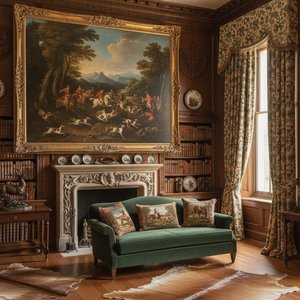
Capturing the Chase: Infusing Interiors with the Dramatic Grandeur of Historical Hunting Scene Artworks
Transform your space with the dramatic grandeur of hunting scene art. OriginalUniqueArt.com offers exquisite, hand-painted oil reproductions of Baroque landscapes and custom historical portraits. Discover museum-quality craftsmanship and bespoke artistry to bring timeless prestige to your home.

The Majesty of Flemish Baroque: A Definitive Guide to Drama, Color, and Grandeur in 17th-Century Masterpieces
Explore the grandeur of Flemish Baroque art. Uncover the dramatic legacy of Peter Paul Rubens and the mastery of light and color. Discover museum-grade, hand-painted oil reproductions and custom commissions at OriginalUniqueArt.com—where history meets fine craftsmanship.

Goya: Cele Mai Iconice Capodopere – Artă Spaniolă pentru Decor Rafinat | OriginalUniqueArt.ro
Descoperă cele mai frumoase 25 de picturi ale lui Francisco Goya! Explorează capodoperele romantice, portretele impresionante și gravurile puternice. Reproduceri artă spaniolă de calitate muzeală pentru un decor rafinat. Explorează colecția completă online pe OriginalUniqueArt.com