
 Previzualizare
 Trimite
 Distribuie
 Detalii despre lucrare

 Descarcă
 Produse similare
 Radiografie
 Diapozitive automate
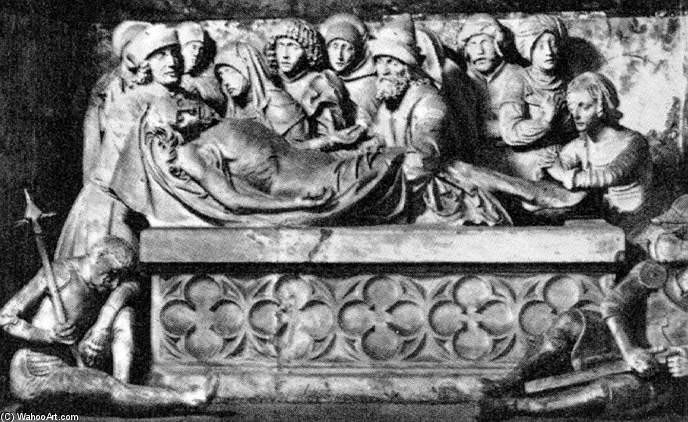
Entombment

 Vezi mai mult
Reproducere pictată manual în ulei
Pictură în ulei pe pânză, realizată manual de artiștii noștri la dimensiunea și ramele dorite de dumneavoastră, pe comandă. ( Comandă printul Cumpără imaginea)




































Alegeți dintre dimensiunile noastre prestabilite, care respectă proporțiile originale ale operei de artă.

Puteți introduce propriile dimensiuni pentru a se potrivi unui anumit cadru sau spațiu. Dacă dimensiunea selectată nu corespunde proporțiilor imaginii originale, vom decupa opera de artă sau vom extinde pictura cu elemente suplimentare pictate manual. O simulare digitală vă va fi trimisă pentru aprobare înainte de începerea producției.
Vă rugăm să rețineți că previzualizarea de pe ecran nu reflectă decuparea sau extinderea reală. Doar macheta va arăta cu exactitate compoziția finală.
Deși sunt disponibile dimensiuni personalizate, vă recomandăm să selectați o dimensiune din lista predefinită pentru a păstra proporțiile originale.
După plasarea comenzii, echipa OriginalUniqueArt.com va contacta clientul prin e-mail pentru instrucțiuni și îi va furniza o previzualizare a machetei
Livrare în întreaga lume () în 3-4 săptămâni, în loc de cele 5 săptămâni standard. (18 August). Fără compromisuri în ceea ce privește calitatea.

Livrare expres gratuită la nivel mondial

Pânză de in de înaltă calitate

Asigurare completă pentru transport

Garanție de rambursare a taxelor vamale

Garanția fidelității culorilor

Politica de retur în 60 de zile (doar pentru defecte)

Garanție de rambursare 100%

Ofertă pentru comenzi multiple
 Opțiunea cu sticlă este disponibilă doar pentru dimensiuni de sub 110 cm

Entombment
Tehnică de reproducere
Dimensiune reproducere
-


Preț total calculat
$ 525
Biografie artist
Adam Kraft (1460 – 1509): The Sculptor of Nuremberg’s Gothic Soul
Adam Kraft remains an enigmatic figure in the annals of German Renaissance art, shrouded in obscurity despite his undeniable contribution to the artistic landscape of Nuremberg. Precise details about his birth and formative years are scarce—scholars debate whether he emerged from Prague or Augsburg—leaving historians to reconstruct his life primarily through circumstantial evidence gleaned from surviving commissions and architectural projects. His oeuvre speaks volumes about his talent and dedication, yet its fragmentary nature compels us to piece together a portrait of an artist whose legacy continues to inspire awe and fascination.- Early Career & Patronage: Kraft’s ascent began around 1490 when he secured a position as assistant sculptor at Ulm Minster, arguably the most ambitious Gothic cathedral project in Bavaria. This collaboration with Veit Stoss—a fellow master builder—established him within the influential guild system of Nuremberg and exposed him to the stylistic currents shaping European art during the fifteenth century. Initial commissions focused on liturgical sculpture, reflecting the piety of the era and demonstrating Kraft’s mastery of traditional techniques.
- The Sacrament Tabernacle: Kraft's magnum opus – the Sacrament Tabernacle at Sankt Lorenz—stands as a testament to his artistic vision and technical prowess. Completed in 1493, this monumental edifice embodies the grandeur of Gothic architecture while simultaneously incorporating innovative sculptural elements that foreshadow Renaissance aesthetics. The tabernacle’s intricate fretwork depicts scenes from Christ's Passion with remarkable realism and emotional depth, showcasing Kraft’s ability to convey profound spiritual narratives through stone.
- Notable Reliefs & Architectural Projects: Beyond the Tabernacle, Kraft undertook numerous commissions for churches throughout Nuremberg, producing evocative reliefs that capture the spirit of medieval piety. His monumental Schreyer monument at St. Sebaldus Church exemplifies his sculptural skill and artistic sensitivity. Furthermore, he contributed to the construction of several civic buildings, demonstrating his versatility as an architect and sculptor.
- Influence & Legacy: Kraft’s work exerted considerable influence on subsequent generations of Nuremberg sculptors and architects. His embrace of linear perspective—a technique championed by Brunelleschi—represented a crucial step toward reconciling Gothic formalism with Renaissance innovation. More importantly, Kraft's profound understanding of human emotion—evident in his expressive depictions of biblical figures—established him as one of the foremost artists of his time.
- Later Years & Death: Kraft continued to work prolifically until his death in 1509, cementing his reputation as Nuremberg’s most celebrated sculptor. His final masterpiece – *Christ bearing the Cross* above the altar of St. Sebaldus—is a poignant reminder of his artistic integrity and unwavering commitment to conveying spiritual truth. He was buried in Schwabach, marking the end of an extraordinary life dedicated to the pursuit of artistic excellence.

adam kraft
1460 - 1509 , Germany
Detalii rapide
- Artistic Movement Or Style: Late Gothic
- Artists Or Movements Influenced By This Artist: ['Albrecht Dürer']
- Artists Who Influenced This Artist: ['Veit Stoss']
- Date Of Birth: c. 1460?
- Date Of Death: January 1509
- Full Name: Adam Kraft
- Nationality: German
- Notable Artworks:
- Girl Holding Coats of Arms
- Sacrament House
- Place Of Birth: Nuremberg, Germany

