

 Previzualizare
 Trimite prin felicitare
 Distribuie
 Detalii despre lucrare
 Ghid
Ghid

 Descarcă imaginea
 Produse similare
 Radiografie
 Galerie foto
 Statistici
Landscape with Peasants Resting
 Oil On Canvas
- WallArt
- Dutch Golden Age
 1650
1650 91.0 x 133.0 cm
 Muzeele Statale din Berlin
 Vezi mai mult
Giclée / Imprimare artistică
Printuri giclée sau pe canvas de calitate muzeală, cu proces de producție rapid și opțiuni flexibile de finisare. ( Comandă pictură realizată manual Comută pe Imagine Digitală)




P118B lei10

P118H lei10

P118W lei10

P438Z lei10

P508JH lei12

P508YH lei12

P805H lei10

P805Z lei10

P919BZ lei10

P919G lei10

P919XJ lei10

P959ZH lei10

P968JZ lei12

W106C lei8

W218G lei10

W218JH lei8

W218Y lei10

W307PJ lei10

W316G lei10

W316PJ lei8

W316Y lei10

W398PJ lei8

W4111J lei10

W500HY lei15

W500JH lei15

W692G lei12

W849H lei8

W940BG lei15

W953PJ lei8




Alegeți dintre dimensiunile noastre prestabilite, care respectă proporțiile originale ale operei de artă.

Introduceți lățimea și înălțimea necesare pentru a se potrivi ramei sau peretelui dumneavoastră. O printare poate fi doar tăiată, niciodată extinsă dincolo de dimensiunea imaginii originale, astfel încât o dimensiune cu o formă diferită va pierde o parte din imagine. Vă trimitem o simulare digitală pentru aprobare înainte de a imprima orice. Imaginea afișată pe această pagină nu prezintă tăierea reală — doar simularea arată acest lucru.
Livrare în întreaga lume () în 2 săptămâni, în loc de cele 4/5 săptămâni standard. (26 Octombrie)

Livrare expres gratuită la nivel mondial

Pânză de in de înaltă calitate

Asigurare completă pentru transport

Garanție de rambursare a taxelor vamale

Garanția fidelității culorilor

Politica de retur în 100 de zile (doar pentru defecte de fabricație)

Garanție de rambursare 100%

Ofertă pentru comenzi multiple
 Opțiunea cu sticlă este disponibilă doar pentru dimensiuni de sub 110 cm

Landscape with Peasants Resting
Giclée / Imprimare artistică
Dimensiune reproducere
-


Preț total calculat
lei 370
A Window Into Seventeenth Century Dutch Pastoral
The painting “Landscape with Peasants Resting,” attributed to Abraham Bloemaert and completed in 1650, offers a captivating glimpse into the artistic sensibilities of the Dutch Golden Age—a period characterized by unparalleled creativity and intellectual fervor. Currently residing at Staatliche Museen Berlin, this monumental canvas (91 x 133 cm) transcends mere depiction; it embodies an idealized vision of rural tranquility deeply rooted in humanist ideals prevalent during its creation. Bloemaert’s masterful command of oil paint on canvas—a technique perfected by artists like Rembrandt and Frans Hals—allows for a remarkable level of textural detail, capturing the subtle nuances of light and shadow that imbue the scene with palpable atmosphere.Style and Technique: Echoes of Mannerism and Embracing Baroque Luminosity
Bloemaert’s stylistic approach skillfully blends elements characteristic of Mannerism – notably asymmetrical compositions and stylized figures – with burgeoning Baroque principles emphasizing dramatic lighting and vibrant color palettes. The artist eschews strict realism, favoring instead a carefully crafted illusion that prioritizes expressive beauty over photographic accuracy. Observe how Bloemaert employs chiaroscuro—the interplay between light and dark—to sculpt the forms of the peasants beneath the sheltering branches of an ancient oak tree. This technique not only enhances visual impact but also serves to convey a profound sense of solemn contemplation, mirroring the spiritual concerns that underpinned much Baroque art.Historical Context: Reflecting Religious Reform and Societal Values
Painted amidst the turbulent backdrop of the Dutch Reformation—a movement aimed at purging Catholicism from Dutch society—Bloemaert’s landscape reflects broader societal anxieties regarding morality and faith. The depiction of peasants engaging in quiet repose underscores the importance of piety and contemplation within the everyday lives of ordinary citizens. Furthermore, the inclusion of livestock – cows and chickens – speaks to the economic realities of rural communities and reinforces the prevailing belief in God's provision for humankind. Bloemaert’s work stands as a testament to the humanist conviction that beauty could inspire moral virtue and elevate the human spirit.Symbolism: Oak Tree, Hearth Fire, and the Cycle of Life
The oak tree dominating the composition symbolizes strength, resilience, and longevity—attributes revered in medieval symbolism and retained throughout the Baroque era. Its expansive branches provide refuge from the sun’s glare, representing divine protection and fostering a sense of serenity among the resting peasants. Equally significant is the depiction of a humble wooden house with a thatched roof and a flickering hearth fire. This domestic emblem embodies warmth, comfort, and familial unity—values central to Dutch cultural identity during Bloemaert's time. The presence of animals reinforces the cyclical nature of life – birth, growth, decay, and renewal – mirroring God’s eternal dominion over creation.Emotional Impact: A Balm for Troubled Times
Ultimately, “Landscape with Peasants Resting” transcends its formal qualities to evoke a powerful emotional response in the viewer. The painting's serene beauty offers respite from the anxieties of Reformation-era Holland—a balm for troubled souls seeking solace amidst worldly concerns. Bloemaert’s masterful use of color and light creates an immersive experience that transports us back to a bygone era, reminding us of the enduring power of art to inspire contemplation and reaffirm our connection to the natural world. It remains a timeless masterpiece—a testament to the artistic genius of Abraham Bloemaert and the profound spiritual values of the Dutch Golden Age.Întrebări și răspunsuri
„Landscape with Peasants Resting” are o previzualizare în realitate augmentată?
„Landscape with Peasants Resting” are o previzualizare în realitate augmentată: pagina Previzualizare în AR operei artistice o prezintă în propriul tău spațiu, pe un dispozitiv compatibil.
Care sunt dimensiunile originalului "Landscape with Peasants Resting" de Abraham Bloemaert?
Dimensiunile înregistrate pentru "Landscape with Peasants Resting" de Abraham Bloemaert sunt 91 x 133 cm. Reproducerile pot fi comandate în alte dimensiuni, păstrând aceleași proporții.
Cât de armonioase sunt culorile din "Landscape with Peasants Resting" de Abraham Bloemaert?
"Landscape with Peasants Resting" de Abraham Bloemaert prezintă o armonie cromatică Unified Palette.
Biografie artist
O viață imersată în artă: Lumea lui Abraham Bloemaert
Abraham Bloemaert, născut în Gorinchem în 1564 și decedat în Utrecht în 1651, se impune ca o figură esențială care a unit perioadele Mannerismului și Barocului în pictura olandeză. Cariera sa lungă și prolifică s-a desfășurat pe fondul unor tulburări religioase și politice profunde, însă el a reușit să creeze constant opere îmbibate atât de o intensitate dramatică, cât și de o frumusețe subtilă. Călătoria lui Bloemaert a început sub îndrumarea tatălui său, Cornelis Bloemaert I, un arhitect care i-a oferit o înțelegere fundamentală a formei și compoziției. Această pregătire timpurie a fost ulterior rafinată prin studiile cu Gerrit Splinter și Joos de Beer în Utrecht, punând bazele explorărilor sale artistice. A urmat o perioadă crucială – trei ani petrecuți la Paris, între 1581 și 1583. Acolo, a absorbit influențe de la Jehan Bassot și Maistre Herry, întâlnind totodată operele lui Hieronymus Francken, un confr olandez care i-a lărgit orizonturile stilistice. Această ședere pariziană s-a dovedit a fi formativă, expunându-l la eleganța rafinată a Școlii Franceze și pregătind terenul pentru inovațiile sale ulterioare.De la Mannerism la Baroc: O estetică în transformare
La întoarcerea sa în Utrecht, Bloemaert s-a impus rapid ca un artist de prim rang. Inițial, stilul său era aliniat cu Mannerismul prevalent din Haarlem – caracterizat prin figuri alungite, pose elegante și narațiuni alegorice adesea complexe. Totuși, nu s-a mulțumit să rămână doar în cadrul acestui model. Pe măsură ce se lansa secolul al XVII-lea, Bloema constitu a început să adopte estetica emergentă a Barocului, o schimbare marcată de un dinamism crescut, intensitate emoțională și un simț sporit al realismului. Această tranziție nu a fost bruscă; dimpotrivă, a reprezentat o evoluție graduală, îmbinând elemente din ambele stiluri într-un limbaj artistic unic și personal. El a integrat cu măiestrie efecte de lumină dramatică, palete de culori bogate și gesturi expresive pentru a transmite narațiuni puternice și pentru a evoca emoții profunde în privitorii săi. Picturile sale au început să rezoneze cu o energie nouă, reflectând peisajul cultural în schimbare al Republicii Olandeze.Un maestru al subiectelor și tehnicilor diverse
Producția artistică a lui Bloemaert era remarcabil de diversă. A excelat în pictura istorică, oferind viață povestilor biblice și miturilor clasice cu detalii captivante și profunzime emoțională. Peisajele au ocupat, de asemenea, un loc special în repertoriul său, servind adesea drept decor pentru scene religioase sau mitologice, dar devenind tot mai mult subiecte în sine – vederi pitorești populate de figuri implicate în activități cotidiene. Dincolo de pictură, Bloemaert a fost un printmaker extrem de priceput, stăpânând atât gravura pe acuitate, cât și pe plăci de cupru. Aceste printuri au servit la răspândirea viziunii sale artistice într-un mod mult mai larg, contribuind semnificativ la reputația și influența sa. Măiestria sa tehnică s-a extins și asupra naturelor moarte și a picturilor cu animale, demonstrând o versatilitate excepțională care l-a separat de mulți dintre contemporanii săi. Opere notabile precum „Expulzarea Hagarei și a lui Izmael”, „Venus și Adonis” și „Războinicul și tânărul portretist de steag” exemplifică această gamă, evidențiind capacitatea sa de a gestiona compoziții complexe și de a transmite emoții nuanțate cu aceeași îndemânare.Un profesor prolific și o moștenire durabilă
Abraham Bloemaert nu a fost doar un artist talentat, ci și un profesor influent. El a stabilit un atelier prosper în Utrecht, atrăgând numeroși studenți care aveau să devină ei înșiși artiști de renume. În mod remarcabil, cei patru fii ai săi – Hendrick, Frederick, Cornel și Adriaan – și-au urmat toți urmele, atingând un succes considerabil ca pictori și gravori. Dincolo de familia sa apropiată, Bloemaert a mentorat o generație de artiști olandezi, printre care Jan Aerntsz de Hel, Nicolaes van Bercheyck, Leonaert Bramer, Bartholomeus Breenbergh, Hendrick ter Brugghen și Gerrit van Honthorst. Influența sa a fost deosebit de profundă asupra grupului Utrecht Caravaggisti – un grup de pictori care au îmbrățișat realismul dramatic și tenebrismul (utilizarea contrastelor puternice între lumină și întuneric) pionerat de Caravaggio. Învățăturile lui Bloemaert au ajutat la modelarea stilului lor distinctiv, consolidându-i poziția de figură centrală în dezvoltarea picturii baroce olandeze. Moștenirea sa continuă să rezoneze și astăzi, operele sale fiind admirate pentru strălucirea tehnică, puterea emoțională și semnificația istorică. Ele rămân mărturii ale unei vieți dedicate explorării și inovației artistice, lăsând o amprentă indelibilă asupra lumii artei.
Abraham Bloemaert
1564 - 1651 , Țările de Jos
Detalii rapide
- Artistic Movement Or Style: Baroc, Mannerism
- Artists Or Movements Influenced By This Artist: ['Utrecht Caravaggisti']
- Artists Who Influenced This Artist: ['Hieronymus Francken']
- Date Of Birth: 1564
- Date Of Death: 1651
- Full Name: Abraham Bloemaert
- Nationality: Olandez
- Notable Artworks:
- Expulzarea Hagarei
- Venus și Adonis
- Peisaj cu țărani
- Place Of Birth: Gorinchem, Țările de Jos
Articole similare
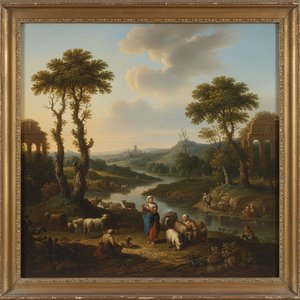
Nicolaes Berchem: Dutch Golden Age Pastoralism & the Evolution of Landscape Painting
Explore the captivating world of Nicolaes Berchem, a leading Dutch Golden Age painter. Discover his idyllic landscapes, masterful technique & lasting influence on art history. Learn more at OriginalUniqueArt.

Golden Light & Dutch Skies: Bringing the Magic of Dutch Golden Age Landscapes into Your Home
Transform your home with the breathtaking light of Dutch Golden Age landscapes. Discover how hand-painted oil reproductions of masterworks like Ruisdael and Vermeer bring timeless elegance, atmosphere, and soulful texture to modern interiors. Elevate your space with museum-quality art.

Epoca de Aur Olandeză: 10 Capodopere Care Au Definit Arta și Decorațiunea Interioară
Descoperiți Epoca de Aur Olandeză prin 10 capodopere Rembrandt, Vermeer și alți pictori olandezi. Aflați poveștile din spatele acestor tablouri baroce iconice și inspirați-vă pentru decorațiuni interioare unice. Explorează colecția completă pe OriginalUniqueArt.com!
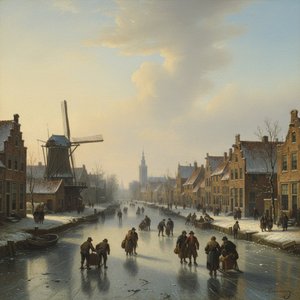
Charles Leickert: Capturing the Dutch Golden Age Light – A Comprehensive Study of Technique, Context, and Legacy
Explore the captivating winter landscapes of Charles Leickert, a master of Dutch Golden Age light & atmosphere. Discover his techniques, symbolism, and lasting legacy – a comprehensive study for art enthusiasts and collectors.

Golden Light & Dutch Skies: The Timeless Magic of Dutch Golden Age Landscapes
Discover the breathtaking beauty of Dutch Golden Age landscapes. Explore the mastery of light, chiaroscuro, and 17th-century realism through an expert art history lens, celebrating the enduring legacy of the Dutch Masters for discerning collectors and art lovers.


