Uma Sinfonia de Fé e Brilhantismo Artístico
Cruzar o limiar da Basílica di San Domenico, em Bolonha, é deixar o mundo moderno para trás e adentrar um profundo palimpsesto de devoção, poder e inovação artística. Esta magnífica estrutura, que serve como o coração espiritual da ordem Dominicana, é muito mais do que um simples local de culto; é uma crônica viva da história italiana que remonta ao início do século XIII. Fundada sobre a própria tumba de São Domingos, a basílica encarna uma evolução de estilo de tirar o fôlego, onde as linhas elevadas e austeras da arquitetura gótica encontram os ornamentos opulentos e dramáticos da era Barroca. Ao percorrer o seu vasto interior, o próprio ar parece pesado com o peso dos séculos, refletindo a vibração intelectual e a fé duradoura que definiram Bolonha por gerações.
A jornada arquitetônica de San Domenico é uma narrativa de expansão e transformação. O que começou como um modesto convento estabelecido por Reginaldo de Orléans floresceu em uma catedral monumental através de ondas de devoção contínua. A silhueta da estrutura, dominada pelo seu imponente campanário erguido em 1313, serve como um sentinela constante sobre o horizonte de Bolonha. Dentro de suas paredes, a transição das tradições românicas para as camadas mais complexas adicionadas por arquitetos como Carlo Francesco Dotti cria uma tensão visual única. Este estratificamento estilístico não parece desconexo; pelo contrário, oferece uma experiência rica e texturante ao observador, tal como uma sinfonia magistralmente composta, onde diferentes movimentos harmonizam para criar um todo singular e transcendente.
Uma Galeria de Obras-Primas Divinas
Para o amante da arte e o colecionador, a basílica funciona como uma galeria inigualável, onde cada pincelada e cada marca de cinzel serve a um propósito devocional superior. O ábside é dominado pela visão celestial de Guido Reni, A Glória de São Domingos , um afresco que captura o santo ascendendo ao céu em meio a um vórtulo de luz e figuras angelicais. A habilidade de Reni em renderizar a graça divina através de uma luz suave e movimento fluido permanece como um dos espetáculos mais cativantes da arte bolonesa. Esse senso de movimento ecoa por toda a igreja, onde as obras de Ticiano, Rafael e da família Carracci convidam à profunda contemplação do auge do domínio Renascentista e Barroco.
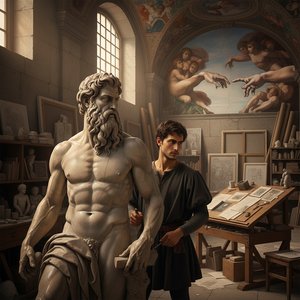
Talvez o encontro mais profundo dentro destas paredes sagradas seja encontrado na Arca di San Domenico . Este santuário requintado, que abriga as relíquias de São Domingos, é uma obra-prima colaborativa da escultura do Proto-Renascimento. Embora o trabalho fundamental tenha sido liderado por Nicola Pisano e Arnolfo di Cambio, a tumba guarda um segredo que continua a agitar o coração dos historiadores: a presença de um jovem Michelangelo Buonarroti. As contribuições precoces do mestre — incluindo a Estátua de São Próculo e o Anjo Segurando um Candelabro — revelam um gênio em florescimento, já capaz de uma extraordinária precisão anatômica e profundidade emocional. Estar diante destas esculturas é testemunhar o exato momento em que uma lenda começou a tomar forma.
Um Legado Duradouro para o Olhar Moderno
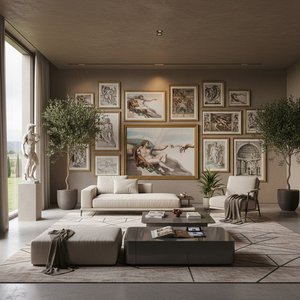
Além de seu papel como relíquia do passado, San Domenico permanece como um centro cultural vital que continua a fomentar o diálogo entre o estudo histórico e a apreciação contemporânea. A basílica há muito abriga exposições que celebram a amplitude da arte bolonesa, garantindo que sua coleção — que varia de intrincados entalhes em mármore a grandes telas — permaneça uma parte viva da identidade da cidade. Para designers de interiores e entusiastas da beleza clássica, a basílica oferece inspiração infinita através do seu jogo de luz, sombra e geometria sagrada.
O compromisso contínuo com a conservação deste patrimônio inestimável garante que os sussurros da história dentro destas paredes nunca desapareçam. Quer se sinta atraído pela grandiosidade arquitetônica da rosácea ou pela ressonância emocional íntima do mármore de Michelangelo, San Domenico oferece uma jornada imersiva ao coração da história da arte italiana. Permanece como um lugar onde a fé, o humanismo e a inovação artística convergem, convidando cada visitante a experimentar o poder duradouro da beleza e da crença.