

A Heartbeat of Danish Art: The National Gallery of Denmark
Immerse yourself in a world where centuries converge—the Statens Museum for Kunst (SMK), Copenhagen’s national gallery, isn't merely a collection of artworks; it’s the very pulse of Danish artistic identity. Nestled within the heart of the city, this magnificent institution unfolds as a captivating narrative spanning seven hundred years, from the echoes of Viking settlements to the vibrant expressions of contemporary artists. The SMK invites you on an extraordinary journey, revealing not just masterpieces but also the soul of a nation meticulously preserved and celebrated.
The building itself is a testament to architectural grandeur—a Neo-Classical masterpiece designed by Christian Lassen in 1894. Its imposing façade, with soaring columns and intricate detailing, immediately establishes a sense of importance, reflecting the museum’s role as custodian of Denmark's artistic heritage. Stepping inside is like entering a grand civic space, thoughtfully conceived to house and showcase the nation’s creative spirit. The careful integration of natural light throughout the galleries further enhances the experience, bathing the artworks in an ethereal glow that seems to breathe life into each piece.
The Golden Age Gleams: A Legacy of Royal Patronage
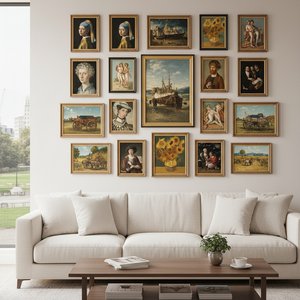
At the heart of the SMK's allure lies its unparalleled collection from Denmark’s “Golden Age” – roughly between the 16th and 18th centuries. This period witnessed an unprecedented flourishing of artistic creativity, fueled by the generous patronage of the Danish monarchy and a burgeoning sense of national pride. Artists like Hans Holbein the Younger, Lucas Cranach the Elder, and Peter Paul Rubens left indelible marks on this era, their works now proudly displayed within the museum’s walls. These paintings aren't simply beautiful; they embody the spirit of a nation forging its identity through art.
The SMK boasts an extraordinary concentration of masterpieces from this period, including portraits that capture the personalities of Danish royalty and landscapes that evoke the beauty of the Danish countryside. The meticulous detail and vibrant colors characteristic of the Golden Age are particularly evident in works by artists like Jodtrup and Schwartz, offering a glimpse into the refined tastes and cultural values of the time. The collection serves as a powerful reminder of how art can reflect and shape a nation’s identity.
Beyond the Masters: A Journey Through Artistic Movements
While the SMK's collection of Old Masters is undeniably impressive, it extends far beyond this era, encompassing a remarkable breadth of artistic styles and movements. From the Romanticism and Symbolism that swept across Europe in the 19th century to the Expressionism and Modernism that defined the 20th, the museum’s holdings offer a comprehensive overview of Danish art history. You'll find significant works by Edvard Munch, whose haunting landscapes capture the anxieties of modern life; Vilhelm Hammershøi, known for his serene interiors imbued with a sense of quiet contemplation; and a remarkable selection of Danish contemporary artists pushing the boundaries of artistic expression today.
The museum’s curators have skillfully arranged these diverse works to create a compelling narrative arc, tracing the evolution of Danish art over time. Each gallery offers a new perspective, inviting visitors to engage with familiar masterpieces in fresh ways and discover hidden connections between different artistic styles.
The Woman in Red-Striped Dress: A Study in Cézanne’s Vision
Within the SMK's galleries resides Paul Cézanne’s “Woman in Red-Striped Dress” (1896-97), a painting that immediately captivates with its deceptively simple composition and profound emotional resonance. This intimate portrait, rendered in oil on canvas, depicts a woman seated in an armchair, her gaze directed towards the viewer with an enigmatic intensity. Cézanne’s masterful use of color—the vibrant red stripes of her dress contrasting against the muted tones of the background—creates a dynamic visual tension that draws the eye and invites contemplation.
What makes this particular painting so compelling is not merely its aesthetic beauty but also the way it embodies Cézanne's core artistic principles: an emphasis on structure, color, and the fleeting effects of light. The loose brushstrokes, a hallmark of his innovative approach, capture the essence of observation, distilling the artist’s perception of reality into a powerfully evocative image. It is a testament to Cézanne’s ability to transform the ordinary into something extraordinary.
A Living Space for Art: Architecture and Community Engagement
The SMK isn't simply a building filled with art; it’s designed to enhance the viewing experience. The museum’s layout encourages visitors to move through the collection at their own pace, allowing them to fully immerse themselves in the works on display. Comfortable seating areas are strategically placed throughout the galleries, providing opportunities for reflection and contemplation. The integration of modern amenities—informative displays, a dedicated children's area, and Magnolia café – creates a welcoming and accessible environment for visitors of all ages.
Beyond its collection and architecture, the SMK is deeply committed to engaging with its local community through educational programs, workshops, and public lectures. Regular events—ranging from classical music concerts to contemporary dance performances—further enrich the cultural landscape of Copenhagen. The museum’s online presence extends this reach, offering virtual tours and access to a vast digital archive, ensuring that art lovers around the world can experience the SMK's treasures.
Ultimately, the Statens Museum for Kunst is more than just a museum; it’s a national treasure—a vibrant testament to Denmark’s artistic legacy and a beacon of creativity for generations to come. A visit here is an opportunity to connect with the heart and soul of Denmark, embarking on a journey through time, beauty, and profound human expression.