


Um Portal Através do Tempo: A Alma da Devoção Florentina
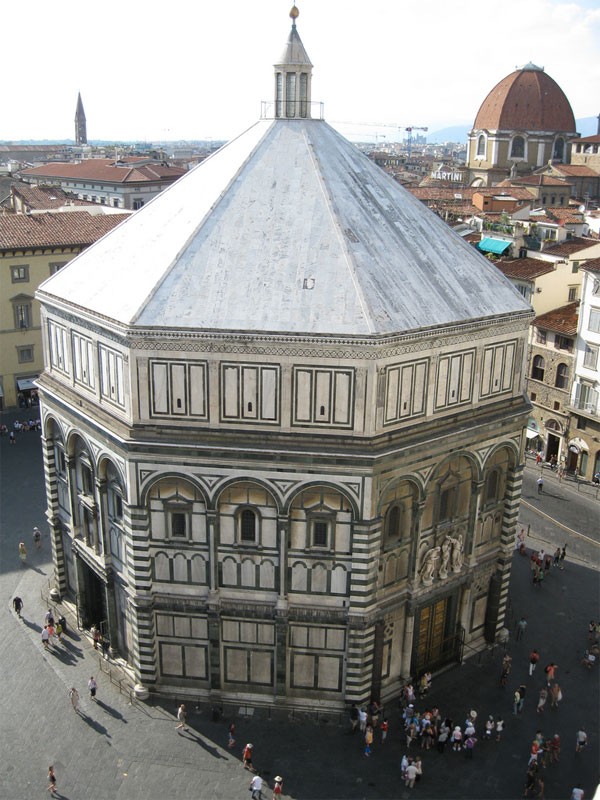
Florença respira uma história gravada em pedra e dourada pela arte, e em seu coração pulsante ergue-se o Batistério de San Giovanni — um monumento que não foi meramente construído, mas que floresceu a partir de séculos de fé, orgulho cívico e inovação artística. Frente à magnífica Duomo, Santa Maria del Fiore, este edifício octogonal é mais do que uma simples igreja; é um palimpsesto da identidade florentina, um espaço onde raízes pagãs se transformaram em devoção cristã, e onde as semente do Renascimento foram irrevogavelmente plantadas. Aproximar-se de sua fachada é retroceder no tempo, testemunhando a narrativa em constante desdobramento de uma cidade que moldou a arte ocidental como a conhecemos. As próprias pedras parecem sussurrar contos de templos romanos, guildas medievais e o espírito humanista emergente que definiria uma era.
As origens do Batistério estão envoltas nas brumas da antiguidade, acreditando-se que tenha surgido sobre os alicerces de um templo romano dedicado a Marte — um testemunho do passado estratificado de Florença. Por volta do século IV, este local havia transitado para uma igreja cristã, passando por sucessivas renovações e expansões que refletiam o poder em evolução e as sensibilidades artísticas da cidade. Ao longo da Idade Média, serviu como ponto focal da vida cívica, acolhendo reuniões públicas e, mais importante, batismos — o rito sagrado de entrada na fé cristã. A estrutura que vemos hoje, consagrada em 1059, encarna a essência da arquitetura românica toscana, apresentando uma mistura harmoniosa de ideais clássicos e maestria local, expressa através de seus icônicos painéis de mármore branco e verde, arcos arredondados e precisão geométrica.
Obras-Primas em Bronze e Ouro
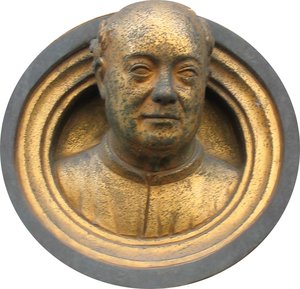
Mas é nos tesouros artísticos do Batistério que reside sua verdadeira magnificência. Os mosaicos que adornam as paredes internas são de tirar o fôlego em sua amplitude e detalhe, uma tapeçaria cintilante de narrativas bíblicas elaborada por mestres como Jacopo Torriti e Andrea Pisano. Estas representações vibrantes do Gênesis e do Êxodo transportam os espectadores para outro reino, convidando à contemplação de temas como criação, redenção e providência divina. No entanto, são as “Portas do Paraíso” de Lorenzo Ghiberti — as portas de bronze encomendadas em 1403 — que verdadeiramente cativam a imaginação. O concurso para o seu design é famoso por ter lançado a carreira do próprio Michelangelo, mas foi Ghiberti quem finalmente triunfou, criando uma obra-prima que redefiniu a escultura renascentista.
Cada painel é um testemunho de sua habilidade inigualável, retratando cenas do Antigo Testamento com um nível surpreendente de realismo e poder expressivo. Estas portas não são meramente decorativas; são portais para outro mundo, convidando-nos a contemplar os profundos mistérios da fé e da existência humana. Para o colecionador ou amante dos detalhes finos, a Porta Oriental oferece uma janela para o exato momento em que o design clássico encontrou a narrativa cristã, exibindo um trabalho de relevo intrincado que permanece como uma das maiores conquistas na história da metalurgia e da composição escultórica.
Harmonia Arquitetônica e Simbolismo Eterno
O próprio projeto arquitetônico do Batistério diz muito sobre o seu significado simbólico. O plano octogonal representa a eternidade e a harmonia divina — uma tentativa deliberada de refletir a ordem cósmica que se acredita governar a criação. Em seu interior, colunas imponentes sustentam tetos abobadados, criando uma atmosfera de grandeza e solene reverência. Cada elemento, desde os incrustados em mármore até os mosaicos intrincados, contribui para um sentimento de assombro e maravilha — uma sensação que transcende o tempo e nos conecta às gerações que nos precederam.
O que realmente distingue o Batistério é o seu legado duradouro como berço das ideias renascentistas. Foi aqui, em meio ao fermento artístico de Florença, que novas formas de ver e pensar começaram a emergir — formas que mudariam para sempre o curso da arte e da cultura ocidental. Visitar o Batistério não é simplesmente admirar um edifício magnífico; é embarcar em uma jornada através de séculos de história, fé e brilhantismo artístico florentino — uma peregrinação ao próprio local de nascimento do Renascimento.


