


1


Atualizado em Novembro 2026 · classificado pela nossa pontuação de popularidade (pesquisas, visitas e pedidos de cada obra) · 23 obras de William Hart em nosso catálogo
Em resumo
De todas as obras originais que William Hart deixou, a mais famosa é Hudson River Landscape (1854). Logo atrás vêm Tivoli Falls (1851) e Rocky Coast at Sunset (1860). Nosso catálogo contém 23 obras de William Hart; a galeria preservou as 22 que o mundo mais admira, cada uma exibida com sua data, seu museu e sua história.


 Cows in the Meadow1878
12
 Hudson River Landscape1879
13
 Scene at Napanoch1883 · Metropolitan Museum of Art
14
 Cattle and Landscape1880 · Centennial One Object Exhibit
15
 Grand manan
16
 New London, Connecticut
17
 Fields in Summer
18
 Near Tappan Zee, New York
19
 View of New Hampshire
20
 Sunset over the Lake
21
 Summer stream
22
 Woodland scene
Os quatro temas que mais se repetem nestas obras originais, cada um com o seu melhor exemplo.
Os 4 museus que detêm a maioria das pinturas desta página.
| Museus | Cidade | Obras de William Hart | Pinturas desta lista |
|---|---|---|---|
 Albany Institute of History - Art |
Albany | 1 | Tivoli Falls |
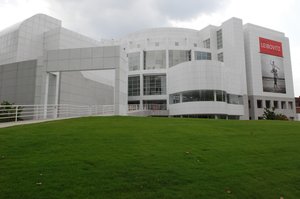 High Museum of Art |
Atlanta | 1 | The Last Gleam |
 Metropolitan Museum of Art |
Nova York | 1 | Scene at Napanoch |
 Centennial One Object Exhibit |
Unknown | 1 | Cattle and Landscape |
As obras datadas de William Hart nesta seleção abrangem apenas 6 anos, de 1878 a 1883: uma carreira breve, apresentada aqui ano a ano.
Escolha um ano para ver as obras originais.


This painting hangs in the dining room of Thomas Edison

William Hart's "Scene at Napanoch," painted in 1883, isn’t merely a landscape; it’s a carefully constructed tableau of rural life imbued with a profound sense of quiet observation and the subtle melancholy inherent in capturing a fleeting moment. This Hudson River School masterpiece, housed within The Metropolitan Museum of Art in New York City, offers a glimpse into a bygone era – a time when America was still grappling with…
Hudson River Landscape (1854). Tivoli Falls (1851) e Rocky Coast at Sunset (1860) vêm a seguir.
Hudson River Landscape, Tivoli Falls, Rocky Coast at Sunset, On the Maine Coast, Study for View of the Valley of the White Mountains, New Hampashire, 1857''', Harvest Scene - Valley of the Delaware, Sunset in the Valley, The Last Gleam, The Land, Keene Valley e Deer in the Adirondacks. O ranking acima apresenta o ano e o museu de cada uma.
Nosso catálogo contém 23 obras de William Hart, datadas de 1878 a 1883.
Principalmente em Albany Institute of History - Art (Albany), High Museum of Art (Atlanta) e Metropolitan Museum of Art (Nova York). A tabela de museus acima lista todos eles.
Em 1878: 3 das 22 obras nesta página foram feitas então, sendo The Land, Keene Valley delas.
Nesta página, a mais antiga é The Land, Keene Valley (1878) e a mais recente é Scene at Napanoch (1883).
Landscape (4), Sunset (3) e Usa (3), entre as 22 obras nesta página.
Hudson river school, a julgar pelos originais nesta página.


