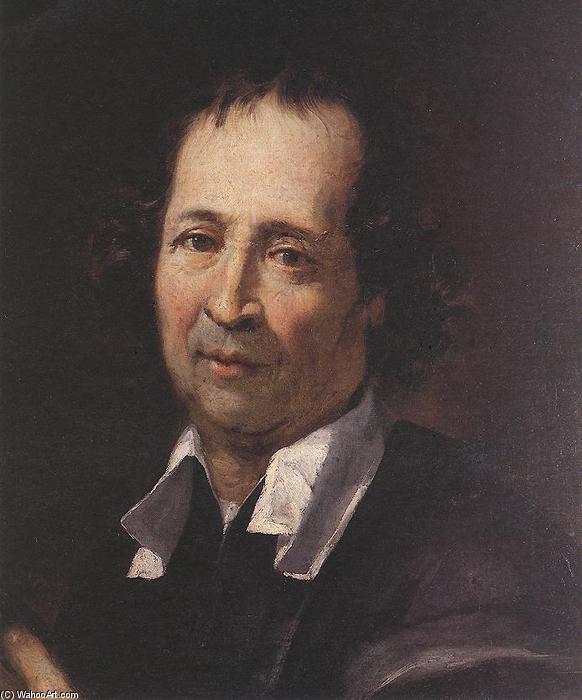
Retrato de Pierre Puget

As 70 Pinturas Mais Famosas de Pierre Puget, uma Seleção da Galeria

Atualizado em Outubro 2026 · classificado pela nossa pontuação de popularidade (pesquisas, visitas e pedidos de cada obra) · 77 obras de Pierre Puget em nosso catálogo

Em resumo

De todas as obras originais deixadas por Pierre Puget, a mais famosa é The Meeting of Alexander the Great and Diogenes (1671), da coleção do Museu do Louvre, em Paris. Logo atrás vêm Milo of Croton (1671) e The Meeting of Alexander the Great and Diogenes (1671). Nosso catálogo contém 77 obras de Pierre Puget; a galeria preservou as 70 que o mundo mais admira, cada uma exibida com sua data, seu museu e sua história.

1620 – 1694, Marselha Baroque dramatic style Mais obras: Museu do Louvre

As 10 principais pinturas de Pierre Puget: a escolha da galeria

1
The Meeting of Alexander the Great and Diogenes (1671) de Pierre Puget

The Meeting of Alexander the Great and Diogenes

1671 · Marble · Museu do Louvre, Paris

In the hallowed halls of art history, few encounters possess the dramatic tension found in Pierre Puget’s 1671 masterpiece, The Meeting of Alexander the Great and Diogenes. This monumental sculpture is far more than a mere historical reconstruction; it is a breathtaking theatrical performance frozen in marble. At its heart lies a profound confrontation between two opposing worlds: the boundless, imperial ambition of Alexander the Great and the radical, ascetic…

2
Milo of Croton (1671) de Pierre Puget

Milo of Croton

1671 · Marble · Museu do Louvre, Paris

In the hallowed halls of the Louvre Museum, one figure commands the space with a visceral, breathtaking intensity that transcends the cold stillness of marble. Pierre Puget’s Milo of Croton is not merely a sculpture; it is a profound psychological drama frozen in time. Completed between 1671 and 1682, this monumental work serves as a cornerstone of the Baroque era, capturing a moment where physical prowess meets unbearable suffering. The…

3
The Meeting of Alexander the Great and Diogenes (1671) de Pierre Puget

The Meeting of Alexander the Great and Diogenes

1671 · Sculpture · Museu do Louvre, Paris

In the hallowed halls of the Musée du Louvre, there exists a moment frozen in time, a theatrical confrontation that transcends the boundaries of mere sculpture to become a profound meditation on human existence. Pierre Puget’s 1671 masterpiece, The Meeting of Alexander the Great and Diogenes, is not simply a depiction of two historical figures; it is a breathtaking performance captured in alabaster. The work brings us face-to-face with the…

4
Autorretrato (1668) de Pierre Puget

Autorretrato

1668 · Óleo sobre tela · Musée Granet, Aix-en-Provence

Um Retrato Dramático da Alma Barroca: Autorretrato de Pierre Puget O autorretrato de Pierre Puget, pintado em 1668, é uma obra que transcende o mero retrato físico para se tornar um profundo estudo sobre a condição humana e uma expressão magistral das emoções características do estilo barroco francês. Mais do que simplesmente representar o artista diante da tela, Puget captura um momento de introspecção e vulnerabilidade, utilizando técnicas inovadoras para…

5
View on the Sea (1670) de Pierre Puget

View on the Sea

1670 · Acrylic On Canvas · Museu do Louvre, Paris

Pierre Puget's "View on the Sea," created around 1670, isn’t merely a depiction of three ships navigating a hazy horizon; it’s a meticulously crafted tableau brimming with Baroque drama and an intimate understanding of human scale. Born in Marseille during a period of intense maritime activity, Puget’s life was inextricably linked to the sea – initially as a craftsman shaping the hulls of galleys, later as a celebrated sculptor, architect,…

6
Busto de um jovem Augusto de Pierre Puget

Busto de um jovem Augusto

Mármore · Museo di Sant'Agostino, Génova

A Serenidade Elegante de um Ídolo Renascentista: Uma Análise da Escultura "Bust of Young August" de Pierre Puget A escultura “Bust of Young August” atribuída ao escultor francês Pierre Puget (1620-1694) representa uma obra emblemática do período barroco italiano, capturando um momento de beleza idealizada e contemplação silenciosa que continua a fascinar espectadores até hoje. Criada aproximadamente em 1689, esta peça monumental em mármore – atualmente alojada no Museu Sant’Agostino…

7
Hercules Standing (1660) de Pierre Puget

Hercules Standing

1660 · Terracotta · Staatliche Museen zu Berlin, Berlim

In Hercules Standing, Pierre Puget presents the legendary hero of Greek mythology through a lens of physical power and controlled movement. Created about 1660, the sculpture focuses on the attributes for which the figure is most recognized: immense strength and prowess. Rather than a static representation, the subject is captured in a dynamic contrapposto pose, where the weight shifts onto one leg while the other remains relaxed, creating a sense…

8
David Gazing at Goliath's Head (1671) de Pierre Puget

David Gazing at Goliath's Head

1671 · Oil · Musée de la civilisation, Quebec City

In this Baroque oil painting from 1671, a youthful, muscular man sits on the left side of the composition. He is draped in heavy blue fabric that falls in deep folds across his lap, where a layer of fur provides a textural contrast to his skin. His body is positioned in a way that emphasizes anatomical detail, particularly in the torso and limbs. To his right, resting upon a rough…

9
Great Vessel of War (1670) de Pierre Puget

Great Vessel of War

1670 · Ink On Paper · Musée Bonnat, Bayonne

The Great Vessel of War emerges from the shadows of history, a detailed illustration that captures a massive 17th-century warship amidst the churning sea. Created by Pierre Puget in 1670, this work presents a moment of maritime power and intricate naval architecture. The ship dominates the view, its complex rigging and heavy wooden hull rendered with a precision that brings the vessel to life. It exists as a silent witness…

10
Two Vessels under Sail (1674) de Pierre Puget

Two Vessels under Sail

1674 · Ink On Paper · Musée Bonnat, Bayonne

A monochrome study of maritime movement, this work captures two sailing vessels navigating a choppy sea. The composition is oriented horizontally, emphasizing the length of the hulls as they cut through the water. A primary ship dominates the central foreground, its rigging and sails rendered with meticulous detail, while a second vessel trails behind to the left. In the lower right corner, a smaller boat with figures provides a sense…

A seleção de Pierre Puget continua, de 11 a 70

11Perseus and Andromeda (1678) de Pierre PugetPerseus and Andromeda1678 · Museu do Louvre 12Christ Dying on the Cross de Pierre PugetChrist Dying on the CrossMuseu do Louvre 13La Ravissement d de Pierre PugetLa Ravissement dDetroit Institute of Arts 14Door of the Hôtel de Ville at Toulon (1656) de Pierre PugetDoor of the Hôtel de Ville at Toulon1656 · Musée Navale 15Ship at Marseille (1651) de Pierre PugetShip at Marseille1651 · Musée des Beaux-Arts de Marseille 16Portrait of the Artist's Mother (1651) de Pierre PugetPortrait of the Artist's Mother1651 · Private collection 17The Visitation (1659) de Pierre PugetThe Visitation1659 · Musée Granet 18The Holy Family at the Palm-tree (1662) de Pierre PugetThe Holy Family at the Palm-tree1662 · Private collection 19Navigation before a Promontory (1680) de Pierre PugetNavigation before a Promontory1680 · Musée des Beaux-Arts 20Perseus and Andromeda (1678) de Pierre PugetPerseus and Andromeda1678 · Museu do Louvre 21A Pedra Sobre o São Pedro (1654) de Pierre PugetA Pedra Sobre o São Pedro1654 · Musée des Beaux-Arts de Marseille 22A Educação de Aquiles por Cirênio (1690) de Pierre PugetA Educação de Aquiles por Cirênio1690 · Musée des Beaux-Arts de Marseille 23St Sebastian de Pierre PugetSt Sebastian 24Homer de Pierre PugetHomer 25Blessed Alessandro Sauli de Pierre PugetBlessed Alessandro Sauli 26Self portrait Marble de Pierre PugetSelf portrait Marble 27Philosopher de Pierre PugetPhilosopherBavarian State Painting Collections 28Immaculate Conception de Pierre PugetImmaculate Conception 29Milon de Crotone detail de Pierre PugetMilon de Crotone detail 30The Rape of Helen of Troy de Pierre PugetThe Rape of Helen of Troy 31Atlas from the door of the Hôtel de Ville at Toulon de Pierre PugetAtlas from the door of the Hôtel de Ville at Toulon 32View of the harbor of Toulon de Pierre PugetView of the harbor of Toulon 33Virgin of the Immaculate Conception de Pierre PugetVirgin of the Immaculate Conception 34Milo of Croton (detail) de Pierre PugetMilo of Croton (detail) 35Assumption of the Virgin de Pierre PugetAssumption of the Virgin 36Design for the decoration of a Warship de Pierre PugetDesign for the decoration of a Warship 37Louis XIV de Pierre PugetLouis XIV 38Hercules at Rest (detail) de Pierre PugetHercules at Rest (detail) 39Le baptême de Clovis de Pierre PugetLe baptême de Clovis 40LE BAPTEME DE CONSTANTIN de Pierre PugetLE BAPTEME DE CONSTANTIN 41LE SOMMEIL DE L'ENFANT JESUS de Pierre PugetLE SOMMEIL DE L'ENFANT JESUS 42LA VIERGE APPRENANT A LIRE A L'ENFANT JESUS de Pierre PugetLA VIERGE APPRENANT A LIRE A L'ENFANT JESUS 43Milo of Croton de Pierre PugetMilo of Croton 44View of a port with a facade and a trophy of arms de Pierre PugetView of a port with a facade and a trophy of arms 45Galley and two ships sailing on de Pierre PugetGalley and two ships sailing on 46Cannon fire at the port of Antibes de Pierre PugetCannon fire at the port of Antibes 47A Frigate at Sea de Pierre PugetA Frigate at SeaHet Scheepvaartmuseum 48Design for a Tabernacle de Pierre PugetDesign for a Tabernacle 49Hercules at Rest (1661) de Pierre PugetHercules at Rest1661 · Museu do Louvre 50Mediterranean Port with Men o' War de Pierre PugetMediterranean Port with Men o' WarGovernment Art Collection 51Arm de Pierre PugetArm 52Virgin and Child de Pierre PugetVirgin and Child 53Vessel Firing a Salvo de Pierre PugetVessel Firing a Salvo 54Sea view de Pierre PugetSea view 55Alessandro Sauli de Pierre PugetAlessandro Sauli 56A big storm on the sea de Pierre PugetA big storm on the sea 57The Sacrifice of Noah de Pierre PugetThe Sacrifice of Noah 58St Peter Holding the Key of the Paradise de Pierre PugetSt Peter Holding the Key of the Paradise 59The faun terracotta de Pierre PugetThe faun terracotta 60Hercules at Rest de Pierre PugetHercules at Rest 61Three vessels with the brands of their dignity de Pierre PugetThree vessels with the brands of their dignity 62The Faun (detail) de Pierre PugetThe Faun (detail)Musée des Beaux-Arts de Marseille 63Door of the Hôtel de Ville at Toulon de Pierre PugetDoor of the Hôtel de Ville at Toulon 64Salvator Mundi de Pierre PugetSalvator Mundi 65The Visitation (detail) de Pierre PugetThe Visitation (detail) 66The Faun de Pierre PugetThe FaunMusée des Beaux-Arts de Marseille 67Self-portrait in Old Age de Pierre PugetSelf-portrait in Old Age 68Study of a Horse de Pierre PugetStudy of a HorseMusée des Beaux-Arts de Marseille 69Virgin Giving the Scapular to St Simon Stock de Pierre PugetVirgin Giving the Scapular to St Simon StockMusée des Beaux-Arts de Marseille 70Bust of Marcus Aurelius de Pierre PugetBust of Marcus AureliusMuseo di Sant'Agostino

Pinturas famosas de Pierre Puget, período por período

Os temas que cativaram o olhar de Pierre Puget

Os quatro temas que mais se repetem nestas obras originais, cada um com o seu melhor exemplo.

Os museus que guardam os originais de Pierre Puget

Os 8 museus que detêm a maioria das pinturas desta página.

Museus Cidade Obras de Pierre Puget Pinturas desta lista
Museu do Louvre, ParisMuseu do Louvre Paris 8 The Meeting of Alexander the Great and Diogenes, Milo of Croton, The Meeting of Alexander the Great and Diogenes
Musée des Beaux-Arts de Marseille, MarselhaMusée des Beaux-Arts de Marseille Marselha 7 Ship at Marseille, A Pedra Sobre o São Pedro, A Educação de Aquiles por Cirênio
Musée Granet, Aix-en-ProvenceMusée Granet Aix-en-Provence 2 Autorretrato, The Visitation
Museo di Sant'Agostino, GénovaMuseo di Sant'Agostino Génova 2 Busto de um jovem Augusto, Bust of Marcus Aurelius
Musée Bonnat, BayonneMusée Bonnat Bayonne 2 Great Vessel of War, Two Vessels under Sail
Staatliche Museen zu Berlin, BerlimStaatliche Museen zu Berlin Berlim 1 Hercules Standing
Musée de la civilisation, Quebec CityMusée de la civilisation Quebec City 1 David Gazing at Goliath's Head
Detroit Institute of Arts, DetroitDetroit Institute of Arts Detroit 1 La Ravissement d

Pierre Puget década a década: a obra original que define cada uma

Obras por década

Escolha uma década para ver a obra original que a define.

Perguntas de colecionadores sobre as pinturas de Pierre Puget

Por qual obra Pierre Puget é mais conhecido(a)?Revelar a resposta

The Meeting of Alexander the Great and Diogenes (1671), Museu do Louvre, Paris. Milo of Croton (1671) e The Meeting of Alexander the Great and Diogenes (1671) vêm a seguir.

Qual era a idade de Pierre Puget quando The Meeting of Alexander the Great and Diogenes foi feita?Revelar a resposta

51 anos: The Meeting of Alexander the Great and Diogenes data de 1671, e Pierre Puget nasceu em 1620.

Quais são as dez pinturas mais famosas de Pierre Puget?Revelar a resposta

The Meeting of Alexander the Great and Diogenes, Milo of Croton, The Meeting of Alexander the Great and Diogenes, Autorretrato, View on the Sea, Busto de um jovem Augusto, Hercules Standing, David Gazing at Goliath's Head, Great Vessel of War e Two Vessels under Sail. O ranking acima apresenta o ano e o museu de cada uma.

Quantas pinturas Pierre Puget deixou?Revelar a resposta

Nosso catálogo contém 77 obras de Pierre Puget, datadas de 1651 a 1690.

Em quais museus estão expostas as obras-primas de Pierre Puget?Revelar a resposta

Principalmente em Museu do Louvre (Paris), Musée des Beaux-Arts de Marseille (Marselha) e Musée Granet (Aix-en-Provence). A tabela de museus acima lista todos eles.

Em que anos Pierre Puget pintou as suas obras mais famosas?Revelar a resposta

Em 1670s: 9 das 70 obras nesta página foram feitas então, sendo The Meeting of Alexander the Great and Diogenes delas.

Quais são as primeiras e as últimas obras originais famosas de Pierre Puget?Revelar a resposta

Nesta página, a mais antiga é Ship at Marseille (1651) e a mais recente é A Educação de Aquiles por Cirênio (1690).

Quais temas Pierre Puget escolheu com mais frequência?Revelar a resposta

Sculpture (7), Mythology (5) e Classical art (4), entre as 70 obras nesta página.

Qual técnica Pierre Puget mais utilizou?Revelar a resposta

Marble, para 5 das 70 obras nesta página.

A qual movimento artístico pertence Pierre Puget?Revelar a resposta

Baroque dramatic style, a julgar pelos originais nesta página.

Quais obras de Pierre Puget estão expostas no Museu do Louvre?Revelar a resposta

The Meeting of Alexander the Great and Diogenes, Milo of Croton e The Meeting of Alexander the Great and Diogenes: o Museu do Louvre, Paris detém 8 das obras desta página.

Pierre Puget: vida e obra

Pierre Puget: Uma Vida entre a Arte e a Engenharia

  • Nascimento: Marselha, França (1620)
  • Falecimento: 1694

Juventude e as Influências Italianas

  • Aprendizado: Puget iniciou sua trajetória aos quatorze anos, esculpindo ornamentos para galés construídas em Marselha. Essa exposição precoce ao ofício artesanal lançou os alicerces para suas futuras explorações artísticas.
  • Jornada à Itália (1640): Em busca de novas oportunidades, viajou para a Itália, passando inicialmente por Livorno e depois Florença, onde aperfeiçoou suas habilidades como entalhador e pintor.
  • Roma e Pietro da Cortona: Um momento crucial ocorreu quando foi acolhido por Pietro da Cortona em Roma. Puget auxiliou na pintura de tetos elaborados no Palazzo Barberini e no Palazzo Pitti, absorvendo o dinamismo e a grandiosidade do Barroco romano.
  • <Retorno a Marselha (1643): Após três anos na Itália, retornou a Marselha, trazendo consigo uma sensibilidade artística refinada, moldada pelos mestres italianos.

Grandes Obras e Desenvolvimento Artístico

  • Primeiros Encomendas: Ao retornar, Puget recebeu encomendas de pinturas e retábulos, demonstrando um estilo em evolução, influenciado por Annibale Carracci e Rubens.
  • Avanços Escultóricos: Ele voltou seu foco cada vez mais para a escultura, criando obras como os medalhões para a popa de navios de guerra franceses, exibindo um domínio crescente de forma e detalhe.
  • Vaux-le-Vicomte (década de 1660): Nicolas Fouquet encomendou a Puget a escultura de Hércules para seu castelo em Vaux-le-Vicomte, marcando um momento significativo em sua carreira e demonstrando o patrocínio de figuras poderosas.
  • Período em Gênova: Após a queda de Fouquet, Puget mudou-se para Gênova, onde criou obras notáveis como o “Hercule Gaulois” (Louvre) e esculturas para igrejas como Santa Maria di Caridade.
  • Encomendas para Versalhes: Colbert trouxe Puget de volta à França, o que resultou em encomendas para Versalhes, incluindo os célebres grupos de “Miró de Crotona” e “Perseu e Andrômeda”. Estas obras são caracterizadas por sua intensidade dramática e realismo expressivo.

Estilo e Influências

  • Drama Barroco: O estilo de Puget está firmemente enraizado na tradição barroca, enfatizando o movimento, a emoção e a teatralidade.
  • Inspiração Clássica: Embora abrace o dinamismo barroco, sua obra também revela uma apreciação pelas formas e ideais clássicos.
  • Michelangelo e Bernini: Suas esculturas exibem influências das figuras poderosas de Michelangelo e das composições dinâmicas de Bernini.
  • Expressão Única: Apesar dessas influências, Puget desenvolveu um estilo distinto, marcado por uma energia bruta e intensidade expressiva, o que o diferenciava dos artistas barrocos mais convencionais.

Legado e Significância Histórica

  • Unindo Arte e Engenharia: A capacidade de Puget de fundir perfeitamente o talento artístico com habilidades de engenharia era única. Seu trabalho em arquitetura naval e fortificações demonstra uma ingenuidade prática ao lado de suas conquistas artísticas.
  • Um Gênio Atormentado: Théophile Gautier descreveu-o famosamente como o "imperador melancólico dos condenados", refletindo a intensidade e, talvez, as lutas inerentes ao seu processo criativo.
  • Impacto Duradouro: As esculturas de Puget, particularmente “Miró de Crotona” e “Perseu e Andrômeda”, permanecem como exemplos icônicos da escultura barroca francesa, admiradas por seu poder expressivo e virtuosismo técnico.
  • Reconhecimento Atual: Sua obra é celebrada em museus de todo o mundo, incluindo o Louvre e o Musée des Beaux-Arts de Marselha, consolidando seu lugar como uma figura significativa na história da arte.