Retrato de Peter de Kempeneer

As 18 Pinturas Mais Famosas de Peter de Kempeneer, Cada Uma Única

Atualizado em Novembro 2026 · classificado pela nossa pontuação de popularidade (pesquisas, visitas e pedidos de cada obra) · 18 obras de Peter de Kempeneer em nosso catálogo

Em resumo

Crucifixion (1550) é a pintura de Peter de Kempeneer que mais atrai olhares; a obra original pertence ao Museu do Louvre, Paris. Depois disso, o olhar recai sobre Christ on the Way to Calvary (1547) e The Descent from the Cross (1570). Entre as 18 obras de Peter de Kempeneer em nosso catálogo, estas 18 são as mais famosas, cada uma uma original única apresentada com o seu ano, o seu museu e a razão pela qual perdura.

1503 – 1580, Bruxelas Renaissance Mais obras: Museu do Prado

As 10 principais pinturas de Peter de Kempeneer, sob o olhar da galeria

1
Crucifixion (1550) de Peter de Kempeneer

Crucifixion

1550 · Oil On Canvas · Museu do Louvre, Paris

To stand before Pedro de Campaña’s Crucifixion is not merely to observe a painting; it is to be enveloped by an overwhelming tide of profound human emotion. This large-scale oil masterpiece, dating from 1550, plunges the viewer into the heart of Christian theology's most pivotal moment. The composition itself commands attention with its dramatic verticality, centering on the stark, imposing form of the cross. Campaña masterfully captures the raw drama…

2
Christ on the Way to Calvary (1547) de Peter de Kempeneer

Christ on the Way to Calvary

1547 · Oil On Panel · Museu do Prado, Madrid

Painted around 1547, this work reflects a meeting of traditions. The meticulous detail of Northern Europe meets the dramatic light of early Roman Mannerism. This oil on oak panel was originally part of a private altarpiece for the church of the convent of Santa María de Gracia in Seville. It carries the precision of the Flemish tradition alongside the monumental sense of the Italian influence. A small Latin inscription remains…

3
The Descent from the Cross (1570) de Peter de Kempeneer

The Descent from the Cross

1570 · Oil On Panel · Museu do Prado, Madrid

This dramatic religious oil painting depicts the biblical scene of the Descent from the Cross. The composition is centered around a large wooden structure supporting the body of Christ, which is flanked by two other figures crucified on tall, slender crosses. The scene is set against a receding landscape of hills and a distant town, with the organic shapes of a rocky landscape providing a heavy base for the composition.

4
The Presentation of the Virgin in the Temple with Saints Anne and Joachim (1524) de Peter de Kempeneer

The Presentation of the Virgin in the Temple with Saints Anne and Joachim

1524 · Oil · Bonnefanten Museum, Maastricht

In this work, titled The Presentation of the Virgin in the Temple with Saints Anne and Joachim, Pedro De Campaña explores a profound biblical narrative through a complex arrangement of several generations. Painted about 1524, the composition centers on the Presentation of the Virgin in the Temple. The scene is structured around a young child ascending a grand staircase, moving toward the upper reaches of the sacred space. At the…

5
The Crucifixion (1549) de Peter de Kempeneer

The Crucifixion

1549 · Oil · National Gallery Prague, Praga

The oil painting depicts the crucifixion of Jesus Christ, positioned centrally under a dark, turbulent sky. Two other figures hang from crosses on either side of the central figure, situated upon a mound of earth in the lower third of the frame. The composition follows a vertical and symmetrical arrangement, with the three tall crosses drawing the eye upward. The lighting is high-contrast, utilizing chiaroscuro to define the musculature of…

6
The Descent from the Cross (1555) de Peter de Kempeneer

The Descent from the Cross

1555 · Oil On Panel · Bonnefanten Museum, Maastricht

In this oil on panel work, we find ourselves drawn into a tightly packed, intimate space where the air seems heavy with grief. The composition focuses our attention on a cluster of figures gathered around the lifeless body of Christ. There is a palpable sense of claustrophobia here, as if the weight of the tragedy is physically pressing the subjects toward us. The pale, muscular flesh of Jesus provides a…

8
Altarpiece of the Purification (1555) de Peter de Kempeneer

Altarpiece of the Purification

1555 · Oil On Canvas · Catedral, Seville

The air within the chapel feels heavy with the weight of devotion as a multitude gathers around the altar. Light filters through the space, catching the folds of heavy garments and the quiet expressions of those assembled. Within this sacred architecture, a crowd of at least thirteen figures moves through a moment of profound spiritual significance. Some individuals lean toward one another in hushed conversation, while others remain motionless, lost…

9
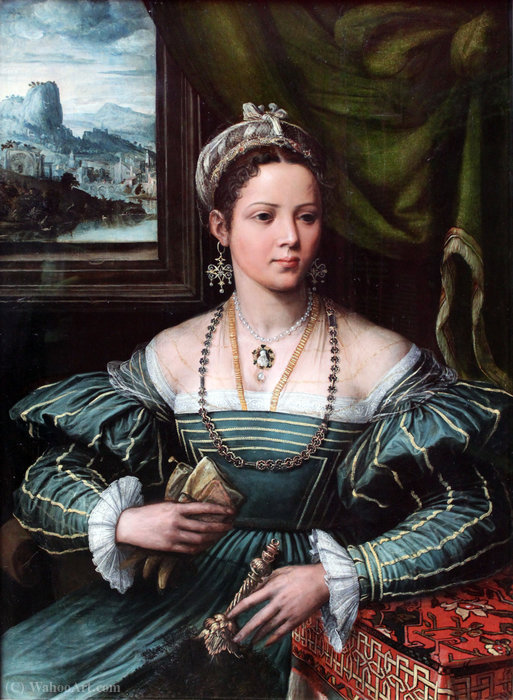
Portrait of a Lady de Peter de Kempeneer

Portrait of a Lady

Oil · Städel Museum, Frankfurt

The gaze of the woman in Portrait of a Lady meets the viewer from across the centuries, a silent presence captured by the hand of Pedro De Campaña. This work emerges from the era of the Renaissance, a time when the boundaries between different artistic traditions began to blur and shift. The subject remains poised, her identity held within the quiet dignity of the brushstrokes that define her features and…

10
Descent from the Cross (detail) (1547) de Peter de Kempeneer

Descent from the Cross (detail)

1547 · Oil On Panel · Catedral, Seville

Descent from the Cross (detail) is an oil on panel work by the artist Pedro De Campaña. Created about 1547, this specific section of the larger composition focuses on a poignant scene from Christian history. The subject matter adheres to established Christian iconography, presenting a moment of profound gravity through the depiction of a central figure. The composition centers on the figure of Jesus Christ as he is being lowered…

Pinturas famosas de Peter de Kempeneer, números 11 a 18

Os temas que cativaram o olhar de Peter de Kempeneer

Os quatro temas que mais se repetem nestas obras originais, cada um com o seu melhor exemplo.

Os museus que guardam os originais de Peter de Kempeneer

Os 8 museus que detêm a maioria das pinturas desta página.

Museus Cidade Obras de Peter de Kempeneer Pinturas desta lista
Museu do Prado, MadridMuseu do Prado Madrid 2 Christ on the Way to Calvary, The Descent from the Cross
Bonnefanten Museum, MaastrichtBonnefanten Museum Maastricht 2 The Presentation of the Virgin in the Temple with Saints Anne and Joachim, The Descent from the Cross
Catedral, SevilleCatedral Seville 2 Altarpiece of the Purification, Descent from the Cross (detail)
Museu do Louvre, ParisMuseu do Louvre Paris 1 Crucifixion
National Gallery Prague, PragaNational Gallery Prague Praga 1 The Crucifixion
Museu de Cádis, CádisMuseu de Cádis Cádis 1 The Descent from the Cross
Städel Museum, FrankfurtStädel Museum Frankfurt 1 Portrait of a Lady
Musée Fabre, MontpellierMusée Fabre Montpellier 1 Position

Peter de Kempeneer ao longo das décadas: uma obra original única para cada uma

Obras por década

Escolha uma década para ver a obra original que a define.

Pinturas de Peter de Kempeneer: perguntas para a galeria

Qual é a obra mais famosa de Peter de Kempeneer?Revelar a resposta

Crucifixion (1550), Museu do Louvre, Paris. Christ on the Way to Calvary (1547) e The Descent from the Cross (1570) vêm a seguir.

Com que idade Peter de Kempeneer criou Crucifixion?Revelar a resposta

47 anos: Crucifixion data de 1550, e Peter de Kempeneer nasceu em 1503.

Quais são as dez pinturas mais famosas de Peter de Kempeneer?Revelar a resposta

Crucifixion, Christ on the Way to Calvary, The Descent from the Cross, The Presentation of the Virgin in the Temple with Saints Anne and Joachim, The Crucifixion, The Descent from the Cross, The Descent from the Cross, Altarpiece of the Purification, Portrait of a Lady e Descent from the Cross (detail). O ranking acima apresenta o ano e o museu de cada uma.

Quantas obras de Peter de Kempeneer são conhecidas?Revelar a resposta

Nosso catálogo contém 18 obras de Peter de Kempeneer, datadas de 1524 a 1570.

Onde se pode ver os originais mais famosos de Peter de Kempeneer?Revelar a resposta

Principalmente em Museu do Prado (Madrid), Bonnefanten Museum (Maastricht) e Catedral (Seville). A tabela de museus acima lista todos eles.

Em que período Peter de Kempeneer criou as suas pinturas mais conhecidas?Revelar a resposta

Em 1540s: 3 das 18 obras nesta página foram feitas então, sendo Christ on the Way to Calvary delas.

Qual pintura famosa de Peter de Kempeneer é a mais antiga e qual é a mais recente?Revelar a resposta

Nesta página, a mais antiga é The Presentation of the Virgin in the Temple with Saints Anne and Joachim (1524) e a mais recente é The Descent from the Cross (1570).

Quais temas Peter de Kempeneer preferia?Revelar a resposta

People (7), Cross (3) e Figures (3), entre as 18 obras nesta página.

Com quais materiais Peter de Kempeneer mais pintou?Revelar a resposta

Oil On Panel, para 4 das 18 obras nesta página.

A qual movimento pertence a obra de Peter de Kempeneer?Revelar a resposta

Renaissance, a julgar pelos originais nesta página.

Quais originais de Peter de Kempeneer posso ver no Museu do Prado?Revelar a resposta

Christ on the Way to Calvary e The Descent from the Cross: o Museu do Prado, Madrid detém 2 das obras desta página.

Peter de Kempeneer: um retrato do artista

Pedro De Campaña (1503–1586): Um Pintor Renascentista que Uniu Flandres e Espanha

Nascido em Bruxelas por volta de 1503, Pedro De Campaña surge como uma figura fundamental no panorama artístico do Renascimento — um pintor flamengo que navegou com maestria pelas correntes culturais entre a Itália e a Espanha. Inicialmente formado sob a tutela de Bernard van Orley, a carreira precoce de Campaña desenrolou-se no vibrante meio intelectual de Florença, onde estudou meticulosamente as obras magistrais de Rafael, estabelecendo-se como seu protegido. Este período formativo moldou profundamente a sua sensibilidade artística, imbuindo-o de uma dedicação aos ideais clássicos e a uma observação minuciosa da realidade.

Reconhecendo o talento de Campaña, o Cardeal Domenico Grimani encorajou-o a mudar-se para Sevilha em 1530, acreditando que tal passo impulsionaria os seus empreendimentos artísticos. Ele estabeleceu-se rapidamente como parte do próspero estúdio de Luis de Vargas, fomentando uma escola de pintura que em breve se tornaria a Academia da Place — um farol de inovação artística na Espanha. Entre os discípulos de Campaña encontrava-se Morales, consolidando o seu legado como educador e moldando o futuro da arte espanhola. A sua produção durante este período incluiu retábulos monumentais para a Catedral de Sevilha, destacando-se "A Descida da Cruz" (1548), uma representação dramática que reflete a influência de Michelangelo e captura a intensidade emocional característica da pintura renascentista. A obra foi posteriormente removida devido ao estado de ruína da catedral.

Campaña continuou as suas buscas artísticas em Sevilha até aproximadamente 1563 ou 1565, período em que assumiu a ambiciosa tarefa de restaurar e repintar uma capela encomendada por Hernando de Jaén — um testemunho do seu compromisso inabalável com o artesanato e a excelência artística. Além disso, a influência de Campaña estendeu-se para além de Sevilha; Murillo solicitou especificamente que o seu sepultamento ocorresse próximo a uma pintura de Campaña, simbolizando a visão artística partilhada entre ambos. Infelizmente, a igreja que abrigava a obra-prima de Campaña sucumbiu à destruição durante as Guerras Napoleónicas, resultando na perda do seu túmulo — um lembrete pungente da natureza efêmera da conquista artística e da preservação histórica.

A sua produção prolífica espalhou-se por várias igrejas em Sevilha, demonstrando uma versatilidade notável em estilo e temática. Entre as suas obras mais celebradas estão "A Purificação da Virgem" e "A Ressurreição", grandiosos retábulos que personificam o realismo barroco e o detalhe meticuloso. Estas pinturas exemplificam o domínio técnico de Campaña — particularmente o chiaroscuro — criando efeitos luminosos que intensificam o impacto emocional. O seu legado artístico reside não apenas nestas peças monumentais, mas também no contexto mais amplo da história da arte renascentista, representando um elo crucial entre a inovação flamenga e a grandiosidade espanhola.

A sua trajetória é marcada por:

  • Obras Notáveis: “A Descida da Cruz”, “Crucifixão”, “Imagens de Dona Leonor e Dona Mencia de Cabrera e suas filhas”, Restauração da Capela para Hernando de Jaén
  • Influências: Rafael, Bernard van Orley
  • Escola: Academia da Place (Sevilha)
  • Significado Histórico: Uniu as tradições artísticas flamenga e espanhola; Moldou a cena artística barroca de Sevilha.

Exploração Adicional

Pode aprofundar o seu conhecimento sobre a arte de Pedro De Campaña visitando estes recursos: