Retrato de Frade Francke

As 19 Pinturas Mais Famosas de Frade Francke, uma Seleção da Galeria

Atualizado em Novembro 2026 · classificado pela nossa pontuação de popularidade (pesquisas, visitas e pedidos de cada obra) · 19 obras de Frade Francke em nosso catálogo

Em resumo

De todas as obras originais deixadas por Frade Francke, a mais famosa é Dormition of the Mother of God from Barbara altar from the Kalanti church in Finland (1415), da coleção do Museu Nacional da Finlândia, em Helsínquia. Logo atrás vêm Adoration of the Magi (1426) e Birth of Jesus (1424). Nosso catálogo contém 19 obras de Frade Francke; a galeria preservou as 19 que o mundo mais admira, cada uma exibida com sua data, seu museu e sua história.

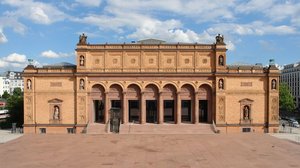
1380 – 1435, Zutphen Gothic Mais obras: Hamburger Kunsthalle

As 10 principais pinturas de Frade Francke: a escolha da galeria

1
Dormition of the Mother of God from Barbara altar from the Kalanti church in Finland (1415) de Frade Francke

Dormition of the Mother of God from Barbara altar from the Kalanti church in Finland

1415 · Tempera On Panel · Museu Nacional da Finlândia, Helsínquia

The Dormition of the Mother of God from Barbara altar from the Kalanti church in Finland is a significant component of the larger Saint Barbara Altarpiece. Created by the North German artist Master Francke, this specific work belongs to a larger Virgin Mary cycle that spans the corpus and the inner wings of the altarpiece. The subject matter focuses on the profound theological narrative of Mary's death and her subsequent…

2
Adoration of the Magi (1426) de Frade Francke

Adoration of the Magi

1426 · Tempera On Panel · Hamburger Kunsthalle, Hamburgo

The painting is a depiction of the Adoration of the Magi, a scene centered on Mary holding her baby Jesus in her arms. She is surrounded by a gathering of twelve people, some of whom stand in close proximity to the viewer while others are positioned further away in the composition. The scene is further detailed by the presence of two chairs, one located near the left side and another…

3
Birth of Jesus (1424) de Frade Francke

Birth of Jesus

1424 · Oil On Panel · Hamburger Kunsthalle, Hamburgo

In the quiet, hallowed atmosphere of the early fifteenth century, a masterpiece emerged that would capture the spiritual fervor of the late Gothic era. Master Francke, the enigmatic Dutch virtuoso known as Frater Francke, crafted his Birth of Jesus in 1424 with a profound sense of theatricality and devotion. This is not merely a depiction of a stable scene; it is a cosmic event rendered on wood. The painting commands…

4
The Martyrdom of Saint Thomas of Canterbury (1426) de Frade Francke

The Martyrdom of Saint Thomas of Canterbury

1426 · Tempera · Hamburger Kunsthalle, Hamburgo

A Moment of Violent Devotion The scene unfolds with a heavy, dramatic tension, capturing the precise moment of Saint Thomas Becket's death within the cathedral. Four knights surround the Archbishop, their presence defined by the cold steel of a sword and the weight of a shield. There is a palpable sense of movement in the composition, as if the air itself has thickened with the gravity of the act. The…

5
The Entombment (1430) de Frade Francke

The Entombment

1430 · Tempera On Panel · Hamburger Kunsthalle, Hamburgo

The artwork is titled The Entombment, a work executed by the artist Master Francke. This specific piece functions as a panel from the St. Thomas Altar. It originated from St. John's Church in Hamburg, Germany. The painting is a religious composition that depicts the deposition of Christ following the crucifixion.

6
Resurrection of Christ (1430) de Frade Francke

Resurrection of Christ

1430 · Hamburger Kunsthalle, Hamburgo

In the profound stillness of the early fifteenth century, a moment of eternal victory was captured on panel by the hand of Master Francke. The Resurrection of Christ is not merely a depiction of a biblical event; it is a visceral experience of triumph over the shadows of mortality. As the eye meets the central figure of Jesus, one is immediately struck by the sheer kinetic energy of his ascent.…

7
Adoration of the Child (1426) de Frade Francke

Adoration of the Child

1426 · Tempera On Panel · Hamburger Kunsthalle, Hamburgo

In the quiet, hallowed atmosphere of the early fifteenth century, a profound moment of divine intimacy was captured by the hand of Master Francke. His masterpiece, Adoration of the Child, dating to approximately 1426, serves as a breathtaking window into the spiritual fervor of the North German Gothic tradition. The scene unfolds with a tender, almost breathless reverence, as the Virgin Mary cradles the infant Jesus, lifting him toward the…

8
The Mocking of Saint Thomas of Canterbury (1426) de Frade Francke

The Mocking of Saint Thomas of Canterbury

1426 · Hamburger Kunsthalle, Hamburgo

In the evocative scene of The Mocking of Saint Thomas of Canterbury, we are transported back to the visceral intensity of the early 15th century. Created around 1426 by the enigmatic North German master known as Frater Francke, this work captures a moment of profound tension and spiritual confrontation. The composition centers on a figure draped in a striking red robe, mounted upon a noble white horse, caught in the…

9
The Women at the Cross (fragment) (1435) de Frade Francke

The Women at the Cross (fragment)

1435 · Tempera On Panel · Hamburger Kunsthalle, Hamburgo

The fragment captures a moment of profound grief, centering on the Virgin Mary and a group of women gathered in sorrow. They are draped in long gowns, their heads covered by veils, their postures reflecting the weight of loss following the death of Jesus Christ. In the background, a horse and a smaller group of figures suggest a larger, more complex narrative unfolding beyond this immediate circle of lamentation. Scattered…

A seleção de Frade Francke continua, de 11 a 19

Os temas que cativaram o olhar de Frade Francke

Os quatro temas que mais se repetem nestas obras originais, cada um com o seu melhor exemplo.

Os museus que guardam os originais de Frade Francke

Os 4 museus que detêm a maioria das pinturas desta página.

Museus Cidade Obras de Frade Francke Pinturas desta lista
Hamburger Kunsthalle, HamburgoHamburger Kunsthalle Hamburgo 9 Adoration of the Magi, Birth of Jesus, The Martyrdom of Saint Thomas of Canterbury
Museu Nacional da Finlândia, HelsínquiaMuseu Nacional da Finlândia Helsínquia 1 Dormition of the Mother of God from Barbara altar from the Kalanti church in Finland
Museum der bildenden Künste, LeipzigMuseum der bildenden Künste Leipzig 1 Vir Dolorum (Man of Sorrows)
Museu Nacional de Varsóvia, VarsóviaMuseu Nacional de Varsóvia Varsóvia 1 Holy trinity

Frade Francke década a década: a obra original que define cada uma

Obras por década

Escolha uma década para ver a obra original que a define.

Perguntas de colecionadores sobre as pinturas de Frade Francke

Por qual obra Frade Francke é mais conhecido(a)?Revelar a resposta

Dormition of the Mother of God from Barbara altar from the Kalanti church in Finland (1415), Museu Nacional da Finlândia, Helsínquia. Adoration of the Magi (1426) e Birth of Jesus (1424) vêm a seguir.

Qual era a idade de Frade Francke quando Dormition of the Mother of God from Barbara altar from the Kalanti church in Finland foi feita?Revelar a resposta

35 anos: Dormition of the Mother of God from Barbara altar from the Kalanti church in Finland data de 1415, e Frade Francke nasceu em 1380.

Quais são as dez pinturas mais famosas de Frade Francke?Revelar a resposta

Dormition of the Mother of God from Barbara altar from the Kalanti church in Finland, Adoration of the Magi, Birth of Jesus, The Martyrdom of Saint Thomas of Canterbury, The Entombment, Resurrection of Christ, Adoration of the Child, The Mocking of Saint Thomas of Canterbury, The Women at the Cross (fragment) e Barbara Altar, inside the wing. O ranking acima apresenta o ano e o museu de cada uma.

Quantas pinturas Frade Francke deixou?Revelar a resposta

Nosso catálogo contém 19 obras de Frade Francke, datadas de 1415 a 1435.

Em quais museus estão expostas as obras-primas de Frade Francke?Revelar a resposta

Principalmente em Hamburger Kunsthalle (Hamburgo), Museu Nacional da Finlândia (Helsínquia) e Museum der bildenden Künste (Leipzig). A tabela de museus acima lista todos eles.

Em que anos Frade Francke pintou as suas obras mais famosas?Revelar a resposta

Em 1420s: 6 das 19 obras nesta página foram feitas então, sendo Adoration of the Magi delas.

Quais são as primeiras e as últimas obras originais famosas de Frade Francke?Revelar a resposta

Nesta página, a mais antiga é Dormition of the Mother of God from Barbara altar from the Kalanti church in Finland (1415) e a mais recente é The Women at the Cross (fragment) (1435).

Quais temas Frade Francke escolheu com mais frequência?Revelar a resposta

People (3), Mary (3) e Man (3), entre as 19 obras nesta página.

Qual técnica Frade Francke mais utilizou?Revelar a resposta

Tempera On Panel, para 5 das 19 obras nesta página.

A qual movimento artístico pertence Frade Francke?Revelar a resposta

Gothic, a julgar pelos originais nesta página.

Quais obras de Frade Francke estão expostas no Hamburger Kunsthalle?Revelar a resposta

Adoration of the Magi, Birth of Jesus e The Martyrdom of Saint Thomas of Canterbury: o Hamburger Kunsthalle, Hamburgo detém 9 das obras desta página.

Frade Francke: vida e obra

Um Mestre da Piedade Dolorosa: O Legado de Frade Francke

Johannes Francke, conhecido como Frade Francke, destaca-se como uma figura fundamental no florescente cenário artístico da Alemanha do século XV – especificamente dentro da vibrante tradição Gótica de Hamburgo. Embora os detalhes biográficos permaneçam um tanto elusivos, a documentação sobrevivente confirma o seu envolvimento em monumentais encomendas religiosas durante a sua vida, consolidando a sua reputação como um dos pintores de retábulos mais realizados da época. A trajetória de Frade Francke é marcada por um início de vida cujas informações precisas sobre os seus anos formativos são escassas. No entanto, ele emergiu de Zutphens por volta de 1380, tendo provavelmente recebido a sua formação artística inicial dentro do sistema de guildas prevalecente na época – um pilar do artesanato medieval onde os aprendizados fomentavam a maestria técnica ao lado da devoção espiritual. A sua carreira floresceu verdadeiramente em Hamburgo, onde assegurou o contrato para criar um retábulo para a Igreja de Santa Catarina. Este projeto ambicioso – ‘O Nascimento de Jesus’, concluído em 1424 – exemplifica a sua sensibilidade estilística: vermelhos intensos dominam a composição, transmitindo uma emoção profunda e destacando elementos simbólicos relativos à encarnação divina de Cristo. A pintura exibe um detalhe meticuloso e um uso magistral da cor, refletindo a estética Gótica predominante. A produção artística de Frade Francke estendeu-se para além desta obra-prima singular. Embora poucas obras lhe sejam atribuídas com total certeza — um desafio comum enfrentado pelos historiadores ao reconstruírem linhagens artísticas — o consenso acadêmico aponta para uma contribuição em Leipzig e outra peça notável abrigada na Kunsthalle de Hamburgo. Estas pinturas demonstram um compromisso contínuo com as técnicas Góticas, caracterizadas por figuras estilizadas e uma opulenta aplicação de folha de ouro – marcas registradas do fervor religioso do período. O estilo artístico de Frade Francke está firmemente enraizado nas convenções da pintura Gótica. Ele empregou habilmente a têmpera sobre painel, alcançando cores luminosas e uma riqueza textural única. As suas representações de cenas bíblicas são imbuídas de uma emoção dramática e de uma profundidade psicológica, priorizando o gesto expressivo e a transmissão da contemplação espiritual. O seu trabalho impactou profundamente as gerações subsequentes de artistas em Hamburgo e além, defendendo o estilo Gótico e estabelecendo-o como uma linguagem visual dominante para a arte religiosa de sua era. A sua atenção meticulosa ao detalhe e o retrato emotivo das narrativas bíblicas continuam a ressoar nos espectadores atuais, assegurando o seu lugar como um símbolo duradouro de piedade e excelência artística.

Conquistas Notáveis: O Retábulo de Santa Bárbara

Talvez a conquista mais celebrada de Frade Francke seja o ‘Retábulo de Santa Bárbara’, encomendado para a Igreja de Santa Bárbara em Hamburgo por volta de 1430. Esta obra monumental — um testemunho da sua destreza artística — apresenta uma narrativa complexa que retrata o martírio de Santa Bárbara e encarna a inclinação da tradição Gótica pela grandiosidade e pela representação simbólica. Os intrincados elementos esculturais do altar, combinados com a pintura policromática vibrante, sublinham o domínio de Frade Francke tanto nas artes visuais quanto no artesanato.

Significado Histórico

A contribuição de Frade Francke para a história da arte alemã é inegável. Ele representa um elo crucial entre as tradições artísticas medievais e o emergente movimento do Renascimento — um período de transição marcado pelo interesse renovado nos ideais clássicos ao lado de uma duradoura devoção religiosa. Os seus retábulos erguem-se como poderosas expressões visuais de fé, refletindo as preocupações espirituais da sua época e moldando as sensibilidades estéticas da comunidade artística de Hamburgo por séculos a fio.