Retrato de Jan Roos

Pinturas de Jan Roos: As 4 mais famosas, sob o olhar de uma galeria

Atualizado em Novembro 2026 · classificado pela nossa pontuação de popularidade (pesquisas, visitas e pedidos de cada obra) · 4 obras de Jan Roos em nosso catálogo

Em resumo

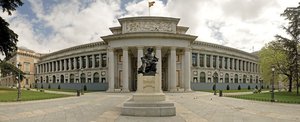
Aos olhos da galeria, a pintura mais famosa de Jan Roos é Portrait of a youth (1601), cuja obra original está exposta no Museu do Prado, em Madrid. Still Life of Fruit and Vegetables with Two Monkeys (1620) e Galleria Canesso – Orpheus enchants the animals completam o trio que todos reconhecem. Dos 4 trabalhos de Jan Roos em nosso catálogo, a galeria apresenta abaixo as 4 obras mais famosas, cada uma original, com seu ano, seu museu e o que a torna única.

1591 – 1638, Antwerp Baroque Mais obras: Museu do Prado

As 10 principais pinturas de Jan Roos na galeria

1
Portrait of a youth (1601) de Jan Roos

Portrait of a youth

1601 · Oil On Canvas · Museu do Prado, Madrid

A young man occupies the center of this vertical composition, his presence anchored by the weight of heavy cloth and the sharp glint of steel. He is dressed in the high fashion of the early seventeenth century, wearing a crisp white ruff collar that catches the light against the deep shadows of his torso. His sleeves and stockings are a deep, saturated red, providing a sudden pulse of color amidst…

2
Still Life of Fruit and Vegetables with Two Monkeys (1620) de Jan Roos

Still Life of Fruit and Vegetables with Two Monkeys

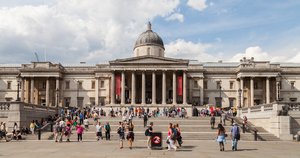
1620 · Oil On Canvas · National Gallery, Londres

The scene unfolds within Still Life of Fruit and Vegetables with Two Monkeys, a work that captures a moment of sudden, lively movement amidst a bounty of nature. Painted by Jan Roos about 1620, this oil on canvas presents a lush arrangement that seems to spill toward the viewer. The composition centers on a heavy, overflowing display of produce, where the presence of two monkeys introduces a sense of unpredictable…

3
Galleria Canesso – Orpheus enchants the animals de Jan Roos

Galleria Canesso – Orpheus enchants the animals

A single figure stands at the center of a quiet tension. He holds his instrument, a vessel for sound that commands the stillness of the wild. Around him, the creatures of the earth gather, drawn by a melody that transcends the instinct of flight or fight. There is a heavy, dramatic light that falls across the scene, casting deep shadows that swallow the corners of the gallery. The animals do…

Os museus que guardam os originais de Jan Roos

Os 4 museus que detêm a maioria das pinturas desta página.

Museus Cidade Obras de Jan Roos Pinturas desta lista
Museu do Prado, MadridMuseu do Prado Madrid 1 Portrait of a youth
National Gallery, LondresNational Gallery Londres 1 Still Life of Fruit and Vegetables with Two Monkeys
Biennale Internazionale dell'Antiquariato di Firenze, FlorençaBiennale Internazionale dell'Antiquariato di Firenze Florença 1 Galleria Canesso – Orpheus enchants the animals
Musei di Strada Nuova, GênovaMusei di Strada Nuova Gênova 1 Still Life with Fruit and Vegetables

Jan Roos, as pinturas emblemáticas de cada ano

20 anos da arte de Jan Roos, de 1601 a 1620: a galeria acompanha o seu percurso ano a ano, através dos seus originais mais famosos.

Obras por ano

Escolha um ano para ver as obras originais.

Pinturas de Jan Roos: a galeria responde

Qual pintura de Jan Roos é a mais famosa de todas?Revelar a resposta

Portrait of a youth (1601), Museu do Prado, Madrid. Still Life of Fruit and Vegetables with Two Monkeys (1620) e Galleria Canesso – Orpheus enchants the animals vêm a seguir.

Qual era a idade de Jan Roos ao concluir Portrait of a youth?Revelar a resposta

10 anos: Portrait of a youth data de 1601, e Jan Roos nasceu em 1591.

Quantas obras Jan Roos criou?Revelar a resposta

Nosso catálogo contém 4 obras de Jan Roos, datadas de 1601 a 1620.

Onde estão expostos os originais mais famosos de Jan Roos?Revelar a resposta

Principalmente em Museu do Prado (Madrid), National Gallery (Londres) e Biennale Internazionale dell'Antiquariato di Firenze (Florença). A tabela de museus acima lista todos eles.

Quais são as obras mais famosas de Jan Roos no início e no fim de sua carreira?Revelar a resposta

Nesta página, a mais antiga é Portrait of a youth (1601) e a mais recente é Still Life of Fruit and Vegetables with Two Monkeys (1620).

Em qual técnica Jan Roos mais trabalhou?Revelar a resposta

Oil On Canvas, para 3 das 4 obras nesta página.

Com qual movimento Jan Roos está associado(a)?Revelar a resposta

Baroque, a julgar pelos originais nesta página.

Jan Roos: o artista

Jan Ros (Giovanni Rosa): A Genoese Master of Still Life

Jan Ros, also known as Giovanni Rosa or Rosso Genovese in Italy, stands as a pivotal figure bridging the Flemish and Italian artistic traditions of the 17th century. Born in Antwerp, Belgium, around 1591, his journey took him from the workshops of renowned masters like Frans Snyders to the vibrant art scene of Genoa, where he ultimately established himself as a significant contributor to the Genoese school of painting. His life was one of constant movement and adaptation, reflecting a keen artistic sensibility and an ability to synthesize diverse influences into a uniquely personal style. Early training under Frans Snyders in Antwerp laid the foundation for Ros’s technical skill and his deep appreciation for dramatic composition and rich color palettes – hallmarks of Flemish Baroque painting. Snyders' focus on still life, animal studies, and landscapes instilled in Ros a meticulous attention to detail and an understanding of how to render textures and volumes with remarkable realism. However, it was during his time in Rome and later Genoa that Ros truly blossomed, developing a distinctive style characterized by luminous colors, intricate arrangements of objects, and a subtle elegance that set him apart from his contemporaries.

The Genoese Transformation: Style and Subject Matter

Ros’s relocation to Genoa marked a crucial turning point in his artistic development. The city, a thriving center of trade and culture, offered a different aesthetic landscape than the more formal and courtly atmosphere of Rome. Here, he embraced a looser, more informal approach to still life painting, reflecting the Genoese preference for naturalism and an appreciation for everyday beauty. His paintings frequently depicted lavish displays of fruits, vegetables, flowers, and exotic delicacies – a testament to Genoa’s position as a major port connecting Europe with the East. These arrangements weren't merely decorative; they were carefully constructed narratives, imbued with symbolic meaning and reflecting the wealth and prosperity of the city. Beyond still life, Ros also excelled in mythological and religious scenes, demonstrating his ability to capture complex narratives with grace and sensitivity. Works like “Orpheus Enchants the Animals” showcase a masterful understanding of perspective, anatomy, and dramatic lighting – elements inherited from his Flemish training but skillfully adapted to suit the Italian context. The figures are rendered with a remarkable sense of realism, yet imbued with an emotional depth that resonates with the viewer.

Influences and Artistic Connections

Ros’s artistic journey was shaped by a diverse range of influences. Undoubtedly, Frans Snyders remained a primary mentor, providing him with technical expertise and a foundational understanding of composition and color theory. However, he also drew inspiration from Jan van Kessel, whose meticulous attention to detail and subtle tonal variations influenced Ros's approach to rendering textures and light. Furthermore, the vibrant colors and dynamic compositions of Italian masters like Caravaggio and Artemisia Gentileschi subtly informed his work, adding a touch of dramatic intensity to his still lifes and portraits. His brother-in-law, Giacomo Legi, was also an important figure in Ros’s artistic circle, contributing to the workshop's success and further enriching its creative environment. The exchange of ideas and techniques within this community fostered a dynamic atmosphere of innovation and experimentation, ultimately shaping the distinctive character of the Genoese school of painting.

Legacy and Recognition

Jan Ros’s impact on 17th-century art is considerable. His paintings are now housed in prestigious collections such as the Galleria Canesso and the Doria Pamphilj, testament to their enduring artistic value. His work stands as a bridge between Flemish and Italian traditions, demonstrating a remarkable ability to synthesize diverse influences into a cohesive and compelling style. The use of vibrant colors, intricate details, and carefully constructed arrangements continues to captivate viewers today, solidifying Jan Ros’s place as one of the most important artists of his era – a true master of the still life genre and a significant contributor to the artistic heritage of Genoa.