Retrato de François Lemoyne

Pinturas de François Lemoyne: As 49 mais famosas, sob o olhar de uma galeria

Atualizado em Novembro 2026 · classificado pela nossa pontuação de popularidade (pesquisas, visitas e pedidos de cada obra) · 51 obras de François Lemoyne em nosso catálogo

Em resumo

Aos olhos da galeria, a pintura mais famosa de François Lemoyne é The Apotheosis of Hercules (1736), cuja obra original está exposta no Château de Versailles, em Versalhes. Cleopatra (1725) e Messengers of Godfrey of Bouillon in Gardens of Armida (1735) completam o trio que todos reconhecem. Dos 51 trabalhos de François Lemoyne em nosso catálogo, a galeria apresenta abaixo as 49 obras mais famosas, cada uma original, com seu ano, seu museu e o que a torna única.

1688 – 1737, Paris Rococo Mais obras: Museu do Louvre

As 10 principais pinturas de François Lemoyne na galeria

1
The Apotheosis of Hercules (1736) de François Lemoyne

The Apotheosis of Hercules

1736 · Acrylic On Canvas · Château de Versailles, Versalhes

François Lemoyne’s “The Apotheosis of Hercules,” completed in 1736 for Louis XV’s opulent Salon d'Hercule at Versailles, stands as a monumental testament to the zenith of Rococo artistic ambition. More than just decoration—though undeniably lavish—it embodies a profound engagement with religious allegory and imperial aspiration, reflecting the transformative influence of Enlightenment ideals on French aristocratic culture.

2
Cleopatra (1725) de François Lemoyne

Cleopatra

1725 · Oil On Canvas · Minneapolis Institute of Art, Minneapolis

The portrait titled Cleopatra is a work by the French painter François Lemoyne. Created about 1725, the image captures a moment of calculated excess. The subject is depicted in a gesture of profound extravagance, dissolving a single pearl into a cup of wine. This act serves as a silent demonstration of wealth intended for Mark Antony.

3
Messengers of Godfrey of Bouillon in Gardens of Armida (1735) de François Lemoyne

Messengers of Godfrey of Bouillon in Gardens of Armida

1735 · Oil · Museu Hermitage, São Petersburgo

In Messengers of Godfrey of Bouillon in Gardens of Armida, François Lemoyne captures a sudden meeting between armored soldiers and ethereal women. The scene unfolds across a wide horizontal format, a stage set within a lush, sprawling landscape. On the left, a group of messengers in military attire breaks the stillness of the garden. Their presence introduces a sharp contrast of color against the natural world; bright cerulean blue and…

4
Hercules and Omphale (1724) de François Lemoyne

Hercules and Omphale

1724 · Oil On Canvas · Museu do Louvre, Paris

François Lemoyne's "Hercules and Omphale," painted in 1724, isn’t merely a depiction of a mythological tale; it’s an exquisitely rendered exploration of desire, power, and the blurring lines between masculine and feminine. This captivating work, housed within the opulent confines of the Louvre Museum in Paris, offers a glimpse into the heart of the Rococo era – a period defined by its embrace of sensuality, playful extravagance, and a deliberate…

5
HERCULE ASSOMMANT CACUS de François Lemoyne

HERCULE ASSOMMANT CACUS

Oil On Canvas · Museu do Louvre, Paris

François Lemoyne's "Hercules Assommant Cacus," a monumental painting housed within the hallowed halls of the Louvre, isn’t merely a depiction of a mythological struggle; it’s a vibrant testament to the burgeoning Rococo style and a profound exploration of heroism, power, and the subjugation of primal chaos. Completed in 1717, this artwork transcends its narrative roots, offering a glimpse into the artistic sensibilities of a pivotal era – a time when…

6
Hercules Killing Cacus (1718) de François Lemoyne

Hercules Killing Cacus

1718 · Oil On Canvas

The canvas captures a violent confrontation between Hercules and the giant Cacus, set against a rugged, mountainous landscape. The composition relies on a triangular arrangement, anchoring the muscular form of Hercules at the apex while the prostrate Cacus occupies the base. This structural choice creates an immediate sense of tension and movement. The scene unfolds with a palpable urgency, depicting the clash between divine strength and monstrous resistance through a…

7
Design for a Ceiling Painting (1713) de François Lemoyne

Design for a Ceiling Painting

1713 · Wash

The scene unfolds within the "Design for a Ceiling Painting" by François Lemoyne. This preparatory study captures a swirling, upward motion, as if the viewer is looking directly through an opening in a ceiling into the heavens. Figures of deities and cherubs ascend toward a central light, their forms caught in a graceful, curvilinear dance. The composition draws the eye upward, creating an illusion of infinite space through billowing clouds…

8
Latona and the Peasants of Lycia (1721) de François Lemoyne

Latona and the Peasants of Lycia

1721 · Oil · Portland Art Museum, Portland

In the oil painting Latona and the Peasants of Lycia, created by François Lemoyne about 1721, the scene captures a specific mythological confrontation. The subject matter focuses on the goddess Latona, the mother of Apollo and Diana, as she interacts with a group of Lycian peasants. The figures are positioned in a state of active dispute, centered around the tension between the divine figure and the local inhabitants.

9
The Adoration of the Magi (1716) de François Lemoyne

The Adoration of the Magi

1716 · Oil On Canvas · Museum of Fine Arts, Houston

In this 1716 oil on canvas, a group of figures gathers within a dark, shadowed stable. The scene is organized in a pyramidal structure, directing the viewer's gaze toward the infant Jesus and the Virgin Mary on the right side of the frame. A celestial light emanates from a star in the upper left corner, casting sharp highlights across the faces and the heavy folds of the drapery. This light…

10
Narcissus. (1728) de François Lemoyne

Narcissus.

1728 · Oil On Canvas · Hamburger Kunsthalle, Hamburgo

is an oil on linen canvas created by the French artist François Lemoyne. Executed in 1728, the work originates from a period when Lemoyne was establishing his reputation within the Parisian art scene. The artist, who lived from 1688 to 1737, was a significant figure in the Rococo movement, eventually serving as the Premier peintre du roi under Louis XV.

Pinturas de François Lemoyne, classificadas de 11 a 49

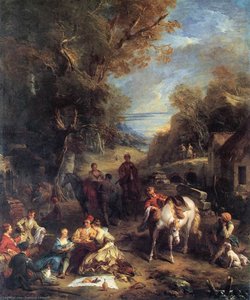
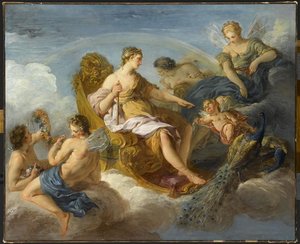
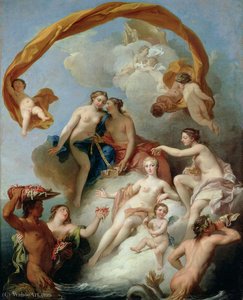
11Diana Returning from the Hunt (1729) de François LemoyneDiana Returning from the Hunt1729 · Musée Rodin 12Adam and Eve (1730) de François LemoyneAdam and Eve1730 13Saint John the Baptist (1726) de François LemoyneSaint John the Baptist1726 14A Vestal Virgin Tending Fire (1726) de François LemoyneA Vestal Virgin Tending Fire1726 · Minneapolis Institute of Art 15Amor and Psyche. (1730) de François LemoyneAmor and Psyche.1730 · Museu Czartoryski 16The Amorous Proposal (1725) de François LemoyneThe Amorous Proposal1725 17Louis XV offrant la Paix à l'Europe (1737) de François LemoyneLouis XV offrant la Paix à l'Europe1737 · Musée des Beaux-Arts de Strasbourg 18Christ Restoring Sight to a Blind Man (1850) de François LemoyneChrist Restoring Sight to a Blind Man1850 19Time Saving Truth from Falsehood and Envy (1737) de François LemoyneTime Saving Truth from Falsehood and Envy1737 · Wallace Collection 20Time Saving Truth from Falsehood and Envy (1737) de François LemoyneTime Saving Truth from Falsehood and Envy1737 · Wallace Collection 21Venus and Adonis de François LemoyneVenus and AdonisNationalmuseum 22HERCULE ET OMPHALE de François LemoyneHERCULE ET OMPHALEMuseu do Louvre 23Hunting Picnic (1723) de François LemoyneHunting Picnic1723 · Museu de Arte de São Paulo 24A Muse de François LemoyneA Muse 25Phaeton Driving the Chariot of Apollo, also called Summer de François LemoynePhaeton Driving the Chariot of Apollo, also called SummerMusee des Beaux-Arts 26Elymas the Sorcerer Struck with Blindness, sketch de François LemoyneElymas the Sorcerer Struck with Blindness, sketchNational Gallery of Ireland 27Putti with the Accoutrements of Mars de François LemoynePutti with the Accoutrements of MarsHarvard Art Museums 28The Love of Fishing de François LemoyneThe Love of Fishing 29L'APOTHEOSE D'HERCULE de François LemoyneL'APOTHEOSE D'HERCULE 30Esquisse du plafond du salon d'Hercule de François LemoyneEsquisse du plafond du salon d'Hercule 31LOUIS XV DONNANT LA PAIX A L'EUROPE de François LemoyneLOUIS XV DONNANT LA PAIX A L'EUROPE 32Persée délivrant Andromède de François LemoynePersée délivrant Andromède 33Bain de Diane de François LemoyneBain de DianeDallas Museum of Art 34Le Temps délivrant la Vérité de François LemoyneLe Temps délivrant la Vérité 35Head of King Louis XV de François LemoyneHead of King Louis XV 36L'Olympe de François LemoyneL'OlympeMuseu do Louvre 37Junon, Iris et Flore de François LemoyneJunon, Iris et FloreMuseu do Louvre 38The Apotheosis of Hercules (1736) de François LemoyneThe Apotheosis of Hercules1736 · Château de Versailles 39Four muses de François LemoyneFour muses 40The Toilet of Venus de François LemoyneThe Toilet of Venus 41Pygmalion Seeing His Statue Come to Life de François LemoynePygmalion Seeing His Statue Come to LifeMusée Des Beaux 42Diana and Callisto de François LemoyneDiana and CallistoMuseu de Arte do Condado de Los Angeles 43Andromeda on rocks de François LemoyneAndromeda on rocks 44Diana and Actaeon de François LemoyneDiana and Actaeon 45The Bather de François LemoyneThe BatherMuseu Hermitage 46LA GLORIFICATION DE LA VIERGE de François LemoyneLA GLORIFICATION DE LA VIERGEMuseu do Louvre 47Perseus and Andromeda (1723) de François LemoynePerseus and Andromeda1723 · Wallace Collection 48Narcissus (1728) de François LemoyneNarcissus1728 · Museu de Belas Artes de Lyon 49Continence of Scipio by François Lemoyne (1726) de François LemoyneContinence of Scipio by François Lemoyne1726 · Museu de Belas Artes de Nancy

Pinturas famosas de François Lemoyne, período por período

Os temas que cativaram o olhar de François Lemoyne

Os quatro temas que mais se repetem nestas obras originais, cada um com o seu melhor exemplo.

Os museus que guardam os originais de François Lemoyne

Os 8 museus que detêm a maioria das pinturas desta página.

Museus Cidade Obras de François Lemoyne Pinturas desta lista
Museu do Louvre, ParisMuseu do Louvre Paris 6 Hercules and Omphale, HERCULE ASSOMMANT CACUS, HERCULE ET OMPHALE
Wallace Collection, LondresWallace Collection Londres 3 Time Saving Truth from Falsehood and Envy, Time Saving Truth from Falsehood and Envy, Perseus and Andromeda
Château de Versailles, VersalhesChâteau de Versailles Versalhes 2 The Apotheosis of Hercules, The Apotheosis of Hercules
Minneapolis Institute of Art, MinneapolisMinneapolis Institute of Art Minneapolis 2 Cleopatra, A Vestal Virgin Tending Fire
Museu Hermitage, São PetersburgoMuseu Hermitage São Petersburgo 2 Messengers of Godfrey of Bouillon in Gardens of Armida, The Bather
Portland Art Museum, PortlandPortland Art Museum Portland 1 Latona and the Peasants of Lycia
Museum of Fine Arts, HoustonMuseum of Fine Arts Houston 1 The Adoration of the Magi
Hamburger Kunsthalle, HamburgoHamburger Kunsthalle Hamburgo 1 Narcissus.

François Lemoyne, uma pintura emblemática por década

Obras por década

Escolha uma década para ver a obra original que a define.

Pinturas de François Lemoyne: a galeria responde

Qual pintura de François Lemoyne é a mais famosa de todas?Revelar a resposta

The Apotheosis of Hercules (1736), Château de Versailles, Versalhes. Cleopatra (1725) e Messengers of Godfrey of Bouillon in Gardens of Armida (1735) vêm a seguir.

Qual era a idade de François Lemoyne ao concluir The Apotheosis of Hercules?Revelar a resposta

48 anos: The Apotheosis of Hercules data de 1736, e François Lemoyne nasceu em 1688.

Quais são as 10 principais pinturas de François Lemoyne?Revelar a resposta

The Apotheosis of Hercules, Cleopatra, Messengers of Godfrey of Bouillon in Gardens of Armida, Hercules and Omphale, HERCULE ASSOMMANT CACUS, Hercules Killing Cacus, Design for a Ceiling Painting, Latona and the Peasants of Lycia, The Adoration of the Magi e Narcissus.. O ranking acima apresenta o ano e o museu de cada uma.

Quantas obras François Lemoyne criou?Revelar a resposta

Nosso catálogo contém 51 obras de François Lemoyne, datadas de 1713 a 1737.

Onde estão expostos os originais mais famosos de François Lemoyne?Revelar a resposta

Principalmente em Museu do Louvre (Paris), Wallace Collection (Londres) e Château de Versailles (Versalhes). A tabela de museus acima lista todos eles.

Quando é que François Lemoyne criou as suas pinturas mais famosas?Revelar a resposta

Em 1720s: 12 das 49 obras nesta página foram feitas então, sendo Cleopatra delas.

Quais são as obras mais famosas de François Lemoyne no início e no fim de sua carreira?Revelar a resposta

Nesta página, a mais antiga é Design for a Ceiling Painting (1713) e a mais recente é Louis XV offrant la Paix à l'Europe (1737).

Quais temas François Lemoyne mais explorou?Revelar a resposta

Woman (11), Man (9) e Mythology (7), entre as 49 obras nesta página.

Em qual técnica François Lemoyne mais trabalhou?Revelar a resposta

Oil On Canvas, para 18 das 49 obras nesta página.

Com qual movimento François Lemoyne está associado(a)?Revelar a resposta

Rococo, a julgar pelos originais nesta página.

Quais obras originais de François Lemoyne o Museu do Louvre possui?Revelar a resposta

Hercules and Omphale, HERCULE ASSOMMANT CACUS e HERCULE ET OMPHALE: o Museu do Louvre, Paris detém 6 das obras desta página.

François Lemoyne: o artista

François Lemoyne: Um Legado Parisiense em Esplendor Rococó

François Lemoyne, um nome talvez menos imediato que o de seus contemporâneos Boucher ou Watteau, ocupa, contudo, uma posição significativa no rico tecido da arte francesa do século XVIII. Nascido em Paris em 1688, Lemoyne dedicou sua vida a reviver a grandiosidade da pintura alegórica em grande escala—uma tradição que havia diminuído um tanto desde a era de Charles Le Brun, a quem Lemoyne profundamente admirava e buscava emular. Sua ambição não era meramente decorar, mas criar obras imbuídas de peso intelectual e ressonância emocional, refletindo o espírito complexo do período Rococó, ao mesmo tempo que remetia a um ideal mais clássico. Desde seu treinamento inicial sob a tutela de seu padrasto, Robert le Vrac, e posteriormente no rigoroso ambiente da Académie Royale de peinture et de sculpture, Lemoyne demonstrou uma dedicação em dominar tanto a habilidade técnica quanto a expressão artística. Sua educação formal com Louis Galloche e Pierre-Jacques Cazes se mostrou formativa, particularmente no desenvolvimento de sua compreensão sutil da cor—uma característica que se tornaria cada vez mais proeminente ao longo de sua carreira. O cobiçado Prix de Rome em 1711 marcou um momento crucial, embora restrições financeiras tenham inicialmente atrasado sua jornada para a Itália; uma viagem que ele finalmente empreendeu em 1723 acompanhando François Berger.

Ecos Italianos e Florescências Rococó

A estadia na Itália provou ser transformadora para Lemoyne. Imerso nas obras dos mestres do Renascimento como Rafael, Correggio e Ticiano, absorveu suas técnicas e princípios estéticos, enriquecendo seu vocabulário artístico. No entanto, foi a energia dinâmica de Peter Paul Rubens que deixou uma marca indelével em seu estilo—evidente em suas paletas vibrantes e composições dramáticas. A exposição à pintura veneziana dentro da renomada coleção de Pierre Crozat refinou ainda mais seus sentidos, fomentando um amor por texturas ricas e efeitos atmosféricos. Essas influências se condensaram em uma estética rococó distinta caracterizada pela elegância, ornamentação e foco na beleza decorativa. No entanto, Lemoyne nunca abandonou completamente a ambição de narrativa grandiosa que definia a pintura acadêmica francesa anterior; ele buscou sintetizar esses elementos aparentemente díspares—a leveza e a graça do Rococó com o rigor intelectual da tradição clássica. Essa mistura única é o que diferencia seu trabalho e contribui para seu apelo duradouro.

Versalhes e Reconhecimento Real

A proeza artística de Lemoyne encontrou sua expressão mais espetacular em seus monumentais afrescos de teto, notavelmente L'Apothéose d'Hercule (A Apoteose de Hércules) no Salon d’Hercule dentro do Palácio de Versalhes. Esta obra-prima—um deslumbrante display de técnica ilusionista e composição dinâmica—garimpou imediatamente amplo reconhecimento. Contemporâneos como Voltaire e o Cardeal Fleury elogiaram sua brilhantidade, reconhecendo Lemoyne como um mestre de sua arte. Além de Versalhes, ele também empreendeu importantes encomendas religiosas, como A Transfiguração no chancel da Igreja dos Jacobinos (agora Igreja Paroquial de St. Thomas d’Aquin) em Paris, demonstrando sua versatilidade e capacidade de adaptar seu estilo a diferentes assuntos. Em 1736, Lemoyne atingiu o auge de sua carreira com sua nomeação como Premier peintre du roi (Primeiro Pintor do Rei) sob Luís XV—um testemunho de suas realizações artísticas e posição na corte francesa.

Um Fim Trágico e Influência Duradoura

Apesar de ter alcançado tais alturas, a vida de Lemoyne foi tragicamente interrompida por suicídio em 1737. Sua morte prematura não apenas marcou uma perda pessoal, mas também sinalizou uma mudança nas preferências artísticas; coincidiu com um declínio na popularidade dos afrescos de teto alegóricos em grande escala que ele tanto defendeu apaixonadamente. No entanto, seu legado perdurou por meio de seus alunos, incluindo artistas proeminentes como Charles-Joseph Natoire e François Boucher, a quem transmitiu seu conhecimento e habilidades. Embora talvez não seja tão universalmente celebrado hoje quanto alguns de seus contemporâneos, as contribuições de Lemoyne para a arte rococó francesa são cada vez mais apreciadas por sua maestria técnica, ambição artística e a síntese única de ideais clássicos com as sensibilidades estéticas prevalecentes de sua época. Suas obras permanecem um testemunho de um artista dedicado que buscou elevar a pintura à sua forma mais elevada—um legado que continua a inspirar e cativar o público séculos depois.

Obras Chave & Contribuições Artísticas

  • Afrescos de Teto: As realizações mais celebradas de Lemoyne, exemplificadas por L'Apothéose d'Hercule, demonstram sua maestria das técnicas ilusionistas e composição dinâmica.
  • Cenas Mitológicas: Obras como Hércules e Omphale demonstram sua capacidade de retratar narrativas clássicas com intensidade dramática e graça sensual.
  • Pinturas Religiosas: A Transfiguração exemplifica sua habilidade em representar assuntos religiosos com profundidade emocional e precisão técnica.
  • Retratos: Seu retrato do Cabeça do Rei Luís XV, revela uma compreensão sutil de caráter e um domínio das técnicas de carvão e pastel.