

 Visualizar em escala
 Enviar
 Compartilhar
 Ver detalhes
 Guia de Obras do Aluno

 Baixar imagem
 Semelhantes
 Raio X
 Apresentação de slides
 Estatísticas
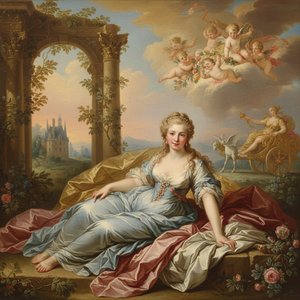
Hunting Picnic
 Oil On Canvas
- WallArt
- Baroque Rococo
 1723
1723 233.0 x 185.0 cm
 Museu de Arte de São Paulo
 Ver mais
Reprodução em Óleo Feita à Mão
Óleo sobre tela pintado à mão no tamanho e moldura de sua escolha, feito sob encomenda pelos nossos artistas. ( Alternar para Impressão Ver Imagem Digital)




P118B €10

P118H €10

P118W €10

P438Z €10

P508JH €12

P508YH €12

P805H €10

P805Z €10

P919BZ €10

P919G €10

P919XJ €10

P959ZH €10

P968JZ €12

W106C €8

W218G €10

W218JH €8

W218Y €10

W307PJ €10

W316G €10

W316PJ €8

W316Y €10

W398PJ €8

W4111J €10

W500HY €15

W500JH €15

W692G €12

W849H €8

W940BG €15

W953PJ €8




Escolha entre os nossos tamanhos pré-definidos que respeitam as proporções originais da obra de arte.

Pode inserir as suas próprias dimensões para se adequar a uma moldura ou espaço específico. Se o tamanho selecionado não corresponder às proporções da imagem original, iremos cortar a obra de arte ou estender a pintura com elementos adicionais pintados à mão. Um esboço digital será enviado para sua aprovação antes do início da produção.
Tenha em atenção que a pré-visualização no ecrã não reflete o corte ou extensão real. Apenas o esboço mostrará com precisão a composição final.
Embora tamanhos personalizados estejam disponíveis, recomendamos selecionar uma dimensão da lista predefinida para preservar as proporções originais.
Após o pedido, a equipa OriginalUniqueArt.com enviará um e-mail ao cliente para solicitar instruções e fornecer uma prévia do esboço.
Entrega mundial () em 3 a 4 semanas, em vez das 5 semanas padrão. (11 Outubro). Sem comprometer a qualidade.

Envio expresso gratuito para todo o mundo

Tela de Linho Premium

Seguro de transporte total

Garantia de Reembolso de Impostos Alfandegários

Garantia de Fidelidade de Cor

Política de Devolução em 100 Dias (Apenas para Defeitos)

Garantia de reembolso de 100%

Desconto para múltiplas unidades
 A opção de vidro está disponível apenas para tamanhos inferiores a 110 cm

Hunting Picnic
Técnica de Reprodução
Dimensões da Reprodução
-


Preço Total
€ 259
A Moment of Leisure: "Hunting Picnic" by François Lemoyne
François Lemoyne’s “Hunting Picnic,” painted in 1723, offers a captivating glimpse into the aristocratic leisure activities of 18th-century France – a world where the pursuit of game intertwined seamlessly with refined social gatherings. Measuring an impressive 233 x 185 cm, this oil on canvas work immediately draws the viewer into a scene brimming with vibrant energy and carefully orchestrated detail. The composition centers around a horse-drawn carriage, a symbol of status and mobility, alongside a gentleman in striking red attire – a bold statement against the verdant landscape. This isn’t merely a depiction of hunting; it's an embodiment of Rococo ideals: a celebration of beauty, pleasure, and the cultivated life.
- Subject Matter: The painting portrays a hunting picnic, showcasing a group of individuals enjoying the fruits of their pursuit amidst a picturesque rural setting.
- Key Figures: A prominent gentleman in red dominates the foreground, likely representing the host or a key participant in the hunt, while other figures are scattered throughout the scene, adding to the sense of social interaction and activity.
- Animal Presence: Two horses are prominently featured – one near the center, suggesting the immediate aftermath of the hunt, and another on the right, possibly accompanying the hunters or serving as a companion. A dog is also present, reinforcing the theme of companionship and skill.
Rococo Grandeur and Lemoyne’s Vision
François Lemoyne was a pivotal figure in the revival of large-scale allegorical painting during the Rococo period. Influenced by the legacy of Charles Le Brun, he sought to recapture the grandeur and intellectual depth of classical art while embracing the distinctive characteristics of the Rococo style – characterized by its emphasis on elegance, frivolity, and emotional expression. “Hunting Picnic” exemplifies this ambition; it’s not simply a charming pastoral scene but a carefully constructed tableau designed to evoke feelings of pleasure, sophistication, and aristocratic privilege. Lemoyne's meticulous attention to detail, evident in the rendering of fabrics, textures, and facial expressions, demonstrates his mastery of technique and his commitment to creating works that were both visually stunning and intellectually stimulating.
Historical Context: The painting reflects the tastes of the French aristocracy during the reign of Louis XV, a period marked by lavish spending, elaborate social rituals, and a passion for outdoor pursuits. Hunting was not just a sport but a symbol of status and power, and picnics offered an opportunity to display wealth and cultivate relationships.Technique and Artistic Style
Lemoyne’s brushwork is remarkably fluid and expressive, contributing significantly to the painting's lively atmosphere. He employs a technique known as *alla prima*, meaning “at first sight,” which involves applying paint directly to the canvas in relatively thin layers, allowing for quick changes of tone and texture. This approach results in a sense of immediacy and spontaneity that captures the dynamism of the scene. The use of color is particularly noteworthy – rich greens, blues, and reds create a vibrant palette that enhances the painting’s visual impact. The artist's skillful handling of light and shadow further adds to the depth and realism of the composition.
Symbolism and Emotional Impact
"Hunting Picnic" transcends a simple depiction of leisure; it is laden with symbolic meaning. The red clothing worn by the central figure, for example, could represent passion, courage, or even royalty. The horses symbolize strength and nobility, while the overall scene evokes a sense of harmony between humanity and nature. The painting’s emotional impact lies in its ability to transport the viewer to another time and place – a world of refined pleasure, social connection, and the beauty of the French countryside. This artwork is a testament to Lemoyne's artistic skill and his understanding of the cultural values of his era.
Perguntas e Respostas
Quem é o artista por trás de "Hunting Picnic"?
"Hunting Picnic" foi criado por François Lemoyne. As informações nesta página descrevem a obra original de François Lemoyne.
Onde "Hunting Picnic" se posiciona entre os temas recorrentes de François Lemoyne?
Entre os temas registrados de François Lemoyne — le brun influence, rococo leisure themes, courtly aristocratic scene, lemoyne’s allegorical style, significant early work — "Hunting Picnic" traz seu próprio foco em hunting picnic, rococo painting, french art, lemoyne artwork, 18th century scene, horse drawn carriage, elegant gathering.
Qual é o tamanho da obra original "Hunting Picnic"?
A obra original "Hunting Picnic" de François Lemoyne mede 233 x 185 cm.
Qual era a idade de François Lemoyne ao criar "Hunting Picnic" em 1723?
François Lemoyne criou "Hunting Picnic" aos 35 anos. O artista nasceu em 1688 e a obra data de 1723.
Que atmosfera uma reprodução de "Hunting Picnic" de François Lemoyne traria para um ambiente?
Com sua atmosfera Romantic, "Hunting Picnic" é sugerida para um(a) Living Room.
Qual é a identidade cromática de "Hunting Picnic" de François Lemoyne?
A identidade cromática de "Hunting Picnic" de François Lemoyne: uma paleta Earthy, dominada por Rosy Brown (#a5a79d).
Qual é a data de criação de "Hunting Picnic" de François Lemoyne?
"Hunting Picnic" data de 1723. A data situa a obra na carreira de François Lemoyne e em sua época.
Biografia do Artista
François Lemoyne: Um Legado Parisiense em Esplendor Rococó
François Lemoyne, um nome talvez menos imediato que o de seus contemporâneos Boucher ou Watteau, ocupa, contudo, uma posição significativa no rico tecido da arte francesa do século XVIII. Nascido em Paris em 1688, Lemoyne dedicou sua vida a reviver a grandiosidade da pintura alegórica em grande escala—uma tradição que havia diminuído um tanto desde a era de Charles Le Brun, a quem Lemoyne profundamente admirava e buscava emular. Sua ambição não era meramente decorar, mas criar obras imbuídas de peso intelectual e ressonância emocional, refletindo o espírito complexo do período Rococó, ao mesmo tempo que remetia a um ideal mais clássico. Desde seu treinamento inicial sob a tutela de seu padrasto, Robert le Vrac, e posteriormente no rigoroso ambiente da Académie Royale de peinture et de sculpture, Lemoyne demonstrou uma dedicação em dominar tanto a habilidade técnica quanto a expressão artística. Sua educação formal com Louis Galloche e Pierre-Jacques Cazes se mostrou formativa, particularmente no desenvolvimento de sua compreensão sutil da cor—uma característica que se tornaria cada vez mais proeminente ao longo de sua carreira. O cobiçado Prix de Rome em 1711 marcou um momento crucial, embora restrições financeiras tenham inicialmente atrasado sua jornada para a Itália; uma viagem que ele finalmente empreendeu em 1723 acompanhando François Berger.Ecos Italianos e Florescências Rococó
A estadia na Itália provou ser transformadora para Lemoyne. Imerso nas obras dos mestres do Renascimento como Rafael, Correggio e Ticiano, absorveu suas técnicas e princípios estéticos, enriquecendo seu vocabulário artístico. No entanto, foi a energia dinâmica de Peter Paul Rubens que deixou uma marca indelével em seu estilo—evidente em suas paletas vibrantes e composições dramáticas. A exposição à pintura veneziana dentro da renomada coleção de Pierre Crozat refinou ainda mais seus sentidos, fomentando um amor por texturas ricas e efeitos atmosféricos. Essas influências se condensaram em uma estética rococó distinta caracterizada pela elegância, ornamentação e foco na beleza decorativa. No entanto, Lemoyne nunca abandonou completamente a ambição de narrativa grandiosa que definia a pintura acadêmica francesa anterior; ele buscou sintetizar esses elementos aparentemente díspares—a leveza e a graça do Rococó com o rigor intelectual da tradição clássica. Essa mistura única é o que diferencia seu trabalho e contribui para seu apelo duradouro.Versalhes e Reconhecimento Real
A proeza artística de Lemoyne encontrou sua expressão mais espetacular em seus monumentais afrescos de teto, notavelmente L'Apothéose d'Hercule (A Apoteose de Hércules) no Salon d’Hercule dentro do Palácio de Versalhes. Esta obra-prima—um deslumbrante display de técnica ilusionista e composição dinâmica—garimpou imediatamente amplo reconhecimento. Contemporâneos como Voltaire e o Cardeal Fleury elogiaram sua brilhantidade, reconhecendo Lemoyne como um mestre de sua arte. Além de Versalhes, ele também empreendeu importantes encomendas religiosas, como A Transfiguração no chancel da Igreja dos Jacobinos (agora Igreja Paroquial de St. Thomas d’Aquin) em Paris, demonstrando sua versatilidade e capacidade de adaptar seu estilo a diferentes assuntos. Em 1736, Lemoyne atingiu o auge de sua carreira com sua nomeação como Premier peintre du roi (Primeiro Pintor do Rei) sob Luís XV—um testemunho de suas realizações artísticas e posição na corte francesa.Um Fim Trágico e Influência Duradoura
Apesar de ter alcançado tais alturas, a vida de Lemoyne foi tragicamente interrompida por suicídio em 1737. Sua morte prematura não apenas marcou uma perda pessoal, mas também sinalizou uma mudança nas preferências artísticas; coincidiu com um declínio na popularidade dos afrescos de teto alegóricos em grande escala que ele tanto defendeu apaixonadamente. No entanto, seu legado perdurou por meio de seus alunos, incluindo artistas proeminentes como Charles-Joseph Natoire e François Boucher, a quem transmitiu seu conhecimento e habilidades. Embora talvez não seja tão universalmente celebrado hoje quanto alguns de seus contemporâneos, as contribuições de Lemoyne para a arte rococó francesa são cada vez mais apreciadas por sua maestria técnica, ambição artística e a síntese única de ideais clássicos com as sensibilidades estéticas prevalecentes de sua época. Suas obras permanecem um testemunho de um artista dedicado que buscou elevar a pintura à sua forma mais elevada—um legado que continua a inspirar e cativar o público séculos depois.Obras Chave & Contribuições Artísticas
- Afrescos de Teto: As realizações mais celebradas de Lemoyne, exemplificadas por L'Apothéose d'Hercule, demonstram sua maestria das técnicas ilusionistas e composição dinâmica.
- Cenas Mitológicas: Obras como Hércules e Omphale demonstram sua capacidade de retratar narrativas clássicas com intensidade dramática e graça sensual.
- Pinturas Religiosas: A Transfiguração exemplifica sua habilidade em representar assuntos religiosos com profundidade emocional e precisão técnica.
- Retratos: Seu retrato do Cabeça do Rei Luís XV, revela uma compreensão sutil de caráter e um domínio das técnicas de carvão e pastel.

François Lemoyne
1688 - 1737 , França
Informações Rápidas
- Artistas Influenciados:
- Boucher
- Natoire
- Artistas Que Influenciaram:
- Rubens
- Raphael
- Correggio
- Titian
- Data De Morte: 1737
- Data De Nascimento: 1688
- Local De Nascimento: Paris, França
- Movimento Artístico: Rococó
- Nacionalidade: Francês
- Nome Completo: François Lemoyne
- Obras Notáveis:
- A Apoteose de Hércules
- Hércules e Omphale
- Perseu e Andrômeda
- Transfiguração
Artigos Relacionados

Rococó: 10 Obras-Primas que Definiram um Movimento Artístico Elegante | OriginalUniqueArt.com
Descubra as 10 obras-primas do Rococó! Explore a elegância de Fragonard, Boucher e Watteau. A arte do século XVIII ganha vida com cores pastel e detalhes luxuosos. Encontre reproduções de alta qualidade em OriginalUniqueArt.com.
François Boucher: Rococo Master of Myth, Sensuality, and the French Court
Explore the captivating world of François Boucher, master of Rococo painting! Discover his iconic works, aristocratic patronage, and lasting influence on French art history. Learn more at OriginalUniqueArt.

The Enduring Legacy of Fine Art Prints: Technique, History & Aesthetic Impact
Explore the rich history & techniques of fine art prints. Discover investment potential, assess authenticity, and learn how to preserve your collection with expert guidance. Trusted insights for discerning collectors.

The Rococo Aesthetic: Opulence, Rebellion & the Pursuit of Pleasure in 18th-Century Art
Explore the opulent world of Rococo art! Discover its origins, key artists like Watteau & Boucher, and lasting influence on design. Expert insights for collectors & enthusiasts.

Giclée Prints: Archival Quality & Aesthetic Nuances for the Discerning Collector
Explore the world of giclée prints with OriginalUniqueArt. Learn about archival quality, aesthetic nuances & investment potential. Expert guidance for discerning art collectors seeking museum-quality reproductions and lasting value.