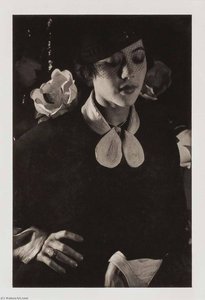
Retrato de Carl Van Vechten

Pinturas de Carl Van Vechten: As 41 mais famosas, sob o olhar de uma galeria

Atualizado em Novembro 2026 · classificado pela nossa pontuação de popularidade (pesquisas, visitas e pedidos de cada obra) · 41 obras de Carl Van Vechten em nosso catálogo

Em resumo

Aos olhos da galeria, a pintura mais famosa de Carl Van Vechten é Rose McClendon, from the unrealized portfolio Noble Black Women The Harlem Renaissance and After (1983). Portrait of Frida Kahlo and Diego Rivera (1932) e Joe Louis, from the portfolio O Write My Name American Portraits, Harlem Heroes (1983) completam o trio que todos reconhecem. Dos 41 trabalhos de Carl Van Vechten em nosso catálogo, a galeria apresenta abaixo as 41 obras mais famosas, cada uma original, com seu ano, seu museu e o que a torna única.

1880 – 1964, Cedar Rapids Harlem renaissance Mais obras: Archives of American Art

As 10 principais pinturas de Carl Van Vechten na galeria

1
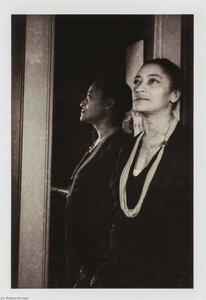
Rose McClendon, from the unrealized portfolio Noble Black Women The Harlem Renaissance and After (1983) de Carl Van Vechten

Rose McClendon, from the unrealized portfolio Noble Black Women The Harlem Renaissance and After

1983 · Black and White Photography

Two women stand poised before a doorway, their presence commanding the frame with a quiet, dignified grace. The scene is captured in monochrome, a world of deep blacks and luminous whites that strips away the distraction of color to focus on the essence of form. They are positioned on either side of the entrance, creating a balanced arrangement that draws the eye toward the dark, receding space behind them. There…

2
Portrait of Frida Kahlo and Diego Rivera (1932) de Carl Van Vechten

Portrait of Frida Kahlo and Diego Rivera

1932 · Black and White Photography · Archives of American Art, Washington, D.C.

In this evocative black and white photograph captured by the legendary Carl Van Vechten in 1932, we are granted a rare, unvarnished glimpse into the private world of two of the twentieth century's most formidable artistic icons. The portrait features Frida Kahlo and Diego Rivera standing side by side, caught in a quiet moment of togetherness that transcends the mere act of posing for a camera. There is an undeniable…

Pinturas de Carl Van Vechten, classificadas de 11 a 41

11W.E.B. DuBois, from the portfolio O Write My Name American Portraits, Harlem Heroes (1983) de Carl Van VechtenW.E.B. DuBois, from the portfolio O Write My Name American Portraits, Harlem Heroes1983 12Romaine Brooks (1936) de Carl Van VechtenRomaine Brooks1936 13Josh White, from the portfolio O Write My Name American Portraits, Harlem Heroes (1983) de Carl Van VechtenJosh White, from the portfolio O Write My Name American Portraits, Harlem Heroes1983 14Bill Bojangles Robinson, from the portfolio O Write My Name American Portraits, Harlem Heroes (1983) de Carl Van VechtenBill Bojangles Robinson, from the portfolio O Write My Name American Portraits, Harlem Heroes1983 15Jacob Lawrence, from the portfolio O Write My Name American Portraits, Harlem Heroes (1983) de Carl Van VechtenJacob Lawrence, from the portfolio O Write My Name American Portraits, Harlem Heroes1983 16John W. Bubbles, from the portfolio O Write My Name American Portraits, Harlem Heroes (1983) de Carl Van VechtenJohn W. Bubbles, from the portfolio O Write My Name American Portraits, Harlem Heroes1983 17Ossie Davis, from the portfolio O Write My Name American Portraits, Harlem Heroes (1983) de Carl Van VechtenOssie Davis, from the portfolio O Write My Name American Portraits, Harlem Heroes1983 18Ruby Elzy, from the unrealized portfolio Noble Black Women The Harlem Renaissance and After (1983) de Carl Van VechtenRuby Elzy, from the unrealized portfolio Noble Black Women The Harlem Renaissance and After1983 19Horace Pippin, from the portfolio O Write My Name American Portraits, Harlem Heroes (1983) de Carl Van VechtenHorace Pippin, from the portfolio O Write My Name American Portraits, Harlem Heroes1983 20Althea Gibson, from the unrealized portfolio Noble Black Women The Harlem Renaissance and After (1983) de Carl Van VechtenAlthea Gibson, from the unrealized portfolio Noble Black Women The Harlem Renaissance and After1983 21Nora Holt, from the unrealized portfolio Noble Black Women The Harlem Renaissance and After (1983) de Carl Van VechtenNora Holt, from the unrealized portfolio Noble Black Women The Harlem Renaissance and After1983 22Lena Horne, from the unrealized portfolio Noble Black Women The Harlem Renaissance and After (1983) de Carl Van VechtenLena Horne, from the unrealized portfolio Noble Black Women The Harlem Renaissance and After1983 23Ella Fitzgerald, from the unrealized portfolio Noble Black Women The Harlem Renaissance and After (1983) de Carl Van VechtenElla Fitzgerald, from the unrealized portfolio Noble Black Women The Harlem Renaissance and After1983 24Fredi Washington, from the unrealized portfolio Noble Black Women The Harlem Renaissance and After (1983) de Carl Van VechtenFredi Washington, from the unrealized portfolio Noble Black Women The Harlem Renaissance and After1983 25James Weldon Johnson, from the portfolio O Write My Name American Portraits, Harlem Heroes (1983) de Carl Van VechtenJames Weldon Johnson, from the portfolio O Write My Name American Portraits, Harlem Heroes1983 26Mahalia Jackson, from the unrealized portfolio Noble Black Women The Harlem Renaissance and After (1983) de Carl Van VechtenMahalia Jackson, from the unrealized portfolio Noble Black Women The Harlem Renaissance and After1983 27Bessie Smith, from the unrealized portfolio Noble Black Women The Harlem Renaissance and After (1983) de Carl Van VechtenBessie Smith, from the unrealized portfolio Noble Black Women The Harlem Renaissance and After1983 28Maxine Sullivan, from the unrealized portfolio Noble Black Women The Harlem Renaissance and After (1983) de Carl Van VechtenMaxine Sullivan, from the unrealized portfolio Noble Black Women The Harlem Renaissance and After1983 29Richard Wright, from the portfolio O Write My Name American Portraits, Harlem Heroes (1983) de Carl Van VechtenRichard Wright, from the portfolio O Write My Name American Portraits, Harlem Heroes1983 30Ella Fitzgerald, from the portfolio O Write My Name American Portraits, Harlem Heroes (1983) de Carl Van VechtenElla Fitzgerald, from the portfolio O Write My Name American Portraits, Harlem Heroes1983 31Eslanda G. Robeson, from the unrealized portfolio Noble Black Women The Harlem Renaissance and After (1983) de Carl Van VechtenEslanda G. Robeson, from the unrealized portfolio Noble Black Women The Harlem Renaissance and After1983 32Romare Bearden, from the portfolio O Write My Name American Portraits, Harlem Heroes (1983) de Carl Van VechtenRomare Bearden, from the portfolio O Write My Name American Portraits, Harlem Heroes1983 33Howard Swanson, from the portfolio O Write My Name American Portraits, Harlem Heroes (1983) de Carl Van VechtenHoward Swanson, from the portfolio O Write My Name American Portraits, Harlem Heroes1983 34Mary McLeod Bethune, from the unrealized portfolio Noble Black Women The Harlem Renaissance and After (1983) de Carl Van VechtenMary McLeod Bethune, from the unrealized portfolio Noble Black Women The Harlem Renaissance and After1983 35Zora Neale Hurston, from the unrealized portfolio Noble Black Women The Harlem Renaissance and After (1983) de Carl Van VechtenZora Neale Hurston, from the unrealized portfolio Noble Black Women The Harlem Renaissance and After1983 36Esther Perkins, from the unrealized portfolio Noble Black Women The Harlem Renaissance and After (1983) de Carl Van VechtenEsther Perkins, from the unrealized portfolio Noble Black Women The Harlem Renaissance and After1983 37Ada Bricktop Smith, from the unrealized portfolio Noble Black Women The Harlem Renaissance and After (1983) de Carl Van VechtenAda Bricktop Smith, from the unrealized portfolio Noble Black Women The Harlem Renaissance and After1983 38Langston Hughes, from the portfolio O Write My Name American Portraits, Harlem Heroes (1983) de Carl Van VechtenLangston Hughes, from the portfolio O Write My Name American Portraits, Harlem Heroes1983 39Leontyne Price, from the unrealized portfolio Noble Black Women The Harlem Renaissance and After (1983) de Carl Van VechtenLeontyne Price, from the unrealized portfolio Noble Black Women The Harlem Renaissance and After1983 40Ethel Waters, from the unrealized portfolio Noble Black Women The Harlem Renaissance and After (1983) de Carl Van VechtenEthel Waters, from the unrealized portfolio Noble Black Women The Harlem Renaissance and After1983 41Dorothy Peterson, from the unrealized portfolio Noble Black Women The Harlem Renaissance and After (1983) de Carl Van VechtenDorothy Peterson, from the unrealized portfolio Noble Black Women The Harlem Renaissance and After1983

Os temas que cativaram o olhar de Carl Van Vechten

Os quatro temas que mais se repetem nestas obras originais, cada um com o seu melhor exemplo.

Os museus que guardam os originais de Carl Van Vechten

O museu que detém a maioria das pinturas desta página.

Museus Cidade Obras de Carl Van Vechten Pinturas desta lista
Archives of American Art, Washington, D.C.Archives of American Art Washington, D.C. 1 Portrait of Frida Kahlo and Diego Rivera

Carl Van Vechten, as pinturas emblemáticas de cada ano

5 anos, de 1932 a 1936, apresentam toda a carreira datada de Carl Van Vechten nesta página: uma trajetória breve, vista aqui ano a ano através das suas originais mais famosas.

Obras por ano

Escolha um ano para ver as obras originais.

Pinturas de Carl Van Vechten: a galeria responde

Qual pintura de Carl Van Vechten é a mais famosa de todas?Revelar a resposta

Rose McClendon, from the unrealized portfolio Noble Black Women The Harlem Renaissance and After (1983). Portrait of Frida Kahlo and Diego Rivera (1932) e Joe Louis, from the portfolio O Write My Name American Portraits, Harlem Heroes (1983) vêm a seguir.

Quais são as 10 principais pinturas de Carl Van Vechten?Revelar a resposta

Rose McClendon, from the unrealized portfolio Noble Black Women The Harlem Renaissance and After, Portrait of Frida Kahlo and Diego Rivera, Joe Louis, from the portfolio O Write My Name American Portraits, Harlem Heroes, James Baldwin, from the portfolio O Write My Name American Portraits, Harlem Heroes, Paul Robeson, from the portfolio O Write My Name American Portraits, Harlem Heroes, Charles S. Johnson, from the portfolio O Write My Name American Portraits, Harlem Heroes, Ralph Bunche, from the portfolio O Write My Name American Portraits, Harlem Heroes, Margaret Walker, from the portfolio O Write My Name American Portraits, Harlem Heroes, Altonell Hines, from the unrealized portfolio Noble Black Women The Harlem Renaissance and After e Katherine Dunham, from the unrealized portfolio Noble Black Women The Harlem Renaissance and After. O ranking acima apresenta o ano e o museu de cada uma.

Quantas obras Carl Van Vechten criou?Revelar a resposta

Nosso catálogo contém 41 obras de Carl Van Vechten, datadas de 1932 a 1936.

Onde estão expostos os originais mais famosos de Carl Van Vechten?Revelar a resposta

Principalmente em Archives of American Art (Washington, D.C.). A tabela de museus acima lista todos eles.

Quais são as obras mais famosas de Carl Van Vechten no início e no fim de sua carreira?Revelar a resposta

Nesta página, a mais antiga é Portrait of Frida Kahlo and Diego Rivera (1932) e a mais recente é Romaine Brooks (1936).

Quais temas Carl Van Vechten mais explorou?Revelar a resposta

Women (17), Portraits (13) e Portraiture (4), entre as 41 obras nesta página.

Em qual técnica Carl Van Vechten mais trabalhou?Revelar a resposta

Black and White Photography, para 2 das 41 obras nesta página.

Com qual movimento Carl Van Vechten está associado(a)?Revelar a resposta

Harlem renaissance e Documentary photography, a julgar pelos originais nesta página.

Carl Van Vechten: o artista

A Life Intertwined with the Avant-Garde

Carl Van Vechten, a name resonating through the annals of early 20th-century American culture, was far more than simply a writer or photographer. He was a cultural catalyst, a passionate patron, and an astute observer who navigated the vibrant currents of modernism with remarkable energy. Born in Cedar Rapids, Iowa, in 1880, into a family that valued both intellectual pursuits and artistic expression—his mother founded the local library and possessed musical talent—Van Vechten’s early life laid the foundation for his multifaceted career. His initial passions leaned towards music and theatre, but it was through writing that he first found his voice, initially as “The Chaperone,” a columnist known for its semi-autobiographical gossip and sharp criticism in Chicago. This marked the beginning of a lifelong engagement with public discourse and artistic commentary. A move to New York City in 1906 solidified his position within the burgeoning cultural landscape, leading to a role as an assistant music critic at *The New York Times*.

From Literary Critic to Champion of Modernity

Van Vechten’s intellectual curiosity propelled him beyond traditional criticism. He embarked on journeys to Europe, immersing himself in the world of opera and forging connections that would shape his artistic sensibilities. It was during this period he met Mabel Dodge Luhan, a pivotal figure who introduced him to the heart of the avant-garde movement. This introduction led to a profound friendship with Gertrude Stein, a relationship that would profoundly influence Van Vechten’s own work and ultimately lead to his role as her literary executor. He became a devoted advocate for Stein's experimental writing, even penning “How to Read Gertrude Stein” in an attempt to demystify her often challenging prose. His involvement with figures like Isadora Duncan, Anna Pavlova, and Loie Fuller further cemented his position as a champion of modern dance and performance art—a realm where he actively sought to push boundaries and redefine artistic conventions. He wasn’t merely observing these movements; he was actively participating in their evolution, fostering dialogue and providing crucial support for artists striving to express themselves authentically. This period witnessed a significant transformation from focused literary critique into an embrace of broader artistic exploration.

Photography and the Harlem Renaissance

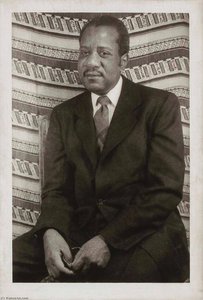
The 1930s marked a decisive turning point in Van Vechten’s artistic trajectory with his newfound fascination for photography, utilizing a Leica camera to capture portraits of his extensive network of friends and acquaintances—artists, writers, performers—with an intimacy and immediacy that resonated deeply. However, it was his engagement with the Harlem Renaissance that truly defined this phase of his career. Van Vechten became a dedicated patron and documentarian of African American artistic expression, leveraging his influence to elevate the voices of emerging talents like Langston Hughes, Zora Neale Hurston, and Bessie Smith. His photographs offer invaluable glimpses into the lives and creative energies of these artists, presenting them not as subjects for study but as individuals brimming with vitality and ambition. Simultaneously, he championed Stein’s groundbreaking literary innovations, recognizing her courage in challenging established norms and experimenting with unconventional stylistic approaches. This unwavering commitment to artistic innovation extended beyond his photographic endeavors; it permeated his entire worldview—a perspective shaped by a desire to confront societal prejudices and celebrate the richness of diverse cultural experiences.
A Complex Legacy

Van Vechten’s personal life mirrored this adventurous spirit, characterized by relationships that defied conventional expectations. His marriage to Fania Marinoff, an actress with progressive social views, was a long and enduring partnership—yet it coexisted alongside connections with men, notably Mark Lutz. The voluminous correspondence between Van Vechten and Lutz—approximately 10,000 letters—revealed glimpses into his innermost thoughts and feelings, hinting at the hidden depths beneath his outwardly polished persona. His willingness to challenge societal norms transcended artistic pursuits, establishing him as a figure both admired and scrutinized during his lifetime. Today, Carl Van Vechten’s enduring influence resides in his pioneering role as a photographer documenting the Harlem Renaissance and his steadfast advocacy for Gertrude Stein's experimental writing—a testament to his conviction that art should provoke contemplation and inspire transformative change. He remains a pivotal figure in understanding the cultural landscape of early 20th-century America, an artist whose life was irrevocably intertwined with the avant-garde movements that continue to shape our artistic sensibilities.