Retrato de Antonio De Pereda

As 21 Pinturas Mais Famosas de Antonio De Pereda, uma Seleção da Galeria

Atualizado em Novembro 2026 · classificado pela nossa pontuação de popularidade (pesquisas, visitas e pedidos de cada obra) · 21 obras de Antonio De Pereda em nosso catálogo

Em resumo

De todas as obras originais deixadas por Antonio De Pereda, a mais famosa é Christ as the Man of Sorrows (1641), da coleção do Museu do Prado, em Madrid. Logo atrás vêm The Annunciation (1637) e San Alberto de Sicilia (1670). Nosso catálogo contém 21 obras de Antonio De Pereda; a galeria preservou as 21 que o mundo mais admira, cada uma exibida com sua data, seu museu e sua história.

1611 – 1678, Valladolid Baroque Mais obras: Museu do Prado

As 10 principais pinturas de Antonio De Pereda: a escolha da galeria

1
Christ as the Man of Sorrows (1641) de Antonio De Pereda

Christ as the Man of Sorrows

1641 · Oil On Canvas · Museu do Prado, Madrid

The darkness of the background presses inward, pushing the figure of Christ into a sudden, sharp relief. He clings to a dark, textured wooden pillar, his body angled slightly to the left as he seeks support. The light emerges from the upper left, washing over his pale skin and the deep crimson of his draped cloth, leaving the rest of the scene in heavy shadow. Every detail of his physical…

2
The Annunciation (1637) de Antonio De Pereda

The Annunciation

1637 · Oil On Canvas · Museu do Prado, Madrid

In this religious work from 1637, a divine encounter unfolds within a celestial space. The Archangel Gabriel appears to Mary, bringing news that will change the course of existence. High above the earthly realm, God the Father watches over the scene, his presence felt through the light that descends from the heavens. A ray of light pierces the atmosphere, carrying the Dove of the Holy Spirit toward the Virgin. This…

3
San Alberto de Sicilia (1670) de Antonio De Pereda

San Alberto de Sicilia

1670 · Oil On Canvas · Museu do Prado, Madrid

In this vertical half-length portrait, we encounter San Alberto de Sicilia in a moment of profound, quiet contemplation. The subject is positioned slightly off-center, his gaze directed upward and to the left, as if caught in a private dialogue with the divine. There is a certain weight to his presence, conveyed through the heavy, rhythmic folds of his white monastic habit. The fabric appears thick and tactile, its volume defined…

4
Saint Angel from Jerusalem (1667) de Antonio De Pereda

Saint Angel from Jerusalem

1667 · Oil · Museu do Prado, Madrid

The Presence of Martyrdom A half-length portrait of Saint Angel from Jerusalem emerges from a dark, muted brownish-grey void. The figure, a man with dark hair, a mustache, and a short beard, meets the viewer's gaze with a solemn, contemplative expression. He is draped in a voluminous white mantle that covers his head and shoulders, creating a stark, luminous contrast against a black tunic. This heavy use of chiaroscuro directs…

5
The Immaculate Conception (1636) de Antonio De Pereda

The Immaculate Conception

1636 · Oil On Canvas · Museu do Prado, Madrid

The composition centers on the Virgin Mary, positioned vertically amidst a celestial host of cherubic figures. A divine light source, symbolized by a descending dove, casts bright highlights upon her forehead and the crowns of the surrounding angels. This light pierces through a deep, dramatic atmosphere, a technique known as tenebrism, which leaves the periphery in heavy shadow. The color palette relies on deep, midnight blue in her mantle, contrasted…

6
The visitation (1654) de Antonio De Pereda

The visitation

1654 · Oil · Museo Lázaro Galdiano, Madrid

In this 1654 oil painting, we find ourselves drawn into a shallow, stage-like space where a profound biblical encounter unfolds. The composition centers on the meeting between two women, their connection articulated through a gentle clasping of hands. On the left, an older woman, draped in heavy green and ochre robes, leans toward a younger figure. This younger woman, likely the Virgin Mary, is dressed in red and deep blue,…

9
Saint Francis of Assisi in the Portiuncula (1664) de Antonio De Pereda

Saint Francis of Assisi in the Portiuncula

1664 · Oil On Canvas · Museu do Prado, Madrid

In this 1664 oil on canvas, we encounter Saint Francis of Assisi in the Portiuncula, a significant work by the Spanish Baroque painter Antonio de Pereda. The painting captures a profound spiritual moment, depicting the Virgin and Child appearing to Saint Francis within the Portiuncula, located near Assisi. It is a piece that reflects the artist's ability to navigate the complexities of religious narrative through a focused, intimate lens.

10
Vanitas de Antonio De Pereda

Vanitas

The painting Vanitas emerges from the shadows, a somber meditation on the fleeting nature of existence. This work is the creation of Antonio de Pereda, a prominent Spanish Baroque-era painter who navigated the dramatic artistic currents of the seventeenth century. Within the frame, the artist confronts the viewer with the stark reality of mortality, using the quiet language of still life to speak of what remains when life departs.

A seleção de Antonio De Pereda continua, de 11 a 21

Os temas que cativaram o olhar de Antonio De Pereda

Os quatro temas que mais se repetem nestas obras originais, cada um com o seu melhor exemplo.

Os museus que guardam os originais de Antonio De Pereda

Os 8 museus que detêm a maioria das pinturas desta página.

Museus Cidade Obras de Antonio De Pereda Pinturas desta lista
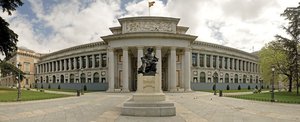
Museu do Prado, MadridMuseu do Prado Madrid 9 Christ as the Man of Sorrows, The Annunciation, San Alberto de Sicilia
Real Academia de Bellas Artes de San Fernando, MadridReal Academia de Bellas Artes de San Fernando Madrid 2 The Knight's Dream (detail), The Knight's Dream
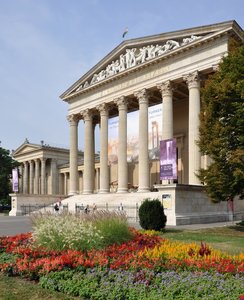
Szépművészeti Múzeum, BudapesteSzépművészeti Múzeum Budapeste 2 St Anthony of Padua with Christ Child (detail), The Holy Trinity
Museo Lázaro Galdiano, MadridMuseo Lázaro Galdiano Madrid 1 The visitation
Hispanic Society Museum - Library, Nova YorkHispanic Society Museum - Library Nova York 1 Saint Anthony of Padua and the Christ Child
Museu Estatal Pushkin de Artes Visuais, MoscovoMuseu Estatal Pushkin de Artes Visuais Moscovo 1 Stiil-life with a Pendulum
Museo Provincial de Bellas Artes, SaragoçaMuseo Provincial de Bellas Artes Saragoça 1 Vanitas
Museu Nacional de Arte Antiga, LisboaMuseu Nacional de Arte Antiga Lisboa 1 Still-Life with Fruit

Antonio De Pereda década a década: a obra original que define cada uma

Obras por década

Escolha uma década para ver a obra original que a define.

Perguntas de colecionadores sobre as pinturas de Antonio De Pereda

Por qual obra Antonio De Pereda é mais conhecido(a)?Revelar a resposta

Christ as the Man of Sorrows (1641), Museu do Prado, Madrid. The Annunciation (1637) e San Alberto de Sicilia (1670) vêm a seguir.

Qual era a idade de Antonio De Pereda quando Christ as the Man of Sorrows foi feita?Revelar a resposta

30 anos: Christ as the Man of Sorrows data de 1641, e Antonio De Pereda nasceu em 1611.

Quais são as dez pinturas mais famosas de Antonio De Pereda?Revelar a resposta

Christ as the Man of Sorrows, The Annunciation, San Alberto de Sicilia, Saint Angel from Jerusalem, The Immaculate Conception, The visitation, Saint Anthony of Padua and the Christ Child, Stiil-life with a Pendulum, Saint Francis of Assisi in the Portiuncula e Vanitas. O ranking acima apresenta o ano e o museu de cada uma.

Quantas pinturas Antonio De Pereda deixou?Revelar a resposta

Nosso catálogo contém 21 obras de Antonio De Pereda, datadas de 1634 a 1670.

Em quais museus estão expostas as obras-primas de Antonio De Pereda?Revelar a resposta

Principalmente em Museu do Prado (Madrid), Real Academia de Bellas Artes de San Fernando (Madrid) e Szépművészeti Múzeum (Budapeste). A tabela de museus acima lista todos eles.

Em que anos Antonio De Pereda pintou as suas obras mais famosas?Revelar a resposta

Em 1650s: 5 das 21 obras nesta página foram feitas então, sendo The visitation delas.

Quais são as primeiras e as últimas obras originais famosas de Antonio De Pereda?Revelar a resposta

Nesta página, a mais antiga é The Relief of Genoa (1634) e a mais recente é San Alberto de Sicilia (1670).

Quais temas Antonio De Pereda escolheu com mais frequência?Revelar a resposta

Man (4), Skull (4) e Dark background (3), entre as 21 obras nesta página.

Qual técnica Antonio De Pereda mais utilizou?Revelar a resposta

Oil On Canvas, para 13 das 21 obras nesta página.

A qual movimento artístico pertence Antonio De Pereda?Revelar a resposta

Baroque, a julgar pelos originais nesta página.

Quais obras de Antonio De Pereda estão expostas no Museu do Prado?Revelar a resposta

Christ as the Man of Sorrows, The Annunciation e San Alberto de Sicilia: o Museu do Prado, Madrid detém 9 das obras desta página.

Antonio De Pereda: vida e obra

Antonio de Pereda: Um Mestre do Barroco Espanhol

Antonio de Pereda y Salgado (1611 – 1678) foi um pintor proeminente da era do Barroco espanhol, celebrado primordialmente por suas requintadas naturezas-mortas. Nascido em Valladolid, Espanha, ele emergiu como uma figura de grande relevância dentro da escola de pintura de Madrid.

Juventude e uma Linhagem Artística

Pereda provinha de uma família profundamente artística; seu pai, sua mãe e dois de seus irmãos eram todos pintores. Este ambiente familiar, sem dúvida, fomentou seu interesse precoce e seu desenvolvimento nas artes. Ele recebeu seu treinamento inicial em Madrid sob a tutela de Pedro de las Cuevas, um pintor respeitado de sua época.

Patrocínio e o Início da Carreira

Um momento crucial na carreira de Pereda ocorreu com o patrocínio de Giovanni Battista Crescenzi, uma figura influente na corte espanhola. Crescenzi acolheu Pereda, proporcionando-lhe oportunidades e orientação valiosas. No entanto, após a morte de Crescenzi em 1635, Pereda foi afastado da corte e passou a aceitar encomendas de instituições religiosas.

Desenvolvimento Artístico e Estilo

O estilo artístico de Pereda é caracterizado pelo uso magistral do tenebrismo, um contraste dramático entre luz e sombra. Esta técnica, comum na pintura barroca, confere profundidade e intensidade emocional às suas obras. Embora seja mais conhecido pelas naturezas-mortas, Pereda também se destacou em pinturas religiosas e composições históricas.

Principais Obras e Conquistas

  • Naturezas-Mortas: As naturezas-mortas de Pereda são renomadas por seu realismo, detalhamento meticuloso e significado simbólico. Exemplos notáveis incluem “Natureza-Morta com Frutas” e “Natureza-Morta com um Baú de Ébano”.
  • Pinturas Históricas: Ele contribuiu significativamente para o programa decorativo do Salón de Reinos no Palácio do Buen Retiro, em Madrid. Sua pintura histórica mais notável é “O Alívio de Génova” (1635), criada como parte de uma série ao lado de obras de Velázquez, especialmente "A Rendição de Breda".
  • Pinturas Religiosas: Pereda produziu inúmeras pinturas religiosas, frequentemente retratando cenas da vida dos santos e narrativas bíblicas. “São Jerônimo” é um exemplo primoroso de sua habilidade neste gênero.

Influências

A obra de Pereda foi influenciada por diversos artistas e movimentos fundamentais:

  • Pedro de las Cuevas: Seu primeiro mestre, que forneceu a base de seu treinamento.
  • Giovanni Battista Crescenzi: Proporcionou patrocínio e orientação durante seu período na corte.
  • Caravaggio e os Caravaggistas: O uso dramático do tenebrismo reflete a influência de Caravaggio e de seus seguidores.

Significância Histórica

Antonio de Pereda ocupa um lugar de extrema importância na arte barroca espanhola. Suas naturezas-mortas são consideradas entre os mais belos exemplos do gênero, exibindo uma capacidade notável de capturar texturas, luz e forma. Suas pinturas históricas demonstram sua versatilidade e destreza como um pintor narrativo de grandes proporções. Ele contribuiu significativamente para o cenário artístico da Espanha do século XVII, deixando um legado de obras magistrais que continuam a ser admiradas até os dias de hoje.