Visualizar na parede
 Compartilhar
 Compartilhar
 Detalhes
 Guia
Guia

 Baixar imagem
 Semelhantes
 Raio X
 Ver diaporama
 Perguntas e Respostas
 Estatísticas
Promenade on the Beach


 Ler mais
Giclée / Impressão de Arte
Impressão giclée ou em tela de qualidade de museu, com produção rápida e opções flexíveis de acabamento. ( Comprar pintura feita à mão Alternar para Imagem Digital)




P118B €10

P118H €10

P118W €10

P438Z €10

P508JH €12

P508YH €12

P805H €10

P805Z €10

P919BZ €10

P919G €10

P919XJ €10

P959ZH €10

P968JZ €12

W106C €8

W218G €10

W218JH €8

W218Y €10

W307PJ €10

W316G €10

W316PJ €8

W316Y €10

W398PJ €8

W4111J €10

W500HY €15

W500JH €15

W692G €12

W849H €8

W940BG €15

W953PJ €8




Escolha entre os nossos tamanhos pré-definidos que respeitam as proporções originais da obra de arte.

Insira a largura e a altura desejadas para se ajustarem à sua moldura ou parede. Uma impressão pode ser apenas cortada, nunca ampliada além da imagem original; portanto, um tamanho com proporções diferentes resultará na perda de parte da imagem. Enviamos uma maquete digital para sua aprovação antes de realizarmos a impressão. A imagem exibida nesta página não mostra o corte real — apenas a maquete o faz.
Entrega mundial () em 2 semanas, em vez das 4/5 semanas padrão. (8 Novembro)

Envio expresso gratuito para todo o mundo

Tela de Linho de Alta Qualidade

Seguro de transporte completo

Garantia de Reembolso de Impostos Alfandegários

Garantia de Fidelidade Cromática

Política de Devolução em 100 Dias (Apenas para Defeitos)

Garantia de reembolso de 100%

Oferta de desconto por quantidade
 A opção de vidro está disponível apenas para tamanhos inferiores a 110 cm

Promenade on the Beach
Giclée / Impressão de Arte
Tamanho da Reprodução
-


Preço Total
€ 72
A Moment of Serenity on the Shore: Winslow Homer’s “Promenade on the Beach”
Winslow Homer's "Promenade on the Beach," painted in 1880, isn’t merely a depiction of a seaside stroll; it’s a carefully constructed evocation of tranquility and the quiet beauty of American life. Homer, a pivotal figure in shaping the distinctly American aesthetic within art, eschewed the rigid conventions of European training, instead drawing inspiration directly from his observations of the world around him – the bustling streets of Boston, the weathered faces of fishermen, and the ever-changing drama of the New England coast. This painting exemplifies that approach, capturing a fleeting moment of peace amidst the vastness of the ocean and the subtle shifts of light at sunset. The work resides within the Museum of Fine Arts in Springfield, Massachusetts, a testament to its enduring value and Homer’s lasting legacy.
The Language of Light and Color
Homer's masterful use of color is immediately striking. He employs a palette dominated by warm oranges, yellows, and pinks – the hues of a setting sun bleeding across the sky and reflecting off the wet sand. These vibrant tones are skillfully juxtaposed with cooler blues and greens in the water and distant shoreline, creating a dynamic sense of depth and atmosphere. The brushstrokes themselves are remarkably loose and expressive, characteristic of Homer’s style. Rather than meticulously rendering every detail, he focuses on capturing the *feeling* of the scene – the warmth, the movement, the gentle breeze. This technique lends the painting an immediacy and vitality that draws the viewer directly into the moment.
Figures in a Landscape: Composition and Narrative
The composition of “Promenade on the Beach” is deceptively simple yet profoundly effective. Two women, their faces partially obscured by shadow, are the central figures, strolling along the shoreline. They aren’t engaged in conversation or any specific activity; instead, they seem lost in contemplation, absorbed in the beauty of their surroundings. The strategic placement of other figures – a group gathered further back on the beach, a boat gliding across the water – adds to the sense of a lively community enjoying the evening. Importantly, these secondary figures are rendered with less detail, subtly fading into the background and contributing to the overall feeling of spaciousness and serenity. Homer masterfully uses perspective to create an illusion of distance, pulling the viewer into this idyllic scene.
Symbolism and the American Spirit
Beyond its aesthetic qualities, “Promenade on the Beach” carries a subtle symbolic weight. It speaks to the core values of the American experience – a connection with nature, a celebration of leisure time, and an appreciation for simple pleasures. The beach itself represents freedom and escape, while the sunset symbolizes transition and reflection. Homer’s choice to depict ordinary women enjoying a quiet moment is deliberate; he elevates the commonplace into something beautiful and meaningful. This resonates deeply within the American artistic tradition, which often sought to find grandeur in everyday life.
Bringing “Promenade on the Beach” Home
A reproduction of Winslow Homer’s "Promenade on the Beach" offers a remarkable opportunity to bring this evocative scene into your own space. OriginalUniqueArt.com specializes in meticulously crafted, hand-painted oil reproductions that capture the essence of the original while offering exceptional detail and color fidelity. Whether adorning a living room wall or gracing a bedroom niche, this artwork will undoubtedly evoke feelings of peace, tranquility, and a connection to the timeless beauty of the American landscape. To explore purchasing your own exquisite reproduction, please visit https://OriginalUniqueArt.com.
Perguntas e Respostas
Quão harmoniosas são as cores de "Promenade on the Beach" entre si?
A harmonia de cores de "Promenade on the Beach" é definida como Softly Mixed Palette.
Qual é a saturação e a intensidade de "Promenade on the Beach", de Winslow Homer?
"Promenade on the Beach", de Winslow Homer apresenta uma saturação Subtle Color e uma intensidade Monochromatic.
Onde posso encontrar obras de arte semelhantes a "Promenade on the Beach", de Winslow Homer?
Obras semelhantes a "Promenade on the Beach" estão listadas na página de Obras semelhantes desta obra.
Biografia do Artista
A Brush with the American Spirit: The Life and Art of Winslow Homer
Winslow Homer, born in Boston in 1836, wasn’t sculpted by the traditional European art academies that shaped so many of his contemporaries. Instead, he emerged from a distinctly American experience, one rooted in practicality and observation. His journey began not with grand historical canvases, but as a commercial illustrator at the tender age of twelve for Harper's Weekly. This early apprenticeship was formative, honing an exceptional ability to capture scenes with clarity and detail – skills that would become hallmarks of his mature work. He wasn’t learning perspective in Paris; he was learning to *see* America, its people, and its unfolding story. The bustling streets of Boston, the quiet dignity of rural New England life, these were his first subjects, rendered with a precision born of necessity for the demands of print media. This foundation allowed him to transition into painting, initially in watercolor, before fully embracing the expressive potential of oil paints.Early Life and Artistic Beginnings
Winslow Homer’s childhood was marked by a profound connection to nature—a formative influence that would permeate his entire artistic career. Born Charles Savage Homer Jr., he descended from Captain John Homer, the Englishman who arrived in Boston in 1630 aboard the *Anne Dorcas*, establishing one of the earliest English settlements in Massachusetts Bay Colony. His father, Charles Savage Homer Sr., was a merchant and instilled in Winslow a strong work ethic and an appreciation for craftsmanship. Henrietta Maria Benson, his mother, possessed artistic talent herself—a passion for painting flowers that nurtured Winslow’s early fascination with visual representation. From a young age, he demonstrated remarkable drawing skills, sketching landscapes and portraits with astonishing accuracy. This innate aptitude was further cultivated by his brother, Charles S. Homer Jr., who worked as a chemist and encouraged Winslow's artistic pursuits. By 19, Homer secured an apprenticeship with John Bufford’s lithographic firm in Boston—a crucial step toward developing his skills as an illustrator and gaining experience in the burgeoning print media industry.The Influence of Harper’s Weekly and Commercial Illustration
Winslow Homer’s initial professional endeavors centered around Harper's Weekly, where he began illustrating scenes from daily life and capturing the spirit of American society. This early engagement with printmaking instilled in him a meticulous attention to detail—a characteristic that would define his artistic style throughout his career. Unlike many artists of his time who pursued formal training abroad, Homer honed his observational skills through direct experience, immersing himself in the landscapes and communities of New England. His illustrations for Harper’s showcased his ability to convey emotion and narrative effectively—skills he would later translate into equally compelling paintings. The firm's demand for precise renderings solidified his technique and established a foundation for his future artistic endeavors. Homer’s early works depicted Boston’s elite, capturing the elegance and sophistication of Victorian society with remarkable realism. He quickly gained recognition as a talented illustrator, securing commissions from prominent publishers and establishing himself as a respected figure in the American art world.The Civil War Years: Witnessing History Through Art
The outbreak of the American Civil War profoundly impacted Winslow Homer’s artistic vision—transforming his focus from idyllic landscapes to confronting the brutal realities of conflict. Recognizing Harper's Weekly's need for visual documentation, Homer volunteered as a war correspondent, traveling extensively throughout Virginia and documenting the experiences of soldiers and civilians alike. Unlike many artists who glorified warfare, Homer eschewed heroic narratives and grand strategies—instead, he sought to portray the human cost of the war with unflinching honesty. His sketches from Camp Douglas and Richmond captured the grim conditions endured by Union prisoners—a poignant reminder of the suffering inflicted upon ordinary people during wartime. Homer’s depictions of battle scenes were notable for their lack of romanticism—he eschewed heroic poses and idealized imagery, opting instead for gritty realism that conveyed the psychological impact of combat. His photographs from Gettysburg and Petersburg powerfully documented the devastation wrought by the war—capturing the solemnity of remembrance and conveying the profound grief experienced by those who had lost loved ones. Homer’s Civil War illustrations stand as testament to his commitment to portraying history with compassion and accuracy—a legacy that continues to inspire artists today.A Master of Landscape Painting and Symbolism
Winslow Homer's artistic style evolved dramatically after the Civil War, embracing a bolder approach characterized by textured surfaces and expressive brushstrokes. He moved from Boston to Gloucester, Massachusetts, establishing a studio overlooking Cape Ann—a location that would serve as his home for decades and inspire countless paintings depicting the rugged beauty of the Maine coast. Homer’s landscapes are imbued with a palpable sense of atmosphere—capturing the shifting moods of sea and sky with remarkable sensitivity. He skillfully employed color to convey emotion—using vibrant hues to depict sunsets ablaze with glory or muted tones to evoke feelings of melancholy and solitude. Homer's technique involved layering paint thickly onto canvas—creating tactile surfaces that mirrored the textures of the natural world. His paintings often explored themes of isolation, resilience, and humanity’s relationship with nature—reflecting his own contemplative spirit and conveying profound philosophical insights. Breezing Up (A Fair Wind) exemplifies Homer's masterful command of light and color—a celebration of maritime life that captures the exhilaration of sailing under a brilliant summer sun. Similarly, *The Gulf Stream*, painted in 1899, portrays a lone fisherman battling the forces of nature—a powerful metaphor for human struggle against overwhelming odds. Homer’s enduring legacy rests on his ability to transform observation into art—creating images that resonate with viewers across generations and capturing the essence of American identity.- His paintings are celebrated for their emotional depth and psychological insight
- Homer's technique—thick impasto—became synonymous with American Realism
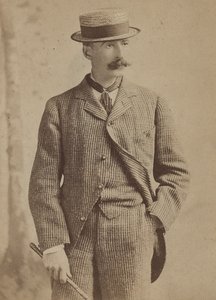
Winslow Homer
1836 - 1910 , Estados Unidos da América
Dados Rápidos
- Artistic Movement Or Style: Realismo americano
- Artists Or Movements Influenced By This Artist: ['American painters']
- Artists Who Influenced This Artist:
- Escola Barbizon
- Courbet
- Millet
- Date Of Birth: 24 de fevereiro de 1836
- Date Of Death: 29 de setembro de 1910
- Full Name: Winslow Homer
- Nationality: Americano
- Notable Artworks:
- Breezing Up (A Fair Wind)
- O Fluxo Marinho
- Inocência
- Place Of Birth: Boston, Estados Unidos
Artigos Relacionados

Grant Wood & American Regionalism: Identity, Myth & the Rural Landscape
Explore the world of Grant Wood & American Regionalism with OriginalUniqueArt. Discover the symbolism behind 'American Gothic', recurring themes, and the movement's lasting impact on art history. High-quality reproductions available.

The Enduring Legacy of Oil on Canvas: Technique, History & Aesthetic Impact
Explore the rich history & techniques of oil painting – from Renaissance masters to Impressionism. Discover pigments, layering methods, and why this timeless medium endures. Expert insights for artists & art enthusiasts.
Winslow Homer: As 25 Obras-Primas que Definem um Ícone da Arte Americana | OriginalUniqueArt
Descubra as 25 obras-primas de Winslow Homer, o mestre do realismo americano! Explore paisagens marinhas icônicas, aquarelas vibrantes e a história por trás de cada tela. Encontre reproduções de arte exclusivas para decorar sua casa com elegância em OriginalUniqueArt.com.

Realismo Americano: 10 Obras-Primas que Moldaram a Arte e Decoram o Lar
Descubra as 10 obras-primas do Realismo Americano! Explore a história de Hopper, Homer e Cassatt. Encontre reproduções de arte com qualidade museológica para decorar sua casa. Inspire-se em cores vibrantes e atmosferas únicas. Explore a coleção completa na OriginalUniqueArt.com.

American Realism: Capturing the Soul of Everyday Life through the Lens of Art History
Explore the profound beauty of American Realism. From Winslow Homer’s rural landscapes to the dignity of everyday life, discover how master artists captured the soul of a nation through evocative oil paintings and timeless fine art techniques.