

 Visualizar em escala
 Enviar
 Compartilhar
 Ver detalhes
 Guia de Obras do Aluno

 Baixar imagem
 Semelhantes
 Raio X
 Apresentação de slides
 Estatísticas
Les Petits Blageurs


 Ver mais
A obra de arte exibida nesta página é protegida por leis de direitos autorais, o que significa que não podemos criar ou vender legalmente uma reprodução idêntica. Esta proteção é aplicada por meio de acordos internacionais, tais como a Convenção de Berna e pelas leis nacionais, incluindo as estabelecidas por Lei de Direitos Autorais dos EUA - Título 17.
Este método cumpre plenamente as regulamentações de direitos autorais, pois não envolve a cópia ou duplicação da obra protegida. Em vez disso, trata-se de uma reinterpretação criativa — uma nova pintura que é influenciada pela original, mas não idêntica a ela.
Giclée / Impressão de Arte
Impressão giclée ou em tela de qualidade de museu, com produção rápida e opções flexíveis de acabamento. ( Encomendar reprodução pintada à mão Ver Imagem Digital)




P118B €10

P118H €10

P118W €10

P438Z €10

P508JH €12

P508YH €12

P805H €10

P805Z €10

P919BZ €10

P919G €10

P919XJ €10

P959ZH €10

P968JZ €12

W106C €8

W218G €10

W218JH €8

W218Y €10

W307PJ €10

W316G €10

W316PJ €8

W316Y €10

W398PJ €8

W4111J €10

W500HY €15

W500JH €15

W692G €12

W849H €8

W940BG €15

W953PJ €8




Escolha entre os nossos tamanhos pré-definidos que respeitam as proporções originais da obra de arte.

Digite a largura e a altura de que necessita, para se ajustar à sua moldura ou à sua parede. Uma impressão só pode ser cortada, nunca ampliada além da imagem original, pelo que um tamanho com uma proporção diferente perderá parte da imagem. Enviamos-lhe uma maquete digital para aprovação antes de imprimirmos qualquer coisa. A imagem apresentada nesta página não mostra o corte real — apenas a maquete o faz.
Entrega mundial () em 2 semanas, em vez das 4/5 semanas padrão. (24 Outubro)

Envio expresso gratuito para todo o mundo

Tela de Linho Premium

Seguro de transporte total

Garantia de Reembolso de Impostos Alfandegários

Garantia de Fidelidade de Cor

Política de Devolução em 100 Dias (Apenas para Defeitos)

Garantia de reembolso de 100%

Desconto para múltiplas unidades
 A opção de vidro está disponível apenas para tamanhos inferiores a 110 cm

Les Petits Blageurs
Giclée / Impressão de Arte
Dimensões da Reprodução
-


Preço Total
€ 70
A Vibrant Tapestry of Haitian Life
In the heart of his 1956 masterpiece, Les Petits Blageurs, Wilson Bigaud invites the viewer into a sun-drenched moment of communal joy, capturing the very soul of a Haitian village. The canvas breathes with the energy of a bustling street scene, where at least fourteen individuals are woven into a complex social fabric. Some figures rest peacefully upon the earth, while others stand in animated conversation, their gestures suggesting the rhythmic flow of local gossip and shared laughter. This is not merely a depiction of a crowd; it is an intimate portrait of togetherness. The setting itself—a charming blend of rustic rural charm and structured urban elements—is punctuated by the presence of potted greenery and humble bowls that hint at a recent or ongoing feast, grounding the scene in the tangible, sensory realities of daily life.
Bigaud’s approach to this composition reflects his profound roots in sculpture, translating a three-dimensional understanding of form into a two-dimensional explosion of color. The technique is characterized by a vibrant, almost luminous palette that captures the intense Caribbean light. Each figure possesses a weight and presence that speaks to the artist's early training in clay, giving the inhabitants of this village a sculptural dignity. The interplay between the architectural lines of the surrounding houses and the organic, fluid movements of the people creates a dynamic tension, drawing the eye across the canvas in a continuous loop of discovery. For the collector or interior designer, this piece offers a rhythmic complexity that serves as a magnificent focal point, capable of injecting warmth and a sense of narrative depth into any sophisticated space.
The Spirit of Caribbean Expressionism
To understand Les Petits Blageurs is to understand the legacy of Wilson Bigaud, a visionary who bridged the gap between traditional Haitian motifs and the broader movement of Caribbean Expressionism. Created during a period of significant cultural flowering in Haiti, the painting serves as a window into a world where community is the ultimate sanctuary. The symbolism within the work is found not in cryptic icons, but in the very act of gathering; the shared bowls and the proximity of the figures symbolize the resilience and interconnectedness of the Haitian spirit. There is an emotional resonance here that transcends time—a celebration of the "small talk" and the quiet moments of leisure that constitute the true essence of human connection.
For those seeking to adorn a home or gallery with art that tells a story, this reproduction offers more than just aesthetic beauty; it offers an atmosphere. The painting’s ability to evoke a sense of lively, social warmth makes it an ideal selection for spaces designed for gathering and conversation. It carries with it the historical weight of Bigaud's journey from Port-au-Prince sculptor to international painter, making each brushstroke a testament to a life dedicated to capturing the vibrant pulse of his homeland. Owning a piece of this caliber is an invitation to preserve a fragment of Haitian history and to surround oneself with the enduring light of communal joy.
Perguntas e Respostas
Onde se recomenda exibir o formato Landscape de "Les Petits Blageurs"?
O formato Landscape de "Les Petits Blageurs" de Wilson Biguad é recomendado para um(a) Restaurant. O formato e o espaço juntos orientam a disposição de uma reprodução.
Em que técnica foi executada a obra "Les Petits Blageurs" de Wilson Biguad?
A técnica de "Les Petits Blageurs" de Wilson Biguad é Painting. As reproduções visam reproduzir a aparência desta técnica.
Existe um guia para "Les Petits Blageurs" de Wilson Biguad?
Uma página de Guia está disponível para "Les Petits Blageurs" de Wilson Biguad: uma ficha informativa imprimível sobre a obra, projetada para estudantes e uso em sala de aula.
Biografia do Artista
A Life Shaped by Clay and Canvas
Wilson Bigaud began his life in Port-au-Prince, Haiti, finding his first expression through the tactile world of sculpture. As a child, he worked with clay, molding figures that captured the weight and presence of the earth. This early focus on three-dimensional form gave him a unique way of seeing volume and light, a skill that would later define his paintings. His path changed when DeWitt Peters encouraged him to move away from carving and toward the two-dimensional surface of the canvas.
The legendary Hector Hyppolite played a significant role in bringing Bigaud into the Centre d'Art in 1946. Through this connection, he found himself part of a community where art was deeply tied to the rhythms of Haitian life. His work often drew from his own memories of the city, pulling from the sights and sounds of social gambling, Vodou ceremonies, and local melodramas. He did not merely paint scenes; he recorded the atmosphere of his surroundings.
The Weight of Color and Light
Bigaud developed a style that relied on thick layers of paint, known as impasto, to create surfaces you could almost feel. He had a particular way of using light and shadow to give his figures weight. While he was influenced by the techniques of artists like Edvard Munch and Oskar Kokoschka, his subject matter remained firmly rooted in the streets and traditions of Haiti. His palette often featured a specific, strange yellow light that bathed his scenes, from cemetery gatherings to village life.
His paintings often explored the tension between joy and hardship. He captured the energy of Carnival and the solemnity of religious life with equal intensity. Some of his most notable subjects included:
- The rituals of Vodou ceremonies
- Scenes of poverty and social gambling
- The movement of the rhythms of drums and rara
- Biblical narratives reimagined through a local lens
Recognition and Personal Struggles
In 1950, at the age of nineteen, Bigaud achieved international notice when his painting “Paradise” won second place at an International Exhibit in Washington, D.C. That same year, he worked on one of his most significant large-scale projects, a mural for the Holy Trinity Cathedral in Port-au-Prince depicting the wedding at Cana. This work allowed him to use scale to tell stories of faith and community.
However, the pressure of his success and the political shifts in Haiti took a heavy toll on his well-being. Between 1957 and 1961, Bigaud faced periods of acute depression and entered a mental institution. During these difficult years, he eventually retreated to Petit-Goave to find peace. When he returned to painting in the mid-sixties, some observers noted that the fire of his earlier work had changed, reflecting more of the fear and defeat he had experienced. Yet, even in these later years, works like “Village Wedding” showed a persistent spirit and an ability to reclaim the energy of his youth.

Wilson Biguad
1931 - 2010 , Haiti
Informações Rápidas
- Artistic Movement Or Style: Caribbean Expressionism
- Artists Or Movements Influenced By This Artist: ['Contemporary Haitian artists']
- Artists Who Influenced This Artist:
- Hector Hyppolite
- Edvard Munch
- Oskar Kokoschka
- Full Name: Wilson Biguad
- Nationality: Haitian
- Notable Artworks:
- Paradise
- The Wedding at Cana
- Untitled (Guédés at the Cemetary)
- Place Of Birth: Port-au-Prince, Haiti
- Date Of Birth: 1931
- Date Of Death: 2010
Artigos Relacionados
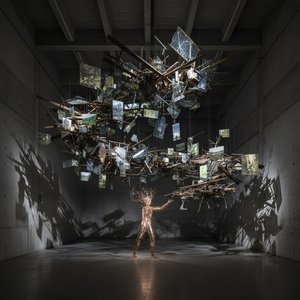
Richard Wilson: Deconstructing Landscape & Memory in Contemporary Installation Art
Explore Richard Wilson's groundbreaking landscape paintings & his enduring influence on contemporary installation art. Discover investment opportunities, provenance insights & the materiality of memory in this expert analysis.
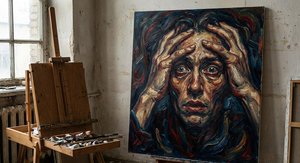
Figurative Expressionism: Emotional Intensity & Subjective Reality in 20th-Century Art
Explore the powerful world of Figurative Expressionism with OriginalUniqueArt. Discover key artists like Kirchner & Beckmann, understand its emotional depth, and learn how to collect this influential 20th-century art movement.

Expressionismo Alemão: 10 Obras-Primas que Moldaram a Arte Moderna | OriginalUniqueArt
Descubra as 10 obras-primas do Expressionismo Alemão que revolucionaram a arte moderna. Explore a paixão de Munch, Kirchner e Kandinsky! Reproduções de museu em OriginalUniqueArt.com. Explore a coleção online.
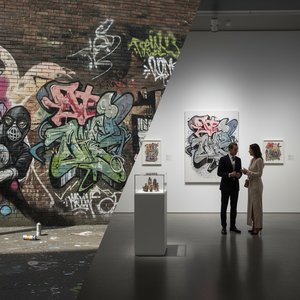
From Walls to Galleries: The Bold Evolution of Street Art and Its Rise into High-End Collectibles
Explore the captivating journey of street art from urban walls to prestigious galleries. Discover how contemporary graffiti has evolved into a high-end collectible movement, redefining modern interior design and global art culture.
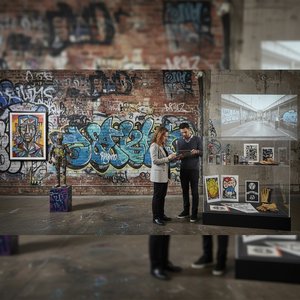
Beyond Graffiti: Exploring the Evolution & Cultural Impact of Street Art for Collectors
Explore the evolution of street art from rebellious origins to a respected fine art form. Discover key artists like Banksy & learn how to collect urban art with confidence. Expert insights for discerning investors.