 Visualizar na parede
 Compartilhar
 Compartilhar
 Detalhes
 Guia
Guia

 Baixar imagem
 Semelhantes
 Raio X
 Ver diaporama
 Q&A
Q&A Estatísticas
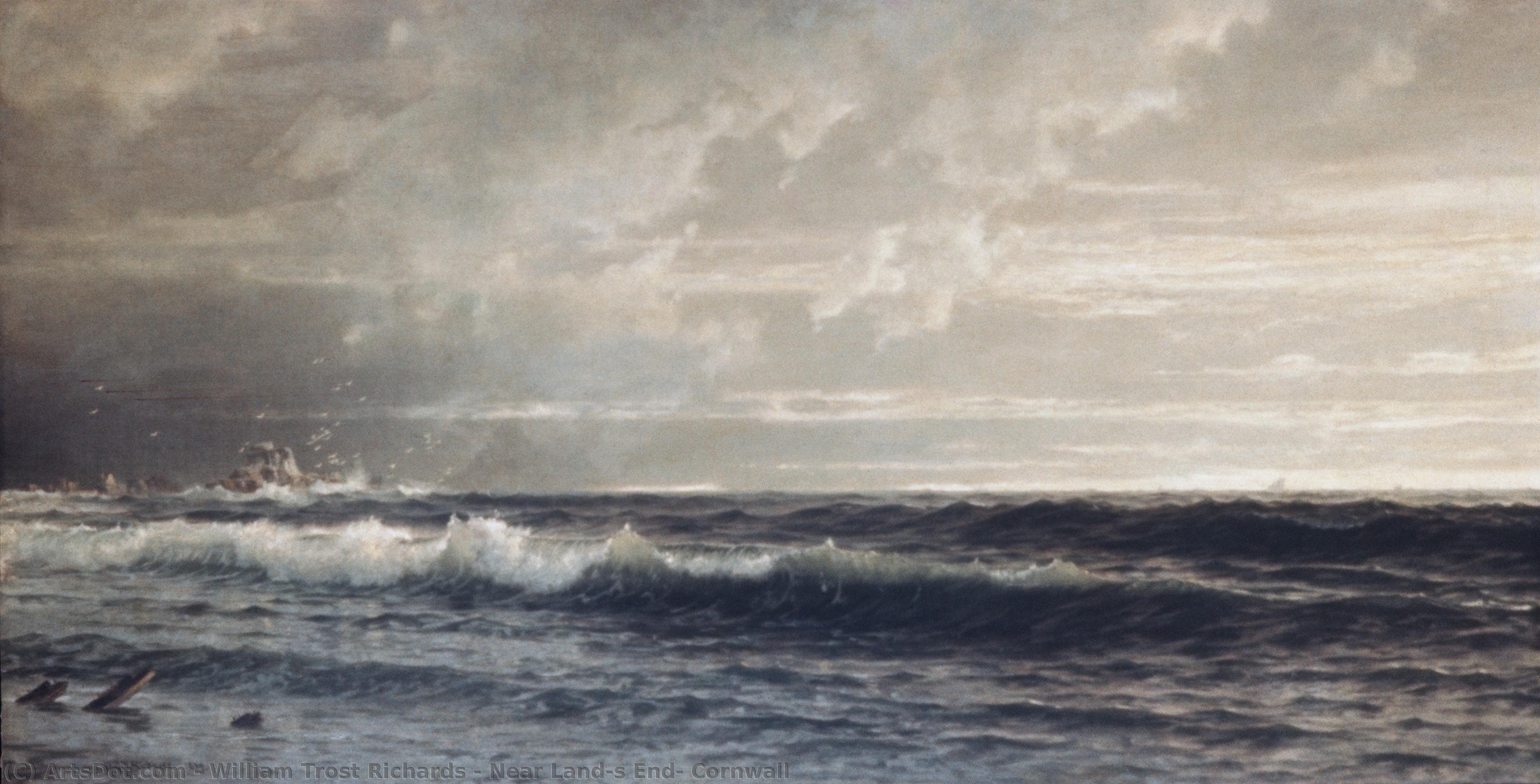
Near Land's End, Cornwall

- 59.0 x 112.0 cm


 Ler mais
Giclée / Impressão de Arte
Impressão giclée ou em tela de qualidade de museu, com produção rápida e opções flexíveis de acabamento. ( Comprar pintura feita à mão Alternar para Imagem Digital)




P118B €10

P118H €10

P118W €10

P438Z €10

P508JH €12

P508YH €12

P805H €10

P805Z €10

P919BZ €10

P919G €10

P919XJ €10

P959ZH €10

P968JZ €12

W106C €8

W218G €10

W218JH €8

W218Y €10

W307PJ €10

W316G €10

W316PJ €8

W316Y €10

W398PJ €8

W4111J €10

W500HY €15

W500JH €15

W692G €12

W849H €8

W940BG €15

W953PJ €8




Escolha entre os nossos tamanhos pré-definidos que respeitam as proporções originais da obra de arte.

Insira a largura e a altura desejadas para se ajustarem à sua moldura ou parede. Uma impressão pode ser apenas cortada, nunca ampliada além da imagem original; portanto, um tamanho com proporções diferentes resultará na perda de parte da imagem. Enviamos uma maquete digital para sua aprovação antes de realizarmos a impressão. A imagem exibida nesta página não mostra o corte real — apenas a maquete o faz.
Entrega mundial () em 2 semanas, em vez das 4/5 semanas padrão. (2 Novembro)

Envio expresso gratuito para todo o mundo

Tela de Linho de Alta Qualidade

Seguro de transporte completo

Garantia de Reembolso de Impostos Alfandegários

Garantia de Fidelidade Cromática

Política de Devolução em 100 Dias (Apenas para Defeitos)

Garantia de reembolso de 100%

Oferta de desconto por quantidade
 A opção de vidro está disponível apenas para tamanhos inferiores a 110 cm

Near Land's End, Cornwall
Giclée / Impressão de Arte
Tamanho da Reprodução
-


Preço Total
€ 71
A Dramatic Embrace: William Trost Richards’ “Near Land’s End, Cornwall”
William Trost Richards' "Near Land’s End, Cornwall," painted in 1879, isn’t merely a depiction of a coastal scene; it’s an immersive experience. This oil on canvas transports the viewer to the rugged, windswept shores of southwestern England, capturing a moment of raw power and elemental beauty. Richards, a key figure bridging the realism of the Hudson River School with the meticulous detail of Pre-Raphaelite painting, eschewed romanticized vistas in favor of an almost scientific approach to rendering nature’s forces. He sought not to embellish, but to faithfully record the drama unfolding before him – a testament to his dedication to observation and craft.
The composition immediately commands attention with its horizontal format, drawing the eye across the vast expanse of turbulent water. The low horizon line amplifies the scale of the ocean, emphasizing its dominance over the land. Scattered boats in the distance offer a crucial element of human presence, providing a sense of scale and hinting at the lives intertwined with this formidable landscape. A solitary figure on the beach, positioned centrally within the frame, acts as an anchor for the viewer, inviting contemplation about humanity’s relationship to nature's grandeur – a small, vulnerable form confronting the immense power of the sea.
The Language of Light and Color
Dominating the palette is a carefully orchestrated symphony of cool tones: deep blues, steely greys, and shimmering whites. These colors perfectly mirror the overcast sky, creating an atmosphere of brooding intensity. Subtle variations within these hues – hints of warm browns and yellows in the distant landmass – provide a delicate contrast, preventing the scene from becoming overwhelmingly somber. Richards masterfully employs atmospheric perspective; objects receding into the distance appear paler and less distinct, skillfully conveying depth and spatial illusion. The visible brushstrokes, particularly evident in the rendering of the waves and clouds, contribute to a palpable sense of texture and movement.
The artist’s use of dynamic lines is crucial to the painting's impact. The crests of the waves are rendered with energetic, almost frenetic strokes, conveying an undeniable sense of motion and power. These lines aren’t simply decorative; they actively shape the composition, guiding the viewer’s eye through the scene. The shapes themselves – the irregular forms of the waves, clouds, and coastline – feel entirely organic, reflecting Richards' commitment to naturalism rather than idealized representation.
A Study in Detail and Technique
"Near Land’s End, Cornwall" exemplifies Richards’ meticulous technique. He employed short, choppy brushstrokes to capture the frothy texture of the waves, while softer marks were used to depict the billowing clouds. This deliberate layering of paint creates a remarkable sense of depth and volume, allowing the viewer to almost feel the spray of the ocean and the chill of the wind. The painting’s academic realism is further underscored by its evident adherence to 19th-century landscape conventions – a testament to Richards' rigorous training and unwavering dedication to his craft.
Symbolism and Emotional Resonance
Beyond its technical brilliance, “Near Land’s End, Cornwall” evokes a profound sense of awe and perhaps a touch of melancholy. The stormy atmosphere, the relentless crashing waves, and the solitary figure on the beach all contribute to this emotional resonance. It's a painting that speaks to the untamed beauty and inherent power of the Cornish coast – a reminder of humanity’s smallness in the face of nature’s majesty. The scene invites reflection on themes of resilience, vulnerability, and the enduring allure of the wild.
Perguntas e Respostas
Em que ano e em qual movimento foi feita a obra "Near Land's End, Cornwall"?
"Near Land's End, Cornwall" foi criada em 1879 como uma obra do movimento Academic Realism. A data e o movimento situam a obra na história da arte.
A qual movimento artístico "Near Land's End, Cornwall", de William Trost Richards pertence?
O movimento associado a "Near Land's End, Cornwall", de William Trost Richards é Academic Realism. Esta classificação situa a obra entre artistas e obras de arte relacionados.
As cores de "Near Land's End, Cornwall" parecem intensas ou suaves?
As cores em "Near Land's End, Cornwall", de William Trost Richards possuem uma intensidade Monochromatic.
Biografia do Artista
A Meticulosa Visão da Natureza: A Vida e a Arte de William Trost Richards
William Trost Richards, nascido em Filadélfia em 14 de novembro de 1833, ocupa uma posição singular no panteão dos pintores paisagistas americanos. Ele não foi impulsionado por floreios dramáticos ou ideais românticos que caracterizaram muitos de seus contemporâneos da Escola do Rio Hudson; em vez disso, Richards buscou uma fidelidade quase científica à natureza, representando cenas com uma precisão e detalhe que beiravam o realismo fotográfico. Sua vida inicial forneceu uma base para essa abordagem distinta. Embora tenha sido formalmente educado no Central High School de Filadélfia, sua aprendizagem entre 1850 e 1855 com o artista alemão Paul Weber, combinada com trabalho como designer de metalaria ornamental, inculcou nele um compromisso com a habilidade meticulosa e a observação. Essa combinação de treinamento artístico e habilidade prática se tornaria a marca registrada de seu estilo maduro. Ele não pintava simplesmente o que *sentia* sobre a natureza; ele documentava cuidadosamente o que *via*.Influências Europeias e Costas Americanas
A jornada artística de Richards levou-o à Europa em 1853, ao lado dos pintores William Stanley Haseltine e Alexander Lawrie. Este período provou ser formativo, expondo-o à Escola de Düsseldorf—conhecida por seus paisagens detalhadas. No entanto, ao retornar aos Estados Unidos, Richards começou a forjar um caminho distintamente seu próprio. Ele expôs na Pennsylvania Academy of Fine Arts de 1852 até 1905, ganhando reconhecimento dentro da comunidade artística de Filadélfia. Sua primeira grande exposição pública ocorreu em 1858 com uma mostra organizada por Albert Bierstadt em New Bedford, Massachusetts, alinhando-o, embora superficialmente, com a tradição da Escola do Rio Hudson. No entanto, mesmo então, seu trabalho se destacava. Enquanto outros buscavam capturar a grandeza sublime da natureza, Richards concentrava-se em seus detalhes intrincados—a textura das rochas, o jogo de luz na água, a estrutura delicada das folhas. Em 1862 foi eleito membro honorário da Academia Nacional de Design e se tornou acadêmico pleno em 1871, consolidando sua posição no estabelecimento artístico americano. Ele também juntou-se à Associação para o Progresso da Verdade na Arte, um grupo pre-rafaelita americano, enfatizando ainda mais seu compromisso com o realismo e a observação detalhada.As Montanhas Brancas e Reveries Costeiros
Talvez Richards seja mais conhecido por suas paisagens em aquarela das Montanhas Brancas do New Hampshire. Essas obras, criadas durante verões passados no Leste Continental após sua peregrinação europeia, são notáveis por sua quase precisão clínica. Ele não tentava impor uma narrativa romântica à paisagem; simplesmente a apresentava como era—uma complexa interação de formações geológicas, vegetação e condições atmosféricas. Muitas dessas aquarelas agora residem na coleção do Metropolitan Museum of Art, testemunhando seu valor artístico duradouro. Mais tarde em sua carreira, Richards concentrou-se quase exclusivamente em cenas costeiras, particularmente ao longo das costas de Nova Jersey, Maine e Rhode Island. Essas pinturas revelam um fascínio profundo pelos ritmos do oceano—a implacável quebra das ondas, os padrões mutáveis de luz na superfície da água, as gradações sutis de cor no céu. Ele construiu uma casa em Jamestown, Rhode Island, em 1881, onde viveu e trabalhou até sua morte, imerso plenamente no mundo marítimo que se tornou seu assunto principal.Um Legado de Precisão e Observação
William Trost Richards faleceu em 8 de novembro de 1905, em Newport, Rhode Island, deixando para trás um corpo de trabalho que continua a cativar os espectadores com sua precisão meticulosa e compromisso inabalável com o realismo. Sua influência pode ser vista nas obras de artistas posteriores que adotaram uma abordagem mais objetiva à pintura de paisagens. Sua rejeição ao romantismo, sua insistência em representações factuais e sua técnica magistral o diferenciaram como uma voz única na história da arte americana. *Ele não estava interessado em criar visões idealizadas da natureza; ele queria capturar sua essência com honestidade implacável.* Suas pinturas são mantidas hoje em inúmeros museus americanos de prestígio, incluindo a National Gallery, o Smithsonian American Art Museum e o Wadsworth Atheneum.Explorando Mais
- Descubra mais do trabalho de Richards em bancos de dados de arte online como OriginalUniqueArt.com.
- Aprofunde-se em sua vida e carreira por meio de recursos como Wikipedia e os Arquivos de Arte Americana do Smithsonian.
- Explore obras de artistas influenciados por Richards, como Enrique Arrigoni e sua filha Anna Richards Brewster.
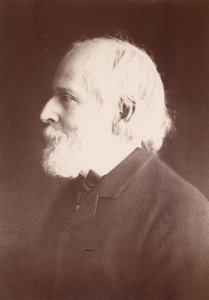
William Trost Richards
1833 - 1905 , Estados Unidos da América
Dados Rápidos
- Artistic Movement Or Style: Hudson River School
- Artists Or Movements Influenced By This Artist: ['Anna Richards Brewster']
- Artists Who Influenced This Artist:
- Paul Weber
- Albert Bierstadt
- Date Of Birth: 14 de nov de 1833
- Full Name: William Trost Richards
- Nationality: Americano
- Notable Artworks:
- Lago Avernus
- Paisagem
- Interior…
- Place Of Birth: Philadelphia, EUA
Artigos Relacionados
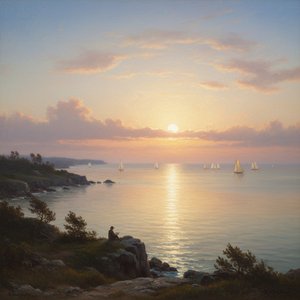
William Trost Richards: Luminism, Spirituality & the American Landscape Tradition
Explore the captivating landscapes of William Trost Richards, a master of Luminism associated with both the Hudson River School & American Pre-Raphaelite movements. Discover his spiritual connection to nature and lasting influence on American art.
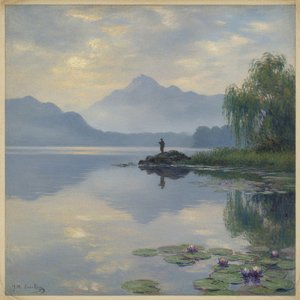
Capturing Stillness: A Curated Exploration of the Most Iconic Lake Landscapes in Art History
Journey through art history's most serene lake landscapes. From Romantic vistas to light-drenched Impressionist waters, discover the stories behind these iconic masterpieces and find museum-quality, hand-painted oil reproductions for your private collection.

Evocations of Place: A Historical Journey Through Landscape Art
Explore the rich history of landscape art with OriginalUniqueArt. Discover renowned artists, movements like Impressionism & Romanticism, and expert guidance for collecting timeless pieces. Find your perfect serene escape today!

Os 10 Mestres da Paisagem Romântica: Arte para Inspirar a Sua Casa
Descubra os 10 quadros mais emblemáticos da Paisagem Romântica! Explore a história de Turner, Friedrich e outros mestres. Encontre reproduções de arte exclusivas para inspirar sua decoração em OriginalUniqueArt.com.

Evocations of Place: A Historical Journey Through Landscape Art
Explore the rich history of landscape art with OriginalUniqueArt. Discover renowned artists, movements like Impressionism & tonalism, and expert guidance for collecting timeless pieces. Find your perfect serene escape today!